
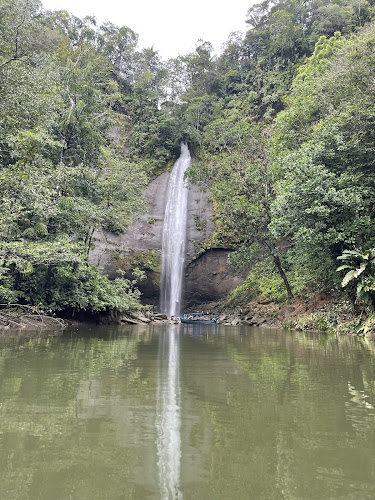
Cascadas La Sierpe
About Cascadas La Sierpe
Description
Cascadas La Sierpe is one of those nature preserves that makes you wonder why you didn't visit sooner. Tucked away in Costa Rica's natural landscape, this waterfall destination offers travelers an authentic experience that goes beyond the typical tourist trail. The preserve gets its name from the impressive waterfalls that cascade down rocky formations, creating pools of crystal-clear water that practically beg you to jump in. What strikes most visitors first is the raw beauty of the place. And honestly, it's the kind of spot where your camera roll will fill up fast, though no photo really captures the sound of rushing water echoing through the canyon or the cool mist that hits your face as you approach the falls. The preserve has maintained its natural character remarkably well, which is saying something in an era where popular destinations often get overdeveloped. I remember talking to a local guide who mentioned that the area has been carefully maintained to preserve its ecological integrity while still allowing visitors to experience its beauty firsthand. The trails wind through dense vegetation where you might spot various bird species and other wildlife native to the region. The main attraction, of course, is the series of waterfalls that give the place its name, each with its own personality and swimming opportunities.Key Features
The preserve offers several standout characteristics that make it worth the journey:- Multiple waterfall tiers ranging from gentle cascades to more dramatic drops, creating natural swimming pools at various depths suitable for different comfort levels
- Well-maintained hiking trails that wind through primary and secondary forest, offering both easier walks and more challenging terrain for adventurous types
- Natural rock formations that create perfect jumping platforms for those brave enough to take the plunge (though always check depth and conditions first)
- Swimming areas that remain relatively cool year-round, providing refreshing relief from the tropical climate
- Wildlife viewing opportunities including tropical birds, butterflies, and occasionally monkeys moving through the canopy
- Photo opportunities at virtually every turn, from wide waterfall shots to intimate jungle details
- Picnic areas where families can settle in and make a day of their visit
- Guided tour options for visitors who want deeper insights into the local ecology and history
- Changing facilities and basic amenities that make the visit more comfortable without disrupting the natural setting
Best Time to Visit
Timing your visit to Cascadas La Sierpe can really make or break your experience, and this is where a bit of planning pays off. The dry season, which typically runs from December through April, tends to be when most travelers plan their visits. During these months, you'll find clearer skies and more predictable weather, which means better hiking conditions and those picture-perfect waterfall shots everyone wants. But here's the thing – and this might sound counterintuitive – visiting during the green season (May through November) has its own appeal. Sure, you might encounter some rain, but the waterfalls flow with more volume and drama during these months. The landscape becomes incredibly lush, and you'll likely encounter fewer crowds. Just be prepared with proper rain gear and understand that trails can become slippery. Weekdays generally offer a more peaceful experience compared to weekends when local families often visit. If you're the type who prefers having places mostly to yourself, aim for a Tuesday or Wednesday morning. The preserve tends to get busier after 11 AM, so early birds really do get the worm here. Water levels fluctuate throughout the year, affecting both the visual spectacle of the falls and swimming conditions. During peak dry season, the pools might be shallower but the water is typically clearer. After heavy rains, the falls are more impressive but the water can be cloudier and currents stronger. You've got to weigh what matters more for your visit. Temperature-wise, you're looking at tropical conditions year-round. Mornings can be surprisingly pleasant, especially in the forest shade, while afternoons heat up. The water temperature stays pretty constant, which is to say refreshingly cool – a welcome contrast to the ambient temperature.How to Get There
Getting to Cascadas La Sierpe requires a bit of effort, but that's partly why it hasn't been overrun with tour buses. The preserve is accessible by car, and honestly, that's the most straightforward option for most travelers. If you're staying in nearby towns, you'll want to rent a vehicle or arrange private transportation. The road conditions vary depending on the season and how recently they've been maintained. A standard car can typically make the journey during dry season, but a 4x4 vehicle provides extra peace of mind, especially if you're visiting during rainier months. The last stretch of road gets a bit rough, so take it slow and watch for potholes. Public transportation options exist but they're limited and require more planning. Local buses run to nearby communities, but you'll need to arrange the final leg of the journey separately. Some visitors have successfully combined bus travel with a taxi for the last portion, though this requires coordination and Spanish language skills usually help. Many hotels and hostels in the region can arrange transportation to the preserve, either through their own services or by connecting you with reliable local drivers. This option costs more than DIY but removes the navigation stress. Group tours from popular tourist areas also include Cascadas La Sierpe in their itineraries, though these come with fixed schedules that limit your time at the falls. GPS coordinates work better than addresses in this part of the world, so make sure you've got offline maps downloaded before you head out. Cell signal can be spotty once you leave main roads. And fuel up before you go – gas stations become sparse as you get into more rural areas. The drive itself offers scenic views, passing through agricultural land and small communities that give you a genuine glimpse of local life. Budget about an hour for the journey from most nearby towns, though actual time varies based on your starting point and road conditions.Tips for Visiting
Come prepared with proper footwear – and I can't stress this enough. Those flip-flops might seem fine in the parking area, but the trails get slippery and rocky. Water shoes or hiking sandals with good grip are ideal since you'll be going between dry trails and wet rocks. I learned this the hard way during my first waterfall adventure when I nearly went sideways on a mossy rock. Bring a waterproof bag or dry sack for your electronics and valuables. You will get wet, even if you don't plan to swim. The mist near the falls has a way of reaching everything. Speaking of swimming, pack a swimsuit even if you're on the fence about getting in – once you see those pools, you'll probably change your mind. Getting tickets in advance is recommended, particularly during high season or on weekends. The preserve manages visitor numbers to protect the environment, which means they sometimes reach capacity. Nothing's worse than driving all that way only to be turned away at the entrance. Pack snacks and plenty of water. There's limited food available at the preserve, and you'll work up an appetite hiking and swimming. Reusable water bottles are appreciated since the preserve encourages environmental responsibility. Some areas have refill stations, but don't count on it. The preserve is good for kids, which makes it an excellent family destination. However, parents should closely supervise children near the water. Current conditions and pool depths vary, and not all swimming areas are suitable for young ones. Life jackets are a smart idea for less confident swimmers. Biodegradable sunscreen and insect repellent are must-haves. Regular sunscreen damages aquatic ecosystems, and many preserves are cracking down on this. You might not think you need bug spray during the day, but shaded jungle trails harbor mosquitoes that don't care what time it is. Arrive early to maximize your visit and avoid crowds. The morning light also photographs better, and you'll have more energy for exploring multiple waterfall tiers. Plan for at least three to four hours to properly experience the preserve without rushing. Respect the natural environment by staying on marked trails and not disturbing wildlife. Don't remove plants or rocks as souvenirs. What seems like a small action multiplied by thousands of visitors creates real damage. Leave no trace principles apply here just like any natural area. Consider hiring a local guide for your first visit. They know which pools are safest for swimming, can point out wildlife you'd otherwise miss, and share knowledge about the ecosystem that enriches the whole experience. The extra cost is usually worth it. Check weather conditions before you go, especially during rainy season. Flash floods can occur in canyon areas, and trails become genuinely dangerous when saturated. When in doubt, postpone your visit rather than taking unnecessary risks. Finally, bring cash. Many places in this region don't accept cards, and you'll want money for entrance fees, tips for guides, and any small purchases. ATMs become scarce outside main towns, so get cash beforehand.Key Features
- Multiple waterfall tiers ranging from gentle cascades to more dramatic drops, creating natural swimming pools at various depths suitable for different comfort levels
- Well-maintained hiking trails that wind through primary and secondary forest, offering both easier walks and more challenging terrain for adventurous types
- Natural rock formations that create perfect jumping platforms for those brave enough to take the plunge (though always check depth and conditions first)
- Swimming areas that remain relatively cool year-round, providing refreshing relief from the tropical climate
- Wildlife viewing opportunities including tropical birds, butterflies, and occasionally monkeys moving through the canopy
- Photo opportunities at virtually every turn, from wide waterfall shots to intimate jungle details
- Picnic areas where families can settle in and make a day of their visit
- Guided tour options for visitors who want deeper insights into the local ecology and history
More Details
Updated January 16, 2026
Table of Contents
Description
Cascadas La Sierpe is one of those nature preserves that makes you wonder why you didn’t visit sooner. Tucked away in Costa Rica’s natural landscape, this waterfall destination offers travelers an authentic experience that goes beyond the typical tourist trail. The preserve gets its name from the impressive waterfalls that cascade down rocky formations, creating pools of crystal-clear water that practically beg you to jump in.
What strikes most visitors first is the raw beauty of the place. And honestly, it’s the kind of spot where your camera roll will fill up fast, though no photo really captures the sound of rushing water echoing through the canyon or the cool mist that hits your face as you approach the falls. The preserve has maintained its natural character remarkably well, which is saying something in an era where popular destinations often get overdeveloped.
I remember talking to a local guide who mentioned that the area has been carefully maintained to preserve its ecological integrity while still allowing visitors to experience its beauty firsthand. The trails wind through dense vegetation where you might spot various bird species and other wildlife native to the region. The main attraction, of course, is the series of waterfalls that give the place its name, each with its own personality and swimming opportunities.
Key Features
The preserve offers several standout characteristics that make it worth the journey:
- Multiple waterfall tiers ranging from gentle cascades to more dramatic drops, creating natural swimming pools at various depths suitable for different comfort levels
- Well-maintained hiking trails that wind through primary and secondary forest, offering both easier walks and more challenging terrain for adventurous types
- Natural rock formations that create perfect jumping platforms for those brave enough to take the plunge (though always check depth and conditions first)
- Swimming areas that remain relatively cool year-round, providing refreshing relief from the tropical climate
- Wildlife viewing opportunities including tropical birds, butterflies, and occasionally monkeys moving through the canopy
- Photo opportunities at virtually every turn, from wide waterfall shots to intimate jungle details
- Picnic areas where families can settle in and make a day of their visit
- Guided tour options for visitors who want deeper insights into the local ecology and history
- Changing facilities and basic amenities that make the visit more comfortable without disrupting the natural setting
Best Time to Visit
Timing your visit to Cascadas La Sierpe can really make or break your experience, and this is where a bit of planning pays off. The dry season, which typically runs from December through April, tends to be when most travelers plan their visits. During these months, you’ll find clearer skies and more predictable weather, which means better hiking conditions and those picture-perfect waterfall shots everyone wants.
But here’s the thing – and this might sound counterintuitive – visiting during the green season (May through November) has its own appeal. Sure, you might encounter some rain, but the waterfalls flow with more volume and drama during these months. The landscape becomes incredibly lush, and you’ll likely encounter fewer crowds. Just be prepared with proper rain gear and understand that trails can become slippery.
Weekdays generally offer a more peaceful experience compared to weekends when local families often visit. If you’re the type who prefers having places mostly to yourself, aim for a Tuesday or Wednesday morning. The preserve tends to get busier after 11 AM, so early birds really do get the worm here.
Water levels fluctuate throughout the year, affecting both the visual spectacle of the falls and swimming conditions. During peak dry season, the pools might be shallower but the water is typically clearer. After heavy rains, the falls are more impressive but the water can be cloudier and currents stronger. You’ve got to weigh what matters more for your visit.
Temperature-wise, you’re looking at tropical conditions year-round. Mornings can be surprisingly pleasant, especially in the forest shade, while afternoons heat up. The water temperature stays pretty constant, which is to say refreshingly cool – a welcome contrast to the ambient temperature.
How to Get There
Getting to Cascadas La Sierpe requires a bit of effort, but that’s partly why it hasn’t been overrun with tour buses. The preserve is accessible by car, and honestly, that’s the most straightforward option for most travelers. If you’re staying in nearby towns, you’ll want to rent a vehicle or arrange private transportation.
The road conditions vary depending on the season and how recently they’ve been maintained. A standard car can typically make the journey during dry season, but a 4×4 vehicle provides extra peace of mind, especially if you’re visiting during rainier months. The last stretch of road gets a bit rough, so take it slow and watch for potholes.
Public transportation options exist but they’re limited and require more planning. Local buses run to nearby communities, but you’ll need to arrange the final leg of the journey separately. Some visitors have successfully combined bus travel with a taxi for the last portion, though this requires coordination and Spanish language skills usually help.
Many hotels and hostels in the region can arrange transportation to the preserve, either through their own services or by connecting you with reliable local drivers. This option costs more than DIY but removes the navigation stress. Group tours from popular tourist areas also include Cascadas La Sierpe in their itineraries, though these come with fixed schedules that limit your time at the falls.
GPS coordinates work better than addresses in this part of the world, so make sure you’ve got offline maps downloaded before you head out. Cell signal can be spotty once you leave main roads. And fuel up before you go – gas stations become sparse as you get into more rural areas.
The drive itself offers scenic views, passing through agricultural land and small communities that give you a genuine glimpse of local life. Budget about an hour for the journey from most nearby towns, though actual time varies based on your starting point and road conditions.
Tips for Visiting
Come prepared with proper footwear – and I can’t stress this enough. Those flip-flops might seem fine in the parking area, but the trails get slippery and rocky. Water shoes or hiking sandals with good grip are ideal since you’ll be going between dry trails and wet rocks. I learned this the hard way during my first waterfall adventure when I nearly went sideways on a mossy rock.
Bring a waterproof bag or dry sack for your electronics and valuables. You will get wet, even if you don’t plan to swim. The mist near the falls has a way of reaching everything. Speaking of swimming, pack a swimsuit even if you’re on the fence about getting in – once you see those pools, you’ll probably change your mind.
Getting tickets in advance is recommended, particularly during high season or on weekends. The preserve manages visitor numbers to protect the environment, which means they sometimes reach capacity. Nothing’s worse than driving all that way only to be turned away at the entrance.
Pack snacks and plenty of water. There’s limited food available at the preserve, and you’ll work up an appetite hiking and swimming. Reusable water bottles are appreciated since the preserve encourages environmental responsibility. Some areas have refill stations, but don’t count on it.
The preserve is good for kids, which makes it an excellent family destination. However, parents should closely supervise children near the water. Current conditions and pool depths vary, and not all swimming areas are suitable for young ones. Life jackets are a smart idea for less confident swimmers.
Biodegradable sunscreen and insect repellent are must-haves. Regular sunscreen damages aquatic ecosystems, and many preserves are cracking down on this. You might not think you need bug spray during the day, but shaded jungle trails harbor mosquitoes that don’t care what time it is.
Arrive early to maximize your visit and avoid crowds. The morning light also photographs better, and you’ll have more energy for exploring multiple waterfall tiers. Plan for at least three to four hours to properly experience the preserve without rushing.
Respect the natural environment by staying on marked trails and not disturbing wildlife. Don’t remove plants or rocks as souvenirs. What seems like a small action multiplied by thousands of visitors creates real damage. Leave no trace principles apply here just like any natural area.
Consider hiring a local guide for your first visit. They know which pools are safest for swimming, can point out wildlife you’d otherwise miss, and share knowledge about the ecosystem that enriches the whole experience. The extra cost is usually worth it.
Check weather conditions before you go, especially during rainy season. Flash floods can occur in canyon areas, and trails become genuinely dangerous when saturated. When in doubt, postpone your visit rather than taking unnecessary risks.
Finally, bring cash. Many places in this region don’t accept cards, and you’ll want money for entrance fees, tips for guides, and any small purchases. ATMs become scarce outside main towns, so get cash beforehand.
Key Highlights
- Multiple waterfall tiers ranging from gentle cascades to more dramatic drops, creating natural swimming pools at various depths suitable for different comfort levels
- Well-maintained hiking trails that wind through primary and secondary forest, offering both easier walks and more challenging terrain for adventurous types
- Natural rock formations that create perfect jumping platforms for those brave enough to take the plunge (though always check depth and conditions first)
- Swimming areas that remain relatively cool year-round, providing refreshing relief from the tropical climate
- Wildlife viewing opportunities including tropical birds, butterflies, and occasionally monkeys moving through the canopy
- Photo opportunities at virtually every turn, from wide waterfall shots to intimate jungle details
- Picnic areas where families can settle in and make a day of their visit
- Guided tour options for visitors who want deeper insights into the local ecology and history
Location
Places to Stay Near Cascadas La Sierpe
Find and Book a Tour
Explore More Travel Guides
No reviews found! Be the first to review!
Traveler Reviews for Cascadas La Sierpe
There are no reviews yet. Be the first one to write one.
Have you visited Cascadas La Sierpe? Help other travelers by sharing your review.
You Might Also Like

Bulevar

Yo Amo Buenaventura
Canturrana Park
Find Accommodations Nearby
Recommended Tours & Activities
Visitor Reviews
There are no reviews yet. Be the first one to write one.
Share Your Experience
Have you visited Cascadas La Sierpe? Help other travelers by leaving a review.