
Cascada Manto de la Novia
About Cascada Manto de la Novia
Key Features
- Approx. 40-meter single-drop cascade with veil-like appearance
- Located on the Río Chinchín along the Ruta de las Cascadas
- Hanging footbridges and tarabitas (small cable gondolas) for canyon crossing
- Rich cloud-forest flora: ferns, mosses, orchids and diverse birdlife
- Easy access from Ambato and Baños; suitable for day trips and photography
More Details
Updated June 11, 2025
Cascada Manto de la Novia en Baños de Agua Santa Ecuador – Go Ecuador | Guía Turística …
## Cascada Manto de la Novia, Ecuador: How to Actually Experience This Route-of-the-Waterfalls Icon
Cascada Manto de la Novia (“Bride’s Veil Waterfall”) is one of the most dramatic stops on Ecuador’s famous Ruta de las Cascadas, the waterfall route that runs between Baños de Agua Santa and Puyo. Dropping roughly 40 meters into the canyon of the Río Pastaza, its white curtain of water really does look like a wedding veil when the flow is strong.
Below is a practical, detail-heavy guide to help you plan a stop here, whether you’re biking the waterfall route, joining a tour from Baños or Quito, or self-driving through Ecuador’s central highlands.
—
## Where Is Cascada Manto de la Novia?
– Region: Central Highlands, Ecuador
– Province: Tungurahua
– Nearest town: Baños de Agua Santa
– Route: About 11 km east of Baños along the Baños–Puyo road (part of the Ruta de las Cascadas), on the edge of Llanganates National Park and the Río Pastaza canyon. Turismo
Local tourism and government sources place the waterfall squarely in the Baños de Agua Santa area (often associated with the nearby parish of Río Verde). If you see mapping data labeling it as “Agoyán” or “Ambato,” treat that as imprecise—practically speaking, travelers visit from Baños, not Ambato.
The falls are fed by the Río Chinchín, which plunges into the Pastaza. The name “Manto de la Novia” comes from the bright white sheet of water that forms when the volume is high. Ecuador
—
## Why Go: What Makes This Waterfall Different?
Compared with some of the other cascades on the route, Manto de la Novia stands out for three reasons:
1. Cable-car crossing over a deep canyon – An open metal cable car (tarabita) glides above the Río Pastaza with head-on views of the waterfall. The ride is around 500 m across the gorge, so it feels like a short aerial excursion rather than just a viewpoint transfer.
2. Steep trail and hanging bridge to the base – If you prefer to be at water level, you can hike down and cross a suspension bridge of more than 100 m to stand near the spray.
3. Adventure add-ons – Several operators run canopy/zipline rides over the canyon, including one marketed as a 1,300 m return zipline “over a waterfall.” These set-ups shift Manto de la Novia from “pretty stop” into a genuine half-day adventure hub.
If you’re putting together a Baños waterfall day, Manto de la Novia pairs naturally with Pailón del Diablo and other stops along the same road. Many commercial tours from Baños and Quito follow exactly this pattern.
—
## How to Get to Cascada Manto de la Novia
### From Baños de Agua Santa
Distance: ~11 km one way along the road to Puyo. Turismo
You have four realistic options:
– Local bus
– Take a bus heading Baños → Puyo (or Río Verde).
– Ask the driver to let you off at “Manto de la Novia / tarabita” – it’s a standard request along this corridor.
– Travel time: roughly 30–45 minutes, depending on stops and traffic.
– Taxi from Baños
– Easy to arrange in town or via your accommodation.
– More expensive than the bus but faster and more flexible if you want to continue to Pailón del Diablo afterward before returning to Baños.
– Bicycle (the classic waterfall route)
– Many visitors rent bikes in Baños and ride the Ruta de las Cascadas downhill, hopping between waterfalls and loading the bike onto a pickup or bus for the return.
– The road is paved but shared with traffic; expect narrow shoulders and frequent viewpoints.
– Organized tour
– Full-day tours from Baños or Quito often bundle Manto de la Novia with Casa del Árbol, Pailón del Diablo, and other waterfalls. Transport, timing, and several entrance tickets are usually handled for you.
### Parking
Self-drivers can park near the tarabita station on the main road. Several commercial listings describe on-site parking; still, don’t leave valuables visible in the vehicle.
—
## Experiences at Manto de la Novia
### 1. The Tarabita Ride Across the Canyon
The tarabita Manto de la Novia is one of the best-known cable-car rides in Baños’ waterfall zone:
– It’s an open-air metal cable car suspended high above the Río Pastaza.
– The crossing is roughly 500 m and gives direct views of the waterfall and the canyon walls.
– Many travelers describe it as a short, high-impact thrill rather than a long transit.
A tourism guide from 2019 notes an approximate cost of US$2 per person for the tarabita, and around US$1 to access the hiking trail and bridge on the opposite side. These specific amounts are historic; treat them as indicative only and check current prices on-site or with a local operator, as fees can and do change over time.
If you’re anxious about heights, keep in mind:
– The cabin is open on the sides but enclosed enough that you’re not exposed on a simple bench.
– The ride is short; you can step off at the other side and choose whether to continue hiking or ride straight back.
### 2. Hiking Down to the Base & Crossing the Hanging Bridge
From the road side, there’s a steep trail down into the canyon, with rustic steps and uneven stones. A tourism board description suggests:
– 10 minutes or so to descend from the road to the river level (longer if you stop frequently).
– A hanging bridge over 100 m long spans the Río Pastaza.
– On the far side, you can get significantly closer to the waterfall, with spray and noise ramping up as you approach.
Important practical points:
– The climb back up can take twice as long as the descent, especially if you’re not used to altitude or steep stairs.
– Surfaces can be muddy and slippery after rain; good tread on your shoes matters more here than at some roadside viewpoints.
– The trail is not wheelchair accessible and will be difficult for travelers with significant mobility impairments.
The water temperature is reported at around 10°C, so you’ll feel it if you decide to wade or briefly bathe near the pool. Again, that figure comes from local tourism sources a few years back; treat it as a ballpark indicator rather than an exact reading on any given day.
### 3. Canopy / Zipline Over the Canyon
Around Manto de la Novia you’ll find canopy lines running across the canyon:
– One is marketed as a 1,300 m round-trip zipline “over a waterfall,” using full harnesses and helmets.
– Local operators promote tandem flights (“vuelo doble”) so you can ride side-by-side.
– The experience is short but intense: launching from one side of the canyon and sailing above the river and vegetation before returning.
Because these ziplines are run by private operators rather than a single national company, safety standards may vary:
– Check that staff double-check your harness and helmet fittings.
– Look for visible inspection tags on the equipment and clear instructions at the platform.
– If something feels improvised or rushed, you’re not obliged to clip in.
Your original note that “you can also do the canopy across the river a few miles down” lines up with this reality: several canopy points sit along this stretch of road, including at or near Manto de la Novia and at other waterfalls.
—
## Environment & Seasonality
The waterfall sits in a humid, sub-tropical Andean environment, with dense vegetation and frequent cloud cover. Local descriptions emphasize the richness of flora (bromeliads, orchids, a mix of Andean and cloud-forest plants) and the presence of a variety of birdlife in the canyon.
A few realities to keep in mind:
– Water volume varies with rainfall and upstream conditions. In wetter months, the “bridal veil” effect is more dramatic; during drier periods, the flow may be thinner but still photogenic.
– The Baños region has rainfall spread through the year, rather than a single short rainy season, so pack for showers whenever you go.
For photography:
– Morning: usually quieter, with fewer people in frame and softer light in the canyon.
– Late afternoon: can produce warm light on the waterfall, but you’ll share viewpoints with more visitors. Traveler accounts frequently mention both options as rewarding.
—
## What to Bring
Because conditions in the canyon can shift quickly, it’s worth treating Manto de la Novia like a short hike rather than a quick roadside pull-off:
– Sturdy walking shoes or light hiking shoes
– Light waterproof shell – showers blow in fast along the canyon
– Water and electrolytes – the climb out is steeper than it looks
– Sun protection – UV is strong at Andean elevations even when it’s cloudy
– Insect repellent, especially in warmer, more humid months
– Cash in small US$ bills for entrances, tarabita, and snacks (Ecuador uses the US dollar; card acceptance is inconsistent at small attractions)
—
## Who This Stop Is (and Isn’t) Good For
Great for:
– Travelers building a DIY Ruta de las Cascadas day out of Baños
– People who want a high-impact experience (tarabita + zipline) without committing to a full day of canyoning
– Photographers looking for classic, symmetrical waterfall shots from across a canyon
Challenging for:
– Anyone with significant fear of heights (you can skip the tarabita and still see the waterfall from roadside viewpoints).
– Travelers with limited mobility – the steep stairs and trail to the base are a real barrier, and the bridge sways.
– Those needing fully step-free access; the roadside viewpoint is the most accessible angle, but options beyond that are limited.
—
## How Long to Spend & How to Combine It
If you’re moving at a relaxed pace and want to:
– Ride the tarabita
– Walk at least partway down and cross the bridge
– Maybe do one canopy run
…then 1.5–2 hours at Manto de la Novia is realistic. If you only ride the tarabita and take photos from the platforms, you can be in and out in under an hour.
In a typical Baños waterfall itinerary, Manto de la Novia fits well:
Table of Contents
Key Highlights
- Approx. 40-meter single-drop cascade with veil-like appearance
- Located on the Río Chinchín along the Ruta de las Cascadas
- Hanging footbridges and tarabitas (small cable gondolas) for canyon crossing
- Rich cloud-forest flora: ferns, mosses, orchids and diverse birdlife
- Easy access from Ambato and Baños; suitable for day trips and photography
Location
Places to Stay Near Cascada Manto de la Novia"You can also do the canopy across the river a few miles down."
Find and Book a Tour
Explore More Travel Guides
No reviews found! Be the first to review!
Traveler Reviews for Cascada Manto de la Novia
There are no reviews yet. Be the first one to write one.
Have you visited Cascada Manto de la Novia? Help other travelers by sharing your review.
Nearby Attractions
You Might Also Like
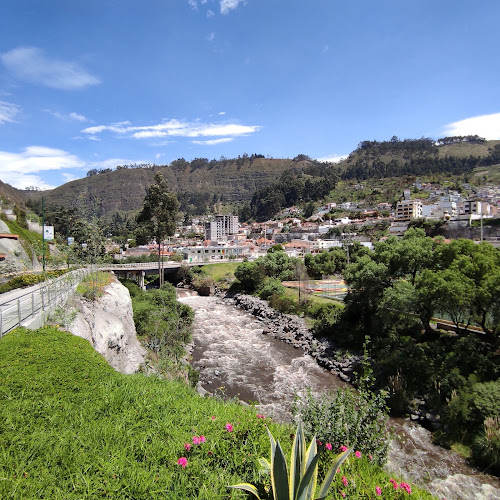
Luis A. Martínez Park
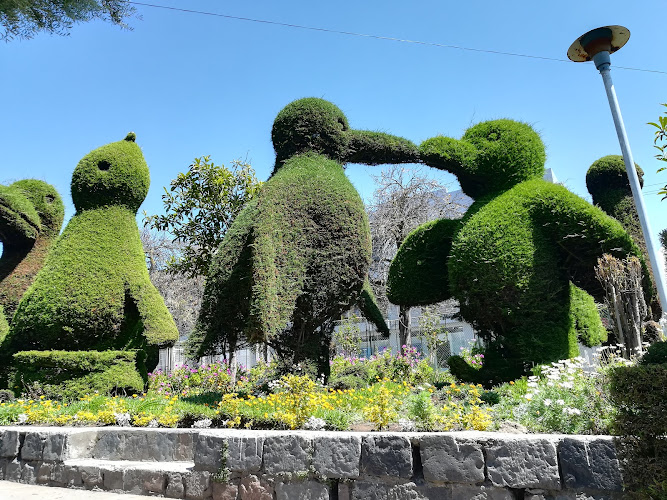
PARQUE JUAN VELA
Empresa energía ambato
Find Accommodations Nearby
Recommended Tours & Activities
Visitor Reviews
There are no reviews yet. Be the first one to write one.
Share Your Experience
Have you visited Cascada Manto de la Novia? Help other travelers by leaving a review.