
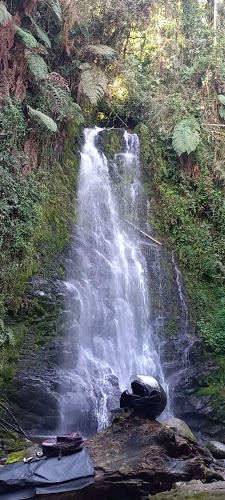
Cascada El Tigre
About Cascada El Tigre
Description
Cascada El Tigre stands as one of those natural wonders that makes you question why you haven't heard about it sooner. The waterfall pours down from impressive heights, creating a misty atmosphere that'll cool you down the moment you arrive – and believe me, you'll appreciate that coolness after the hike in. I've visited my fair share of waterfalls across Central America, and there's something distinctly raw about this place that keeps it stuck in my memory. The water here is genuinely cold, which comes as a shock to most visitors expecting the lukewarm pools you find at other tropical waterfalls. But that's part of what makes El Tigre special. The temperature comes from mountain springs feeding the cascade, and while it might make you yelp when you first jump in, it's incredibly refreshing. The surrounding forest creates a natural amphitheater of sorts, with the sound of rushing water echoing off the rock walls in a way that's almost meditative. What really sets this waterfall apart is how it's managed to stay relatively off the beaten tourist path. Sure, people know about it, but it hasn't been developed into one of those over-commercialized attractions with concrete pathways and souvenir stands every ten feet. It maintains that sense of discovery that makes outdoor adventures actually feel like adventures. The journey to reach the falls involves trekking through genuine wilderness, crossing streams, and navigating trails that nature keeps trying to reclaim. The pool at the base of the waterfall is deep enough for swimming and even some cautious cliff jumping from the lower rocks, though you'll want to check conditions with locals before attempting anything too daring. Families regularly bring their kids here, and watching children splash around in the shallower areas while more adventurous visitors explore the deeper sections creates this nice community atmosphere that you don't always find at tourist spots.Key Features
- Dramatically cold mountain water fed by natural springs that provides genuine relief from tropical heat
- Multiple cascade levels offering different viewing perspectives and swimming spots throughout the site
- Natural swimming pool at the base with varying depths suitable for different comfort levels and ages
- Surrounding primary forest that shelters diverse wildlife and creates a secluded jungle atmosphere
- Rock formations around the falls that provide spots for careful climbing and photography opportunities
- Less commercialized environment compared to other regional waterfalls, maintaining authentic wilderness character
- Trail system through forest terrain that adds adventure element to the overall experience
- Good safety record for families, with shallow areas where children can play under supervision
- Mist zone near the waterfall base that creates natural cooling effect and unique atmospheric conditions
- Year-round water flow that ensures the cascade remains impressive regardless of season
Best Time to Visit
Timing your visit to Cascada El Tigre can make the difference between a good experience and an absolutely memorable one. The dry season, running roughly from late November through April, offers the most predictable conditions. During these months, you'll find clearer trails, easier stream crossings, and generally more comfortable hiking conditions. The waterfall still maintains strong flow even during drier periods, so you won't be disappointed by some sad trickle down the rocks. But here's where I'll throw in a bit of contrarian advice – don't completely write off the wet season. Yeah, the trails get muddy and the river crossings become more challenging, but the waterfall during peak flow is absolutely spectacular. I visited once in early October, and while getting there required more careful navigation, the volume of water coming over those falls was breathtaking. Just be honest with yourself about your hiking abilities and comfort level with slippery conditions. The time of day matters too, and most people don't think about this enough. Early morning visits, especially on weekdays, mean you might have the entire place to yourself for an hour or two. There's something almost spiritual about being alone at a waterfall at dawn, with just the sound of water and waking birds around you. Mid-morning through early afternoon brings more visitors, but it's rarely crowded compared to more famous waterfalls in the region. Weekends naturally see more local families, particularly Sundays, which can actually be pretty fun if you enjoy a more social atmosphere. I've had some great conversations with local visitors who shared their favorite swimming spots and even some snacks they brought along. On the flip side, if you're looking for that solitary nature experience, stick to weekday mornings. Avoid visiting immediately after heavy rains – and I mean within 24 hours of a serious downpour. The trails become genuinely hazardous, and the water in the pool can be murky from runoff. Give it a day or two for conditions to settle, and you'll have a much better time.How to Get There
Getting to Cascada El Tigre requires a bit of effort, which honestly is part of why it hasn't been completely overrun. The journey starts from the nearest town, and you'll need to arrange local transportation unless you've got a sturdy vehicle and good navigation skills. Public buses don't run directly to the trailhead, so most visitors either hire a taxi, arrange a ride through their accommodation, or join an organized tour. If you're the independent type and decide to drive, make sure your vehicle has decent clearance. The roads leading to the parking area aren't exactly highways – they're rural routes that can have significant potholes and rough patches. During wet season, four-wheel drive isn't mandatory but it sure helps. I once saw a sedan make it through, but the driver looked pretty stressed by the end. From the parking area, the real adventure begins. The hike to the waterfall takes anywhere from 45 minutes to over an hour, depending on your pace and how often you stop for photos or to catch your breath. The trail isn't technically difficult – you don't need rock climbing skills or anything – but it does require reasonable fitness. You'll be walking on uneven terrain, crossing streams (sometimes multiple times), and navigating around roots and rocks. The stream crossings deserve special mention because they're not optional – you will get your feet wet. Some visitors try to rock-hop across and keep their shoes dry, but honestly, I recommend just accepting that you're getting wet and wearing appropriate footwear. Water shoes or sandals with straps work perfectly. Regular sneakers will get soaked and take forever to dry. Trail markings exist but aren't always super obvious, especially after storms when branches might obscure signs. Going with someone who knows the route, whether that's a local guide or fellow travelers who've been before, makes the journey significantly easier. I got turned around once at a fork in the trail and added an extra twenty minutes of backtracking to my hike.Tips for Visiting
Let me share some practical wisdom that'll make your visit to Cascada El Tigre way better. First off, bring a dry bag or waterproof container for your phone, wallet, and anything else that shouldn't get soaked. Even if you don't plan on swimming, the mist from the falls and the stream crossings mean your stuff will get wet. I learned this the hard way with a soggy sandwich that turned into mush. Footwear really matters here. Flip-flops are basically useless for the hike – you'll twist an ankle or lose them in the stream. Good water sandals with ankle straps or shoes you don't mind getting completely soaked are your best options. Some people bring two pairs: hiking shoes for the trail and water shoes for the falls, changing at the swimming area. That works if you've got the space in your bag. Pack light but pack smart. Water is essential – bring more than you think you need because you'll be sweating on that hike in. Snacks are great for energy, especially fruit or energy bars. A small first aid kit with bandages and pain reliever isn't a bad idea. Insect repellent will save you from becoming a mosquito buffet in the forested sections. The water is cold, remember? Like, genuinely cold. I watched several people jump in enthusiastically only to scramble out thirty seconds later because they weren't prepared for the temperature. Wade in gradually and let your body adjust. Once you acclimate, it's wonderful, but that initial shock can be intense. Don't expect facilities at the waterfall itself. There are no bathrooms, no changing rooms, no food vendors. Everything you need, you carry in. And please, for the love of nature, carry your trash back out. The site has stayed beautiful partly because visitors generally respect it, and we need to keep that going. Swimming safety is mostly common sense, but I'll mention it anyway. Test the depth before jumping from rocks, watch out for slippery surfaces around the pool, and keep an eye on children at all times. The currents aren't typically dangerous, but water conditions can change, especially after recent rains. Photography opportunities are incredible here, but protecting your camera or phone from water damage is crucial. Waterproof cases are worth the investment if you're serious about getting good shots. The lighting can be tricky because of the forest canopy, so morning visits when sunlight filters through the trees give you the best natural light. Consider hiring a local guide, even if you're generally independent. Not only does it support the local economy, but guides know the safest routes, the best swimming spots, and often share information about the ecology and history of the area that you'd completely miss otherwise. Plus, they can take group photos of you actually in the frame instead of just selfies. Bring a towel and a change of clothes to leave in your car or with your transportation. Getting back into a vehicle soaking wet for the ride home isn't fun, and you'll appreciate having dry clothes. A plastic bag for your wet swimsuit and towel keeps everything else in your bag dry. Finally, manage your expectations about accessibility. This isn't a place where you can roll up, take a quick photo, and leave. It requires effort, but that effort is rewarded with an experience that feels earned. The lack of wheelchair access and developed infrastructure means some visitors won't be able to experience it, which is unfortunate but also part of why it remains relatively pristine. The best approach is treating your visit as a half-day adventure minimum. Rushing through defeats the purpose. Sit by the water, swim for a while, explore the different levels of the cascade, and just exist in that space for a bit. These kinds of places are increasingly rare, and they deserve more than just a checkbox on your itinerary.Key Features
- Tall, dramatic single-drop waterfall with strong flow
- Lush cloud-forest surroundings with rich biodiversity
- Accessible trail from Sta. Rosa de Cabal–Termales San Vicente road
- Photogenic viewpoints and swimming pools (season/conditions permitting)
- Close to Santa Rosa de Cabal thermal baths for combined visits
More Details
Updated March 30, 2026
Table of Contents
Description
Cascada El Tigre stands as one of those natural wonders that makes you question why you haven’t heard about it sooner. The waterfall pours down from impressive heights, creating a misty atmosphere that’ll cool you down the moment you arrive – and believe me, you’ll appreciate that coolness after the hike in. I’ve visited my fair share of waterfalls across Central America, and there’s something distinctly raw about this place that keeps it stuck in my memory.
The water here is genuinely cold, which comes as a shock to most visitors expecting the lukewarm pools you find at other tropical waterfalls. But that’s part of what makes El Tigre special. The temperature comes from mountain springs feeding the cascade, and while it might make you yelp when you first jump in, it’s incredibly refreshing. The surrounding forest creates a natural amphitheater of sorts, with the sound of rushing water echoing off the rock walls in a way that’s almost meditative.
What really sets this waterfall apart is how it’s managed to stay relatively off the beaten tourist path. Sure, people know about it, but it hasn’t been developed into one of those over-commercialized attractions with concrete pathways and souvenir stands every ten feet. It maintains that sense of discovery that makes outdoor adventures actually feel like adventures. The journey to reach the falls involves trekking through genuine wilderness, crossing streams, and navigating trails that nature keeps trying to reclaim.
The pool at the base of the waterfall is deep enough for swimming and even some cautious cliff jumping from the lower rocks, though you’ll want to check conditions with locals before attempting anything too daring. Families regularly bring their kids here, and watching children splash around in the shallower areas while more adventurous visitors explore the deeper sections creates this nice community atmosphere that you don’t always find at tourist spots.
Key Features
- Dramatically cold mountain water fed by natural springs that provides genuine relief from tropical heat
- Multiple cascade levels offering different viewing perspectives and swimming spots throughout the site
- Natural swimming pool at the base with varying depths suitable for different comfort levels and ages
- Surrounding primary forest that shelters diverse wildlife and creates a secluded jungle atmosphere
- Rock formations around the falls that provide spots for careful climbing and photography opportunities
- Less commercialized environment compared to other regional waterfalls, maintaining authentic wilderness character
- Trail system through forest terrain that adds adventure element to the overall experience
- Good safety record for families, with shallow areas where children can play under supervision
- Mist zone near the waterfall base that creates natural cooling effect and unique atmospheric conditions
- Year-round water flow that ensures the cascade remains impressive regardless of season
Best Time to Visit
Timing your visit to Cascada El Tigre can make the difference between a good experience and an absolutely memorable one. The dry season, running roughly from late November through April, offers the most predictable conditions. During these months, you’ll find clearer trails, easier stream crossings, and generally more comfortable hiking conditions. The waterfall still maintains strong flow even during drier periods, so you won’t be disappointed by some sad trickle down the rocks.
But here’s where I’ll throw in a bit of contrarian advice – don’t completely write off the wet season. Yeah, the trails get muddy and the river crossings become more challenging, but the waterfall during peak flow is absolutely spectacular. I visited once in early October, and while getting there required more careful navigation, the volume of water coming over those falls was breathtaking. Just be honest with yourself about your hiking abilities and comfort level with slippery conditions.
The time of day matters too, and most people don’t think about this enough. Early morning visits, especially on weekdays, mean you might have the entire place to yourself for an hour or two. There’s something almost spiritual about being alone at a waterfall at dawn, with just the sound of water and waking birds around you. Mid-morning through early afternoon brings more visitors, but it’s rarely crowded compared to more famous waterfalls in the region.
Weekends naturally see more local families, particularly Sundays, which can actually be pretty fun if you enjoy a more social atmosphere. I’ve had some great conversations with local visitors who shared their favorite swimming spots and even some snacks they brought along. On the flip side, if you’re looking for that solitary nature experience, stick to weekday mornings.
Avoid visiting immediately after heavy rains – and I mean within 24 hours of a serious downpour. The trails become genuinely hazardous, and the water in the pool can be murky from runoff. Give it a day or two for conditions to settle, and you’ll have a much better time.
How to Get There
Getting to Cascada El Tigre requires a bit of effort, which honestly is part of why it hasn’t been completely overrun. The journey starts from the nearest town, and you’ll need to arrange local transportation unless you’ve got a sturdy vehicle and good navigation skills. Public buses don’t run directly to the trailhead, so most visitors either hire a taxi, arrange a ride through their accommodation, or join an organized tour.
If you’re the independent type and decide to drive, make sure your vehicle has decent clearance. The roads leading to the parking area aren’t exactly highways – they’re rural routes that can have significant potholes and rough patches. During wet season, four-wheel drive isn’t mandatory but it sure helps. I once saw a sedan make it through, but the driver looked pretty stressed by the end.
From the parking area, the real adventure begins. The hike to the waterfall takes anywhere from 45 minutes to over an hour, depending on your pace and how often you stop for photos or to catch your breath. The trail isn’t technically difficult – you don’t need rock climbing skills or anything – but it does require reasonable fitness. You’ll be walking on uneven terrain, crossing streams (sometimes multiple times), and navigating around roots and rocks.
The stream crossings deserve special mention because they’re not optional – you will get your feet wet. Some visitors try to rock-hop across and keep their shoes dry, but honestly, I recommend just accepting that you’re getting wet and wearing appropriate footwear. Water shoes or sandals with straps work perfectly. Regular sneakers will get soaked and take forever to dry.
Trail markings exist but aren’t always super obvious, especially after storms when branches might obscure signs. Going with someone who knows the route, whether that’s a local guide or fellow travelers who’ve been before, makes the journey significantly easier. I got turned around once at a fork in the trail and added an extra twenty minutes of backtracking to my hike.
Tips for Visiting
Let me share some practical wisdom that’ll make your visit to Cascada El Tigre way better. First off, bring a dry bag or waterproof container for your phone, wallet, and anything else that shouldn’t get soaked. Even if you don’t plan on swimming, the mist from the falls and the stream crossings mean your stuff will get wet. I learned this the hard way with a soggy sandwich that turned into mush.
Footwear really matters here. Flip-flops are basically useless for the hike – you’ll twist an ankle or lose them in the stream. Good water sandals with ankle straps or shoes you don’t mind getting completely soaked are your best options. Some people bring two pairs: hiking shoes for the trail and water shoes for the falls, changing at the swimming area. That works if you’ve got the space in your bag.
Pack light but pack smart. Water is essential – bring more than you think you need because you’ll be sweating on that hike in. Snacks are great for energy, especially fruit or energy bars. A small first aid kit with bandages and pain reliever isn’t a bad idea. Insect repellent will save you from becoming a mosquito buffet in the forested sections.
The water is cold, remember? Like, genuinely cold. I watched several people jump in enthusiastically only to scramble out thirty seconds later because they weren’t prepared for the temperature. Wade in gradually and let your body adjust. Once you acclimate, it’s wonderful, but that initial shock can be intense.
Don’t expect facilities at the waterfall itself. There are no bathrooms, no changing rooms, no food vendors. Everything you need, you carry in. And please, for the love of nature, carry your trash back out. The site has stayed beautiful partly because visitors generally respect it, and we need to keep that going.
Swimming safety is mostly common sense, but I’ll mention it anyway. Test the depth before jumping from rocks, watch out for slippery surfaces around the pool, and keep an eye on children at all times. The currents aren’t typically dangerous, but water conditions can change, especially after recent rains.
Photography opportunities are incredible here, but protecting your camera or phone from water damage is crucial. Waterproof cases are worth the investment if you’re serious about getting good shots. The lighting can be tricky because of the forest canopy, so morning visits when sunlight filters through the trees give you the best natural light.
Consider hiring a local guide, even if you’re generally independent. Not only does it support the local economy, but guides know the safest routes, the best swimming spots, and often share information about the ecology and history of the area that you’d completely miss otherwise. Plus, they can take group photos of you actually in the frame instead of just selfies.
Bring a towel and a change of clothes to leave in your car or with your transportation. Getting back into a vehicle soaking wet for the ride home isn’t fun, and you’ll appreciate having dry clothes. A plastic bag for your wet swimsuit and towel keeps everything else in your bag dry.
Finally, manage your expectations about accessibility. This isn’t a place where you can roll up, take a quick photo, and leave. It requires effort, but that effort is rewarded with an experience that feels earned. The lack of wheelchair access and developed infrastructure means some visitors won’t be able to experience it, which is unfortunate but also part of why it remains relatively pristine.
The best approach is treating your visit as a half-day adventure minimum. Rushing through defeats the purpose. Sit by the water, swim for a while, explore the different levels of the cascade, and just exist in that space for a bit. These kinds of places are increasingly rare, and they deserve more than just a checkbox on your itinerary.
Key Highlights
- Tall, dramatic single-drop waterfall with strong flow
- Lush cloud-forest surroundings with rich biodiversity
- Accessible trail from Sta. Rosa de Cabal–Termales San Vicente road
- Photogenic viewpoints and swimming pools (season/conditions permitting)
- Close to Santa Rosa de Cabal thermal baths for combined visits
Location
Places to Stay Near Cascada El Tigre
Find and Book a Tour
Explore More Travel Guides
No reviews found! Be the first to review!
Cascada El Tigre is a prominent attractions located in Santa Rosa de Cabal.
Visit us at: Sta. Rosa de Cabal-Termales San Vicente, Santa Rosa de Cabal, Risaralda, Colombia.
Traveler Reviews for Cascada El Tigre
There are no reviews yet. Be the first one to write one.
Have you visited Cascada El Tigre? Help other travelers by sharing your review.
Nearby Attractions
You Might Also Like

Viewpoint
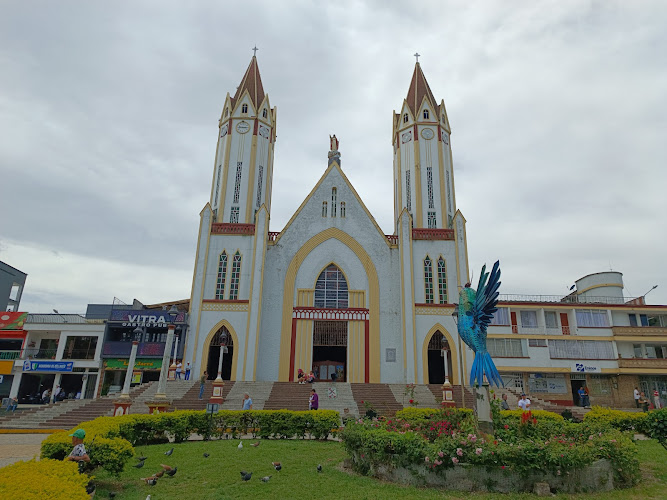
Our Lady of Victories Basilica

Araucarias Park
Find Accommodations Nearby
Recommended Tours & Activities
Visitor Reviews
There are no reviews yet. Be the first one to write one.
Share Your Experience
Have you visited Cascada El Tigre? Help other travelers by leaving a review.