

Casa Museo Negret y Museo Iberoamericano de Arte Moderno de Popayán
About Casa Museo Negret y Museo Iberoamericano de Arte Moderno de Popayán
Description
Casa Museo Negret y Museo Iberoamericano de Arte Moderno de Popayán is one of those places that quietly surprises you. It’s not just an art museum—it’s a story told in iron, color, and emotion. Housed in an elegant 18th-century colonial home, the museum honors the life and work of Edgar Negret, one of Colombia’s most celebrated sculptors. His abstract iron sculptures, with their bold geometric forms and industrial materials, fill the rooms with a sense of rhythm and movement. You can almost feel the pulse of modern art evolving as you walk through.
There’s something deeply personal about this space. Maybe it’s because it was once Negret’s own home, or maybe it’s the way the light filters through the old wooden windows, casting long shadows across his sculptures. Whatever it is, it feels like stepping into the artist’s mind. The adjoining Museo Iberoamericano de Arte Moderno complements Negret’s legacy beautifully, featuring works by artists from across Latin America and Spain—Picasso, Miró, and other giants of the modern era make appearances here too. It’s a dialogue between continents, between iron and paint, between past and present.
What I love most about this museum is that it doesn’t try too hard. It’s not flashy, and it doesn’t overwhelm you. Instead, it invites you to slow down, to look closely, to think. And that’s rare these days. Whether you’re an art lover or just someone curious about Colombian culture, this place leaves a mark. You walk out feeling a little more connected to the creative soul of Popayán—and maybe even inspired to make something yourself.
Key Features
- Historic Setting: Located in an 18th-century colonial house that once belonged to Edgar Negret, offering a blend of history and modern creativity.
- Negret’s Sculptures: A vast collection of the artist’s iconic iron and aluminum works, each reflecting his fascination with form, movement, and space.
- Ibero-American Art Collection: Features pieces by renowned artists from Spain and Latin America, connecting Colombian art to a broader cultural network.
- Wheelchair Accessible: The museum provides accessible entrances and restrooms, ensuring comfort for all visitors.
- Family-Friendly: Children are welcome, and the exhibits often spark curiosity and creativity in younger visitors.
- Peaceful Ambiance: The museum’s quiet courtyards and airy rooms create a contemplative atmosphere ideal for reflection.
- Educational Value: Offers insights into modern art movements, sculpture techniques, and the evolution of Ibero-American aesthetics.
And if you’re the kind of traveler who likes to dig deeper than the usual tourist stops, this museum rewards you. It’s not just about looking at art—it’s about feeling it, understanding it, and realizing how much of it comes from the heart of a city that has seen centuries of change.
Best Time to Visit
Popayán is known for its mild climate, which means you can visit the museum almost any time of year without worrying about the weather. That said, if you want to experience the city at its most alive, plan your visit during Holy Week. The city’s famous Semana Santa celebrations fill the streets with processions and music, and the museum becomes a quiet retreat just a few blocks away from all the excitement. It’s a nice balance—one moment you’re in the middle of centuries-old traditions, the next you’re surrounded by modern art that challenges those very traditions.
If crowds aren’t your thing, weekdays are perfect. Mid-morning visits are especially nice; the light in the galleries is soft, and you’ll often have entire rooms to yourself. I once visited on a Wednesday morning, and it felt like I had the whole house to explore. There’s something magical about standing alone in front of a Negret sculpture, hearing only your footsteps echoing on the old tiles.
How to Get There
Getting to the museum is fairly straightforward. Popayán’s historic center is compact, and most of its main attractions are within walking distance of each other. If you’re staying downtown, you can easily reach the museum on foot—it’s just a few minutes from the main plaza. For those coming from outside the city center, taxis and local buses are reliable and inexpensive. Drivers in Popayán are generally friendly and know the area well, so mentioning “Casa Museo Negret” is usually enough for them to get you there without fuss.
For travelers arriving from other parts of Colombia, the Popayán airport connects to major cities like Bogotá and Cali, and from there, it’s a short ride to the museum. I’d recommend walking through the old streets rather than rushing straight in—there’s something special about approaching the museum through the cobblestone lanes, passing whitewashed walls and balconies dripping with flowers. It sets the mood perfectly.
Tips for Visiting
Before visiting, it’s good to know that the museum doesn’t have a restaurant or café on-site, so grab a bite beforehand. There are plenty of charming cafés nearby where you can enjoy a cup of Colombian coffee and a pastry before or after your visit. Trust me, it’s worth making a little ritual out of it—art and coffee just go hand in hand.
Photography is usually allowed, but always check the signs or ask the staff first. They’re friendly and happy to help, but they do appreciate when visitors respect the artwork. And if you’re traveling with kids, don’t worry—they’ll likely enjoy it more than you expect. The bold shapes and colors of Negret’s sculptures tend to fascinate younger visitors, sparking questions and conversations that make the visit more interactive.
One thing I’d suggest is to take your time. Don’t just breeze through snapping photos. Stand in front of a piece, look at it from different angles, and let it sink in. Negret’s sculptures often reveal new details the longer you observe them. And if you’re lucky, you might catch a temporary exhibit in the Ibero-American section—those often feature contemporary artists who reinterpret the region’s artistic heritage in surprising ways.
Accessibility is another plus. The museum is equipped with wheelchair-friendly entrances and restrooms, which isn’t always the case in historical buildings. It’s a thoughtful touch that makes the space more inclusive. The staff, too, are approachable and knowledgeable; if you ask about Negret’s inspirations or techniques, they’ll often share stories that don’t appear on the display cards. I remember one guide telling me how Negret used to experiment with industrial materials in his courtyard, hammering and welding late into the night. That image has stuck with me ever since.
Lastly, give yourself time to wander around the neighborhood after your visit. Popayán’s historic center is full of hidden gems—artisan shops, small galleries, and quiet plazas where you can sit and reflect. The museum experience doesn’t end at its doors; it spills out into the city itself. You start noticing the geometry of the buildings, the play of light and shadow, the rhythm of daily life—and suddenly, it all feels like part of the same art form.
Casa Museo Negret y Museo Iberoamericano de Arte Moderno de Popayán isn’t just a stop on an itinerary—it’s a conversation between history and innovation, between the artist and the viewer. It’s the kind of place that stays with you, quietly reshaping the way you see art, space, and maybe even yourself. And honestly, that’s the best kind of travel experience there is.
Key Features
- Key Features
- Best Time to Visit
- How to Get There
- Tips for Visiting
More Details
Updated November 9, 2025
Table of Contents
- Description
- Key Features
- Best Time to Visit
- How to Get There
- Tips for Visiting
- Key Highlights
- Location
- Places to Stay Near Casa Museo Negret y Museo Iberoamericano de Arte Moderno de Popayán
- Find and Book a Tour
- Explore More Travel Guides
- Nearby Places You Might Like
- Traveler Reviews for Casa Museo Negret y Museo Iberoamericano de Arte Moderno de Popayán
- Share Your Experience
Description
Casa Museo Negret y Museo Iberoamericano de Arte Moderno de Popayán is one of those places that quietly surprises you. It’s not just an art museum—it’s a story told in iron, color, and emotion. Housed in an elegant 18th-century colonial home, the museum honors the life and work of Edgar Negret, one of Colombia’s most celebrated sculptors. His abstract iron sculptures, with their bold geometric forms and industrial materials, fill the rooms with a sense of rhythm and movement. You can almost feel the pulse of modern art evolving as you walk through.
There’s something deeply personal about this space. Maybe it’s because it was once Negret’s own home, or maybe it’s the way the light filters through the old wooden windows, casting long shadows across his sculptures. Whatever it is, it feels like stepping into the artist’s mind. The adjoining Museo Iberoamericano de Arte Moderno complements Negret’s legacy beautifully, featuring works by artists from across Latin America and Spain—Picasso, Miró, and other giants of the modern era make appearances here too. It’s a dialogue between continents, between iron and paint, between past and present.
What I love most about this museum is that it doesn’t try too hard. It’s not flashy, and it doesn’t overwhelm you. Instead, it invites you to slow down, to look closely, to think. And that’s rare these days. Whether you’re an art lover or just someone curious about Colombian culture, this place leaves a mark. You walk out feeling a little more connected to the creative soul of Popayán—and maybe even inspired to make something yourself.
Key Features
- Historic Setting: Located in an 18th-century colonial house that once belonged to Edgar Negret, offering a blend of history and modern creativity.
- Negret’s Sculptures: A vast collection of the artist’s iconic iron and aluminum works, each reflecting his fascination with form, movement, and space.
- Ibero-American Art Collection: Features pieces by renowned artists from Spain and Latin America, connecting Colombian art to a broader cultural network.
- Wheelchair Accessible: The museum provides accessible entrances and restrooms, ensuring comfort for all visitors.
- Family-Friendly: Children are welcome, and the exhibits often spark curiosity and creativity in younger visitors.
- Peaceful Ambiance: The museum’s quiet courtyards and airy rooms create a contemplative atmosphere ideal for reflection.
- Educational Value: Offers insights into modern art movements, sculpture techniques, and the evolution of Ibero-American aesthetics.
And if you’re the kind of traveler who likes to dig deeper than the usual tourist stops, this museum rewards you. It’s not just about looking at art—it’s about feeling it, understanding it, and realizing how much of it comes from the heart of a city that has seen centuries of change.
Best Time to Visit
Popayán is known for its mild climate, which means you can visit the museum almost any time of year without worrying about the weather. That said, if you want to experience the city at its most alive, plan your visit during Holy Week. The city’s famous Semana Santa celebrations fill the streets with processions and music, and the museum becomes a quiet retreat just a few blocks away from all the excitement. It’s a nice balance—one moment you’re in the middle of centuries-old traditions, the next you’re surrounded by modern art that challenges those very traditions.
If crowds aren’t your thing, weekdays are perfect. Mid-morning visits are especially nice; the light in the galleries is soft, and you’ll often have entire rooms to yourself. I once visited on a Wednesday morning, and it felt like I had the whole house to explore. There’s something magical about standing alone in front of a Negret sculpture, hearing only your footsteps echoing on the old tiles.
How to Get There
Getting to the museum is fairly straightforward. Popayán’s historic center is compact, and most of its main attractions are within walking distance of each other. If you’re staying downtown, you can easily reach the museum on foot—it’s just a few minutes from the main plaza. For those coming from outside the city center, taxis and local buses are reliable and inexpensive. Drivers in Popayán are generally friendly and know the area well, so mentioning “Casa Museo Negret” is usually enough for them to get you there without fuss.
For travelers arriving from other parts of Colombia, the Popayán airport connects to major cities like Bogotá and Cali, and from there, it’s a short ride to the museum. I’d recommend walking through the old streets rather than rushing straight in—there’s something special about approaching the museum through the cobblestone lanes, passing whitewashed walls and balconies dripping with flowers. It sets the mood perfectly.
Tips for Visiting
Before visiting, it’s good to know that the museum doesn’t have a restaurant or café on-site, so grab a bite beforehand. There are plenty of charming cafés nearby where you can enjoy a cup of Colombian coffee and a pastry before or after your visit. Trust me, it’s worth making a little ritual out of it—art and coffee just go hand in hand.
Photography is usually allowed, but always check the signs or ask the staff first. They’re friendly and happy to help, but they do appreciate when visitors respect the artwork. And if you’re traveling with kids, don’t worry—they’ll likely enjoy it more than you expect. The bold shapes and colors of Negret’s sculptures tend to fascinate younger visitors, sparking questions and conversations that make the visit more interactive.
One thing I’d suggest is to take your time. Don’t just breeze through snapping photos. Stand in front of a piece, look at it from different angles, and let it sink in. Negret’s sculptures often reveal new details the longer you observe them. And if you’re lucky, you might catch a temporary exhibit in the Ibero-American section—those often feature contemporary artists who reinterpret the region’s artistic heritage in surprising ways.
Accessibility is another plus. The museum is equipped with wheelchair-friendly entrances and restrooms, which isn’t always the case in historical buildings. It’s a thoughtful touch that makes the space more inclusive. The staff, too, are approachable and knowledgeable; if you ask about Negret’s inspirations or techniques, they’ll often share stories that don’t appear on the display cards. I remember one guide telling me how Negret used to experiment with industrial materials in his courtyard, hammering and welding late into the night. That image has stuck with me ever since.
Lastly, give yourself time to wander around the neighborhood after your visit. Popayán’s historic center is full of hidden gems—artisan shops, small galleries, and quiet plazas where you can sit and reflect. The museum experience doesn’t end at its doors; it spills out into the city itself. You start noticing the geometry of the buildings, the play of light and shadow, the rhythm of daily life—and suddenly, it all feels like part of the same art form.
Casa Museo Negret y Museo Iberoamericano de Arte Moderno de Popayán isn’t just a stop on an itinerary—it’s a conversation between history and innovation, between the artist and the viewer. It’s the kind of place that stays with you, quietly reshaping the way you see art, space, and maybe even yourself. And honestly, that’s the best kind of travel experience there is.
Key Highlights
- Key Features
- Best Time to Visit
- How to Get There
- Tips for Visiting
Location
Places to Stay Near Casa Museo Negret y Museo Iberoamericano de Arte Moderno de Popayán
Find and Book a Tour
Explore More Travel Guides
No reviews found! Be the first to review!
Traveler Reviews for Casa Museo Negret y Museo Iberoamericano de Arte Moderno de Popayán
There are no reviews yet. Be the first one to write one.
Have you visited Casa Museo Negret y Museo Iberoamericano de Arte Moderno de Popayán? Help other travelers by sharing your review.
You Might Also Like
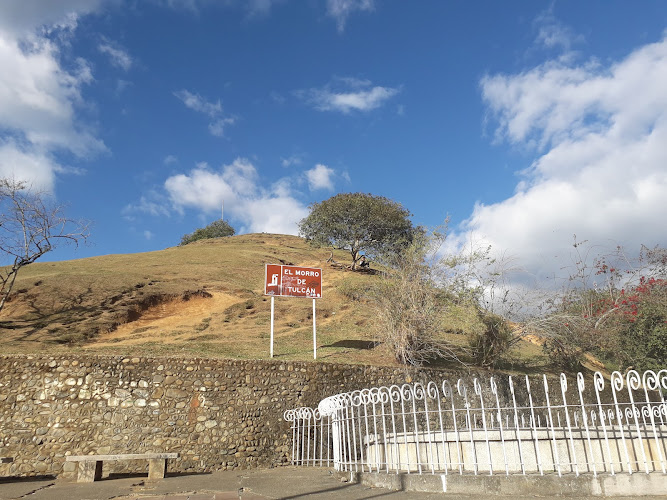
El Morro de Tulcán
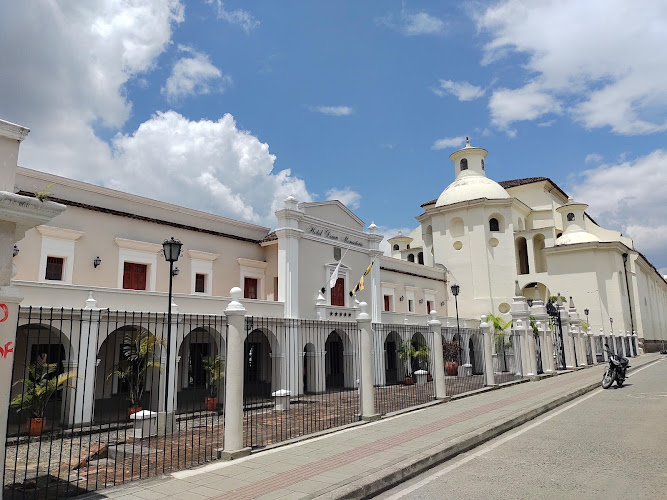
Popayán

Zona WiFi Gratis Pueblito Patojo
Find Accommodations Nearby
Recommended Tours & Activities
Visitor Reviews
There are no reviews yet. Be the first one to write one.
Share Your Experience
Have you visited Casa Museo Negret y Museo Iberoamericano de Arte Moderno de Popayán? Help other travelers by leaving a review.