
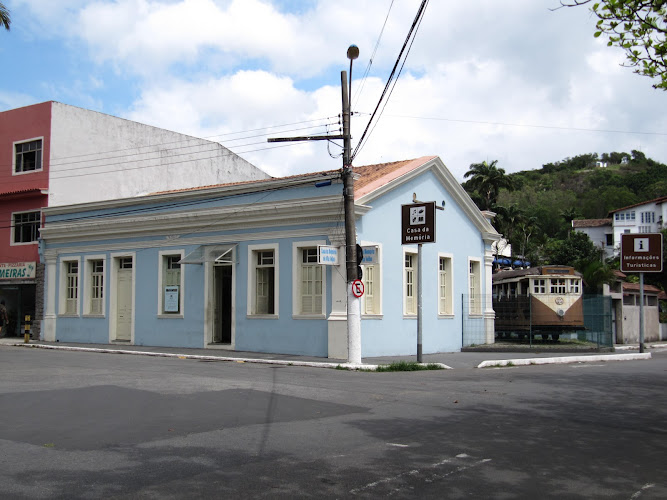
Casa da Memória de Vila Velha
About Casa da Memória de Vila Velha
Description
Casa da Memória de Vila Velha stands as one of those museums that genuinely surprises you - and I say this having visited my fair share of local history museums that sometimes fall flat. This place manages to capture the essence of Vila Velha's past without being dry or overly academic about it. The museum dedicates itself to preserving and sharing the cultural heritage of one of Brazil's oldest cities, and honestly, they've done a pretty impressive job of making history accessible to everyone who walks through those doors. What strikes most visitors first is how the museum approaches storytelling. Rather than just displaying artifacts behind glass with little context, Casa da Memória creates narratives that connect you to the people who lived here centuries ago. You'll find yourself learning about the indigenous populations who first called this area home, the Portuguese colonizers who arrived in the 1500s, and the various cultural groups that shaped Vila Velha into what it is today. The exhibitions rotate periodically, which means even locals find reasons to return multiple times throughout the year. The building itself carries significance, though I won't bore you with excessive architectural details. What matters is that stepping inside feels like entering a time capsule where different eras of Vila Velha's history coexist. Photography enthusiasts will appreciate that the museum welcomes cameras - a policy not all cultural institutions embrace these days. The lighting in many exhibition rooms is designed with photographers in mind, allowing you to capture memories without harsh reflections or shadows ruining your shots. For travelers trying to understand the broader context of Brazilian coastal history, this museum provides essential background. Vila Velha played a crucial role in early colonial Brazil, and understanding this history enriches your entire visit to the Espírito Santo region. But the museum doesn't just focus on colonial times - it brings the story forward through industrialization, modernization, and into contemporary life.Key Features
The Casa da Memória de Vila Velha offers several distinctive elements that make it worth adding to your travel itinerary:- Complete wheelchair accessibility including entrance ramps and parking facilities, making it genuinely inclusive for visitors with mobility challenges
- Rotating exhibitions that showcase different aspects of local history, from maritime heritage to urban development and cultural traditions
- Photography-friendly environment where you're encouraged to document your visit and share Vila Velha's story with others
- Clean, well-maintained restroom facilities - something you'll appreciate after exploring the city in Brazil's coastal heat
- Educational programs designed for various age groups, though you'll need to check their schedule if you're traveling with school-age children
- Multilingual information in key exhibition areas, though Portuguese remains the primary language throughout most displays
- Climate-controlled interior that provides welcome relief from the tropical weather outside
- Welcoming atmosphere for all visitors regardless of background, with staff trained in inclusive hospitality practices
- Free or low-cost admission depending on when you visit, making it budget-friendly for travelers watching their expenses
- Collections that include photographs, documents, household items, and maritime artifacts telling Vila Velha's multifaceted story
Best Time to Visit
Timing your visit to Casa da Memória requires considering both the museum's schedule and Vila Velha's climate patterns. The museum typically sees lighter crowds during weekday mornings, especially Tuesday through Thursday. If you're someone who likes absorbing information without jostling for position in front of displays, aim for these quieter periods. Weekend afternoons tend to attract local families, which creates a different energy entirely. There's something special about experiencing a museum alongside residents who have personal connections to the history being presented. You might overhear stories or conversations that add layers of meaning to what you're seeing. But if crowds stress you out, weekends probably aren't your best bet. Weather-wise, Vila Velha experiences tropical conditions year-round, but the period from April to September brings slightly cooler temperatures and less rainfall. These months make exploring the city more comfortable overall, and you'll likely appreciate starting your day at the air-conditioned museum before venturing to outdoor attractions. The summer months from December to March get quite humid and hot - perfect weather for indoor cultural activities during the midday heat. Consider planning your visit around any special exhibitions or events the museum might be hosting. These temporary displays often showcase private collections or focus on specific aspects of local history that regular exhibitions don't cover. Check ahead if possible, though spontaneous visits work perfectly fine too. I'd personally recommend allocating at least two hours for a thorough visit. Some travelers zip through in 45 minutes, but they're missing out on the detailed stories and smaller artifacts that really bring the place to life. And honestly? Rushing through a history museum defeats the purpose entirely.How to Get There
Getting to Casa da Memória de Vila Velha is relatively straightforward, though like many Brazilian cities, Vila Velha's traffic can be unpredictable. The museum sits in an accessible area of the city, and multiple transportation options work depending on your preferences and budget. If you're driving or using a ride-sharing service like Uber or 99, you'll find dedicated parking facilities including accessible spaces for visitors with disabilities. The parking situation here is notably better than at many tourist attractions in the region. Just be aware that Brazilian drivers have their own unique style, so if you're not accustomed to it, ride-sharing might save you some stress. Public transportation reaches the museum area through several bus routes. The local bus system in Vila Velha functions reasonably well, though schedules can be approximate rather than exact. Ask your hotel or accommodation host which specific routes serve the museum - locals always have the most current information about which buses actually run on time. Many travelers staying in Vitória (the capital city across the bay) choose to visit Vila Velha as a day trip. The distance isn't far, but you'll need to cross the Third Bridge or another connecting route. Factor in extra time if you're traveling during rush hours, which in Vila Velha means roughly 7-9 AM and 5-7 PM on weekdays. Walking to the museum works if you're staying in central Vila Velha, though Brazilian coastal cities can be quite spread out. The pedestrian infrastructure varies by neighborhood, so evaluate your specific route before committing to a long walk in the heat. Taxis remain common throughout the city, and most drivers know the museum's location. Just make sure the meter is running or agree on a price before departing - standard practice in Brazil that prevents misunderstandings.Tips for Visiting
After considering what makes visits to Casa da Memória most rewarding, here are some practical suggestions that'll enhance your experience. First off, bring water. Even though the museum has climate control, you'll likely be walking around Vila Velha before or after, and staying hydrated in coastal Brazil is non-negotiable. The museum welcomes photography, so don't leave your camera behind. But here's something I learned from experience - bring a small notebook too. Sometimes writing down a quick thought or historical detail helps you remember context better than photos alone. Plus, not every display photographs well, and you'll kick yourself later if you can't remember that fascinating fact about colonial trade routes. Dress comfortably but respectfully. While this isn't a formal venue requiring fancy clothes, shorts and t-shirts work fine. Just avoid beach attire - remember you're in a cultural institution, not on the sand. Comfortable walking shoes are essential since you'll be on your feet exploring exhibits. If you're traveling with kids, the museum genuinely caters to families. However, keeping young children engaged in historical content requires some creativity on your part. Maybe turn it into a scavenger hunt or ask them to find specific items in displays. The staff appreciates when parents help maintain the quiet atmosphere that allows everyone to enjoy their visit. Take advantage of the restroom facilities before leaving - they're clean and available, which isn't always guaranteed at your next destination in Vila Velha. This practical tip has saved me from uncomfortable situations more times than I'd like to admit. Consider visiting the museum early in your Vila Velha trip rather than as an afterthought. The historical context you'll gain helps you appreciate other sites around the city much more. Understanding how Vila Velha developed makes visiting its churches, beaches, and neighborhoods significantly richer. Don't hesitate to engage with staff members if you have questions. Many speak at least some English, and they're genuinely enthusiastic about sharing their city's history. I've found that museum workers at local institutions like this one often provide insights you won't find in any guidebook. Budget about 100-200 Brazilian reais for incidental expenses if you're visiting the surrounding area too. While the museum itself is affordable, you might want to grab food or visit nearby attractions afterward. Speaking of which, there's no restaurant on site, so plan your meal times accordingly. Finally, approach your visit with an open mind and genuine curiosity. Casa da Memória isn't the Louvre or the Smithsonian - it's a local history museum that serves its community while welcoming travelers. The stories it tells matter deeply to understanding Brazilian coastal culture, even if the presentation style might be different from what you're used to. And really, isn't that exactly what travel should be about? Experiencing how different places preserve and share their unique histories?Key Features
- Late-19th-century house (built 1893) restored and preserved
- Permanent collection of historic photographs documenting Prainha and Vila Velha
- Local artifacts, newspapers and documents relating to civic and maritime life
- Community-driven exhibits and volunteer-led historical projects
- Central location facing Praça Tamandaré in the historic Prainha district
More Details
Updated January 18, 2026
Table of Contents
Description
Casa da Memória de Vila Velha stands as one of those museums that genuinely surprises you – and I say this having visited my fair share of local history museums that sometimes fall flat. This place manages to capture the essence of Vila Velha’s past without being dry or overly academic about it. The museum dedicates itself to preserving and sharing the cultural heritage of one of Brazil’s oldest cities, and honestly, they’ve done a pretty impressive job of making history accessible to everyone who walks through those doors.
What strikes most visitors first is how the museum approaches storytelling. Rather than just displaying artifacts behind glass with little context, Casa da Memória creates narratives that connect you to the people who lived here centuries ago. You’ll find yourself learning about the indigenous populations who first called this area home, the Portuguese colonizers who arrived in the 1500s, and the various cultural groups that shaped Vila Velha into what it is today. The exhibitions rotate periodically, which means even locals find reasons to return multiple times throughout the year.
The building itself carries significance, though I won’t bore you with excessive architectural details. What matters is that stepping inside feels like entering a time capsule where different eras of Vila Velha’s history coexist. Photography enthusiasts will appreciate that the museum welcomes cameras – a policy not all cultural institutions embrace these days. The lighting in many exhibition rooms is designed with photographers in mind, allowing you to capture memories without harsh reflections or shadows ruining your shots.
For travelers trying to understand the broader context of Brazilian coastal history, this museum provides essential background. Vila Velha played a crucial role in early colonial Brazil, and understanding this history enriches your entire visit to the Espírito Santo region. But the museum doesn’t just focus on colonial times – it brings the story forward through industrialization, modernization, and into contemporary life.
Key Features
The Casa da Memória de Vila Velha offers several distinctive elements that make it worth adding to your travel itinerary:
- Complete wheelchair accessibility including entrance ramps and parking facilities, making it genuinely inclusive for visitors with mobility challenges
- Rotating exhibitions that showcase different aspects of local history, from maritime heritage to urban development and cultural traditions
- Photography-friendly environment where you’re encouraged to document your visit and share Vila Velha’s story with others
- Clean, well-maintained restroom facilities – something you’ll appreciate after exploring the city in Brazil’s coastal heat
- Educational programs designed for various age groups, though you’ll need to check their schedule if you’re traveling with school-age children
- Multilingual information in key exhibition areas, though Portuguese remains the primary language throughout most displays
- Climate-controlled interior that provides welcome relief from the tropical weather outside
- Welcoming atmosphere for all visitors regardless of background, with staff trained in inclusive hospitality practices
- Free or low-cost admission depending on when you visit, making it budget-friendly for travelers watching their expenses
- Collections that include photographs, documents, household items, and maritime artifacts telling Vila Velha’s multifaceted story
Best Time to Visit
Timing your visit to Casa da Memória requires considering both the museum’s schedule and Vila Velha’s climate patterns. The museum typically sees lighter crowds during weekday mornings, especially Tuesday through Thursday. If you’re someone who likes absorbing information without jostling for position in front of displays, aim for these quieter periods.
Weekend afternoons tend to attract local families, which creates a different energy entirely. There’s something special about experiencing a museum alongside residents who have personal connections to the history being presented. You might overhear stories or conversations that add layers of meaning to what you’re seeing. But if crowds stress you out, weekends probably aren’t your best bet.
Weather-wise, Vila Velha experiences tropical conditions year-round, but the period from April to September brings slightly cooler temperatures and less rainfall. These months make exploring the city more comfortable overall, and you’ll likely appreciate starting your day at the air-conditioned museum before venturing to outdoor attractions. The summer months from December to March get quite humid and hot – perfect weather for indoor cultural activities during the midday heat.
Consider planning your visit around any special exhibitions or events the museum might be hosting. These temporary displays often showcase private collections or focus on specific aspects of local history that regular exhibitions don’t cover. Check ahead if possible, though spontaneous visits work perfectly fine too.
I’d personally recommend allocating at least two hours for a thorough visit. Some travelers zip through in 45 minutes, but they’re missing out on the detailed stories and smaller artifacts that really bring the place to life. And honestly? Rushing through a history museum defeats the purpose entirely.
How to Get There
Getting to Casa da Memória de Vila Velha is relatively straightforward, though like many Brazilian cities, Vila Velha’s traffic can be unpredictable. The museum sits in an accessible area of the city, and multiple transportation options work depending on your preferences and budget.
If you’re driving or using a ride-sharing service like Uber or 99, you’ll find dedicated parking facilities including accessible spaces for visitors with disabilities. The parking situation here is notably better than at many tourist attractions in the region. Just be aware that Brazilian drivers have their own unique style, so if you’re not accustomed to it, ride-sharing might save you some stress.
Public transportation reaches the museum area through several bus routes. The local bus system in Vila Velha functions reasonably well, though schedules can be approximate rather than exact. Ask your hotel or accommodation host which specific routes serve the museum – locals always have the most current information about which buses actually run on time.
Many travelers staying in Vitória (the capital city across the bay) choose to visit Vila Velha as a day trip. The distance isn’t far, but you’ll need to cross the Third Bridge or another connecting route. Factor in extra time if you’re traveling during rush hours, which in Vila Velha means roughly 7-9 AM and 5-7 PM on weekdays.
Walking to the museum works if you’re staying in central Vila Velha, though Brazilian coastal cities can be quite spread out. The pedestrian infrastructure varies by neighborhood, so evaluate your specific route before committing to a long walk in the heat.
Taxis remain common throughout the city, and most drivers know the museum’s location. Just make sure the meter is running or agree on a price before departing – standard practice in Brazil that prevents misunderstandings.
Tips for Visiting
After considering what makes visits to Casa da Memória most rewarding, here are some practical suggestions that’ll enhance your experience. First off, bring water. Even though the museum has climate control, you’ll likely be walking around Vila Velha before or after, and staying hydrated in coastal Brazil is non-negotiable.
The museum welcomes photography, so don’t leave your camera behind. But here’s something I learned from experience – bring a small notebook too. Sometimes writing down a quick thought or historical detail helps you remember context better than photos alone. Plus, not every display photographs well, and you’ll kick yourself later if you can’t remember that fascinating fact about colonial trade routes.
Dress comfortably but respectfully. While this isn’t a formal venue requiring fancy clothes, shorts and t-shirts work fine. Just avoid beach attire – remember you’re in a cultural institution, not on the sand. Comfortable walking shoes are essential since you’ll be on your feet exploring exhibits.
If you’re traveling with kids, the museum genuinely caters to families. However, keeping young children engaged in historical content requires some creativity on your part. Maybe turn it into a scavenger hunt or ask them to find specific items in displays. The staff appreciates when parents help maintain the quiet atmosphere that allows everyone to enjoy their visit.
Take advantage of the restroom facilities before leaving – they’re clean and available, which isn’t always guaranteed at your next destination in Vila Velha. This practical tip has saved me from uncomfortable situations more times than I’d like to admit.
Consider visiting the museum early in your Vila Velha trip rather than as an afterthought. The historical context you’ll gain helps you appreciate other sites around the city much more. Understanding how Vila Velha developed makes visiting its churches, beaches, and neighborhoods significantly richer.
Don’t hesitate to engage with staff members if you have questions. Many speak at least some English, and they’re genuinely enthusiastic about sharing their city’s history. I’ve found that museum workers at local institutions like this one often provide insights you won’t find in any guidebook.
Budget about 100-200 Brazilian reais for incidental expenses if you’re visiting the surrounding area too. While the museum itself is affordable, you might want to grab food or visit nearby attractions afterward. Speaking of which, there’s no restaurant on site, so plan your meal times accordingly.
Finally, approach your visit with an open mind and genuine curiosity. Casa da Memória isn’t the Louvre or the Smithsonian – it’s a local history museum that serves its community while welcoming travelers. The stories it tells matter deeply to understanding Brazilian coastal culture, even if the presentation style might be different from what you’re used to. And really, isn’t that exactly what travel should be about? Experiencing how different places preserve and share their unique histories?
Key Highlights
- Late-19th-century house (built 1893) restored and preserved
- Permanent collection of historic photographs documenting Prainha and Vila Velha
- Local artifacts, newspapers and documents relating to civic and maritime life
- Community-driven exhibits and volunteer-led historical projects
- Central location facing Praça Tamandaré in the historic Prainha district
Location
Places to Stay Near Casa da Memória de Vila Velha
Find and Book a Tour
Explore More Travel Guides
No reviews found! Be the first to review!
Traveler Reviews for Casa da Memória de Vila Velha
There are no reviews yet. Be the first one to write one.
Have you visited Casa da Memória de Vila Velha? Help other travelers by sharing your review.
Nearby Attractions
You Might Also Like

Fazenda Rico Caipira
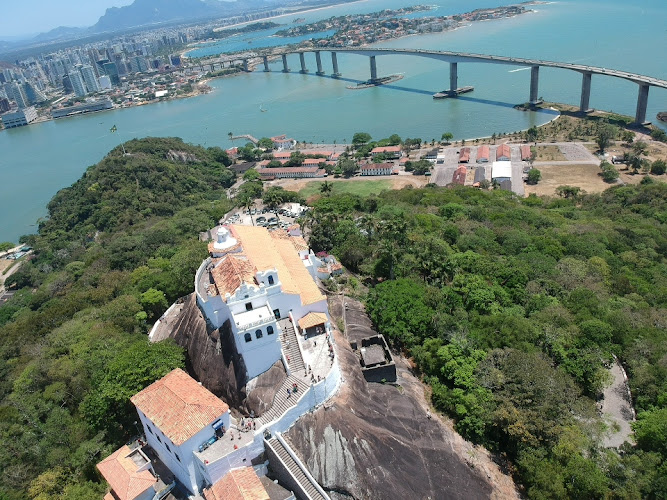
Convento da Penha

Pedra da Sereia
Find Accommodations Nearby
Recommended Tours & Activities
Visitor Reviews
There are no reviews yet. Be the first one to write one.
Share Your Experience
Have you visited Casa da Memória de Vila Velha? Help other travelers by leaving a review.