
Casa Barbot: Casa da Cultura de Gaia
About Casa Barbot: Casa da Cultura de Gaia
Description
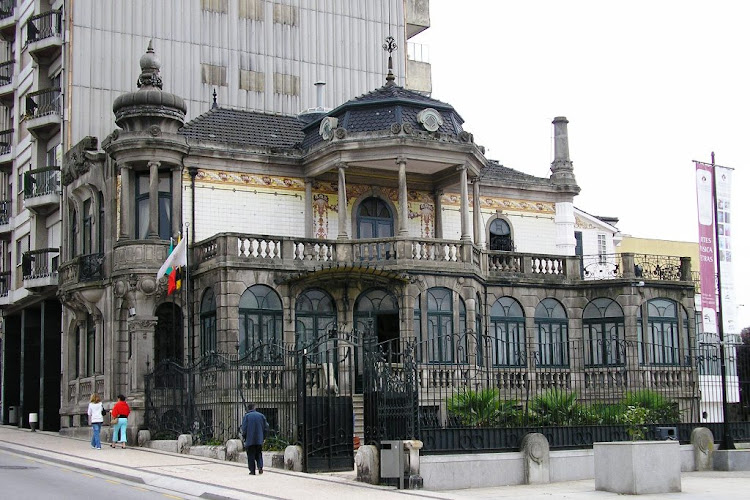
Casa Barbot, also known as Casa da Cultura de Gaia, is one of those places that quietly steals your attention before you even realize it. The building itself is a striking piece of early 20th-century architecture, a proud example of the Art Nouveau movement in Portugal. It’s the kind of place you walk by, stop mid-step, and think, “Wait, what is this beautiful house doing here?” The ornate details on the façade, the delicate curves of the ironwork, and the intricate tile patterns all whisper stories from another time. You can almost imagine the Barbot family moving through the halls, hosting gatherings, and watching the world outside change through those elegant stained-glass windows.
Today, Casa Barbot serves as the Casa da Cultura de Gaia — a cultural hub where art, history, and community come together. It’s not a massive museum or a flashy tourist magnet, and that’s part of its charm. Instead, it offers a quieter, more intimate experience. You’ll find exhibitions, workshops, and local events that celebrate creativity in all its forms. There’s something deeply personal about walking through a space that has seen over a century of life yet still feels alive and relevant. The restored interiors maintain that old-world grace, while the rotating cultural programs bring a fresh energy that keeps people coming back.
Of course, it’s not perfect — some might say it’s a bit overshadowed by the more famous attractions in nearby Porto. And sure, a few corners could use a little more love and maintenance. But that’s also part of what makes it real. It’s a living piece of history, not a polished museum piece behind glass. When you visit, you’re not just looking at architecture; you’re stepping into a story that’s still being written.
Key Features
- Art Nouveau Architecture: Casa Barbot stands as one of the finest examples of early 20th-century Art Nouveau design in Vila Nova de Gaia, with decorative motifs in stucco, glass, and tile that reflect the artistic trends of the era.
- Cultural Exhibitions: The building regularly hosts art exhibitions, photography displays, and local craft showcases that highlight both emerging and established Portuguese artists.
- Community Events: From intimate concerts to poetry readings and workshops, Casa Barbot serves as a meeting point for creative minds.
- Historical Significance: Once a private residence of the Barbot family, the house tells a story of affluence, artistic taste, and the evolution of Gaia’s cultural identity.
- Restoration Efforts: Ongoing preservation projects aim to protect the building’s original features while adapting it for modern cultural use.
- Peaceful Gardens: The surrounding gardens offer a calm escape, perfect for a short walk or a quiet moment before exploring more of Gaia.
Best Time to Visit
If you ask locals, they’ll tell you that Casa Barbot is lovely any time of year — but there’s something magical about visiting in late spring or early autumn. The light hits the façade just right, and the gardens are in full color. During the Christmas season, the exterior is often decorated with subtle festive touches, which gives the place a warm, nostalgic glow that feels straight out of an old postcard.
Summer can be busier, especially when cultural events are in full swing, but that’s also when you’ll catch some of the best exhibitions and performances. Personally, I like visiting on a weekday afternoon when it’s quieter. You can take your time wandering through the rooms, admiring the craftsmanship, and maybe even chatting with a local artist or curator. It’s one of those places where slowing down actually makes the experience richer.
How to Get There
Casa Barbot is located right in the heart of Vila Nova de Gaia, just across the river from Porto. If you’re already exploring the famous port wine cellars nearby, it’s an easy detour — just a short walk or a quick metro ride away. The area is well-connected by public transport, and you can hop off at one of the main metro stations and stroll through the lively avenue that leads to the building.
For those who prefer driving, there’s usually parking available in the surrounding streets, though it can get a bit tight during busy times. Honestly, walking is the best way to experience this part of Gaia. You’ll pass charming cafés, small shops, and maybe even catch a glimpse of locals going about their day — it’s the kind of slow travel moment that makes a trip memorable.
Tips for Visiting
Here’s the thing about Casa Barbot: it’s not the kind of place you rush through. Take your time. Let your eyes wander over the details — the carved wood, the stained glass, the patterned tiles that seem to tell their own stories. Bring a camera if you like architecture; every angle offers a new perspective.
If you’re into art, check ahead to see what exhibitions are on. The schedule changes often, and you might stumble upon something unexpected — a local artist’s debut, a photography exhibit about Gaia’s history, or even a small concert in one of the rooms. And if you’re traveling with kids, the cultural center sometimes hosts family-friendly workshops, which can be a fun way to spend an afternoon away from the crowds.
A small but important tip: wear comfortable shoes. The area around Casa Barbot is best explored on foot, and some of the streets can be a bit uneven. Also, don’t be shy about chatting with the staff — they’re passionate about the place and often have great stories or recommendations for other hidden gems nearby.
And one more thing — if you love photography, visit just before sunset. The golden light makes the building’s façade glow, and you’ll get some truly stunning shots without needing any fancy filters. I once spent nearly an hour just watching the shadows move across the tiles, and it was oddly peaceful. Sometimes, those quiet moments end up being the highlight of a trip.
Casa Barbot: Casa da Cultura de Gaia isn’t just another museum — it’s a living, breathing piece of local heritage. Whether you’re an architecture buff, an art lover, or just someone who appreciates places with soul, this spot has a way of staying with you. It’s not loud or showy, but it feels authentic, grounded, and full of character — much like the city it calls home.
Key Features
- Key Features
- Best Time to Visit
- How to Get There
- Tips for Visiting
More Details
Updated November 10, 2025
Table of Contents
- Description
- Key Features
- Best Time to Visit
- How to Get There
- Tips for Visiting
- Key Highlights
- Location
- Places to Stay Near Casa Barbot: Casa da Cultura de Gaia
- Find and Book a Tour
- Explore More Travel Guides
- Nearby Places You Might Like
- Traveler Reviews for Casa Barbot: Casa da Cultura de Gaia
- Share Your Experience
Description
Casa Barbot, also known as Casa da Cultura de Gaia, is one of those places that quietly steals your attention before you even realize it. The building itself is a striking piece of early 20th-century architecture, a proud example of the Art Nouveau movement in Portugal. It’s the kind of place you walk by, stop mid-step, and think, “Wait, what is this beautiful house doing here?” The ornate details on the façade, the delicate curves of the ironwork, and the intricate tile patterns all whisper stories from another time. You can almost imagine the Barbot family moving through the halls, hosting gatherings, and watching the world outside change through those elegant stained-glass windows.
Today, Casa Barbot serves as the Casa da Cultura de Gaia — a cultural hub where art, history, and community come together. It’s not a massive museum or a flashy tourist magnet, and that’s part of its charm. Instead, it offers a quieter, more intimate experience. You’ll find exhibitions, workshops, and local events that celebrate creativity in all its forms. There’s something deeply personal about walking through a space that has seen over a century of life yet still feels alive and relevant. The restored interiors maintain that old-world grace, while the rotating cultural programs bring a fresh energy that keeps people coming back.
Of course, it’s not perfect — some might say it’s a bit overshadowed by the more famous attractions in nearby Porto. And sure, a few corners could use a little more love and maintenance. But that’s also part of what makes it real. It’s a living piece of history, not a polished museum piece behind glass. When you visit, you’re not just looking at architecture; you’re stepping into a story that’s still being written.
Key Features
- Art Nouveau Architecture: Casa Barbot stands as one of the finest examples of early 20th-century Art Nouveau design in Vila Nova de Gaia, with decorative motifs in stucco, glass, and tile that reflect the artistic trends of the era.
- Cultural Exhibitions: The building regularly hosts art exhibitions, photography displays, and local craft showcases that highlight both emerging and established Portuguese artists.
- Community Events: From intimate concerts to poetry readings and workshops, Casa Barbot serves as a meeting point for creative minds.
- Historical Significance: Once a private residence of the Barbot family, the house tells a story of affluence, artistic taste, and the evolution of Gaia’s cultural identity.
- Restoration Efforts: Ongoing preservation projects aim to protect the building’s original features while adapting it for modern cultural use.
- Peaceful Gardens: The surrounding gardens offer a calm escape, perfect for a short walk or a quiet moment before exploring more of Gaia.
Best Time to Visit
If you ask locals, they’ll tell you that Casa Barbot is lovely any time of year — but there’s something magical about visiting in late spring or early autumn. The light hits the façade just right, and the gardens are in full color. During the Christmas season, the exterior is often decorated with subtle festive touches, which gives the place a warm, nostalgic glow that feels straight out of an old postcard.
Summer can be busier, especially when cultural events are in full swing, but that’s also when you’ll catch some of the best exhibitions and performances. Personally, I like visiting on a weekday afternoon when it’s quieter. You can take your time wandering through the rooms, admiring the craftsmanship, and maybe even chatting with a local artist or curator. It’s one of those places where slowing down actually makes the experience richer.
How to Get There
Casa Barbot is located right in the heart of Vila Nova de Gaia, just across the river from Porto. If you’re already exploring the famous port wine cellars nearby, it’s an easy detour — just a short walk or a quick metro ride away. The area is well-connected by public transport, and you can hop off at one of the main metro stations and stroll through the lively avenue that leads to the building.
For those who prefer driving, there’s usually parking available in the surrounding streets, though it can get a bit tight during busy times. Honestly, walking is the best way to experience this part of Gaia. You’ll pass charming cafés, small shops, and maybe even catch a glimpse of locals going about their day — it’s the kind of slow travel moment that makes a trip memorable.
Tips for Visiting
Here’s the thing about Casa Barbot: it’s not the kind of place you rush through. Take your time. Let your eyes wander over the details — the carved wood, the stained glass, the patterned tiles that seem to tell their own stories. Bring a camera if you like architecture; every angle offers a new perspective.
If you’re into art, check ahead to see what exhibitions are on. The schedule changes often, and you might stumble upon something unexpected — a local artist’s debut, a photography exhibit about Gaia’s history, or even a small concert in one of the rooms. And if you’re traveling with kids, the cultural center sometimes hosts family-friendly workshops, which can be a fun way to spend an afternoon away from the crowds.
A small but important tip: wear comfortable shoes. The area around Casa Barbot is best explored on foot, and some of the streets can be a bit uneven. Also, don’t be shy about chatting with the staff — they’re passionate about the place and often have great stories or recommendations for other hidden gems nearby.
And one more thing — if you love photography, visit just before sunset. The golden light makes the building’s façade glow, and you’ll get some truly stunning shots without needing any fancy filters. I once spent nearly an hour just watching the shadows move across the tiles, and it was oddly peaceful. Sometimes, those quiet moments end up being the highlight of a trip.
Casa Barbot: Casa da Cultura de Gaia isn’t just another museum — it’s a living, breathing piece of local heritage. Whether you’re an architecture buff, an art lover, or just someone who appreciates places with soul, this spot has a way of staying with you. It’s not loud or showy, but it feels authentic, grounded, and full of character — much like the city it calls home.
Key Highlights
- Key Features
- Best Time to Visit
- How to Get There
- Tips for Visiting
Location
Places to Stay Near Casa Barbot: Casa da Cultura de Gaia
Find and Book a Tour
Explore More Travel Guides
No reviews found! Be the first to review!
Traveler Reviews for Casa Barbot: Casa da Cultura de Gaia
There are no reviews yet. Be the first one to write one.
Have you visited Casa Barbot: Casa da Cultura de Gaia? Help other travelers by sharing your review.
You Might Also Like

Soares dos Reis Garden

Ribeira de Gaia

Seg4All
Find Accommodations Nearby
Recommended Tours & Activities
Visitor Reviews
There are no reviews yet. Be the first one to write one.
Share Your Experience
Have you visited Casa Barbot: Casa da Cultura de Gaia? Help other travelers by leaving a review.