
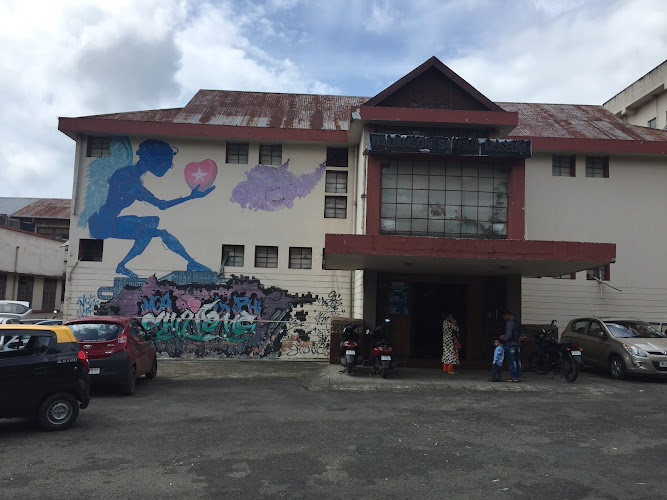
Capt. Williamson Sangma State Museum
About Capt. Williamson Sangma State Museum
Description
The Capt. Williamson Sangma State Museum in Shillong is one of those places that quietly pulls you in without trying too hard. It’s not a massive, flashy museum with towering halls and endless corridors, but rather a modest cultural space that feels approachable and grounded. Dedicated to preserving and showcasing the traditions of Meghalaya’s indigenous tribes—the Khasi, Jaintia, and Garo—it’s the kind of spot where you can slow down and actually absorb the stories behind the objects on display. You’ll find traditional attire, ornaments, utensils, weapons, and musical instruments that speak volumes about the daily lives and artistry of the communities here.
What makes it stand out is the sense of authenticity. It doesn’t overwhelm you with too much information or try to impress with gimmicks; instead, it offers a sincere peek into the region’s roots. Some visitors might find it a bit small or straightforward compared to bigger museums they’ve seen elsewhere, but for many, that’s part of the charm. It’s human-sized, digestible, and personal. Personally, I found myself lingering longer than expected, especially in front of the traditional Garo weapons section—it reminded me of listening to my grandfather’s stories about life in the hills, where every tool had a purpose and a history.
The museum is also quite family-friendly. Kids can engage with the exhibits because they’re visually striking and easy to understand, and the layout isn’t overwhelming. Accessibility is thoughtfully considered too, with wheelchair-friendly entrances and restrooms, which is not always the case in older institutions. While you won’t find a restaurant inside, basic amenities like restrooms are available, and the location within the State Central Library Complex means you’re not far from other conveniences.
All in all, the Capt. Williamson Sangma State Museum is a cultural stop worth adding to your Shillong itinerary. It’s not about grandeur; it’s about connection—connection to the land, the people, and the stories that shaped Meghalaya into what it is today.
Key Features
- Exhibits showcasing the culture and history of Khasi, Jaintia, and Garo tribes
- Collection of traditional dresses, ornaments, utensils, and musical instruments
- Displays of indigenous handicrafts and traditional weapons
- Located within the State Central Library Complex in Shillong
- Wheelchair accessible entrance and restrooms
- Good for kids and families due to its approachable size and engaging displays
- Managed by the Department of Arts and Culture, Government of Meghalaya
Best Time to Visit
Shillong has a reputation for its pleasant climate, and that works in your favor when planning a trip to the museum. The best time to visit is between October and April, when the weather is cool and crisp, and you can comfortably explore both indoor and outdoor attractions around town. During the monsoon months, June to September, the city is drenched in rain—beautiful in its own right, but not always practical if you’re hopping between sights. If you’re the type who enjoys avoiding crowds, weekday mornings are the sweet spot. The museum isn’t usually packed, but weekends and holidays can see more families and groups.
I once visited on a rainy afternoon in July, and while the museum itself was dry and cozy, stepping out into the drizzle afterward was a bit of a challenge. So, if you’re not a fan of rain-soaked shoes, stick to the drier months.
How to Get There
Reaching the Capt. Williamson Sangma State Museum is fairly straightforward if you’re already in Shillong. The city is well connected by road, and most local taxis or shared cabs can drop you right at the State Central Library Complex, where the museum is located. If you’re coming from Guwahati, which is the nearest major city with a railway station and airport, you’ll need to take a road trip of about 3-4 hours to reach Shillong. The drive itself is scenic—rolling hills, winding roads, and the occasional tea stall where you can sip on hot chai while stretching your legs.
For those relying on public transport, shared sumos and buses run between Guwahati and Shillong regularly, though they can get crowded. Once in Shillong, local taxis are your best bet. Personally, I’d recommend hiring a cab for the day if you’re planning to explore multiple attractions—it saves time and gives you the flexibility to linger where your heart wants.
Tips for Visiting
Here are a few things I wish someone had told me before my first visit:
- Set aside at least an hour: While the museum isn’t huge, rushing through would mean missing the details that make it special.
- No in-house food options: Eat before you go or plan a meal afterward at one of Shillong’s many cafes. The museum doesn’t have a restaurant.
- Bring curious kids: The exhibits are engaging for children, and it’s a good way to introduce them to the idea of cultural heritage without overwhelming them.
- Photography rules: Check at the entrance about whether photography is allowed. Rules sometimes change, and it’s always better to ask than assume.
- Combine with nearby attractions: Since it’s located in the State Central Library Complex, you can easily explore other cultural spots in the area as part of the same outing.
- Respect the space: This isn’t just a tourist attraction—it’s a repository of identity and pride for the people of Meghalaya. Approach it with curiosity and respect.
Lastly, don’t expect it to be like the massive museums you might have visited in Delhi or abroad. This one is smaller, quieter, and more personal. And honestly, that’s the beauty of it. It’s a reminder that culture doesn’t always need to be displayed on a grand stage—it can live in modest rooms filled with stories, waiting for you to listen.
Key Features
- Exhibits showcasing the culture and history of Khasi, Jaintia, and Garo tribes
- Collection of traditional dresses, ornaments, utensils, and musical instruments
- Displays of indigenous handicrafts and traditional weapons
- Located within the State Central Library Complex in Shillong
- Wheelchair accessible entrance and restrooms
- Good for kids and families due to its approachable size and engaging displays
- Managed by the Department of Arts and Culture, Government of Meghalaya
More Details
Updated September 9, 2025
Table of Contents
- Description
- Key Features
- Best Time to Visit
- How to Get There
- Tips for Visiting
- Key Highlights
- Location
- Places to Stay Near Capt. Williamson Sangma State Museum
- Find and Book a Tour
- Explore More Travel Guides
- Nearby Places You Might Like
- Traveler Reviews for Capt. Williamson Sangma State Museum
- Share Your Experience
Description
The Capt. Williamson Sangma State Museum in Shillong is one of those places that quietly pulls you in without trying too hard. It’s not a massive, flashy museum with towering halls and endless corridors, but rather a modest cultural space that feels approachable and grounded. Dedicated to preserving and showcasing the traditions of Meghalaya’s indigenous tribes—the Khasi, Jaintia, and Garo—it’s the kind of spot where you can slow down and actually absorb the stories behind the objects on display. You’ll find traditional attire, ornaments, utensils, weapons, and musical instruments that speak volumes about the daily lives and artistry of the communities here.
What makes it stand out is the sense of authenticity. It doesn’t overwhelm you with too much information or try to impress with gimmicks; instead, it offers a sincere peek into the region’s roots. Some visitors might find it a bit small or straightforward compared to bigger museums they’ve seen elsewhere, but for many, that’s part of the charm. It’s human-sized, digestible, and personal. Personally, I found myself lingering longer than expected, especially in front of the traditional Garo weapons section—it reminded me of listening to my grandfather’s stories about life in the hills, where every tool had a purpose and a history.
The museum is also quite family-friendly. Kids can engage with the exhibits because they’re visually striking and easy to understand, and the layout isn’t overwhelming. Accessibility is thoughtfully considered too, with wheelchair-friendly entrances and restrooms, which is not always the case in older institutions. While you won’t find a restaurant inside, basic amenities like restrooms are available, and the location within the State Central Library Complex means you’re not far from other conveniences.
All in all, the Capt. Williamson Sangma State Museum is a cultural stop worth adding to your Shillong itinerary. It’s not about grandeur; it’s about connection—connection to the land, the people, and the stories that shaped Meghalaya into what it is today.
Key Features
- Exhibits showcasing the culture and history of Khasi, Jaintia, and Garo tribes
- Collection of traditional dresses, ornaments, utensils, and musical instruments
- Displays of indigenous handicrafts and traditional weapons
- Located within the State Central Library Complex in Shillong
- Wheelchair accessible entrance and restrooms
- Good for kids and families due to its approachable size and engaging displays
- Managed by the Department of Arts and Culture, Government of Meghalaya
Best Time to Visit
Shillong has a reputation for its pleasant climate, and that works in your favor when planning a trip to the museum. The best time to visit is between October and April, when the weather is cool and crisp, and you can comfortably explore both indoor and outdoor attractions around town. During the monsoon months, June to September, the city is drenched in rain—beautiful in its own right, but not always practical if you’re hopping between sights. If you’re the type who enjoys avoiding crowds, weekday mornings are the sweet spot. The museum isn’t usually packed, but weekends and holidays can see more families and groups.
I once visited on a rainy afternoon in July, and while the museum itself was dry and cozy, stepping out into the drizzle afterward was a bit of a challenge. So, if you’re not a fan of rain-soaked shoes, stick to the drier months.
How to Get There
Reaching the Capt. Williamson Sangma State Museum is fairly straightforward if you’re already in Shillong. The city is well connected by road, and most local taxis or shared cabs can drop you right at the State Central Library Complex, where the museum is located. If you’re coming from Guwahati, which is the nearest major city with a railway station and airport, you’ll need to take a road trip of about 3-4 hours to reach Shillong. The drive itself is scenic—rolling hills, winding roads, and the occasional tea stall where you can sip on hot chai while stretching your legs.
For those relying on public transport, shared sumos and buses run between Guwahati and Shillong regularly, though they can get crowded. Once in Shillong, local taxis are your best bet. Personally, I’d recommend hiring a cab for the day if you’re planning to explore multiple attractions—it saves time and gives you the flexibility to linger where your heart wants.
Tips for Visiting
Here are a few things I wish someone had told me before my first visit:
- Set aside at least an hour: While the museum isn’t huge, rushing through would mean missing the details that make it special.
- No in-house food options: Eat before you go or plan a meal afterward at one of Shillong’s many cafes. The museum doesn’t have a restaurant.
- Bring curious kids: The exhibits are engaging for children, and it’s a good way to introduce them to the idea of cultural heritage without overwhelming them.
- Photography rules: Check at the entrance about whether photography is allowed. Rules sometimes change, and it’s always better to ask than assume.
- Combine with nearby attractions: Since it’s located in the State Central Library Complex, you can easily explore other cultural spots in the area as part of the same outing.
- Respect the space: This isn’t just a tourist attraction—it’s a repository of identity and pride for the people of Meghalaya. Approach it with curiosity and respect.
Lastly, don’t expect it to be like the massive museums you might have visited in Delhi or abroad. This one is smaller, quieter, and more personal. And honestly, that’s the beauty of it. It’s a reminder that culture doesn’t always need to be displayed on a grand stage—it can live in modest rooms filled with stories, waiting for you to listen.
Key Highlights
- Exhibits showcasing the culture and history of Khasi, Jaintia, and Garo tribes
- Collection of traditional dresses, ornaments, utensils, and musical instruments
- Displays of indigenous handicrafts and traditional weapons
- Located within the State Central Library Complex in Shillong
- Wheelchair accessible entrance and restrooms
- Good for kids and families due to its approachable size and engaging displays
- Managed by the Department of Arts and Culture, Government of Meghalaya
Location
Places to Stay Near Capt. Williamson Sangma State Museum
Find and Book a Tour
Explore More Travel Guides
No reviews found! Be the first to review!
Traveler Reviews for Capt. Williamson Sangma State Museum
There are no reviews yet. Be the first one to write one.
Have you visited Capt. Williamson Sangma State Museum? Help other travelers by sharing your review.
You Might Also Like
All Saints’ Cathedral
Beadon Bishop View Point

Rhino Heritage Museum
Find Accommodations Nearby
Recommended Tours & Activities
Visitor Reviews
There are no reviews yet. Be the first one to write one.
Share Your Experience
Have you visited Capt. Williamson Sangma State Museum? Help other travelers by leaving a review.