
Can Miravitges
About Can Miravitges
Description
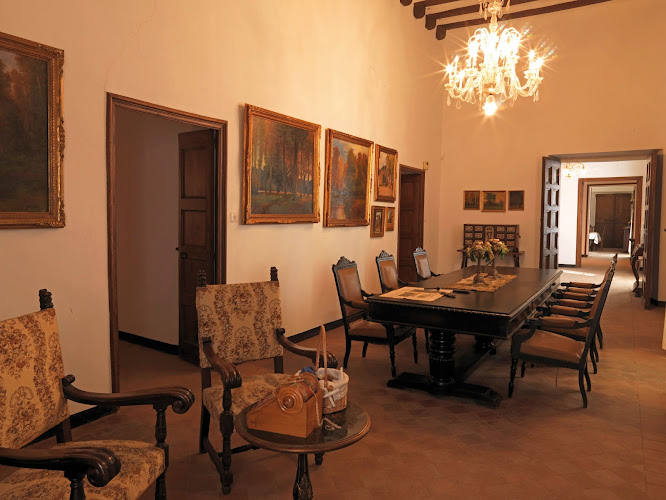
Can Miravitges in Badalona, Spain, is the kind of place that makes you feel like you’ve stepped straight through a doorway into another century. This medieval farmhouse, carefully restructured during the late 1600s and early 1700s, is today preserved as a museum that tells the story of rural Catalan life and its transformations over time. If someone’s ever wondered how people lived, worked, and managed their days in the Catalan countryside before the arrival of modern industry, this site offers an authentic glimpse. It is not a polished fantasy setting but a genuine slice of history carried through centuries.
The building itself is striking—earthy stone walls, rustic arches, and interiors that still hold the essence of farmstead life. Wandering through the rooms, visitors find themselves in the old wine cellar, complete with presses and large vessels once used for winemaking. Upstairs, the noble rooms and sleeping chambers reveal how families adapted these homes to changing times. Even the kitchen and outdoor washing areas relate to everyday rhythms that are strangely familiar, yet distant enough to spark curiosity.
One of the more personal touches is the section dedicated to Antoni Ros i Güell, a painter and set designer who owned the property in its later years. His legacy adds a cultural layer to the farmhouse, showing how creativity blended into rural traditions. The atmosphere of Can Miravitges is calm and homely, more intimate than grandiose, but that’s exactly what makes it so appealing. It isn’t about splendor; it’s about lives lived, meals cooked, and harvests pressed into wine. Travelers usually leave fascinated by how relatable those old ways still feel.
Key Features
- Historic Catalan farmhouse with medieval origins and major reforms from the 17th and 18th centuries
- Exhibition of rural Catalan countryside life from centuries past
- Authentic spaces like the cellar, wine presses, noble rooms, kitchen, laundries, and bedrooms
- Rooms dedicated to artist and scenographer Antoni Ros i Güell, the last private owner
- Guided tours available for deeper storytelling and context
- Child-friendly site with facilities, including restrooms
- A peaceful setting that contrasts with the busy life of the city nearby
Best Time to Visit
The farmhouse museum is enjoyable anytime of year, but each season has a slightly different charm. In spring and early summer, the surrounding countryside feels alive and green, making the walk to the site extra pleasant. Autumn, on the other hand, pairs perfectly with the farmhouse’s wine-making history—you can almost imagine the grape harvests and pressing seasons in full swing. Winter might be quieter, but that atmosphere can also make the museum feel more intimate, giving visitors a chance to slow down and take in the history without distraction.
If one prefers mild weather and fewer crowds, weekdays in the late morning can be a sweet spot. The farmhouse doesn’t operate like huge tourist attractions in the city center, so timing a visit right creates a much more personal experience. For travelers who enjoy pairing culture with seasonal festivals, Badalona’s local events throughout the year also add bonus experiences when tied into a trip here.
How to Get There
Getting to Can Miravitges is relatively straightforward since it’s situated in Badalona, just on the outskirts of Barcelona. For those staying in central Barcelona, a short train ride followed by a brief walk or local bus can get you there easily without too much hassle. The convenience of public transportation makes it unnecessary to rent a car, though driving certainly provides flexibility if you’re planning to explore surrounding countryside locations.
Coming by train from Barcelona’s city center, visitors can hop off at one of the Badalona stops and then connect either by foot, taxi, or bus depending on comfort. For those relying on buses, there are local lines that drop passengers within a reasonable walking distance from the site. The ascent leading to the farmhouse gives travelers a fun sense of leaving the buzzing city behind as they step into Catalan history. For families, carrying a stroller can be manageable, but a baby carrier might make navigating the site’s older spaces easier. Either way, the journey feels approachable for most types of travelers.
Tips for Visiting
Planning a visit to Can Miravitges is all about knowing what to expect. It’s not designed to dazzle with overwhelming scale or large exhibitions; instead, the museum aims to immerse visitors into centuries of lived experience. Here are some handy thoughts worth keeping in mind:
- Book guided tours: They bring the farmhouse to life with storytelling, explaining how Catalan countryside adapted through centuries and how families lived from agriculture and artisan trades.
- Wear comfortable shoes: The building and its layout involve staircases and slightly uneven paths typical of old farmhouses.
- Bring a curious mindset: The magic lies in small details—like cooking spaces, tools, and even the water systems—that reflect an older lifestyle.
- No need to pack food: While there’s no restaurant on-site, it’s close enough to town to grab a bite afterward, and frankly, a local café makes a great post-visit treat.
- Consider kids: Children often find the presses and traditional kitchen fascinating, and since the museum is family-friendly, it makes for a learning experience that doesn’t feel like “school.”
- Photography: Don’t forget a camera (or smartphone). The architecture and atmosphere lend themselves to moody shots and timeless family photos.
One last piece of advice would be—take your time. It’s tempting to rush through buildings in search of “the big highlight,” but with Can Miravitges, the highlight is the slower rhythm itself. Standing in a room where people once pressed olives or fermented wine brings a certain quiet realization. History feels present. And somehow, it makes today’s lifestyle seem a little more connected to centuries gone by.
Key Features
- Historic Catalan farmhouse with medieval origins and major reforms from the 17th and 18th centuries
- Exhibition of rural Catalan countryside life from centuries past
- Authentic spaces like the cellar, wine presses, noble rooms, kitchen, laundries, and bedrooms
- Rooms dedicated to artist and scenographer Antoni Ros i Güell, the last private owner
- Guided tours available for deeper storytelling and context
- Child-friendly site with facilities, including restrooms
- A peaceful setting that contrasts with the busy life of the city nearby
More Details
Updated October 1, 2025
Table of Contents
Description
Can Miravitges in Badalona, Spain, is the kind of place that makes you feel like you’ve stepped straight through a doorway into another century. This medieval farmhouse, carefully restructured during the late 1600s and early 1700s, is today preserved as a museum that tells the story of rural Catalan life and its transformations over time. If someone’s ever wondered how people lived, worked, and managed their days in the Catalan countryside before the arrival of modern industry, this site offers an authentic glimpse. It is not a polished fantasy setting but a genuine slice of history carried through centuries.
The building itself is striking—earthy stone walls, rustic arches, and interiors that still hold the essence of farmstead life. Wandering through the rooms, visitors find themselves in the old wine cellar, complete with presses and large vessels once used for winemaking. Upstairs, the noble rooms and sleeping chambers reveal how families adapted these homes to changing times. Even the kitchen and outdoor washing areas relate to everyday rhythms that are strangely familiar, yet distant enough to spark curiosity.
One of the more personal touches is the section dedicated to Antoni Ros i Güell, a painter and set designer who owned the property in its later years. His legacy adds a cultural layer to the farmhouse, showing how creativity blended into rural traditions. The atmosphere of Can Miravitges is calm and homely, more intimate than grandiose, but that’s exactly what makes it so appealing. It isn’t about splendor; it’s about lives lived, meals cooked, and harvests pressed into wine. Travelers usually leave fascinated by how relatable those old ways still feel.
Key Features
- Historic Catalan farmhouse with medieval origins and major reforms from the 17th and 18th centuries
- Exhibition of rural Catalan countryside life from centuries past
- Authentic spaces like the cellar, wine presses, noble rooms, kitchen, laundries, and bedrooms
- Rooms dedicated to artist and scenographer Antoni Ros i Güell, the last private owner
- Guided tours available for deeper storytelling and context
- Child-friendly site with facilities, including restrooms
- A peaceful setting that contrasts with the busy life of the city nearby
Best Time to Visit
The farmhouse museum is enjoyable anytime of year, but each season has a slightly different charm. In spring and early summer, the surrounding countryside feels alive and green, making the walk to the site extra pleasant. Autumn, on the other hand, pairs perfectly with the farmhouse’s wine-making history—you can almost imagine the grape harvests and pressing seasons in full swing. Winter might be quieter, but that atmosphere can also make the museum feel more intimate, giving visitors a chance to slow down and take in the history without distraction.
If one prefers mild weather and fewer crowds, weekdays in the late morning can be a sweet spot. The farmhouse doesn’t operate like huge tourist attractions in the city center, so timing a visit right creates a much more personal experience. For travelers who enjoy pairing culture with seasonal festivals, Badalona’s local events throughout the year also add bonus experiences when tied into a trip here.
How to Get There
Getting to Can Miravitges is relatively straightforward since it’s situated in Badalona, just on the outskirts of Barcelona. For those staying in central Barcelona, a short train ride followed by a brief walk or local bus can get you there easily without too much hassle. The convenience of public transportation makes it unnecessary to rent a car, though driving certainly provides flexibility if you’re planning to explore surrounding countryside locations.
Coming by train from Barcelona’s city center, visitors can hop off at one of the Badalona stops and then connect either by foot, taxi, or bus depending on comfort. For those relying on buses, there are local lines that drop passengers within a reasonable walking distance from the site. The ascent leading to the farmhouse gives travelers a fun sense of leaving the buzzing city behind as they step into Catalan history. For families, carrying a stroller can be manageable, but a baby carrier might make navigating the site’s older spaces easier. Either way, the journey feels approachable for most types of travelers.
Tips for Visiting
Planning a visit to Can Miravitges is all about knowing what to expect. It’s not designed to dazzle with overwhelming scale or large exhibitions; instead, the museum aims to immerse visitors into centuries of lived experience. Here are some handy thoughts worth keeping in mind:
- Book guided tours: They bring the farmhouse to life with storytelling, explaining how Catalan countryside adapted through centuries and how families lived from agriculture and artisan trades.
- Wear comfortable shoes: The building and its layout involve staircases and slightly uneven paths typical of old farmhouses.
- Bring a curious mindset: The magic lies in small details—like cooking spaces, tools, and even the water systems—that reflect an older lifestyle.
- No need to pack food: While there’s no restaurant on-site, it’s close enough to town to grab a bite afterward, and frankly, a local café makes a great post-visit treat.
- Consider kids: Children often find the presses and traditional kitchen fascinating, and since the museum is family-friendly, it makes for a learning experience that doesn’t feel like “school.”
- Photography: Don’t forget a camera (or smartphone). The architecture and atmosphere lend themselves to moody shots and timeless family photos.
One last piece of advice would be—take your time. It’s tempting to rush through buildings in search of “the big highlight,” but with Can Miravitges, the highlight is the slower rhythm itself. Standing in a room where people once pressed olives or fermented wine brings a certain quiet realization. History feels present. And somehow, it makes today’s lifestyle seem a little more connected to centuries gone by.
Key Highlights
- Historic Catalan farmhouse with medieval origins and major reforms from the 17th and 18th centuries
- Exhibition of rural Catalan countryside life from centuries past
- Authentic spaces like the cellar, wine presses, noble rooms, kitchen, laundries, and bedrooms
- Rooms dedicated to artist and scenographer Antoni Ros i Güell, the last private owner
- Guided tours available for deeper storytelling and context
- Child-friendly site with facilities, including restrooms
- A peaceful setting that contrasts with the busy life of the city nearby
Location
Places to Stay Near Can Miravitges
Find and Book a Tour
Explore More Travel Guides
No reviews found! Be the first to review!
Traveler Reviews for Can Miravitges
There are no reviews yet. Be the first one to write one.
Have you visited Can Miravitges? Help other travelers by sharing your review.
You Might Also Like
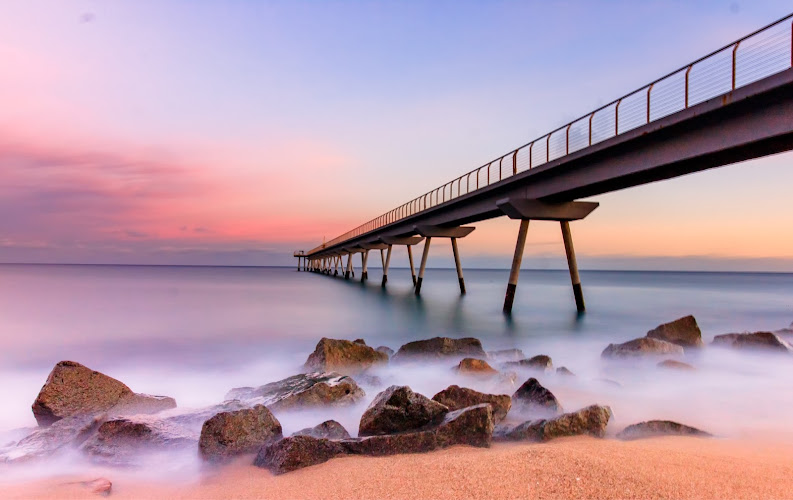
Pont del Petroli
La Casa Dels Lloguers
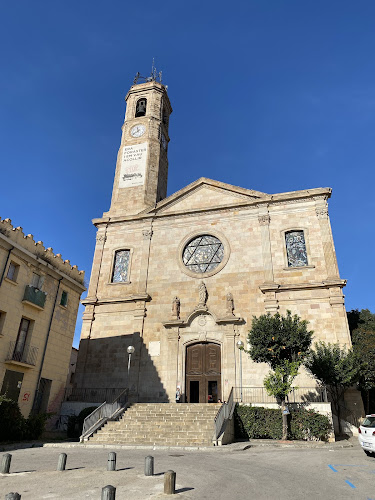
Santa Maria i catifa de Corpus
Find Accommodations Nearby
Recommended Tours & Activities
Visitor Reviews
There are no reviews yet. Be the first one to write one.
Share Your Experience
Have you visited Can Miravitges? Help other travelers by leaving a review.