

Camaguey
About Camaguey
Description
Camagüey, tucked right in the heart of Cuba, feels like a maze that never quite wants to reveal all its secrets at once. It’s the kind of place that makes you slow down, look around, and maybe even get a little lost — which, honestly, is part of its charm. The city’s twisting streets weren’t designed by accident; they were built centuries ago to confuse pirates. And even today, wandering through those narrow alleys feels like stepping into a living piece of history.
This is Cuba’s third-largest city, home to over 333,000 people, yet somehow it keeps that small-town soul alive. You’ll find pastel-colored colonial houses with wrought-iron balconies, hidden courtyards where locals sip coffee, and plazas that seem to pop up out of nowhere. There’s a rhythm to life here that’s slower, more deliberate — a reminder that not everything needs to move at the speed of Wi-Fi.
Camagüey’s old town, a UNESCO World Heritage Site, is like a time capsule. The architecture ranges from baroque churches to neoclassical mansions, and every corner tells a story. Locals take pride in their city’s artistry — you’ll see it in the sculptures scattered across public squares and in the murals that add splashes of color to sun-faded walls. And if you strike up a conversation with a local (which you absolutely should), you’ll sense that deep pride in their heritage.
I remember my first visit vividly — I got completely turned around trying to find Plaza del Carmen, ended up in a pottery workshop instead, and left with a clay angel I still keep on my desk. That’s Camagüey for you. It rewards curiosity and punishes rigid itineraries. The best experiences here aren’t planned; they just happen.
Key Features
- Historic Center: A UNESCO-listed labyrinth of colonial architecture, cobbled streets, and hidden courtyards.
- Plaza del Carmen: Known for its bronze sculptures depicting everyday life in Camagüey — a favorite spot for photographers and artists.
- Churches and Cathedrals: Including the Church of Our Lady of Mercy and the Cathedral of Our Lady of Candelaria, both architectural masterpieces.
- Local Art Scene: Galleries, workshops, and street murals showcase the city’s creative pulse.
- Camagüey’s Tinajones: Giant clay jars once used to collect rainwater — now a symbol of the city’s identity.
- Friendly Locals: Residents are known for their warmth and willingness to chat with travelers, often sharing personal stories about the city’s past.
- Food and Cafés: Small, family-run paladares serve hearty Cuban dishes and excellent coffee — don’t miss the local “ajiaco” stew.
Best Time to Visit
If you’re planning a trip, the sweet spot is between November and April. That’s when the weather is dry, the skies are clear, and the air feels just right for wandering the city’s winding streets. The summer months (May to October) bring more humidity and the occasional downpour, but even then, there’s something magical about watching a tropical rainstorm roll through while you’re tucked under a café awning with a mojito in hand.
I once visited in late June, and though the heat was heavy, the atmosphere was incredible. The locals were out late, music floated through the streets, and the night markets buzzed with energy. So, while the cooler months are technically “better,” Camagüey’s spirit doesn’t really take a vacation.
How to Get There
Camagüey sits almost right in the middle of Cuba, making it a convenient stop if you’re traveling across the island. The city has its own airport — Ignacio Agramonte International — which connects to Havana and other major Cuban destinations. If you’re already on the island, the Viazul bus network is a reliable and affordable way to get there. The ride from Havana takes around 8 to 9 hours, but it’s a scenic journey through Cuba’s countryside.
For those who love a bit of adventure, renting a car gives you the freedom to explore smaller towns along the way — just be prepared for a few potholes and the occasional herd of cows crossing the road. And if you’re arriving by train, well, it’s not the fastest option, but it’s definitely one of the most authentic ways to see the island.
Tips for Visiting
Camagüey rewards patience and curiosity. Here are a few things I’ve learned from my own travels there (some the hard way):
- Get lost — on purpose. The city’s winding layout was designed to confuse invaders, and it’ll probably confuse you too. But that’s part of the fun. You’ll stumble upon hidden plazas, art studios, and cafés that never make it into guidebooks.
- Carry cash. Credit cards aren’t widely accepted, and ATMs can be unreliable. Bring enough Cuban pesos for meals, transport, and small purchases.
- Talk to locals. Camagüeyanos love to share stories about their city. A simple “¿Cómo está?” can open the door to an entire afternoon of conversation and laughter.
- Dress for the heat. Lightweight clothes, a hat, and sunscreen are essential. The sun here doesn’t play around.
- Try the street food. From churros to fresh fruit juice, the flavors are as authentic as it gets. Just follow the locals — they know the best spots.
- Stay in a casa particular. These family-run guesthouses are the heart of Cuban hospitality. You’ll get home-cooked meals, travel tips, and maybe even a new friend or two.
- Respect the pace. Things don’t always run on time here — buses, meals, even tours. But that’s the beauty of it. You’re not in a rush, right?
Camagüey isn’t the kind of city that dazzles you immediately. It’s more subtle, more soulful. It’s in the way the afternoon light hits the pastel walls, or how a musician’s guitar echoes down a quiet alley. It’s in the laughter you hear from a courtyard you can’t quite see. And when you finally leave, you realize the city didn’t just show you its streets — it showed you its heart.
So pack your curiosity, a good pair of walking shoes, and maybe a little patience. Camagüey will take care of the rest.
Key Features
- Key Features
- Best Time to Visit
- How to Get There
- Tips for Visiting
More Details
Updated December 1, 2025
Table of Contents
Description
Camagüey, tucked right in the heart of Cuba, feels like a maze that never quite wants to reveal all its secrets at once. It’s the kind of place that makes you slow down, look around, and maybe even get a little lost — which, honestly, is part of its charm. The city’s twisting streets weren’t designed by accident; they were built centuries ago to confuse pirates. And even today, wandering through those narrow alleys feels like stepping into a living piece of history.
This is Cuba’s third-largest city, home to over 333,000 people, yet somehow it keeps that small-town soul alive. You’ll find pastel-colored colonial houses with wrought-iron balconies, hidden courtyards where locals sip coffee, and plazas that seem to pop up out of nowhere. There’s a rhythm to life here that’s slower, more deliberate — a reminder that not everything needs to move at the speed of Wi-Fi.
Camagüey’s old town, a UNESCO World Heritage Site, is like a time capsule. The architecture ranges from baroque churches to neoclassical mansions, and every corner tells a story. Locals take pride in their city’s artistry — you’ll see it in the sculptures scattered across public squares and in the murals that add splashes of color to sun-faded walls. And if you strike up a conversation with a local (which you absolutely should), you’ll sense that deep pride in their heritage.
I remember my first visit vividly — I got completely turned around trying to find Plaza del Carmen, ended up in a pottery workshop instead, and left with a clay angel I still keep on my desk. That’s Camagüey for you. It rewards curiosity and punishes rigid itineraries. The best experiences here aren’t planned; they just happen.
Key Features
- Historic Center: A UNESCO-listed labyrinth of colonial architecture, cobbled streets, and hidden courtyards.
- Plaza del Carmen: Known for its bronze sculptures depicting everyday life in Camagüey — a favorite spot for photographers and artists.
- Churches and Cathedrals: Including the Church of Our Lady of Mercy and the Cathedral of Our Lady of Candelaria, both architectural masterpieces.
- Local Art Scene: Galleries, workshops, and street murals showcase the city’s creative pulse.
- Camagüey’s Tinajones: Giant clay jars once used to collect rainwater — now a symbol of the city’s identity.
- Friendly Locals: Residents are known for their warmth and willingness to chat with travelers, often sharing personal stories about the city’s past.
- Food and Cafés: Small, family-run paladares serve hearty Cuban dishes and excellent coffee — don’t miss the local “ajiaco” stew.
Best Time to Visit
If you’re planning a trip, the sweet spot is between November and April. That’s when the weather is dry, the skies are clear, and the air feels just right for wandering the city’s winding streets. The summer months (May to October) bring more humidity and the occasional downpour, but even then, there’s something magical about watching a tropical rainstorm roll through while you’re tucked under a café awning with a mojito in hand.
I once visited in late June, and though the heat was heavy, the atmosphere was incredible. The locals were out late, music floated through the streets, and the night markets buzzed with energy. So, while the cooler months are technically “better,” Camagüey’s spirit doesn’t really take a vacation.
How to Get There
Camagüey sits almost right in the middle of Cuba, making it a convenient stop if you’re traveling across the island. The city has its own airport — Ignacio Agramonte International — which connects to Havana and other major Cuban destinations. If you’re already on the island, the Viazul bus network is a reliable and affordable way to get there. The ride from Havana takes around 8 to 9 hours, but it’s a scenic journey through Cuba’s countryside.
For those who love a bit of adventure, renting a car gives you the freedom to explore smaller towns along the way — just be prepared for a few potholes and the occasional herd of cows crossing the road. And if you’re arriving by train, well, it’s not the fastest option, but it’s definitely one of the most authentic ways to see the island.
Tips for Visiting
Camagüey rewards patience and curiosity. Here are a few things I’ve learned from my own travels there (some the hard way):
- Get lost — on purpose. The city’s winding layout was designed to confuse invaders, and it’ll probably confuse you too. But that’s part of the fun. You’ll stumble upon hidden plazas, art studios, and cafés that never make it into guidebooks.
- Carry cash. Credit cards aren’t widely accepted, and ATMs can be unreliable. Bring enough Cuban pesos for meals, transport, and small purchases.
- Talk to locals. Camagüeyanos love to share stories about their city. A simple “¿Cómo está?” can open the door to an entire afternoon of conversation and laughter.
- Dress for the heat. Lightweight clothes, a hat, and sunscreen are essential. The sun here doesn’t play around.
- Try the street food. From churros to fresh fruit juice, the flavors are as authentic as it gets. Just follow the locals — they know the best spots.
- Stay in a casa particular. These family-run guesthouses are the heart of Cuban hospitality. You’ll get home-cooked meals, travel tips, and maybe even a new friend or two.
- Respect the pace. Things don’t always run on time here — buses, meals, even tours. But that’s the beauty of it. You’re not in a rush, right?
Camagüey isn’t the kind of city that dazzles you immediately. It’s more subtle, more soulful. It’s in the way the afternoon light hits the pastel walls, or how a musician’s guitar echoes down a quiet alley. It’s in the laughter you hear from a courtyard you can’t quite see. And when you finally leave, you realize the city didn’t just show you its streets — it showed you its heart.
So pack your curiosity, a good pair of walking shoes, and maybe a little patience. Camagüey will take care of the rest.
Key Highlights
- Key Features
- Best Time to Visit
- How to Get There
- Tips for Visiting
Location
Places to Stay Near Camaguey
Find and Book a Tour
Explore More Travel Guides
No reviews found! Be the first to review!
Traveler Reviews for Camaguey
There are no reviews yet. Be the first one to write one.
Have you visited Camaguey? Help other travelers by sharing your review.
You Might Also Like
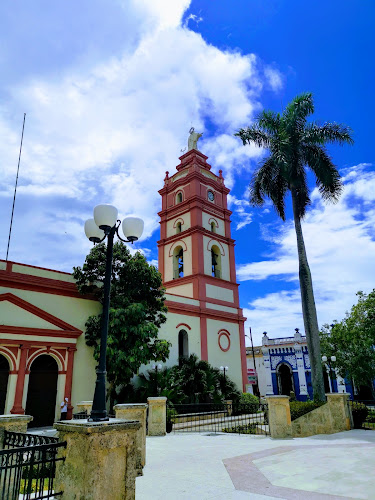
Monumento al Mayor General Ignacio Agramonte
Casa de Cultura Ignacio Agramonte de Camagüey
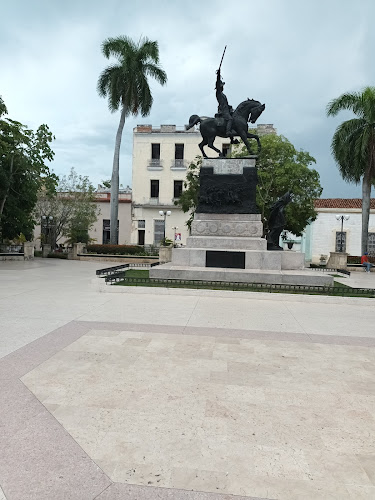
Ignacio Agramonte Park
Find Accommodations Nearby
Recommended Tours & Activities
Visitor Reviews
There are no reviews yet. Be the first one to write one.
Share Your Experience
Have you visited Camaguey? Help other travelers by leaving a review.