
Casa de Cultura Ignacio Agramonte de Camagüey
About Casa de Cultura Ignacio Agramonte de Camagüey
Description
Casa de Cultura Ignacio Agramonte de Camagüey stands as one of those places that quietly draws you in, not with flashy signs or big crowds, but with an authentic pulse that feels deeply Cuban. It’s a cultural center that carries the name of Ignacio Agramonte, a national hero whose legacy runs through the veins of Camagüey itself. The building is a living, breathing hub for art, music, dance, and community life. It’s where locals gather for rehearsals, exhibitions, and spontaneous jam sessions that seem to break out whenever someone picks up a guitar or a pair of maracas. And honestly, that’s part of what makes it so special—it’s not a polished tourist attraction, but a genuine slice of everyday creativity.
When you step through its doors, you can almost feel the layers of history in the air. The architecture hints at the colonial past, with high ceilings, old wooden doors, and a courtyard that catches the sunlight just right in the late afternoon. The sound of laughter and music often spills into the street, inviting anyone nearby to peek in. Inside, you might find a group of kids rehearsing traditional dances, a painter working on a new piece, or a poetry reading that turns into a lively debate about Cuban identity. It’s a place that feels alive, constantly changing, yet anchored in tradition.
For travelers curious about the cultural heartbeat of Camagüey, this is where you’ll find it. It’s not just about watching performances—it’s about experiencing the rhythm of local life. Some visitors describe it as stepping into a creative workshop rather than a museum, and that’s pretty accurate. You can chat with artists, watch rehearsals, and sometimes even join in. It’s informal, a bit unpredictable, but that’s what makes it memorable.
Key Features
- Artistic Workshops: Regular workshops in painting, sculpture, and traditional Cuban crafts, often led by local artists who are happy to share their techniques and stories.
- Music and Dance Performances: Frequent live shows featuring folk music, Afro-Cuban rhythms, and contemporary dance. Some nights, the courtyard transforms into a mini concert venue.
- Community Events: A gathering spot for cultural festivals, poetry readings, and theater performances that showcase the talent of Camagüey’s creative community.
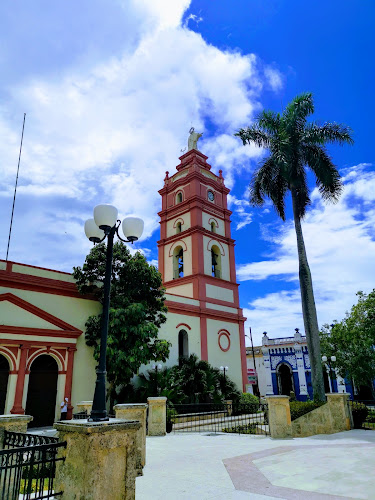
- Historic Architecture: The building itself is a piece of history, blending colonial charm with a slightly worn, lived-in beauty that adds to its authenticity.
- Educational Programs: Classes and cultural initiatives aimed at preserving local traditions and encouraging young artists to explore their creativity.
- Restroom Facilities: Basic amenities are available, ensuring comfort for visitors during events and workshops.
What I personally love about this place is how it manages to stay grounded. It doesn’t try too hard to impress you—it just is what it is: a community space full of life and art. If you’re the kind of traveler who prefers connecting with locals over ticking off tourist checklists, you’ll probably feel right at home here.
Best Time to Visit
Camagüey’s cultural calendar is lively all year, but if you want to catch Casa de Cultura Ignacio Agramonte at its most active, aim for the months between November and April. The weather’s a bit cooler (relatively speaking—it’s Cuba, after all), and many of the city’s cultural festivals happen during this period. You might stumble upon an art fair, a dance competition, or even a spontaneous street performance that spills out from the cultural center itself.
That said, there’s really no bad time to visit. Even on quieter days, the Casa has a relaxed, open-door feel. You can wander in, chat with whoever’s around, and get a sense of what’s happening in the local art scene. I once visited on a random Tuesday afternoon and ended up watching a rehearsal for a children’s theater production—it wasn’t planned, but it was wonderful. That’s the kind of serendipity that tends to happen here.
How to Get There
Getting to Casa de Cultura Ignacio Agramonte is pretty straightforward once you’re in Camagüey. The city’s historic center is a maze of narrow, winding streets—beautiful but slightly confusing if you’re not used to it. You can walk from most central hotels, and honestly, walking is the best way to go. The journey itself is part of the experience, with pastel-colored facades, hidden courtyards, and the occasional horse-drawn cart passing by.
If you prefer a bit more comfort, local taxis or bici-taxis can take you there for a small fee. Just tell the driver you’re heading to the Casa de Cultura Ignacio Agramonte, and they’ll know exactly where to go. Public transportation isn’t as reliable, but it’s possible to catch a local bus if you’re feeling adventurous. And if you’re driving, parking can be tricky in the old town, so plan to leave your car a few blocks away and stroll the rest of the way.
Camagüey’s layout is famously irregular—it was designed that way centuries ago to confuse pirates, believe it or not. So don’t be surprised if you take a few wrong turns. It’s all part of the fun. Bring a map or download an offline one, and take your time exploring. You’ll probably discover a few hidden gems along the way.
Tips for Visiting
Visiting Casa de Cultura Ignacio Agramonte isn’t like visiting a museum with strict schedules and guided tours. It’s more organic, and that’s part of its charm. Still, a few tips can help you make the most of your visit.
- Check the schedule in advance: While the center is usually open during the day, events and performances vary. Ask around or check local postings to see what’s happening during your stay.
- Bring cash: Entrance is often free, but small donations or fees for workshops are appreciated—and cash is king here.
- Engage with locals: Don’t be shy about striking up conversations. Artists and performers are usually open and proud to share their work.
- Dress comfortably: The building can get warm, especially in the afternoon. Light clothing and a hat go a long way.
- Respect the space: It’s a working cultural hub, not a tourist attraction. Be mindful during rehearsals or classes.
- Photography: Always ask before taking photos, particularly of people. Most are fine with it, but it’s polite to check.
- Timing: Late afternoons are magical here—the light in the courtyard, the sound of music drifting through open windows, it’s just… special.
One last piece of advice: linger. Don’t rush through. Grab a seat, listen to the music, watch the artists at work. Sometimes the best travel experiences aren’t about ticking boxes but about letting yourself be part of the moment. Casa de Cultura Ignacio Agramonte offers that kind of experience if you let it.
In a city known for its rich artistic heritage, this cultural center stands out as a place where creativity isn’t just displayed—it’s lived. Whether you’re an art lover, a history buff, or simply someone who enjoys soaking up the local atmosphere, this spot gives you a genuine taste of Camagüey’s soul. It’s imperfect, a bit rough around the edges, but that’s exactly what makes it unforgettable.
Key Features
- Key Features
- Best Time to Visit
- How to Get There
- Tips for Visiting
More Details
Updated December 1, 2025
Table of Contents
- Description
- Key Features
- Best Time to Visit
- How to Get There
- Tips for Visiting
- Key Highlights
- Location
- Places to Stay Near Casa de Cultura Ignacio Agramonte de Camagüey
- Find and Book a Tour
- Explore More Travel Guides
- Nearby Places You Might Like
- Traveler Reviews for Casa de Cultura Ignacio Agramonte de Camagüey
- Share Your Experience
Description
Casa de Cultura Ignacio Agramonte de Camagüey stands as one of those places that quietly draws you in, not with flashy signs or big crowds, but with an authentic pulse that feels deeply Cuban. It’s a cultural center that carries the name of Ignacio Agramonte, a national hero whose legacy runs through the veins of Camagüey itself. The building is a living, breathing hub for art, music, dance, and community life. It’s where locals gather for rehearsals, exhibitions, and spontaneous jam sessions that seem to break out whenever someone picks up a guitar or a pair of maracas. And honestly, that’s part of what makes it so special—it’s not a polished tourist attraction, but a genuine slice of everyday creativity.
When you step through its doors, you can almost feel the layers of history in the air. The architecture hints at the colonial past, with high ceilings, old wooden doors, and a courtyard that catches the sunlight just right in the late afternoon. The sound of laughter and music often spills into the street, inviting anyone nearby to peek in. Inside, you might find a group of kids rehearsing traditional dances, a painter working on a new piece, or a poetry reading that turns into a lively debate about Cuban identity. It’s a place that feels alive, constantly changing, yet anchored in tradition.
For travelers curious about the cultural heartbeat of Camagüey, this is where you’ll find it. It’s not just about watching performances—it’s about experiencing the rhythm of local life. Some visitors describe it as stepping into a creative workshop rather than a museum, and that’s pretty accurate. You can chat with artists, watch rehearsals, and sometimes even join in. It’s informal, a bit unpredictable, but that’s what makes it memorable.
Key Features
- Artistic Workshops: Regular workshops in painting, sculpture, and traditional Cuban crafts, often led by local artists who are happy to share their techniques and stories.
- Music and Dance Performances: Frequent live shows featuring folk music, Afro-Cuban rhythms, and contemporary dance. Some nights, the courtyard transforms into a mini concert venue.
- Community Events: A gathering spot for cultural festivals, poetry readings, and theater performances that showcase the talent of Camagüey’s creative community.
- Historic Architecture: The building itself is a piece of history, blending colonial charm with a slightly worn, lived-in beauty that adds to its authenticity.
- Educational Programs: Classes and cultural initiatives aimed at preserving local traditions and encouraging young artists to explore their creativity.
- Restroom Facilities: Basic amenities are available, ensuring comfort for visitors during events and workshops.
What I personally love about this place is how it manages to stay grounded. It doesn’t try too hard to impress you—it just is what it is: a community space full of life and art. If you’re the kind of traveler who prefers connecting with locals over ticking off tourist checklists, you’ll probably feel right at home here.
Best Time to Visit
Camagüey’s cultural calendar is lively all year, but if you want to catch Casa de Cultura Ignacio Agramonte at its most active, aim for the months between November and April. The weather’s a bit cooler (relatively speaking—it’s Cuba, after all), and many of the city’s cultural festivals happen during this period. You might stumble upon an art fair, a dance competition, or even a spontaneous street performance that spills out from the cultural center itself.
That said, there’s really no bad time to visit. Even on quieter days, the Casa has a relaxed, open-door feel. You can wander in, chat with whoever’s around, and get a sense of what’s happening in the local art scene. I once visited on a random Tuesday afternoon and ended up watching a rehearsal for a children’s theater production—it wasn’t planned, but it was wonderful. That’s the kind of serendipity that tends to happen here.
How to Get There
Getting to Casa de Cultura Ignacio Agramonte is pretty straightforward once you’re in Camagüey. The city’s historic center is a maze of narrow, winding streets—beautiful but slightly confusing if you’re not used to it. You can walk from most central hotels, and honestly, walking is the best way to go. The journey itself is part of the experience, with pastel-colored facades, hidden courtyards, and the occasional horse-drawn cart passing by.
If you prefer a bit more comfort, local taxis or bici-taxis can take you there for a small fee. Just tell the driver you’re heading to the Casa de Cultura Ignacio Agramonte, and they’ll know exactly where to go. Public transportation isn’t as reliable, but it’s possible to catch a local bus if you’re feeling adventurous. And if you’re driving, parking can be tricky in the old town, so plan to leave your car a few blocks away and stroll the rest of the way.
Camagüey’s layout is famously irregular—it was designed that way centuries ago to confuse pirates, believe it or not. So don’t be surprised if you take a few wrong turns. It’s all part of the fun. Bring a map or download an offline one, and take your time exploring. You’ll probably discover a few hidden gems along the way.
Tips for Visiting
Visiting Casa de Cultura Ignacio Agramonte isn’t like visiting a museum with strict schedules and guided tours. It’s more organic, and that’s part of its charm. Still, a few tips can help you make the most of your visit.
- Check the schedule in advance: While the center is usually open during the day, events and performances vary. Ask around or check local postings to see what’s happening during your stay.
- Bring cash: Entrance is often free, but small donations or fees for workshops are appreciated—and cash is king here.
- Engage with locals: Don’t be shy about striking up conversations. Artists and performers are usually open and proud to share their work.
- Dress comfortably: The building can get warm, especially in the afternoon. Light clothing and a hat go a long way.
- Respect the space: It’s a working cultural hub, not a tourist attraction. Be mindful during rehearsals or classes.
- Photography: Always ask before taking photos, particularly of people. Most are fine with it, but it’s polite to check.
- Timing: Late afternoons are magical here—the light in the courtyard, the sound of music drifting through open windows, it’s just… special.
One last piece of advice: linger. Don’t rush through. Grab a seat, listen to the music, watch the artists at work. Sometimes the best travel experiences aren’t about ticking boxes but about letting yourself be part of the moment. Casa de Cultura Ignacio Agramonte offers that kind of experience if you let it.
In a city known for its rich artistic heritage, this cultural center stands out as a place where creativity isn’t just displayed—it’s lived. Whether you’re an art lover, a history buff, or simply someone who enjoys soaking up the local atmosphere, this spot gives you a genuine taste of Camagüey’s soul. It’s imperfect, a bit rough around the edges, but that’s exactly what makes it unforgettable.
Key Highlights
- Key Features
- Best Time to Visit
- How to Get There
- Tips for Visiting
Location
Places to Stay Near Casa de Cultura Ignacio Agramonte de Camagüey
Find and Book a Tour
Explore More Travel Guides
No reviews found! Be the first to review!
Traveler Reviews for Casa de Cultura Ignacio Agramonte de Camagüey
There are no reviews yet. Be the first one to write one.
Have you visited Casa de Cultura Ignacio Agramonte de Camagüey? Help other travelers by sharing your review.
You Might Also Like

Rotonda La Vigia
Monumento al Mayor General Ignacio Agramonte
La Fuente Park
Find Accommodations Nearby
Recommended Tours & Activities
Visitor Reviews
There are no reviews yet. Be the first one to write one.
Share Your Experience
Have you visited Casa de Cultura Ignacio Agramonte de Camagüey? Help other travelers by leaving a review.