
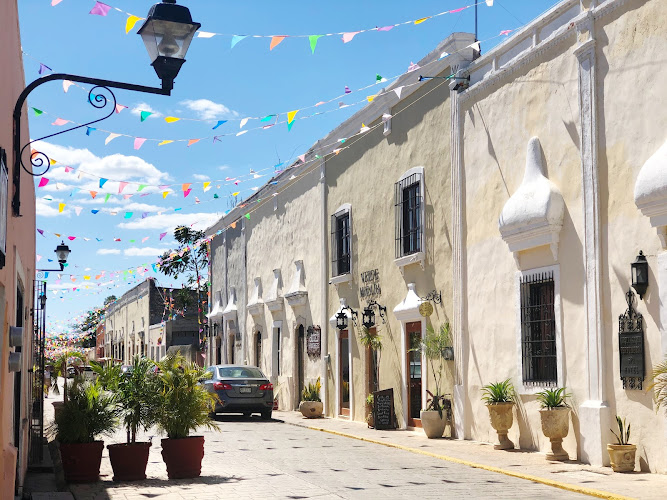
Calzada de los Frailes
About Calzada de los Frailes
Description
Calzada de los Frailes in Valladolid, Yucatán, is one of those streets that somehow manages to feel both timeless and alive at once. Strolling down its cobblestones feels like stepping into a living postcard—every pastel-colored house, every wooden door, every hanging bougainvillea tells a story of centuries past. Built in the 16th century by Franciscan friars to connect the Spanish colonial center of Valladolid with the indigenous neighborhood of Sisal, this street has seen more than its share of history. And yet, it doesn’t feel like a museum. It’s a place where history hums quietly beneath the laughter of travelers, the whir of bicycles, and the clinking of cups in tiny cafés.
There’s something wonderfully authentic about the Calzada. It’s not polished to perfection, and that’s part of its charm. Some façades are freshly painted in buttery yellows and soft pinks, while others show the gentle wear of time—cracked plaster, faded blues, ivy creeping up the walls. It’s easy to imagine what life might’ve been like here centuries ago, when friars and merchants walked this same path under the Yucatán sun. Today, it’s a favorite spot for travelers who want to slow down, take a leisurely walk, and experience Valladolid’s colonial heart at their own pace.
And yes, it’s picturesque—no denying that. But beyond the Instagram shots, there’s a deeper sense of place. Locals greet you with a nod or a smile, shop owners chat with genuine warmth, and the scent of fresh coffee drifts from behind old wooden doors. It’s the kind of street where you can spend hours wandering, not because there’s a checklist of things to “see,” but because the atmosphere itself is the experience.
Key Features
- Historic significance: Originally built in the 16th century, the Calzada de los Frailes served as a symbolic and physical link between two cultures—Spanish and Mayan.
- Architectural beauty: A blend of colonial-era façades, colorful houses, and traditional Mayan-style homes that showcase Valladolid’s layered history.
- Pedestrian-friendly: Much of the street is calm and walkable, with limited traffic, making it perfect for relaxed exploration.
- Local boutiques and artisan shops: From handmade textiles to locally crafted jewelry, the street offers unique finds you won’t get in big markets.
- Charming cafés and restaurants: Many eateries hide leafy courtyards in the back—ideal for cooling off after a sunny stroll.
- Photo opportunities: Every corner is camera-worthy, especially during golden hour when the light hits the pastel walls just right.
- Accessibility: Wheelchair-accessible entrances and parking make it easier for everyone to enjoy the walk.
- Family-friendly: Safe, calm, and full of visual interest—kids often love spotting the colorful doors and street art.
What makes Calzada de los Frailes stand out isn’t just its beauty, but its balance. It’s touristy, sure, but not overrun. You can sip a cappuccino in a hip café one moment and chat with a local artisan the next. It’s a crossroads of old and new Valladolid, and that mix gives it an energy that’s hard to replicate elsewhere in the Yucatán.
Best Time to Visit
If you can, aim for early morning or late afternoon. The light at those times is pure magic—soft, golden, and perfect for photos. The mornings are peaceful, with the street just waking up: shop owners sweeping their doorsteps, the air still cool, and the smell of fresh bread drifting from a nearby panadería. Late afternoons, on the other hand, bring a gentle buzz of life. Locals chatting outside their homes, travelers lingering over drinks, and the hum of conversation floating through the air.
In terms of seasons, the dry months from November to April are the most comfortable for walking. The Yucatán sun can be fierce, and trust me, you’ll feel it on those cobblestones. But even in the warmer months, there’s always a shaded café or boutique to duck into when you need a break. And if you happen to visit during a local festival, you’ll see the Calzada transform into a lively corridor of music, color, and community.
How to Get There
Valladolid itself is easy to reach from several major destinations in the Yucatán Peninsula. If you’re coming from Mérida, it’s about a two-hour drive east along Highway 180. From Cancún or Playa del Carmen, it’s roughly two and a half hours west. Buses run regularly between these cities, and Valladolid’s ADO bus station is just a short walk or quick taxi ride from the Calzada.
Once you’re in Valladolid’s center, finding the Calzada de los Frailes is simple—it starts near the main square and stretches toward the former Convent of San Bernardino de Siena in the Sisal neighborhood. You can easily explore it on foot, and honestly, that’s the best way to do it. The street’s details reveal themselves slowly—the textures of the walls, the hand-painted signs, the sound of church bells in the distance. If you’re staying nearby, it’s a lovely evening walk after dinner, when the air cools and the streetlights cast a soft glow over the cobblestones.
Tips for Visiting
First off, wear comfortable shoes. Those cobblestones are charming but uneven, and you’ll want to wander without worrying about your footing. Bring a hat, sunscreen, and water—especially if you’re visiting midday. The Yucatán sun doesn’t mess around. And take your time. This isn’t a place to rush through. Pause at the little shops, peek into courtyards, chat with the locals. Some of my best memories there come from spontaneous moments—like stumbling into a tiny art gallery run by a local painter or sipping a cold horchata in a shaded patio while listening to birds.
Photography lovers, you’re in for a treat. The street’s palette of colors—terracotta, turquoise, mustard, and coral—changes beautifully throughout the day. Just be respectful when photographing private homes; people still live here, and that’s part of what makes the Calzada so special. It’s not just a tourist attraction—it’s a living neighborhood.
If you’re traveling with kids, they’ll enjoy spotting the different house colors or trying local ice cream flavors from one of the nearby shops. And for those with mobility needs, the street’s accessibility features make it more inclusive than many historic areas in Mexico. You’ll find ramps and accessible entrances at several points along the way.
One more thing: don’t skip the end of the street. It leads straight to the Convent of San Bernardino de Siena, one of Valladolid’s most iconic landmarks. Many visitors stop halfway for photos, but walking the full length gives you a sense of the Calzada’s original purpose—a path connecting two worlds, both literally and symbolically.
Calzada de los Frailes is one of those rare places that manages to feel both intimate and grand. Whether you’re a history buff, a photographer, or just someone who enjoys a good wander, it’s worth every step. And maybe that’s what makes it so memorable—it invites you to slow down, to look closer, to appreciate the small details that often slip by in the rush of travel. It’s not about ticking off another destination; it’s about savoring a moment in time, right there on those sun-warmed stones.
So, if you find yourself in Valladolid, give yourself a few hours to walk the Calzada. Let curiosity guide you. Stop for a coffee, browse a shop, chat with a local artisan. You’ll leave with more than just photos—you’ll leave with a feeling, a sense of connection to a place that’s held onto its soul through the centuries. And honestly, that’s the kind of travel memory that sticks with you long after you’ve gone home.
Key Features
- Key Features
- Best Time to Visit
- How to Get There
- Tips for Visiting
Tours & Activities
GetYourGuide provides this tour inventory. We may earn a commission if you book through it; verify current availability, prices, and terms with the provider.
Visitor Reviews
There are no reviews yet. Be the first one to write one.
Share Your Experience
Have you visited Calzada de los Frailes? Help other travelers by leaving a review.