

Calle Melchor Ocampo 48
About Calle Melchor Ocampo 48
Description
Calle Melchor Ocampo 48 stands quietly in the heart of San Juan del Río, a town that hums with a mix of old-world charm and modern-day rhythm. The building itself has that kind of understated character that makes you pause for a second. It’s not one of those flashy landmarks that scream for attention, but rather a place that rewards those who take the time to notice the details—the weathered stonework, the modest balconies, the faint echo of footsteps on the cobblestone street. You know the kind of spot where you can almost feel the stories of the people who’ve passed through? That’s what this place is.
The building sits among a cluster of historic structures that give the area its distinct personality. It’s part of a neighborhood that feels lived-in and loved, where locals still greet each other as they pass by. Travelers often find themselves drawn here not because it’s on a top-ten list, but because it feels so authentically Mexican—unpretentious, layered, and quietly beautiful. There’s something about the way the afternoon light hits its façade that makes you want to linger just a little longer, maybe grab a coffee from a nearby café, and simply watch life unfold.
Some visitors describe the area as peaceful, while others mention its convenient location for exploring the town’s markets, museums, and small restaurants. It’s a good place to slow down, especially if you’re the kind of traveler who prefers wandering without a strict itinerary. Personally, I think that’s when you discover the real soul of a place—when you stop trying to check off boxes and just let yourself get lost for a while.
Key Features
- Historic architecture that reflects the colonial heritage of San Juan del Río
- Close proximity to local shops, eateries, and cultural landmarks
- Quiet surroundings ideal for travelers seeking a more relaxed experience
- Easy access to public transportation and nearby attractions
- Blend of residential charm and urban convenience
- Photogenic exterior with classic design details perfect for travel photography
What sets Calle Melchor Ocampo 48 apart is not just what it looks like, but how it feels. The building tells a story—one of endurance, of adaptation, of quiet pride. You can almost imagine the generations who’ve lived or worked here, each leaving behind a faint trace of their time. It’s the kind of place that makes you reflect on how architecture can hold memory, even when the world around it keeps changing.
Best Time to Visit
If you’re planning a trip, the best time to visit is between November and March. The weather is pleasantly mild, perfect for wandering the streets without breaking a sweat. I’ve been in the area during the summer too, and while it’s warmer, there’s a certain charm to the late-afternoon breeze that sweeps through after a hot day. The evenings often bring a soft golden light that makes the old buildings glow—it’s a photographer’s dream, honestly.
Weekdays are generally quieter, which makes it easier to take in the atmosphere without the bustle of weekend crowds. But if you enjoy a bit of local energy, visiting during a festival or market day can be a treat. The town comes alive with music, food stalls, and friendly chaos. Just remember to bring comfortable shoes; the cobblestones have a way of humbling even the most confident walkers.
How to Get There
Reaching Calle Melchor Ocampo 48 is fairly straightforward. San Juan del Río is well-connected by road, and most travelers arrive from Querétaro or Mexico City. If you’re driving, the main highways are in good condition, and parking near the area is usually manageable if you arrive early in the day.
For those without a car, local buses and taxis are reliable options. I once took a colectivo—a shared taxi—and ended up chatting with a local teacher who gave me a rundown of the town’s history. That’s the kind of spontaneous connection that makes travel worthwhile. You can also walk from the central plaza if you’re staying nearby; it’s a pleasant stroll that gives you a glimpse into daily life in the neighborhood.
Tips for Visiting
Before you go, here are a few things I’ve learned from experience (and a couple of mistakes). First, bring a hat or sunscreen if you’re visiting during the warmer months—the midday sun can be surprisingly strong. Second, carry some cash. While many businesses in Mexico take cards now, smaller cafés and local vendors often prefer pesos.
If you’re into photography, visit early in the morning or late in the afternoon when the light is softer. The textures of the building’s façade really come alive during those hours. And don’t rush—part of the magic here is in the small moments: the sound of distant church bells, the smell of fresh bread from a nearby bakery, the laughter of kids playing down the street.
Also, talk to people. Locals are usually happy to share stories about the area, and you might learn something that no guidebook ever mentions. Once, a shop owner told me about a hidden courtyard just a few blocks away—it wasn’t on any map, but it ended up being one of my favorite finds.
Lastly, keep an open mind. Calle Melchor Ocampo 48 may not be a grand attraction, but that’s exactly why it’s special. It’s a reminder that travel isn’t always about ticking off famous landmarks. Sometimes, it’s about discovering the quiet corners that make a place feel real.
So, take your time here. Let yourself wander. Let the rhythm of the street guide you. And who knows—you might just find that this unassuming building becomes one of those unexpected highlights of your trip, the kind of memory that lingers long after you’ve gone home.
Key Features
- Historic architecture that reflects the colonial heritage of San Juan del Río
- Close proximity to local shops, eateries, and cultural landmarks
- Quiet surroundings ideal for travelers seeking a more relaxed experience
- Easy access to public transportation and nearby attractions
- Blend of residential charm and urban convenience
- Photogenic exterior with classic design details perfect for travel photography
More Details
Updated November 10, 2025
Table of Contents
- Description
- Key Features
- Best Time to Visit
- How to Get There
- Tips for Visiting
- Key Highlights
- Location
- Places to Stay Near Calle Melchor Ocampo 48
- Find and Book a Tour
- Explore More Travel Guides
- Acueducto de San Juan del Río (Histórico): qué es, qué queda y cómo verlo hoy
- Por qué importa este acueducto
- Qué ver realmente (y qué no esperar)
- Breve historia verificable
- Cómo visitarlo hoy (ruta sugerida de 60–90 min a pie)
- Consejos prácticos (basados en hechos y fuentes locales)
- Contexto regional útil para tu itinerario
- Preguntas frecuentes verificables
- Cómo diferenciarlo del Acueducto de Querétaro (la capital)
- Información que puede cambiar (revísala antes de ir)
- Resumen accionable
- Nearby Places You Might Like
- Traveler Reviews for Calle Melchor Ocampo 48
- Share Your Experience
Description
Calle Melchor Ocampo 48 stands quietly in the heart of San Juan del Río, a town that hums with a mix of old-world charm and modern-day rhythm. The building itself has that kind of understated character that makes you pause for a second. It’s not one of those flashy landmarks that scream for attention, but rather a place that rewards those who take the time to notice the details—the weathered stonework, the modest balconies, the faint echo of footsteps on the cobblestone street. You know the kind of spot where you can almost feel the stories of the people who’ve passed through? That’s what this place is.
The building sits among a cluster of historic structures that give the area its distinct personality. It’s part of a neighborhood that feels lived-in and loved, where locals still greet each other as they pass by. Travelers often find themselves drawn here not because it’s on a top-ten list, but because it feels so authentically Mexican—unpretentious, layered, and quietly beautiful. There’s something about the way the afternoon light hits its façade that makes you want to linger just a little longer, maybe grab a coffee from a nearby café, and simply watch life unfold.
Some visitors describe the area as peaceful, while others mention its convenient location for exploring the town’s markets, museums, and small restaurants. It’s a good place to slow down, especially if you’re the kind of traveler who prefers wandering without a strict itinerary. Personally, I think that’s when you discover the real soul of a place—when you stop trying to check off boxes and just let yourself get lost for a while.
Key Features
- Historic architecture that reflects the colonial heritage of San Juan del Río
- Close proximity to local shops, eateries, and cultural landmarks
- Quiet surroundings ideal for travelers seeking a more relaxed experience
- Easy access to public transportation and nearby attractions
- Blend of residential charm and urban convenience
- Photogenic exterior with classic design details perfect for travel photography
What sets Calle Melchor Ocampo 48 apart is not just what it looks like, but how it feels. The building tells a story—one of endurance, of adaptation, of quiet pride. You can almost imagine the generations who’ve lived or worked here, each leaving behind a faint trace of their time. It’s the kind of place that makes you reflect on how architecture can hold memory, even when the world around it keeps changing.
Best Time to Visit
If you’re planning a trip, the best time to visit is between November and March. The weather is pleasantly mild, perfect for wandering the streets without breaking a sweat. I’ve been in the area during the summer too, and while it’s warmer, there’s a certain charm to the late-afternoon breeze that sweeps through after a hot day. The evenings often bring a soft golden light that makes the old buildings glow—it’s a photographer’s dream, honestly.
Weekdays are generally quieter, which makes it easier to take in the atmosphere without the bustle of weekend crowds. But if you enjoy a bit of local energy, visiting during a festival or market day can be a treat. The town comes alive with music, food stalls, and friendly chaos. Just remember to bring comfortable shoes; the cobblestones have a way of humbling even the most confident walkers.
How to Get There
Reaching Calle Melchor Ocampo 48 is fairly straightforward. San Juan del Río is well-connected by road, and most travelers arrive from Querétaro or Mexico City. If you’re driving, the main highways are in good condition, and parking near the area is usually manageable if you arrive early in the day.
For those without a car, local buses and taxis are reliable options. I once took a colectivo—a shared taxi—and ended up chatting with a local teacher who gave me a rundown of the town’s history. That’s the kind of spontaneous connection that makes travel worthwhile. You can also walk from the central plaza if you’re staying nearby; it’s a pleasant stroll that gives you a glimpse into daily life in the neighborhood.
Tips for Visiting
Before you go, here are a few things I’ve learned from experience (and a couple of mistakes). First, bring a hat or sunscreen if you’re visiting during the warmer months—the midday sun can be surprisingly strong. Second, carry some cash. While many businesses in Mexico take cards now, smaller cafés and local vendors often prefer pesos.
If you’re into photography, visit early in the morning or late in the afternoon when the light is softer. The textures of the building’s façade really come alive during those hours. And don’t rush—part of the magic here is in the small moments: the sound of distant church bells, the smell of fresh bread from a nearby bakery, the laughter of kids playing down the street.
Also, talk to people. Locals are usually happy to share stories about the area, and you might learn something that no guidebook ever mentions. Once, a shop owner told me about a hidden courtyard just a few blocks away—it wasn’t on any map, but it ended up being one of my favorite finds.
Lastly, keep an open mind. Calle Melchor Ocampo 48 may not be a grand attraction, but that’s exactly why it’s special. It’s a reminder that travel isn’t always about ticking off famous landmarks. Sometimes, it’s about discovering the quiet corners that make a place feel real.
So, take your time here. Let yourself wander. Let the rhythm of the street guide you. And who knows—you might just find that this unassuming building becomes one of those unexpected highlights of your trip, the kind of memory that lingers long after you’ve gone home.
Key Highlights
- Historic architecture that reflects the colonial heritage of San Juan del Río
- Close proximity to local shops, eateries, and cultural landmarks
- Quiet surroundings ideal for travelers seeking a more relaxed experience
- Easy access to public transportation and nearby attractions
- Blend of residential charm and urban convenience
- Photogenic exterior with classic design details perfect for travel photography
Location
Places to Stay Near Calle Melchor Ocampo 48
Find and Book a Tour
Explore More Travel Guides
No reviews found! Be the first to review!
Acueducto de San Juan del Río (Histórico): qué es, qué queda y cómo verlo hoy
Ubicación (aprox.): Centro Histórico de San Juan del Río, Querétaro — coordenadas 20.3823, -99.9971 (Calle Melchor Ocampo y cuadrantes aledaños).
Tipo: patrimonio hidráulico urbano (restos de acueducto y acequia colonial/tardocolonial).
Por qué importa este acueducto
San Juan del Río no tuvo —ni tiene— un acueducto monumental de 70+ arcos como el de la capital queretana. Lo suyo fue pragmático: una obra de conducción de agua que combinó acequias subterráneas y un acueducto más pequeño, construidos y adaptados para abastecer fuentes públicas y hogares del antiguo trazo urbano. Hoy subsisten vestigios y memoria urbana: tramos de acequia bajo calles del Centro, ruinas puntuales y placas/relatos locales. oai_citation:0‡Rotativo Querétaro
Dato duro: una inscripción histórica documentada por cronistas locales registra la obra “iniciada el 16 de agosto de 1885 y concluida el 15 de marzo de 1886”, con un trazo de 3,153 metros hasta la fuente del Santuario (Sacro Monte) y un costo de $8,527.80 de la época. oai_citation:1‡Rotativo Querétaro
Qué ver realmente (y qué no esperar)
- Restos y trazas de la acequia bajo calles como Hidalgo, Juárez, Galeana, 27 de Septiembre y Abasolo, identificadas en hallazgos durante obras públicas. No son túneles secretos: son canales de distribución de agua con muros de cantera y losas superiores, parte del sistema hidráulico histórico. oai_citation:2‡Rotativo Querétaro
- Jardín de la Familia (antiguo atrio del Templo del Sacro Monte): allí se documenta la primera fuente de agua de la ciudad y se asocian los hitos del sistema. Ojo: muchos elementos desaparecieron o están fragmentarios; no espere una arquería extensa a cielo abierto. oai_citation:3‡Rotativo Querétaro
- Parque Paseo de los Guzmán (Las Huertas) y su Museo Interactivo de Cultura del Agua (MICA), gestionado por la JAPAM (Junta de Agua Potable y Alcantarillado Municipal). Es el mejor punto interpretativo para entender el patrimonio del agua en San Juan del Río. oai_citation:4‡Información Cultural
Expectativas claras: A diferencia del Acueducto de Querétaro (74 arcos, 1.28 km, icono urbano UNESCO en la capital), aquí verá trazas, ruinas y contexto museográfico, no una gran arquería fotogénica. Esa comparación es útil para planear el itinerario regional. oai_citation:5‡Wikipedia
Breve historia verificable
- Acequias coloniales (siglo XVI–XVII): registros novohispanos desde 1590 señalan una acequia que cruzaba el poblado para riego y abasto; relatos de viajeros del siglo XIX aluden a un “pequeño acueducto” en el sitio. oai_citation:6‡Rotativo Querétaro
- Obra de 1885–1886: acta/inscripción citada por cronistas locales detalla fechas, longitud (3,153 m), presupuesto y nombre del maestro constructor Higinio Álvarez; se vinculó al Santuario del Sacro Monte. oai_citation:7‡Rotativo Querétaro
- Siglo XX: con drenaje y redes modernas, la acequia se anuló y muchas partes se colapsaron o fueron edificadas encima; de ahí la persistencia del mito de “túneles” bajo el Centro, aclarado como infraestructura hidráulica. oai_citation:8‡Rotativo Querétaro
Cómo visitarlo hoy (ruta sugerida de 60–90 min a pie)
- Inicio: Jardín de la Familia / Templo del Sacro Monte. Punto simbólico para entender la fuente original citada por las crónicas. Lea la señalética disponible si la hay. oai_citation:9‡Rotativo Querétaro
- Calles del Centro (Hidalgo → Juárez → Galeana → 27 de Septiembre → Abasolo). Recorrido por el trazo histórico donde se han reportado descubrimientos de la acequia durante obras; nada que entrar, sí un ejercicio de lectura urbana (observe alineaciones, pendientes, pasos de agua). oai_citation:10‡Rotativo Querétaro
- Parque Paseo de los Guzmán (Las Huertas) → MICA. Cierre interpretativo. MICA es de entrada gratuita, con horario lunes a viernes de 8:30 a 15:30 (verifique vigencia antes de ir). oai_citation:11‡Información Cultural
Accesibilidad: el circuito es urbano y llano; hay banquetas irregulares en tramos antiguos. El parque ofrece espacios amplios para descansar y contenido educativo sobre cultura del agua. oai_citation:12‡Información Cultural
Consejos prácticos (basados en hechos y fuentes locales)
- Ajuste expectativas fotográficas. Si busca arcos imponentes, programe además una visita al Acueducto de Querétaro en la capital (1 h por carretera). oai_citation:13‡Wikipedia
- Use el museo como ancla. La JAPAM gestiona MICA; es el punto confiable para datos y actividades educativas actualizadas en torno al patrimonio hídrico de San Juan del Río. oai_citation:14‡Junta de Agua Municipal
- Seguridad y obras. Las evidencias de acequia a veces aparecen durante trabajos de rehabilitación; no son atractivos visitables per se, pero explican el mito de “túneles”. oai_citation:15‡Rotativo Querétaro
Contexto regional útil para tu itinerario
- Ruta del vino y queso de Querétaro: San Juan del Río forma parte del corredor enoturístico estatal. En marzo de 2025, la región recibió Indicación Geográfica Protegida (IGP) para sus vinos, reforzando su atractivo para viajeros que combinan patrimonio y enogastronomía. Planifica una cata o visita de viñedo la misma jornada. oai_citation:16‡El País
Preguntas frecuentes verificables
¿Hay un “museo del acueducto” como tal en el Centro?
No. Lo que hay es MICA (Museo Interactivo de Cultura del Agua) en Parque Paseo de los Guzmán, con enfoque educativo del agua y del sistema local. Para el acueducto histórico, el acercamiento es in situ (calles y plazas) + contexto en MICA. oai_citation:17‡Información Cultural
¿Existen túneles visitables bajo el Centro?
No hay evidencia de túneles históricos turísticos; las oquedades reportadas corresponden a tramos de acequia o estructuras asociadas al antiguo sistema de agua. oai_citation:18‡Rotativo Querétaro
¿Puedo ver arcos?
Fuentes locales indican que el sistema llegó a tener arcos, pero hoy quedan muy pocos restos y no conforman una arquería continua exhibible. Ajuste el itinerario a patrimonio disperso y lectura urbana. oai_citation:19‡Rotativo Querétaro
Cómo diferenciarlo del Acueducto de Querétaro (la capital)
| Rasgo | San Juan del Río (histórico) | Querétaro (capital) |
|---|---|---|
| Tipología visible hoy | Vestigios de acequia y restos puntuales | Arquería monumental urbana |
| Longitud/Arcos | Obra histórica de 3,153 m (hoy fragmentaria); hubo arcos puntuales | 1,280 m con 74 arcos en pie |
| Uso actual | Patrimonio disperso + interpretación en MICA | Icono urbano, recorrido fotográfico |
| Fuente | Crónica local (fechas, costo, trazado) | Ficha enciclopédica y fuentes oficiales |
| oai_citation:20‡Rotativo Querétaro |
Información que puede cambiar (revísala antes de ir)
- Horarios de MICA (L–V 8:30–15:30, entrada gratuita): publicados en el Sistema de Información Cultural (gobierno federal). Pueden ajustarse por calendario escolar/municipal. Verifica en SIC o JAPAM antes de tu visita. oai_citation:21‡Información Cultural
- Acceso a espacios urbanos en obra: los hallazgos de acequia aparecen en trabajos de calle; no son exhibiciones. Consulta avisos municipales si planeas una ruta temática. oai_citation:22‡Rotativo Querétaro
Resumen accionable
- Qué ver: trazas del sistema hidráulico histórico en el Centro + MICA para comprenderlo. oai_citation:23‡Información Cultural
- Qué aprender: San Juan del Río se organizó desde el siglo XVI con acequias; en 1885–1886 se documenta el acueducto que llevaba agua al Sacro Monte. oai_citation:24‡Rotativo Querétaro
- Cómo planear: circuito a pie (60–90 min) + visita a MICA + posible extensión a Querétaro capital para ver una arquería monumental el mismo día. oai_citation:25‡Wikipedia
Este artículo prioriza datos con respaldo en crónica local, el Sistema de Información Cultural y la JAPAM. Si detectas señalética nueva, obras o actualizaciones de MICA, compártelas: ayudan a mantener viva la memoria del patrimonio del agua en San Juan del Río. oai_citation:26‡Rotativo Querétaro
Traveler Reviews for Calle Melchor Ocampo 48
There are no reviews yet. Be the first one to write one.
Have you visited Calle Melchor Ocampo 48? Help other travelers by sharing your review.
You Might Also Like

Galerias San Juan del Rio

Smart Trampoline
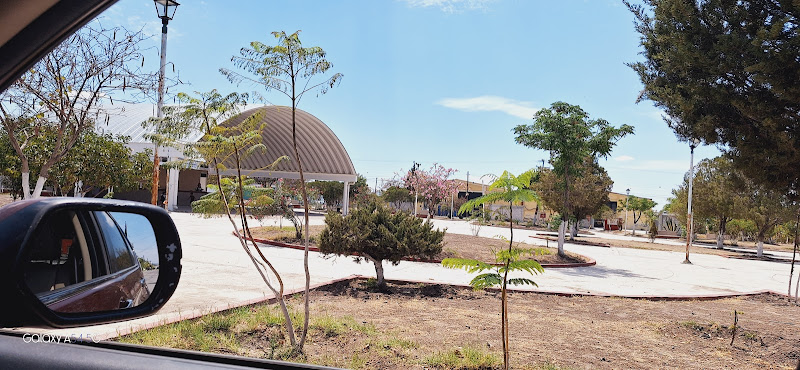
Parque Rancho Banthí
Find Accommodations Nearby
Recommended Tours & Activities
Visitor Reviews
There are no reviews yet. Be the first one to write one.
Share Your Experience
Have you visited Calle Melchor Ocampo 48? Help other travelers by leaving a review.