
California Citrus State Historic Park
About California Citrus State Historic Park
Description
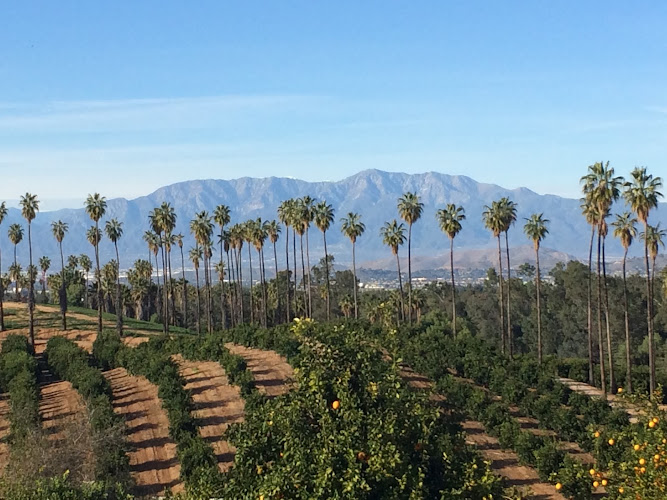
California Citrus State Historic Park stands as a living testament to one of California's most transformative agricultural periods. This 247-acre preserve in Riverside captures the essence of the citrus boom that shaped Southern California's landscape, economy, and culture throughout the early-to-mid 20th century. And honestly, it's one of those places that surprises you - what might seem like "just another park" actually tells an incredibly compelling story about how oranges literally built communities.
The park operates as both a historical site and an active agricultural demonstration, where visitors can walk through actual citrus groves while learning about the industry that once dominated the region. I've always found it fascinating how something as simple as an orange could transform entire counties, and this park does an excellent job showing that transformation. The museum component houses artifacts, photographs, and interactive exhibits that chronicle everything from irrigation techniques to labor movements.
What makes this place particularly unique is its dual nature - it's simultaneously a working citrus operation and a historical preservation site. You're not just looking at static displays; you're experiencing a living piece of California's agricultural heritage. The park maintains heritage citrus varieties, some of which are rare or no longer commercially grown, giving visitors a taste (quite literally) of history.
Key Features
The California Citrus State Historic Park offers several distinctive attractions that set it apart from typical state parks:
- Heritage Citrus Groves: Walk through authentic groves featuring historical citrus varieties, including navel oranges, Valencia oranges, grapefruits, and lemons that represent the backbone of California's citrus industry
- Interactive Museum Exhibits: Comprehensive displays covering irrigation systems, packing house operations, transportation methods, and the social impact of the citrus boom on local communities
- Seasonal Citrus Tastings: Sample fresh fruit directly from the trees during peak harvest seasons - there's nothing quite like tasting an orange that's been growing using century-old techniques
- Self-Guided Walking Trails: Multiple pathways wind through the groves, each offering different perspectives on citrus cultivation and historical significance
- Historic Packing House: Restored building that demonstrates how citrus was processed and prepared for shipment across the country
- Educational Programs: Regular workshops and guided tours that delve deep into topics like sustainable agriculture, water management, and cultural history
- Picnic Areas: Shaded spots throughout the grounds perfect for families wanting to enjoy lunch surrounded by fragrant citrus trees
- Photography Opportunities: Endless rows of citrus trees create stunning visual compositions, especially during blooming season when the air fills with the scent of orange blossoms
Best Time to Visit
Timing your visit to California Citrus State Historic Park can significantly enhance your experience, and I'd recommend planning around both weather patterns and agricultural cycles. The absolute best time is during citrus blooming season, typically March through May, when the entire park transforms into something almost magical. The air becomes thick with the perfume of orange blossoms, and you'll understand why early California developers used citrus groves as selling points for their communities.
But here's something most people don't realize - each season offers completely different experiences. Winter months (December through February) coincide with peak harvest time for many citrus varieties. You'll see the trees heavy with fruit, and the tasting opportunities are at their absolute best. Plus, Southern California's mild winter weather makes this an ideal time for comfortable walking.
Spring brings those incredible blooming displays I mentioned, but it's also when the park's educational programs tend to be most active. School groups visit frequently during this time, which can either add to the educational atmosphere or create crowds, depending on your preference.
Summer can be quite hot in Riverside, with temperatures often exceeding 100°F. However, early morning visits during summer months offer some advantages - you'll have the park mostly to yourself, and the citrus trees provide decent shade once the sun gets higher. And honestly, there's something authentic about experiencing the heat that citrus workers dealt with historically.
Fall (September through November) represents perhaps the most underrated time to visit. The weather cools down, crowds thin out, and you can still find late-season fruit on many trees. It's also when the park staff tends to have more time for in-depth conversations about the exhibits and history.
How to Get There
Getting to California Citrus State Historic Park requires a bit of planning since public transportation options are limited. The park sits in Riverside, easily accessible from major Southern California freeways, but you'll definitely want to drive or arrange for a ride.
From Los Angeles, take Interstate 10 East toward Riverside - it's about a 60-mile drive that typically takes 1.5 to 2 hours depending on traffic conditions. And let me tell you, LA traffic can be brutal, so plan accordingly. I've learned the hard way that leaving during rush hour can turn what should be a pleasant drive into a frustrating crawl.
If you're coming from San Diego, head north on Interstate 15, then connect to Interstate 215 North through the Inland Empire. This route covers approximately 100 miles and usually takes around 2 hours in normal traffic.
Orange County visitors have perhaps the most straightforward route - take State Route 91 East directly into Riverside. This drive typically takes 45 minutes to an hour, depending on your starting point and traffic conditions.
Once you're in the general area, the park is well-marked with standard California State Parks signage. Parking is free and generally adequate, though weekend visits during peak seasons (especially spring blooming time) can fill up the main lot. There's overflow parking available, but it might require a slightly longer walk to the main facilities.
For those relying on public transportation, Riverside Transit Agency does serve the general area, but you'll likely need to combine bus routes with some walking. It's doable but definitely more complicated than driving.
Tips for Visiting
Based on multiple visits and conversations with park staff over the years, here are the insights that'll help you make the most of your California Citrus State Historic Park experience.
First things first - bring comfortable walking shoes with good traction. The paths through the citrus groves aren't always perfectly smooth, and you'll be doing more walking than you might expect. I made the mistake once of wearing brand new shoes and regretted it within the first hour.
Water is absolutely essential, especially during warmer months. While the citrus trees provide some shade, you'll be outdoors for extended periods. The park has water fountains, but I always recommend bringing your own bottle. And here's a pro tip - freeze a water bottle the night before and let it slowly melt during your visit for ice-cold refreshment.
Don't rush through the museum portion. I know it might seem small compared to major metropolitan museums, but the exhibits contain fascinating details about California's agricultural development. The staff members are incredibly knowledgeable - many have backgrounds in agriculture or local history - and they love sharing stories that go beyond the standard displays.
If you're visiting during citrus season, ask about tasting opportunities. The park occasionally offers samples of heritage varieties you won't find in grocery stores. These tastings provide incredible insight into how different citrus varieties were developed for specific purposes - some for juice, others for shipping long distances, others for local fresh consumption.
Photography enthusiasts should visit during golden hour - either early morning or late afternoon - when the light filtering through citrus leaves creates beautiful natural compositions. But be respectful of the working agricultural areas and stay on designated paths.
Consider packing a picnic lunch. The park has excellent facilities for outdoor dining, and eating surrounded by citrus groves adds a unique dimension to the experience. Just remember to clean up thoroughly - agricultural areas require careful maintenance.
Check the park's schedule before visiting. While the grounds are generally open during standard hours, special programs, educational events, and maintenance activities can affect access to certain areas. The museum portion has more limited hours than the outdoor areas.
Finally, don't underestimate how much time you'll want to spend here. What looks like a quick stop often turns into a half-day experience, especially if you're interested in agricultural history or enjoy peaceful walks through well-maintained groves. Plan accordingly and don't schedule tight connections afterward.
Key Features
- Key Features
- Best Time to Visit
- How to Get There
- Tips for Visiting
More Details
Updated September 22, 2025
Table of Contents
Description
California Citrus State Historic Park stands as a living testament to one of California’s most transformative agricultural periods. This 247-acre preserve in Riverside captures the essence of the citrus boom that shaped Southern California’s landscape, economy, and culture throughout the early-to-mid 20th century. And honestly, it’s one of those places that surprises you – what might seem like “just another park” actually tells an incredibly compelling story about how oranges literally built communities.
The park operates as both a historical site and an active agricultural demonstration, where visitors can walk through actual citrus groves while learning about the industry that once dominated the region. I’ve always found it fascinating how something as simple as an orange could transform entire counties, and this park does an excellent job showing that transformation. The museum component houses artifacts, photographs, and interactive exhibits that chronicle everything from irrigation techniques to labor movements.
What makes this place particularly unique is its dual nature – it’s simultaneously a working citrus operation and a historical preservation site. You’re not just looking at static displays; you’re experiencing a living piece of California’s agricultural heritage. The park maintains heritage citrus varieties, some of which are rare or no longer commercially grown, giving visitors a taste (quite literally) of history.
Key Features
The California Citrus State Historic Park offers several distinctive attractions that set it apart from typical state parks:
- Heritage Citrus Groves: Walk through authentic groves featuring historical citrus varieties, including navel oranges, Valencia oranges, grapefruits, and lemons that represent the backbone of California’s citrus industry
- Interactive Museum Exhibits: Comprehensive displays covering irrigation systems, packing house operations, transportation methods, and the social impact of the citrus boom on local communities
- Seasonal Citrus Tastings: Sample fresh fruit directly from the trees during peak harvest seasons – there’s nothing quite like tasting an orange that’s been growing using century-old techniques
- Self-Guided Walking Trails: Multiple pathways wind through the groves, each offering different perspectives on citrus cultivation and historical significance
- Historic Packing House: Restored building that demonstrates how citrus was processed and prepared for shipment across the country
- Educational Programs: Regular workshops and guided tours that delve deep into topics like sustainable agriculture, water management, and cultural history
- Picnic Areas: Shaded spots throughout the grounds perfect for families wanting to enjoy lunch surrounded by fragrant citrus trees
- Photography Opportunities: Endless rows of citrus trees create stunning visual compositions, especially during blooming season when the air fills with the scent of orange blossoms
Best Time to Visit
Timing your visit to California Citrus State Historic Park can significantly enhance your experience, and I’d recommend planning around both weather patterns and agricultural cycles. The absolute best time is during citrus blooming season, typically March through May, when the entire park transforms into something almost magical. The air becomes thick with the perfume of orange blossoms, and you’ll understand why early California developers used citrus groves as selling points for their communities.
But here’s something most people don’t realize – each season offers completely different experiences. Winter months (December through February) coincide with peak harvest time for many citrus varieties. You’ll see the trees heavy with fruit, and the tasting opportunities are at their absolute best. Plus, Southern California’s mild winter weather makes this an ideal time for comfortable walking.
Spring brings those incredible blooming displays I mentioned, but it’s also when the park’s educational programs tend to be most active. School groups visit frequently during this time, which can either add to the educational atmosphere or create crowds, depending on your preference.
Summer can be quite hot in Riverside, with temperatures often exceeding 100°F. However, early morning visits during summer months offer some advantages – you’ll have the park mostly to yourself, and the citrus trees provide decent shade once the sun gets higher. And honestly, there’s something authentic about experiencing the heat that citrus workers dealt with historically.
Fall (September through November) represents perhaps the most underrated time to visit. The weather cools down, crowds thin out, and you can still find late-season fruit on many trees. It’s also when the park staff tends to have more time for in-depth conversations about the exhibits and history.
How to Get There
Getting to California Citrus State Historic Park requires a bit of planning since public transportation options are limited. The park sits in Riverside, easily accessible from major Southern California freeways, but you’ll definitely want to drive or arrange for a ride.
From Los Angeles, take Interstate 10 East toward Riverside – it’s about a 60-mile drive that typically takes 1.5 to 2 hours depending on traffic conditions. And let me tell you, LA traffic can be brutal, so plan accordingly. I’ve learned the hard way that leaving during rush hour can turn what should be a pleasant drive into a frustrating crawl.
If you’re coming from San Diego, head north on Interstate 15, then connect to Interstate 215 North through the Inland Empire. This route covers approximately 100 miles and usually takes around 2 hours in normal traffic.
Orange County visitors have perhaps the most straightforward route – take State Route 91 East directly into Riverside. This drive typically takes 45 minutes to an hour, depending on your starting point and traffic conditions.
Once you’re in the general area, the park is well-marked with standard California State Parks signage. Parking is free and generally adequate, though weekend visits during peak seasons (especially spring blooming time) can fill up the main lot. There’s overflow parking available, but it might require a slightly longer walk to the main facilities.
For those relying on public transportation, Riverside Transit Agency does serve the general area, but you’ll likely need to combine bus routes with some walking. It’s doable but definitely more complicated than driving.
Tips for Visiting
Based on multiple visits and conversations with park staff over the years, here are the insights that’ll help you make the most of your California Citrus State Historic Park experience.
First things first – bring comfortable walking shoes with good traction. The paths through the citrus groves aren’t always perfectly smooth, and you’ll be doing more walking than you might expect. I made the mistake once of wearing brand new shoes and regretted it within the first hour.
Water is absolutely essential, especially during warmer months. While the citrus trees provide some shade, you’ll be outdoors for extended periods. The park has water fountains, but I always recommend bringing your own bottle. And here’s a pro tip – freeze a water bottle the night before and let it slowly melt during your visit for ice-cold refreshment.
Don’t rush through the museum portion. I know it might seem small compared to major metropolitan museums, but the exhibits contain fascinating details about California’s agricultural development. The staff members are incredibly knowledgeable – many have backgrounds in agriculture or local history – and they love sharing stories that go beyond the standard displays.
If you’re visiting during citrus season, ask about tasting opportunities. The park occasionally offers samples of heritage varieties you won’t find in grocery stores. These tastings provide incredible insight into how different citrus varieties were developed for specific purposes – some for juice, others for shipping long distances, others for local fresh consumption.
Photography enthusiasts should visit during golden hour – either early morning or late afternoon – when the light filtering through citrus leaves creates beautiful natural compositions. But be respectful of the working agricultural areas and stay on designated paths.
Consider packing a picnic lunch. The park has excellent facilities for outdoor dining, and eating surrounded by citrus groves adds a unique dimension to the experience. Just remember to clean up thoroughly – agricultural areas require careful maintenance.
Check the park’s schedule before visiting. While the grounds are generally open during standard hours, special programs, educational events, and maintenance activities can affect access to certain areas. The museum portion has more limited hours than the outdoor areas.
Finally, don’t underestimate how much time you’ll want to spend here. What looks like a quick stop often turns into a half-day experience, especially if you’re interested in agricultural history or enjoy peaceful walks through well-maintained groves. Plan accordingly and don’t schedule tight connections afterward.
Key Highlights
- Key Features
- Best Time to Visit
- How to Get There
- Tips for Visiting
Location
Places to Stay Near California Citrus State Historic Park
Find and Book a Tour
Explore More Travel Guides
No reviews found! Be the first to review!
Traveler Reviews for California Citrus State Historic Park
There are no reviews yet. Be the first one to write one.
Have you visited California Citrus State Historic Park? Help other travelers by sharing your review.
You Might Also Like
Hunter Hobby Park
Jensen Alvarado Historic Ranch and Museum

The Cove Waterpark
Find Accommodations Nearby
Recommended Tours & Activities
Visitor Reviews
There are no reviews yet. Be the first one to write one.
Share Your Experience
Have you visited California Citrus State Historic Park? Help other travelers by leaving a review.