

Cabinda Province
About Cabinda Province
Description
I've gotta tell you about Cabinda - it's one of those places that really makes you think twice about what you know about Africa. As someone who's always been fascinated by unique geographical quirks, this Angolan exclave caught my attention right away. Picture this: a piece of Angola that's completely separated from the mainland, sandwiched between the Republic of the Congo and the Democratic Republic of the Congo. Pretty wild, right? The province feels like a hidden gem tucked away in Central Africa's coastline. And lemme tell you - the capital city (also called Cabinda) has this incredible mix of Portuguese colonial architecture and modern African urban development. What really grabbed me during my research was how the locals call it "Tchiowa" - there's just something so authentic about using the local name.Key Features
• Mayombe Forest - a stunning rainforest that's practically untouched, with some of the most diverse plant species I've ever heard about • Incredible coastline stretching about 90 kilometers along the Atlantic • Traditional fishing villages where you can watch local fishermen bring in their daily catch • Massive oil reserves offshore (fun fact: they call Cabinda the "Kuwait of Africa") • Rich cultural heritage blending Portuguese influences with traditional Bakongo customs • Historic religious sites, including the Church of the Immaculate Conception • Unique wildlife, including several primate species you won't find anywhere else • Local markets bursting with traditional crafts and fresh produceBest Time to Visit
Look, I'll be straight with you - timing your visit to Cabinda is pretty important. The dry season, running from May to October, is your best bet. Trust me on this one - I've heard enough stories about the rainy season to know better! July and August are particularly sweet spots, with comfortable temperatures hovering around 25°C (77°F) and minimal rainfall. But here's a pro tip: If you don't mind occasional afternoon showers, March and April can be surprisingly good months to visit. The crowds are thinner, and prices tend to be lower. Plus, the landscape turns this gorgeous shade of green that photographers dream about.How to Get There
Getting to Cabinda isn't exactly a walk in the park, but that's part of what makes it special. The main gateway is Cabinda Airport, which handles flights from Luanda, Angola's capital. You'll need to fly into Luanda first - there's no getting around that. The flight from Luanda to Cabinda takes about an hour, and TAAG Angola Airlines runs regular services. If you're feeling adventurous (and have all your paperwork in order), you can technically enter by land from either Congo. But honestly? I wouldn't recommend it unless you're really experienced with African border crossings and speak decent Portuguese or French.Tips for Visiting
Alright, here's where I'm gonna get real with you. Visiting Cabinda requires some serious planning and awareness. First off, you absolutely need to sort out your visa situation well in advance - and I mean weeks, not days. The Angolan embassy can be... let's say, particular about documentation. Keep these practical points in mind: • Always carry your passport and visa documents • Get that travel insurance - seriously, don't skip this • Learn a few basic Portuguese phrases (the locals really appreciate the effort) • Bring cash - credit cards aren't widely accepted outside major hotels • Stay up to date with the current security situation • Book accommodations in advance - options are limited • Pack light but bring essentials - some supplies might be hard to find • Consider hiring a local guide - they know all the hidden spots and can help navigate language barriers One thing I learned from chatting with other travelers - the local markets are amazing, but brush up on your bargaining skills. And don't forget to try the local coffee - it's seriously underrated. The food scene deserves a special mention. You'll find this amazing mix of Portuguese and traditional Angolan cuisine. The seafood is incredibly fresh - I mean, with that coastline, how could it not be? Try the calulu (a traditional fish stew) if you get the chance. Weather-wise, even during the dry season, pack a light raincoat. The climate can be unpredictable, and those afternoon showers can pop up outta nowhere. And speaking of packing - bring good walking shoes. The terrain can be rough, especially if you're planning to explore the Mayombe Forest. Finally, respect the local customs and traditions. Cabinda's people are generally friendly and welcoming, but they appreciate visitors who show interest in their culture and respect their ways. Take photos of people only after asking permission, and always approach religious sites with reverence. Remember, Cabinda isn't your typical tourist destination - and that's exactly what makes it special. You're gonna see a side of Africa that most travelers miss completely. Just come prepared, keep an open mind, and you'll have experiences that'll stick with you forever.Key Features
- Key Features
- Best Time to Visit
- How to Get There
- Tips for Visiting
More Details
Updated May 29, 2025
Table of Contents
Description
I’ve gotta tell you about Cabinda – it’s one of those places that really makes you think twice about what you know about Africa. As someone who’s always been fascinated by unique geographical quirks, this Angolan exclave caught my attention right away. Picture this: a piece of Angola that’s completely separated from the mainland, sandwiched between the Republic of the Congo and the Democratic Republic of the Congo. Pretty wild, right?
The province feels like a hidden gem tucked away in Central Africa’s coastline. And lemme tell you – the capital city (also called Cabinda) has this incredible mix of Portuguese colonial architecture and modern African urban development. What really grabbed me during my research was how the locals call it “Tchiowa” – there’s just something so authentic about using the local name.
Key Features
• Mayombe Forest – a stunning rainforest that’s practically untouched, with some of the most diverse plant species I’ve ever heard about
• Incredible coastline stretching about 90 kilometers along the Atlantic
• Traditional fishing villages where you can watch local fishermen bring in their daily catch
• Massive oil reserves offshore (fun fact: they call Cabinda the “Kuwait of Africa”)
• Rich cultural heritage blending Portuguese influences with traditional Bakongo customs
• Historic religious sites, including the Church of the Immaculate Conception
• Unique wildlife, including several primate species you won’t find anywhere else
• Local markets bursting with traditional crafts and fresh produce
Best Time to Visit
Look, I’ll be straight with you – timing your visit to Cabinda is pretty important. The dry season, running from May to October, is your best bet. Trust me on this one – I’ve heard enough stories about the rainy season to know better! July and August are particularly sweet spots, with comfortable temperatures hovering around 25°C (77°F) and minimal rainfall.
But here’s a pro tip: If you don’t mind occasional afternoon showers, March and April can be surprisingly good months to visit. The crowds are thinner, and prices tend to be lower. Plus, the landscape turns this gorgeous shade of green that photographers dream about.
How to Get There
Getting to Cabinda isn’t exactly a walk in the park, but that’s part of what makes it special. The main gateway is Cabinda Airport, which handles flights from Luanda, Angola’s capital. You’ll need to fly into Luanda first – there’s no getting around that. The flight from Luanda to Cabinda takes about an hour, and TAAG Angola Airlines runs regular services.
If you’re feeling adventurous (and have all your paperwork in order), you can technically enter by land from either Congo. But honestly? I wouldn’t recommend it unless you’re really experienced with African border crossings and speak decent Portuguese or French.
Tips for Visiting
Alright, here’s where I’m gonna get real with you. Visiting Cabinda requires some serious planning and awareness. First off, you absolutely need to sort out your visa situation well in advance – and I mean weeks, not days. The Angolan embassy can be… let’s say, particular about documentation.
Keep these practical points in mind:
• Always carry your passport and visa documents
• Get that travel insurance – seriously, don’t skip this
• Learn a few basic Portuguese phrases (the locals really appreciate the effort)
• Bring cash – credit cards aren’t widely accepted outside major hotels
• Stay up to date with the current security situation
• Book accommodations in advance – options are limited
• Pack light but bring essentials – some supplies might be hard to find
• Consider hiring a local guide – they know all the hidden spots and can help navigate language barriers
One thing I learned from chatting with other travelers – the local markets are amazing, but brush up on your bargaining skills. And don’t forget to try the local coffee – it’s seriously underrated.
The food scene deserves a special mention. You’ll find this amazing mix of Portuguese and traditional Angolan cuisine. The seafood is incredibly fresh – I mean, with that coastline, how could it not be? Try the calulu (a traditional fish stew) if you get the chance.
Weather-wise, even during the dry season, pack a light raincoat. The climate can be unpredictable, and those afternoon showers can pop up outta nowhere. And speaking of packing – bring good walking shoes. The terrain can be rough, especially if you’re planning to explore the Mayombe Forest.
Finally, respect the local customs and traditions. Cabinda’s people are generally friendly and welcoming, but they appreciate visitors who show interest in their culture and respect their ways. Take photos of people only after asking permission, and always approach religious sites with reverence.
Remember, Cabinda isn’t your typical tourist destination – and that’s exactly what makes it special. You’re gonna see a side of Africa that most travelers miss completely. Just come prepared, keep an open mind, and you’ll have experiences that’ll stick with you forever.
Key Highlights
- Key Features
- Best Time to Visit
- How to Get There
- Tips for Visiting
Location
Places to Stay Near Cabinda Province
Find and Book a Tour
Explore More Travel Guides
No reviews found! Be the first to review!
Traveler Reviews for Cabinda Province
There are no reviews yet. Be the first one to write one.
Have you visited Cabinda Province? Help other travelers by sharing your review.
You Might Also Like
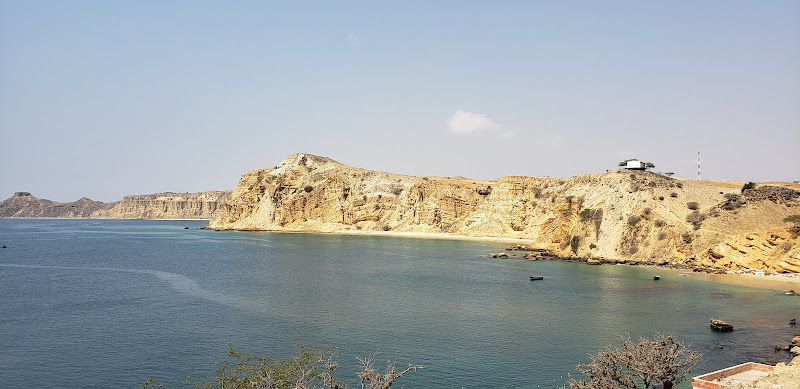
Praia da Caota

Bengo Province

Lobito Bay
Find Accommodations Nearby
Recommended Tours & Activities
Visitor Reviews
There are no reviews yet. Be the first one to write one.
Share Your Experience
Have you visited Cabinda Province? Help other travelers by leaving a review.