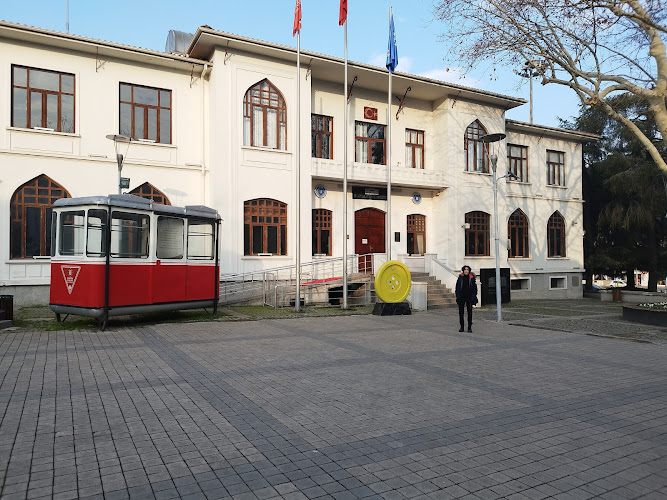
The museum focuses on city history and daily life across centuries, and it does this with a surprisingly theatrical touch: life-size dioramas of traditional workshops, carefully arranged artifacts, and interpretive displays that stitch local stories together into a readable narrative. The experience feels less like a cold archive and more like walking through a series of rooms where people once worked, traded, argued, and brewed tea. The tone is intentionally domestic — intimate rather than monumental — which suits Bursa, a place with big historical weight but a quietly industrious present.
Visitors will notice straight away that the museum’s strength is storytelling through scenes. The dioramas are not gimmicks; they are research-backed recreations of tailors, coppersmiths, and silk-weavers, with tools and small objects arranged as though the craftspeople just stepped away for a moment. That matters, because Bursa is closely tied to the silk trade and early Ottoman craft traditions, and those everyday activities shaped the city as much as high politics did. The museum does a good job showing that continuity. There are also artifacts — ceramics, textiles, small metalwork pieces — that anchor the dioramas in material culture. These artifacts are displayed with concise labels and contextual panels, so a visitor doesn’t need a PhD to get it.
The layout follows a roughly chronological arc, but the curators favor thematic rooms over a strict timeline. So one room might group textile tools, merchant ledgers, and trade-route maps; another room will assemble domestic objects that speak to family life and religious practice. That design choice makes the visit feel like a series of conversations. And while some sections are more scholarly, most displays aim for approachable explanations, using plain language and analogies that help a non-specialist connect dots quickly.
Accessibility is a practical highlight. The museum offers a wheelchair-accessible entrance, accessible parking, and restrooms that meet basic accessibility standards. Those small but essential details show a willingness to welcome a broad range of visitors: families with strollers, older guests who tire quickly, and travelers carrying heavy backpacks. There is a restroom on site, but no full-service restaurant, so planning ahead for food is wise. The space is good for kids; children tend to light up in the workshop dioramas and in sections that recreate everyday life. The museum includes interactive moments designed to engage younger minds — nothing flashy, but thoughtful activities that make history tactile.
There is a balanced feel to the interpretation. The museum acknowledges Bursa’s Ottoman-era importance without turning every exhibit into a patriotic pageant. Instead, it highlights how changing crafts, markets, and neighborhoods affected ordinary people. For travelers who expect only monumental narratives about sultans and mosques, the museum offers a refreshing corrective: history as lived practice. That said, some visitors might find the exhibition pacing variable. Certain rooms are richly detailed and demand time; others are sparser and feel like brief asides. That unevenness can be charming — it keeps the pace unpredictable — but it may frustrate people who prefer a uniform level of detail from start to finish.
Atmosphere-wise, the museum sits in a building that gives off an urban, civic-museum vibe rather than a palace or house-museum aesthetic. Lighting is generally adequate, aimed at protecting artifacts, so photography needs a bit of patience; flash is not recommended. Labels are often bilingual, which helps non-Turkish speakers get core information quickly. Visitors who like to linger will appreciate small surprises tucked into display cases: a merchant’s seal, a handwritten account book, or a patched quilt that silently points to migration, poverty, or family care across decades.
For history buffs, the museum offers solid context on Bursa as one of the first Ottoman capitals and as a hub of early Turkish-Islamic culture in the region. It connects local architectural developments and craft traditions to wider imperial trends, without losing sight of local particularities. For cultural travelers who want to understand how daily life shaped the cityscape, the exhibits clarify why some neighborhoods developed as craft quarters, why certain markets became famous, and how local skills were passed down. There is also attention to intangible heritage: craft techniques, apprenticeship models, and the rhythms of market days are introduced as living cultural practices rather than dead curiosities.
Practical details come up in subtle ways. The museum signals typical visit length by the density of exhibits: a relaxed walk-through takes around 60 to 90 minutes, while a careful, note-taking visit can easily stretch to two hours. Because there is no restaurant, the museum is often paired with nearby cafés or market streets where one can continue the theme of local food, trade, and conversation. The building’s rest areas and seating nooks are modest but adequate, useful for families or older visitors who need short breaks. Exhibit flows are clear, though the signage could be a smidge stronger in one or two transition zones; a visitor keen on following a precise route may appreciate asking staff for a brief orientation on arrival.
The museum’s educational outreach resonates in the way displays are curated for mixed audiences. The panels avoid heavy jargon, and where deeper context is provided, it is organized so that casual readers can skip into a more detailed side note if they want. School groups, actors from local theatre troupes, and craft associations have used the museum as a staging ground for workshops and temporary exhibitions in the past; that dynamic makes the museum feel embedded in a living community rather than an isolated repository.
There are small, human stories embedded throughout that give the place real personality. One corridor is dedicated to oral histories and archival photographs; the faces in those photos are arranged without glamour, showing workers at tea, a family portrait outside a single-room shop, a market stall with sacks of spices. A visitor might find themselves unexpectedly moved by a stitched family album or a child’s painted toy preserved behind glass. Those moments, more than the headline facts about the Ottoman past, are what make the museum memorable.
Of course, no museum is perfect. Expect some crowds during high season and cultural holidays, and a few of the display texts could be updated or expanded. The lack of a full café means planning for food, especially on hot afternoons when finding a shaded spot becomes a priority. The museum also emphasizes local artifacts and domestic life, so travelers looking for extensive collections of royal objects or monumental archaeology might want to supplement this visit with a stop at larger national museums in the region. Still, for visitors curious about the social fabric that made Bursa what it is, this museum is unusually candid and grounded.
Finally, a small practical note from the writer who has spent time in Turkish museums: take a little extra time to read the captions. The exhibits are arranged to reward close reading, and often the best bits — the unusual trade names, the personal anecdotes clipped from old letters, the map that reveals an old trade route — are tucked into labels that feel like discoveries. And if the museum hosts a temporary exhibit when they visit, it’s worth lingering; those temporary shows often bring contemporary voices into conversation with the past in clever ways. For the traveler who loves stories of craft, commerce, and everyday life, the Bursa City Museum quietly delivers and often surprises.
 Real Journey Travels