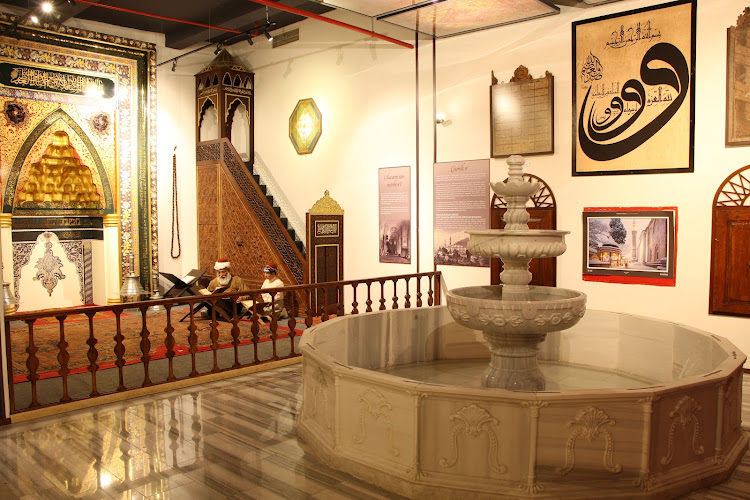
It functions as a museum, an art center, a historical landmark and, for many, a welcome tourist attraction that offers more than the usual glass cases and placards. Housed close to the Merinos Cd. area in Gaziakdemir, the institution mixes carefully conserved artifacts with live cultural programming, and that combination gives the place a particular rhythm — part quiet study, part performance hall. Visitors who like to feel the past and see how it converses with the present tend to linger here.
On first glance the museum’s design reads modern, but the content reaches back into Ottoman-era material culture, Turkish Islamic art and local history. The galleries weave coins, textiles, everyday objects and select art pieces into thematic rooms that tell not just chronological stories but also the kind of small human stories that make history sticky. Objects are labeled in clear language and the explanatory panels generally avoid piling on jargon — which is nice, because nobody really wants to decode a thesis while on holiday. The displays include archaeological finds, numismatic collections, and examples of Ottoman craftsmanship that make it easy to imagine daily life across different centuries in this region.
One feature that often surprises first-time guests is the museum’s commitment to live performances. Small-scale concerts, traditional music ensembles and occasional theatrical events take place in an intimate performance area. These events change the pace inside the museum: galleries become a backdrop rather than a boundary. A family might move from a display of 19th-century ceramics to a short folk music set without stepping outside. For travellers who prefer a pinch of serendipity, this is a delightful wrinkle — more than once, a visitor has arrived expecting only exhibits and left with a memory of a live saz performance echoing between display cases.
Accessibility matters here. The museum has a wheelchair-accessible entrance and parking, plus assisted listening devices for presentations and performances. That level of thoughtfulness shows: it signals the museum isn’t set up just for the casual passerby but is designed for a broader range of visitors. Restrooms and a small restaurant on-site keep practical needs covered — important, because museums are officially the only places where people can spend hours without being judged for lingering over a bench and a coffee.
Families and children are welcomed. The museum’s layout and exhibition choices have been intentionally made to engage younger visitors: interactive stations, kid-friendly text panels and occasional workshops aimed at children. It’s not a theme park, obviously, but it is a place where curious hands and inquisitive minds can find something to play with and learn from. Parents often note that the museum is good for kids — a few minutes at the hands-on stations stretches into an hour of concentrated attention. That is, if the child isn’t distracted by the performance schedule, which tends to steal the show sometimes.
Practical matters are handled with reasonable efficiency. Entry procedures flow steadily even when the museum is moderately busy. The staff are generally helpful and, in the writer’s experience, they do attempt to answer questions beyond the usual who/what/when. One traveler once asked about the story behind a specific ceramic motif and ended up chatting with a guide who had grown up in a nearby village and who told a three-minute tale that tied the motif to a local festival. Those small human connections — staff who can tell a story beyond the label — are what turns a standard visit into a memorable one.
The curatorial tone is balanced. The museum leans into its strengths: regional history, Ottoman-period material, Turkish Islamic art elements and contemporary responses to historical themes. That means visitors seeking a deep dive into any single topic might find the coverage broad rather than exhaustive. And that’s okay; the museum seems to want to be a doorway into Bursa’s cultural conversation, not the entire conversation. Travelers who plan a short visit can get a strong overview of the city’s historical threads in one go. Those who crave nitty-gritty academic depth might want to pair their visit with a specialized tour or a scholarly reading list.
It is also worth noting how the institution handles rotating exhibitions. Temporary shows often spotlight local artists or thematic takes on Ottoman-era life, and they are typically arranged so that repeat visitors will find something new. The balance between permanent collections and temporary exhibitions keeps the flow interesting; regular visitors report returning because there’s often a small new angle or an artist-in-residence project to check out. For travel-planners trying to decide whether to pencil this museum into a two-day or three-day stay in Bursa, that flexibility is useful: an hour-and-a-half visit covers the essentials, while a longer afternoon can include a performance and a meal at the museum’s restaurant.
Speaking of meals, the on-site restaurant provides a practical pause. It’s not Michelin territory — but then again, most travelers appreciate a clear, comfortable place to rest between galleries. Coffee, light lunches and some regional snacks are typically available. The presence of the restaurant also supports a looser rhythm: the museum becomes a place to spend an afternoon rather than a quick checkbox on a to-do list. Restroom facilities are well-maintained and located sensibly near the main circulation paths, which helps keep transitions between viewing rooms smooth.
The atmosphere is frequently described as family-friendly and welcoming rather than overly formal. That said, experiences vary and some visitors looking for a hushed, reverent museum vibe may find the live performance schedule and family activity areas a touch lively. Perspective matters: most travelers end up appreciating this blend, because it mirrors how Bursa itself functions — a city that carries historical weight but also pulses with contemporary life.
Bursa Museum also plays a modest role in promoting local cultural heritage. The museum highlights how the city once sat at the crossroads of trade and how Ottoman-era architecture and civic life shaped the region. Exhibits include pieces that connect to broader themes like the Ottoman empire and Turkish cultural practices, while maintaining a regional focus that makes the museum particularly relevant to understanding Bursa’s past and present. Visitors who enjoy connecting place to context will leave with a stronger sense of why certain architectural forms or craft traditions developed here.
For photographers and casual creatives, the museum’s interplay of light, material textures and small performance moments can be unexpectedly rewarding. There are no sweeping cathedral aisles to photograph, but the carefully lit cases, the patterns on textiles and the candid shots of local musicians performing provide a different aesthetic — intimate, detailed, sometimes quietly humorous. One frequent traveler described the museum as the kind of place where details jump at you: the curl in a ceramic handle, the fade of a textile dye, the way a musician’s fingers hover over strings.
Finally, the overall visitor sentiment tends towards positive. Many come away impressed by the mix of accessibility, good interpretive panels and occasional live programming. A smaller number feel the exhibits could be deeper in certain areas, and that is fair; it’s not a national mega-museum with sprawling specialist wings. Instead, the Bursa Museum offers a thoughtfully curated, approachable experience that suits travelers who want context and color without getting bogged down. It’s the kind of spot where the casual visitor and the history enthusiast can share a pleasant afternoon and, if the schedule aligns, a little unexpected music to boot.
In short, the Bursa Museum is a personable, well-run cultural hub. Travelers who like museums that spark curiosity rather than overwhelm will find this place rewarding. And for those who appreciate practical amenities — accessible entrances, assisted listening devices, a decent on-site restaurant — the museum stacks up well. It invites exploration, encourages questions, and every so often delivers a live moment that sticks in the memory far longer than a museum label ever could.
 Real Journey Travels