About Bunkyo Cultural Association of Mogi das Cruzes

Description

The Bunkyo Cultural Association of Mogi das Cruzes is one of those places that quietly shapes a city, even if you don’t notice it at first glance. It isn’t flashy, and it doesn’t try to be. And honestly, that’s part of the appeal. This association plays a big role in preserving and sharing Japanese-Brazilian culture in the region, while also functioning as a charity-driven organization with strong community roots. Travelers who enjoy cultural depth, not just ticking off landmarks, usually leave with a deeper appreciation for Mogi das Cruzes after spending time here.

Walking into the Bunkyo space feels a bit like stepping into a shared living room of the community. There’s a sense of purpose in the air. People come here to volunteer, to attend events, to celebrate traditions, or simply to feel connected. It reminded me of similar cultural centers I’ve visited in São Paulo state, but this one feels more personal. Less polished maybe, but more heartfelt. And yes, you might notice that not every corner looks brand new. But that’s real life, right? Places that actually get used tend to show a little wear.

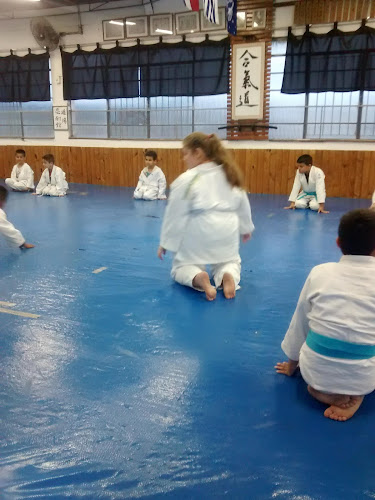
The association focuses on charity work, cultural education, and social integration. For travelers, that translates into the chance to witness how Japanese heritage has blended with Brazilian life over generations. There are festivals, workshops, meetings, and often food involved (thankfully). If you time it right, you might stumble into a cultural celebration that feels more authentic than anything you’d find in a glossy brochure.

Accessibility is clearly taken seriously here. Wheelchair-accessible entrances and parking make it easier for everyone to participate, which is something I personally notice more and more as I travel with family members who need it. It’s not always perfect, but the effort counts. And it shows the association’s broader mission: inclusion, not exclusivity.

For travelers who enjoy understanding the social fabric of a place, the Bunkyo Cultural Association of Mogi das Cruzes offers a grounded, human experience. It’s not about spectacle. It’s about people, memory, and continuity. And sometimes, that’s exactly what you didn’t know you were looking for.

Key Features

  • Strong focus on Japanese-Brazilian cultural preservation and education
  • Active charity and community support initiatives throughout the year
  • Regular cultural events, celebrations, and seasonal festivals
  • Workshops and gatherings that welcome visitors, not just members
  • Wheelchair-accessible entrance and parking area
  • On-site parking, which is honestly a relief in this part of town
  • A welcoming atmosphere where visitors can observe or participate
  • Opportunities to experience local traditions that don’t feel staged

Best Time to Visit

The best time to visit the Bunkyo Cultural Association of Mogi das Cruzes really depends on what you’re hoping to experience. If you want to see the association at its liveliest, plan your visit around cultural events or festivals. These often happen during weekends and around dates significant to Japanese culture. Spring and early autumn tend to be especially pleasant, weather-wise, and that makes lingering around the grounds a lot more enjoyable.

That said, visiting during a quieter weekday has its own charm. I once dropped by on a calm afternoon and ended up chatting with a volunteer who’d been involved with the association for decades. No crowds, no rush. Just stories. Those kinds of moments don’t show up on Instagram, but they stick with you longer.

Summer can be warm, sometimes uncomfortably so, especially if there’s an event with lots of people. But the energy during those times is undeniable. Winter is milder here compared to many other regions, and events still happen, just at a slower pace. So really, there’s no bad time. Just different moods.

If you’re traveling with a tight schedule, it’s worth checking ahead (locally, not online links) to see if something special is happening. Locals are usually happy to tell you what’s coming up. And yes, sometimes plans change last minute. That’s Brazil for you.

How to Get There

Getting to the Bunkyo Cultural Association of Mogi das Cruzes is fairly straightforward, especially if you’re already in the city or coming from São Paulo. Mogi das Cruzes is well connected by road and rail, and once you’re in town, local transport options make the rest of the journey manageable.

If you’re driving, you’ll appreciate the availability of on-site parking. I can’t overstate how much that reduces stress, particularly if you’re not familiar with the area. Traffic can be unpredictable, but signage around the city generally helps you find your way without too much drama.

Public transportation users can rely on buses and trains that serve central Mogi das Cruzes. From there, it’s usually a short taxi or ride-share trip. Some travelers even prefer walking part of the way to get a feel for the neighborhood. Just wear comfortable shoes. Brazilian sidewalks have personality, let’s say.

For international visitors, it’s often easiest to base yourself in São Paulo and make a day trip. The journey isn’t complicated, and it gives you a break from the big-city intensity. And after spending a few hours at the Bunkyo association, the slower pace feels refreshing.

Tips for Visiting

First tip: go with curiosity, not expectations. This isn’t a museum where everything is labeled and explained. You might need to ask questions, and that’s a good thing. People here are generally open and proud of what they do. A simple “Can you tell me more about this?” goes a long way.

Second, be respectful of the charitable nature of the association. Some areas or events may feel more private, especially if community support activities are underway. Observe first, participate when invited. That balance matters.

And here’s a small thing that makes a big difference: arrive on time for events. Brazilian time can be flexible, sure, but cultural programs often follow a schedule. I learned this the hard way once and missed the opening of a performance. Still annoyed at myself about that.

If you have mobility needs, you’ll likely find the accessible features helpful, but it’s smart to allow extra time just in case. Accessibility is present, though not always perfect. That’s being honest.

Bring cash for small donations or food stalls during events. Not everything is digital, and contributing even a little supports the association’s charity work. Plus, you might get to try homemade treats that never make it to restaurants.

Finally, don’t rush your visit. Sit, watch, listen. The Bunkyo Cultural Association of Mogi das Cruzes rewards patience. It’s a place where meaning reveals itself slowly. And if you leave feeling like you understand the city just a bit better, then the visit has done its job.

For travelers interested in cultural associations, charity-driven organizations, and the everyday stories that shape a destination, this place stands out in a quiet, honest way. Not perfect. Not polished. But very real. And sometimes, real beats impressive.

Key Features

  • Strong focus on Japanese-Brazilian cultural preservation and education
  • Active charity and community support initiatives throughout the year
  • Regular cultural events, celebrations, and seasonal festivals
  • Workshops and gatherings that welcome visitors, not just members
  • Wheelchair-accessible entrance and parking area
  • On-site parking, which is honestly a relief in this part of town
  • A welcoming atmosphere where visitors can observe or participate
  • Opportunities to experience local traditions that don’t feel staged

More Details

Updated January 1, 2026

Description

The Bunkyo Cultural Association of Mogi das Cruzes is one of those places that quietly shapes a city, even if you don’t notice it at first glance. It isn’t flashy, and it doesn’t try to be. And honestly, that’s part of the appeal. This association plays a big role in preserving and sharing Japanese-Brazilian culture in the region, while also functioning as a charity-driven organization with strong community roots. Travelers who enjoy cultural depth, not just ticking off landmarks, usually leave with a deeper appreciation for Mogi das Cruzes after spending time here.

Walking into the Bunkyo space feels a bit like stepping into a shared living room of the community. There’s a sense of purpose in the air. People come here to volunteer, to attend events, to celebrate traditions, or simply to feel connected. It reminded me of similar cultural centers I’ve visited in São Paulo state, but this one feels more personal. Less polished maybe, but more heartfelt. And yes, you might notice that not every corner looks brand new. But that’s real life, right? Places that actually get used tend to show a little wear.

The association focuses on charity work, cultural education, and social integration. For travelers, that translates into the chance to witness how Japanese heritage has blended with Brazilian life over generations. There are festivals, workshops, meetings, and often food involved (thankfully). If you time it right, you might stumble into a cultural celebration that feels more authentic than anything you’d find in a glossy brochure.

Accessibility is clearly taken seriously here. Wheelchair-accessible entrances and parking make it easier for everyone to participate, which is something I personally notice more and more as I travel with family members who need it. It’s not always perfect, but the effort counts. And it shows the association’s broader mission: inclusion, not exclusivity.

For travelers who enjoy understanding the social fabric of a place, the Bunkyo Cultural Association of Mogi das Cruzes offers a grounded, human experience. It’s not about spectacle. It’s about people, memory, and continuity. And sometimes, that’s exactly what you didn’t know you were looking for.

Key Features

  • Strong focus on Japanese-Brazilian cultural preservation and education
  • Active charity and community support initiatives throughout the year
  • Regular cultural events, celebrations, and seasonal festivals
  • Workshops and gatherings that welcome visitors, not just members
  • Wheelchair-accessible entrance and parking area
  • On-site parking, which is honestly a relief in this part of town
  • A welcoming atmosphere where visitors can observe or participate
  • Opportunities to experience local traditions that don’t feel staged

Best Time to Visit

The best time to visit the Bunkyo Cultural Association of Mogi das Cruzes really depends on what you’re hoping to experience. If you want to see the association at its liveliest, plan your visit around cultural events or festivals. These often happen during weekends and around dates significant to Japanese culture. Spring and early autumn tend to be especially pleasant, weather-wise, and that makes lingering around the grounds a lot more enjoyable.

That said, visiting during a quieter weekday has its own charm. I once dropped by on a calm afternoon and ended up chatting with a volunteer who’d been involved with the association for decades. No crowds, no rush. Just stories. Those kinds of moments don’t show up on Instagram, but they stick with you longer.

Summer can be warm, sometimes uncomfortably so, especially if there’s an event with lots of people. But the energy during those times is undeniable. Winter is milder here compared to many other regions, and events still happen, just at a slower pace. So really, there’s no bad time. Just different moods.

If you’re traveling with a tight schedule, it’s worth checking ahead (locally, not online links) to see if something special is happening. Locals are usually happy to tell you what’s coming up. And yes, sometimes plans change last minute. That’s Brazil for you.

How to Get There

Getting to the Bunkyo Cultural Association of Mogi das Cruzes is fairly straightforward, especially if you’re already in the city or coming from São Paulo. Mogi das Cruzes is well connected by road and rail, and once you’re in town, local transport options make the rest of the journey manageable.

If you’re driving, you’ll appreciate the availability of on-site parking. I can’t overstate how much that reduces stress, particularly if you’re not familiar with the area. Traffic can be unpredictable, but signage around the city generally helps you find your way without too much drama.

Public transportation users can rely on buses and trains that serve central Mogi das Cruzes. From there, it’s usually a short taxi or ride-share trip. Some travelers even prefer walking part of the way to get a feel for the neighborhood. Just wear comfortable shoes. Brazilian sidewalks have personality, let’s say.

For international visitors, it’s often easiest to base yourself in São Paulo and make a day trip. The journey isn’t complicated, and it gives you a break from the big-city intensity. And after spending a few hours at the Bunkyo association, the slower pace feels refreshing.

Tips for Visiting

First tip: go with curiosity, not expectations. This isn’t a museum where everything is labeled and explained. You might need to ask questions, and that’s a good thing. People here are generally open and proud of what they do. A simple “Can you tell me more about this?” goes a long way.

Second, be respectful of the charitable nature of the association. Some areas or events may feel more private, especially if community support activities are underway. Observe first, participate when invited. That balance matters.

And here’s a small thing that makes a big difference: arrive on time for events. Brazilian time can be flexible, sure, but cultural programs often follow a schedule. I learned this the hard way once and missed the opening of a performance. Still annoyed at myself about that.

If you have mobility needs, you’ll likely find the accessible features helpful, but it’s smart to allow extra time just in case. Accessibility is present, though not always perfect. That’s being honest.

Bring cash for small donations or food stalls during events. Not everything is digital, and contributing even a little supports the association’s charity work. Plus, you might get to try homemade treats that never make it to restaurants.

Finally, don’t rush your visit. Sit, watch, listen. The Bunkyo Cultural Association of Mogi das Cruzes rewards patience. It’s a place where meaning reveals itself slowly. And if you leave feeling like you understand the city just a bit better, then the visit has done its job.

For travelers interested in cultural associations, charity-driven organizations, and the everyday stories that shape a destination, this place stands out in a quiet, honest way. Not perfect. Not polished. But very real. And sometimes, real beats impressive.

Key Highlights

  • Strong focus on Japanese-Brazilian cultural preservation and education
  • Active charity and community support initiatives throughout the year
  • Regular cultural events, celebrations, and seasonal festivals
  • Workshops and gatherings that welcome visitors, not just members
  • Wheelchair-accessible entrance and parking area
  • On-site parking, which is honestly a relief in this part of town
  • A welcoming atmosphere where visitors can observe or participate
  • Opportunities to experience local traditions that don’t feel staged

Location

Places to Stay Near Bunkyo Cultural Association of Mogi das Cruzes

Find and Book a Tour

Explore More Travel Guides

No reviews found! Be the first to review!

Traveler Reviews for Bunkyo Cultural Association of Mogi das Cruzes

There are no reviews yet. Be the first one to write one.

Share Your Experience

Have you visited Bunkyo Cultural Association of Mogi das Cruzes? Help other travelers by sharing your review.

Find Accommodations Nearby

Recommended Tours & Activities

Visitor Reviews

There are no reviews yet. Be the first one to write one.

Share Your Experience

Have you visited Bunkyo Cultural Association of Mogi das Cruzes? Help other travelers by leaving a review.