

Buenaventura
About Buenaventura
Buenaventura sits on Colombia’s Pacific edge with a personality that doesn’t try to impress you at first glance. And honestly, that’s part of the charm. This is not a polished postcard city. It’s a working port town, humid, loud, sometimes chaotic, and deeply real. As Colombia’s main Pacific seaport, Buenaventura handles more than half of the country’s maritime trade, which shapes everything from the skyline to the rhythm of daily life. Cargo ships loom offshore. Trucks rumble through town at all hours. The ocean is always there, even when you can’t quite see it.
With a population of around 235,000 people, Buenaventura feels busy but not overwhelming. It’s predominantly Afro-Colombian, and that cultural influence shows up in music, food, slang, and the way people move through their day. I remember my first afternoon here, sitting on a plastic chair near the waterfront, sweating through my shirt, listening to someone argue passionately about football while a street vendor tried to sell me coconut candy. It wasn’t pretty. But it was honest. And that stuck with me.
Travelers often misunderstand Buenaventura. Some pass through quickly on their way to the beaches or jungle towns nearby, assuming there’s nothing worth stopping for. Others arrive with fear because of old headlines. The truth lives somewhere in between. Buenaventura has its challenges, no doubt. But it also has raw beauty, powerful culture, and access to some of the wildest parts of Colombia’s Pacific coast. If you approach it with curiosity and common sense, it can be surprisingly rewarding.
Description
Buenaventura is not a beach resort city, even though it sits right on the ocean. The urban core is industrial and practical, built around docks, warehouses, and shipping infrastructure. The port is the economic heart, and you feel that everywhere. But look past the concrete and steel, and there’s a deeper story unfolding.
The city is surrounded by dense tropical rainforest, part of the Chocó biogeographic region, one of the most biodiverse places on Earth. Rain falls often, sometimes suddenly, sometimes all day. Umbrellas are not optional here. And yes, you’ll sweat. A lot. But that rain feeds mangroves, rivers, and estuaries that support fishing communities and wildlife you won’t see elsewhere in the country.
Buenaventura is also a gateway. From here, boats head out to small coastal villages, whale-watching zones, and remote beaches with dark sand and pounding waves. Inside the city, daily life moves at its own pace. Music drifts from houses. People greet each other loudly. Food is hearty and heavily seasoned. I once had a plate of fried fish with patacones that ruined me for fish back home. It was that good.
This is a place where tourism still feels secondary. And for some travelers, that’s exactly the appeal.
Key Features
- Colombia’s main Pacific port: Buenaventura handles a massive portion of the country’s imports and exports, giving the city a gritty, working-class energy you don’t find in tourist hubs.
- Afro-Colombian culture: Music, dance, food, and language here reflect deep African roots, especially visible during festivals and everyday social life.
- Access to remote coastal areas: Boats from Buenaventura reach places like Juanchaco, Ladrilleros, and even farther jungle villages.
- Whale watching season: From roughly July to October, humpback whales migrate close to the coast, and Buenaventura is one of the main departure points.
- Unique Pacific cuisine: Dishes rely on seafood, coconut, plantain, and bold flavors that are very different from inland Colombian food.
- Rainforest surroundings: Thick jungle, mangroves, and river systems frame the city and shape local livelihoods.
Best Time to Visit
Timing matters a lot in Buenaventura. The climate is hot and humid year-round, with average temperatures hovering around the high 20s Celsius (low 80s Fahrenheit). Rain is frequent, but some months are wetter than others.
If whale watching is high on your list, plan your visit between July and October. This is when humpback whales arrive to mate and give birth in the warm Pacific waters. Seeing one breach from a small boat is one of those moments that shuts everyone up instantly. I still get goosebumps thinking about it, even though I was soaked to the bone from sea spray and rain.
For slightly drier weather, January to March can be a bit more manageable, though “dry” is relative here. You might get more sun, but rain never fully disappears. Honestly, if you wait for perfect weather, you’ll never come.
It’s also smart to check local events and holidays. During festivals, the city feels more alive and welcoming, but accommodations can fill up fast, and transportation slows down. And patience, my friend, is already required in Buenaventura on a normal day.
How to Get There
Most travelers reach Buenaventura by road from Cali, the capital of Valle del Cauca. The drive takes around three to four hours, depending on traffic and weather. The road winds through mountains and cloud forest before dropping toward the coast. It’s scenic, but landslides can happen during heavy rains, so delays are common. Bring snacks. And water. And maybe a podcast.
Buses run regularly from Cali’s main terminal, and this is the most common option for locals and budget travelers. It’s affordable and fairly straightforward. Private cars offer more flexibility but require confidence driving in Colombian conditions, which are… let’s say unpredictable.
There is also a small airport serving domestic flights, though schedules can be irregular. Flights are quick, but weather-related delays are not unusual. If you’re on a tight schedule, build in buffer time. Buenaventura does not like being rushed.
Once in the city, boats are the main way to reach nearby coastal destinations. Departures depend on tides and weather, not clocks. That took me a minute to accept. But once you do, life gets easier.
Tips for Visiting
First, manage expectations. Buenaventura is not Cartagena. And that’s okay. If you arrive looking for colonial charm and cocktail bars, you’ll be disappointed. If you arrive curious about real coastal Colombia, you’ll find plenty to chew on.
Safety is a common concern. Stick to central, well-populated areas, especially if it’s your first visit. Ask locals where it’s okay to go, and listen to them. I’ve found people here to be direct and protective of visitors when approached respectfully. Don’t wander aimlessly at night, and avoid flashing valuables. Basic travel smarts go a long way.
Food is a highlight, so lean into it. Try local seafood, especially fish stews with coconut milk. Street food can be excellent, but choose busy stalls where locals are eating. My rule is simple: if there’s a line, it’s probably safe.
Pack for rain and heat. Lightweight clothes, quick-dry fabrics, and waterproof bags will make your life easier. And bug spray. Don’t forget the bug spray. I forgot once. Never again.
Finally, give yourself time. Buenaventura rewards patience. Things don’t always run on schedule, and plans change. Boats leave late. Restaurants run out of dishes. Power cuts happen. But in those in-between moments, you’ll hear stories, music, laughter. You’ll notice the way the ocean smell mixes with diesel and fried plantain. And you might realize that this place, rough edges and all, has quietly won you over.
Buenaventura isn’t trying to be loved by everyone. It doesn’t need to be. For travelers willing to slow down and look closer, it offers something rarer than polish: authenticity, access, and a front-row seat to Colombia’s Pacific soul.
Key Features
- Key Features
- Best Time to Visit
- How to Get There
- Tips for Visiting
More Details
Updated January 1, 2026
Buenaventura sits on Colombia’s Pacific edge with a personality that doesn’t try to impress you at first glance. And honestly, that’s part of the charm. This is not a polished postcard city. It’s a working port town, humid, loud, sometimes chaotic, and deeply real. As Colombia’s main Pacific seaport, Buenaventura handles more than half of the country’s maritime trade, which shapes everything from the skyline to the rhythm of daily life. Cargo ships loom offshore. Trucks rumble through town at all hours. The ocean is always there, even when you can’t quite see it.
With a population of around 235,000 people, Buenaventura feels busy but not overwhelming. It’s predominantly Afro-Colombian, and that cultural influence shows up in music, food, slang, and the way people move through their day. I remember my first afternoon here, sitting on a plastic chair near the waterfront, sweating through my shirt, listening to someone argue passionately about football while a street vendor tried to sell me coconut candy. It wasn’t pretty. But it was honest. And that stuck with me.
Travelers often misunderstand Buenaventura. Some pass through quickly on their way to the beaches or jungle towns nearby, assuming there’s nothing worth stopping for. Others arrive with fear because of old headlines. The truth lives somewhere in between. Buenaventura has its challenges, no doubt. But it also has raw beauty, powerful culture, and access to some of the wildest parts of Colombia’s Pacific coast. If you approach it with curiosity and common sense, it can be surprisingly rewarding.
Table of Contents
Description
Buenaventura is not a beach resort city, even though it sits right on the ocean. The urban core is industrial and practical, built around docks, warehouses, and shipping infrastructure. The port is the economic heart, and you feel that everywhere. But look past the concrete and steel, and there’s a deeper story unfolding.
The city is surrounded by dense tropical rainforest, part of the Chocó biogeographic region, one of the most biodiverse places on Earth. Rain falls often, sometimes suddenly, sometimes all day. Umbrellas are not optional here. And yes, you’ll sweat. A lot. But that rain feeds mangroves, rivers, and estuaries that support fishing communities and wildlife you won’t see elsewhere in the country.
Buenaventura is also a gateway. From here, boats head out to small coastal villages, whale-watching zones, and remote beaches with dark sand and pounding waves. Inside the city, daily life moves at its own pace. Music drifts from houses. People greet each other loudly. Food is hearty and heavily seasoned. I once had a plate of fried fish with patacones that ruined me for fish back home. It was that good.
This is a place where tourism still feels secondary. And for some travelers, that’s exactly the appeal.
Key Features
- Colombia’s main Pacific port: Buenaventura handles a massive portion of the country’s imports and exports, giving the city a gritty, working-class energy you don’t find in tourist hubs.
- Afro-Colombian culture: Music, dance, food, and language here reflect deep African roots, especially visible during festivals and everyday social life.
- Access to remote coastal areas: Boats from Buenaventura reach places like Juanchaco, Ladrilleros, and even farther jungle villages.
- Whale watching season: From roughly July to October, humpback whales migrate close to the coast, and Buenaventura is one of the main departure points.
- Unique Pacific cuisine: Dishes rely on seafood, coconut, plantain, and bold flavors that are very different from inland Colombian food.
- Rainforest surroundings: Thick jungle, mangroves, and river systems frame the city and shape local livelihoods.
Best Time to Visit
Timing matters a lot in Buenaventura. The climate is hot and humid year-round, with average temperatures hovering around the high 20s Celsius (low 80s Fahrenheit). Rain is frequent, but some months are wetter than others.
If whale watching is high on your list, plan your visit between July and October. This is when humpback whales arrive to mate and give birth in the warm Pacific waters. Seeing one breach from a small boat is one of those moments that shuts everyone up instantly. I still get goosebumps thinking about it, even though I was soaked to the bone from sea spray and rain.
For slightly drier weather, January to March can be a bit more manageable, though “dry” is relative here. You might get more sun, but rain never fully disappears. Honestly, if you wait for perfect weather, you’ll never come.
It’s also smart to check local events and holidays. During festivals, the city feels more alive and welcoming, but accommodations can fill up fast, and transportation slows down. And patience, my friend, is already required in Buenaventura on a normal day.
How to Get There
Most travelers reach Buenaventura by road from Cali, the capital of Valle del Cauca. The drive takes around three to four hours, depending on traffic and weather. The road winds through mountains and cloud forest before dropping toward the coast. It’s scenic, but landslides can happen during heavy rains, so delays are common. Bring snacks. And water. And maybe a podcast.
Buses run regularly from Cali’s main terminal, and this is the most common option for locals and budget travelers. It’s affordable and fairly straightforward. Private cars offer more flexibility but require confidence driving in Colombian conditions, which are… let’s say unpredictable.
There is also a small airport serving domestic flights, though schedules can be irregular. Flights are quick, but weather-related delays are not unusual. If you’re on a tight schedule, build in buffer time. Buenaventura does not like being rushed.
Once in the city, boats are the main way to reach nearby coastal destinations. Departures depend on tides and weather, not clocks. That took me a minute to accept. But once you do, life gets easier.
Tips for Visiting
First, manage expectations. Buenaventura is not Cartagena. And that’s okay. If you arrive looking for colonial charm and cocktail bars, you’ll be disappointed. If you arrive curious about real coastal Colombia, you’ll find plenty to chew on.
Safety is a common concern. Stick to central, well-populated areas, especially if it’s your first visit. Ask locals where it’s okay to go, and listen to them. I’ve found people here to be direct and protective of visitors when approached respectfully. Don’t wander aimlessly at night, and avoid flashing valuables. Basic travel smarts go a long way.
Food is a highlight, so lean into it. Try local seafood, especially fish stews with coconut milk. Street food can be excellent, but choose busy stalls where locals are eating. My rule is simple: if there’s a line, it’s probably safe.
Pack for rain and heat. Lightweight clothes, quick-dry fabrics, and waterproof bags will make your life easier. And bug spray. Don’t forget the bug spray. I forgot once. Never again.
Finally, give yourself time. Buenaventura rewards patience. Things don’t always run on schedule, and plans change. Boats leave late. Restaurants run out of dishes. Power cuts happen. But in those in-between moments, you’ll hear stories, music, laughter. You’ll notice the way the ocean smell mixes with diesel and fried plantain. And you might realize that this place, rough edges and all, has quietly won you over.
Buenaventura isn’t trying to be loved by everyone. It doesn’t need to be. For travelers willing to slow down and look closer, it offers something rarer than polish: authenticity, access, and a front-row seat to Colombia’s Pacific soul.
Key Highlights
- Key Features
- Best Time to Visit
- How to Get There
- Tips for Visiting
Location
Find and Book a Tour
Explore More Travel Guides
No reviews found! Be the first to review!
There are no reviews yet. Be the first one to write one.
Have you visited Buenaventura? Help other travelers by sharing your review.
You Might Also Like

Pipio
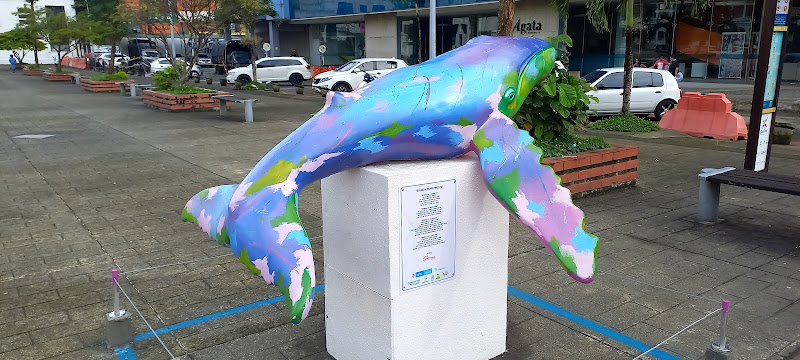
Ballenas en Movimiento

Boulevard Buenaventura
Find Accommodations Nearby
Recommended Tours & Activities
Visitor Reviews
There are no reviews yet. Be the first one to write one.
Share Your Experience
Have you visited Buenaventura? Help other travelers by leaving a review.