

Buckland Museum of Witchcraft & Magick
About Buckland Museum of Witchcraft & Magick
Description
The Buckland Museum of Witchcraft & Magick stands as one of those delightfully peculiar roadside attractions that manages to be both educational and genuinely fascinating. Founded by Raymond Buckland, who began his collection back in 1966, this museum houses an extraordinary assortment of occult artifacts that you simply won't find anywhere else. And honestly, where else can you explore the history of witchcraft while also browsing through used books and picking up some metaphysical supplies for your journey? I've always been drawn to places that preserve pieces of history most mainstream museums overlook, and this spot delivers on that promise. The collection reflects decades of passionate gathering by Buckland, who many consider a pivotal figure in bringing modern witchcraft to North America. Walking through these exhibits feels like stepping into someone's lifelong obsession in the best possible way. What makes this museum particularly interesting is its multifaceted nature. It's not just a traditional museum where you look at things behind glass and move on. The space operates as a museum, bookstore, gift shop, and metaphysical supply store all rolled into one experience. You might come for the historical artifacts but end up leaving with a fascinating book on folklore or a crystal that caught your eye. The atmosphere manages to be both welcoming and slightly eerie, which is exactly what you'd hope for in a museum dedicated to witchcraft and magic. But don't worry, families visit regularly and it's genuinely appropriate for curious minds of all ages. The collection includes everything from ritual tools and spell books to artwork depicting various aspects of magical traditions across different cultures and time periods.Key Features
The museum offers visitors several distinctive elements that set it apart from your typical tourist stop:- Extensive Historical Collection: Thousands of artifacts spanning multiple centuries and magical traditions, carefully curated over decades by Raymond Buckland himself
- Educational Tours: Guided experiences that provide context and stories behind the objects, making the visit much more meaningful than just wandering through on your own
- Working Bookstore: An impressive selection of both new and used books covering occult topics, folklore, witchcraft history, and related subjects that you won't find at your average bookshop
- Metaphysical Supply Shop: Practical items for practitioners including crystals, herbs, tools, and other supplies that connect the historical aspects with contemporary practice
- Family-Friendly Atmosphere: Despite the spooky subject matter, the museum maintains an educational approach that's appropriate for children and encourages curiosity rather than fear
- Inclusive Environment: The museum welcomes all visitors and has established itself as an LGBTQ+ friendly and transgender safe space, which matters when exploring topics that have historically been marginalized
- Wheelchair Accessibility: Both the entrance and parking lot accommodate wheelchair users, making the collection accessible to more visitors
- Gift Shop: Unique souvenirs and items you definitely won't find at typical tourist traps, ranging from educational materials to decorative pieces
- Free On-Site Parking: Convenient parking right at the location means you don't have to worry about walking far or paying extra fees
Best Time to Visit
Timing your visit to the Buckland Museum can make a significant difference in your experience. The museum tends to be busiest during the Halloween season, which makes sense given the subject matter. October sees a surge of visitors looking to immerse themselves in all things witchy and mysterious. If you thrive on that kind of energy and don't mind sharing the space with other curious souls, autumn visits can be particularly atmospheric. But here's the thing, visiting during peak season means you'll likely encounter crowds that can make it harder to really examine the artifacts closely or have meaningful conversations with staff members who know the collection intimately. I'd suggest considering a spring or early summer visit if you want a more contemplative experience. The artifacts don't change with the seasons, after all, and you'll have more room to breathe and explore at your own pace. Weekday visits generally offer a quieter experience than weekends, which is true for most tourist attractions but especially relevant here where you really want time to read the descriptions and absorb the historical context. The museum does recommend getting tickets in advance, and that's solid advice regardless of when you plan to visit. Nothing's worse than driving out to a specific attraction only to find they're at capacity for the day. Weather doesn't play as big a role since you'll be mostly indoors, but comfortable seasons make the overall trip more enjoyable. Summer can get hot, and winter brings unpredictable conditions depending on the specific location. Spring and fall offer that goldilocks zone of pleasant temperatures for traveling. If you're someone who enjoys celebrating the wheel of the year or has an interest in pagan traditions, visiting around one of the sabbats might add an extra layer of meaning to your experience. The museum sometimes has special events or displays timed to these occasions, though you'll want to check their current schedule.How to Get There
Getting to the Buckland Museum requires a bit of planning since it's not typically located in a major urban center. Most visitors will need to drive, and honestly, that's part of the charm. These kinds of specialized museums exist in places where rent is affordable and where they can maintain their quirky independence. If you're flying in from out of state, you'll want to rent a car at your nearest major airport. The museum maintains free on-site parking, which eliminates one of the common headaches of tourist attractions. You can take your time exploring without worrying about parking meters or time limits. For those relying on GPS, the museum should pop right up when you search for it by name. But here's a travel tip I learned the hard way at other rural attractions: download offline maps before you head out. Cell service can get spotty in some areas, and there's nothing quite like the panic of losing your navigation when you're trying to find a specific location in unfamiliar territory. Public transportation options are typically limited or non-existent for reaching the museum, so plan accordingly. This isn't the kind of place you can easily subway to or catch a bus. Rideshare services might be available depending on the specific location, but you'd be looking at potentially expensive rides. The drive itself can be part of the adventure. Pack some snacks, queue up a good playlist or podcast about folklore and witchcraft to set the mood, and enjoy the journey. Sometimes the best travel experiences happen when you're not rushing from point A to point B. If you're combining this visit with other attractions in the area, map out your route efficiently. The museum makes an excellent addition to a broader road trip itinerary focused on unusual Americana or historical sites.Tips for Visiting
Here's where I share some practical wisdom that'll make your visit smoother and more enjoyable. First things first: buy your tickets in advance. The museum specifically recommends this, and there's a reason. Limited capacity means they might turn away walk-ups during busy periods, and you don't want to be that disappointed person in the parking lot. Bring cash if you're planning to purchase books or supplies from the shop. While many places accept cards these days, smaller independent operations sometimes have minimum purchase requirements or prefer cash transactions. Better safe than sorry. Give yourself more time than you think you'll need. I know, everyone says this about museums, but it's especially true here. The sheer volume of artifacts and the fascinating stories behind them mean you could easily spend two to three hours exploring if you're genuinely interested in the subject matter. Rushing through defeats the purpose. Photography policies can vary, so ask before you start snapping pictures. Some museums restrict photos of certain artifacts for preservation or copyright reasons. Being respectful about this ensures these collections remain accessible for future visitors. Dress comfortably and wear practical shoes. You'll be standing and walking more than you might expect. The museum might not have extensive seating areas where you can rest, so being physically comfortable matters. If you're visiting with kids, have a conversation beforehand about what they'll see and experience. The museum presents witchcraft from a historical and educational perspective, but some children might find certain artifacts or imagery unsettling. Age-appropriateness depends on individual kids and their exposure to these topics. Take advantage of the guided tours if they're available during your visit. The additional context and stories provided by knowledgeable guides transform the experience from simply looking at objects to understanding their significance and history. You'll learn details that aren't on the display cards. Don't skip the bookstore and supply shop sections. Even if you're not particularly interested in practicing witchcraft or magic, the book selection offers fascinating reads on folklore, history, and cultural traditions. I've discovered some of my favorite obscure history books at museum shops like this. The restrooms are available on-site, but they might not be the most spacious or modern facilities. This is a small, independent museum after all, not a corporate attraction with extensive amenities. Consider combining your visit with a meal at a nearby local restaurant. Supporting independent businesses extends beyond just the museum itself, and you might discover some great local food spots in the process. Bring questions! The staff members at specialized museums like this are typically passionate about the subject matter and happy to engage with genuinely curious visitors. Don't be shy about asking for clarification or additional information about displays that capture your interest. Check the museum's current status before making a long trip. Small independent museums sometimes have irregular hours or occasionally close for private events or maintenance. A quick verification can save you a wasted journey. Finally, approach your visit with an open mind and respect for different belief systems and practices. Whether you're a practicing witch, a history buff, a skeptic, or just someone who enjoys unusual museums, the collection represents real spiritual traditions and cultural heritage that deserve thoughtful consideration.Key Features
- Original Raymond Buckland collection of witchcraft artifacts and ritual tools
- Displays featuring items tied to notable occult figures and authors
- Interpretive labels and historical context explaining modern Paganism
- Small, intimate gallery space with a cabinet-of-curiosities feel
- On-site shop offering books and metaphysical items
More Details
Updated March 30, 2026
Table of Contents
- Description
- Key Features
- Best Time to Visit
- How to Get There
- Tips for Visiting
- Key Highlights
- Location
- Places to Stay Near Buckland Museum of Witchcraft & Magick
- Find and Book a Tour
- Explore More Travel Guides
- Nearby Places You Might Like
- Traveler Reviews for Buckland Museum of Witchcraft & Magick
- Share Your Experience
Description
The Buckland Museum of Witchcraft & Magick stands as one of those delightfully peculiar roadside attractions that manages to be both educational and genuinely fascinating. Founded by Raymond Buckland, who began his collection back in 1966, this museum houses an extraordinary assortment of occult artifacts that you simply won’t find anywhere else. And honestly, where else can you explore the history of witchcraft while also browsing through used books and picking up some metaphysical supplies for your journey?
I’ve always been drawn to places that preserve pieces of history most mainstream museums overlook, and this spot delivers on that promise. The collection reflects decades of passionate gathering by Buckland, who many consider a pivotal figure in bringing modern witchcraft to North America. Walking through these exhibits feels like stepping into someone’s lifelong obsession in the best possible way.
What makes this museum particularly interesting is its multifaceted nature. It’s not just a traditional museum where you look at things behind glass and move on. The space operates as a museum, bookstore, gift shop, and metaphysical supply store all rolled into one experience. You might come for the historical artifacts but end up leaving with a fascinating book on folklore or a crystal that caught your eye.
The atmosphere manages to be both welcoming and slightly eerie, which is exactly what you’d hope for in a museum dedicated to witchcraft and magic. But don’t worry, families visit regularly and it’s genuinely appropriate for curious minds of all ages. The collection includes everything from ritual tools and spell books to artwork depicting various aspects of magical traditions across different cultures and time periods.
Key Features
The museum offers visitors several distinctive elements that set it apart from your typical tourist stop:
- Extensive Historical Collection: Thousands of artifacts spanning multiple centuries and magical traditions, carefully curated over decades by Raymond Buckland himself
- Educational Tours: Guided experiences that provide context and stories behind the objects, making the visit much more meaningful than just wandering through on your own
- Working Bookstore: An impressive selection of both new and used books covering occult topics, folklore, witchcraft history, and related subjects that you won’t find at your average bookshop
- Metaphysical Supply Shop: Practical items for practitioners including crystals, herbs, tools, and other supplies that connect the historical aspects with contemporary practice
- Family-Friendly Atmosphere: Despite the spooky subject matter, the museum maintains an educational approach that’s appropriate for children and encourages curiosity rather than fear
- Inclusive Environment: The museum welcomes all visitors and has established itself as an LGBTQ+ friendly and transgender safe space, which matters when exploring topics that have historically been marginalized
- Wheelchair Accessibility: Both the entrance and parking lot accommodate wheelchair users, making the collection accessible to more visitors
- Gift Shop: Unique souvenirs and items you definitely won’t find at typical tourist traps, ranging from educational materials to decorative pieces
- Free On-Site Parking: Convenient parking right at the location means you don’t have to worry about walking far or paying extra fees
Best Time to Visit
Timing your visit to the Buckland Museum can make a significant difference in your experience. The museum tends to be busiest during the Halloween season, which makes sense given the subject matter. October sees a surge of visitors looking to immerse themselves in all things witchy and mysterious. If you thrive on that kind of energy and don’t mind sharing the space with other curious souls, autumn visits can be particularly atmospheric.
But here’s the thing, visiting during peak season means you’ll likely encounter crowds that can make it harder to really examine the artifacts closely or have meaningful conversations with staff members who know the collection intimately. I’d suggest considering a spring or early summer visit if you want a more contemplative experience. The artifacts don’t change with the seasons, after all, and you’ll have more room to breathe and explore at your own pace.
Weekday visits generally offer a quieter experience than weekends, which is true for most tourist attractions but especially relevant here where you really want time to read the descriptions and absorb the historical context. The museum does recommend getting tickets in advance, and that’s solid advice regardless of when you plan to visit. Nothing’s worse than driving out to a specific attraction only to find they’re at capacity for the day.
Weather doesn’t play as big a role since you’ll be mostly indoors, but comfortable seasons make the overall trip more enjoyable. Summer can get hot, and winter brings unpredictable conditions depending on the specific location. Spring and fall offer that goldilocks zone of pleasant temperatures for traveling.
If you’re someone who enjoys celebrating the wheel of the year or has an interest in pagan traditions, visiting around one of the sabbats might add an extra layer of meaning to your experience. The museum sometimes has special events or displays timed to these occasions, though you’ll want to check their current schedule.
How to Get There
Getting to the Buckland Museum requires a bit of planning since it’s not typically located in a major urban center. Most visitors will need to drive, and honestly, that’s part of the charm. These kinds of specialized museums exist in places where rent is affordable and where they can maintain their quirky independence.
If you’re flying in from out of state, you’ll want to rent a car at your nearest major airport. The museum maintains free on-site parking, which eliminates one of the common headaches of tourist attractions. You can take your time exploring without worrying about parking meters or time limits.
For those relying on GPS, the museum should pop right up when you search for it by name. But here’s a travel tip I learned the hard way at other rural attractions: download offline maps before you head out. Cell service can get spotty in some areas, and there’s nothing quite like the panic of losing your navigation when you’re trying to find a specific location in unfamiliar territory.
Public transportation options are typically limited or non-existent for reaching the museum, so plan accordingly. This isn’t the kind of place you can easily subway to or catch a bus. Rideshare services might be available depending on the specific location, but you’d be looking at potentially expensive rides.
The drive itself can be part of the adventure. Pack some snacks, queue up a good playlist or podcast about folklore and witchcraft to set the mood, and enjoy the journey. Sometimes the best travel experiences happen when you’re not rushing from point A to point B.
If you’re combining this visit with other attractions in the area, map out your route efficiently. The museum makes an excellent addition to a broader road trip itinerary focused on unusual Americana or historical sites.
Tips for Visiting
Here’s where I share some practical wisdom that’ll make your visit smoother and more enjoyable. First things first: buy your tickets in advance. The museum specifically recommends this, and there’s a reason. Limited capacity means they might turn away walk-ups during busy periods, and you don’t want to be that disappointed person in the parking lot.
Bring cash if you’re planning to purchase books or supplies from the shop. While many places accept cards these days, smaller independent operations sometimes have minimum purchase requirements or prefer cash transactions. Better safe than sorry.
Give yourself more time than you think you’ll need. I know, everyone says this about museums, but it’s especially true here. The sheer volume of artifacts and the fascinating stories behind them mean you could easily spend two to three hours exploring if you’re genuinely interested in the subject matter. Rushing through defeats the purpose.
Photography policies can vary, so ask before you start snapping pictures. Some museums restrict photos of certain artifacts for preservation or copyright reasons. Being respectful about this ensures these collections remain accessible for future visitors.
Dress comfortably and wear practical shoes. You’ll be standing and walking more than you might expect. The museum might not have extensive seating areas where you can rest, so being physically comfortable matters.
If you’re visiting with kids, have a conversation beforehand about what they’ll see and experience. The museum presents witchcraft from a historical and educational perspective, but some children might find certain artifacts or imagery unsettling. Age-appropriateness depends on individual kids and their exposure to these topics.
Take advantage of the guided tours if they’re available during your visit. The additional context and stories provided by knowledgeable guides transform the experience from simply looking at objects to understanding their significance and history. You’ll learn details that aren’t on the display cards.
Don’t skip the bookstore and supply shop sections. Even if you’re not particularly interested in practicing witchcraft or magic, the book selection offers fascinating reads on folklore, history, and cultural traditions. I’ve discovered some of my favorite obscure history books at museum shops like this.
The restrooms are available on-site, but they might not be the most spacious or modern facilities. This is a small, independent museum after all, not a corporate attraction with extensive amenities.
Consider combining your visit with a meal at a nearby local restaurant. Supporting independent businesses extends beyond just the museum itself, and you might discover some great local food spots in the process.
Bring questions! The staff members at specialized museums like this are typically passionate about the subject matter and happy to engage with genuinely curious visitors. Don’t be shy about asking for clarification or additional information about displays that capture your interest.
Check the museum’s current status before making a long trip. Small independent museums sometimes have irregular hours or occasionally close for private events or maintenance. A quick verification can save you a wasted journey.
Finally, approach your visit with an open mind and respect for different belief systems and practices. Whether you’re a practicing witch, a history buff, a skeptic, or just someone who enjoys unusual museums, the collection represents real spiritual traditions and cultural heritage that deserve thoughtful consideration.
Key Highlights
- Original Raymond Buckland collection of witchcraft artifacts and ritual tools
- Displays featuring items tied to notable occult figures and authors
- Interpretive labels and historical context explaining modern Paganism
- Small, intimate gallery space with a cabinet-of-curiosities feel
- On-site shop offering books and metaphysical items
Location
Places to Stay Near Buckland Museum of Witchcraft & Magick
Find and Book a Tour
Explore More Travel Guides
No reviews found! Be the first to review!
Buckland Museum of Witchcraft & Magick is a prominent museums located in Cleveland.
Visit us at: 2155 Broadview Rd, Cleveland, OH 44109, États-Unis.
Traveler Reviews for Buckland Museum of Witchcraft & Magick
There are no reviews yet. Be the first one to write one.
Have you visited Buckland Museum of Witchcraft & Magick? Help other travelers by sharing your review.
Nearby Attractions
You Might Also Like
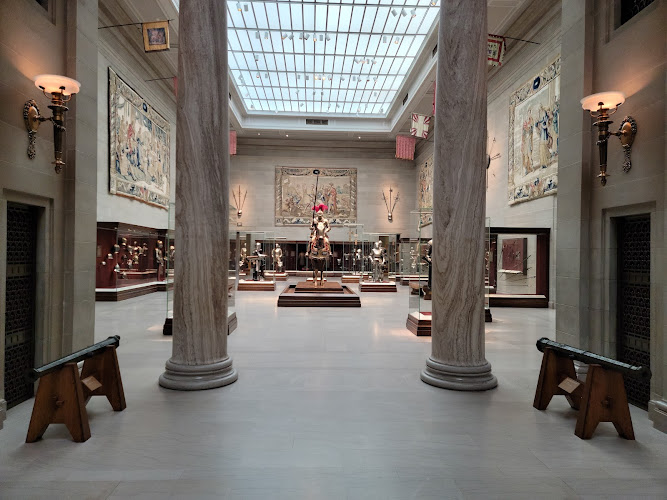
The Cleveland Museum of Art

International Women’s Air & Space Museum

Euclid Creek Reservation
Find Accommodations Nearby
Recommended Tours & Activities
Visitor Reviews
There are no reviews yet. Be the first one to write one.
Share Your Experience
Have you visited Buckland Museum of Witchcraft & Magick? Help other travelers by leaving a review.