

Browning-Kimball Classic Car Museum
About Browning-Kimball Classic Car Museum
Description
The Browning-Kimball Classic Car Museum houses one of those collections that makes you wonder how anyone even managed to preserve these mechanical marvels for over a century. Walking into this museum feels a bit like stepping through a time portal, except instead of a DeLorean, you're surrounded by actual vehicles from the dawn of the automobile age. We're talking cars from 1901 through the 1930s—a period when driving was more adventure than transportation and required goggles, leather gloves, and probably a fair bit of courage. What strikes visitors immediately is the intimacy of the space. This isn't some sprawling mega-museum where you need a map and comfortable shoes just to see half the exhibits. The collection focuses specifically on antique automobiles from those early decades when cars were transitioning from horseless carriages to something resembling modern vehicles. And honestly, there's something refreshing about a museum that knows exactly what it wants to be rather than trying to cover everything under the sun. The museum also features an extensive model car collection that'll bring back memories for anyone who spent childhood afternoons assembling tiny plastic parts with questionable success. But here's something most people don't expect—there's also a fascinating collection of Utah license plates spanning decades. I know what you're thinking: license plates? But actually, these little metal rectangles tell their own story about design trends, manufacturing, and how states branded themselves over the years. For automobile enthusiasts and history buffs, this museum represents a rare opportunity to see vehicles that have somehow survived decades of weather, neglect, and the temptation to "just drive it one more time." The preservation work alone deserves recognition, because keeping a 1901 automobile in display-worthy condition takes knowledge, dedication, and probably a bit of obsession—the good kind.Key Features
The Browning-Kimball Classic Car Museum distinguishes itself through several characteristics that make it worth adding to your travel itinerary: • Antique automobiles spanning from 1901 through the 1930s, representing the formative decades of automotive history when design and engineering underwent radical experimentation • Model car collection showcasing miniature replicas that capture the evolution of automotive design and the hobby culture surrounding car collecting • Utah license plate collection offering an unexpected glimpse into regional history, design evolution, and the administrative side of automobile culture that most museums overlook • Guided tours available to help visitors understand the technical innovations, historical context, and unique stories behind individual vehicles in the collection • On-site parking making it convenient for visitors arriving by car—which seems appropriate for an automobile museum • Wheelchair accessible parking lot and restrooms ensuring that most visitors can access the facility, though the entrance itself isn't wheelchair accessible • Restroom facilities on-site for visitor convenience during their visit • Family-friendly environment suitable for children, making it a viable option for travelers with kids who want to share automotive history with the next generation • Focused collection allowing visitors to actually absorb information rather than feeling overwhelmed by an impossibly large number of exhibitsBest Time to Visit
Here's the thing about museum visits—unlike outdoor attractions where weather dictates everything, the Browning-Kimball Classic Car Museum offers a consistent experience regardless of season. But that doesn't mean all times are created equal for planning your visit. Weekday mornings tend to offer the quietest experience. If you're the type who likes to take your time reading every placard and examining details without someone breathing down your neck to move along, aim for Tuesday through Thursday before noon. You'll practically have the place to yourself, which means better photo opportunities and more space to appreciate these mechanical antiques without crowds. Summer months bring more families and tourists to the area, so expect slightly busier conditions during June through August. But even "busy" at this museum is relatively manageable compared to major tourist attractions. The air-conditioned interior also provides welcome relief during those scorching summer afternoons when the temperature outside could probably cook an egg on your rental car's hood. Winter visits have their own charm. There's something particularly cozy about examining vintage automobiles while snow might be falling outside—it creates an interesting contrast between the protected museum environment and the harsh conditions these vehicles once had to endure. Plus, winter typically sees fewer tourists overall, meaning better availability and a more relaxed atmosphere. If you're trying to coordinate with local events or make the most of a longer trip to the region, consider visiting during spring or fall when temperatures are moderate and you can comfortably explore other outdoor attractions in the area before or after your museum visit. These shoulder seasons offer the best of both worlds. One thing I learned from years of travel—avoid visiting any museum on the first sunny weekend after a long stretch of bad weather. Everyone has the same idea to get out and do something, and suddenly that quiet museum becomes unexpectedly crowded. Trust me on this one.How to Get There
Getting to the Browning-Kimball Classic Car Museum doesn't require a vintage automobile or advanced navigation skills, though both would add character to the journey. The museum offers on-site parking, which immediately eliminates one of the major headaches of visiting tourist attractions—circling blocks looking for a spot while your passenger suggests increasingly impractical parking options. For travelers driving their own vehicle or a rental car, you'll find the location accessible via standard GPS navigation. Just punch in the museum name and let technology do its thing. The parking lot can accommodate regular vehicles without issue, and there's designated wheelchair accessible parking available for those who need it. If you're relying on rideshare services like Uber or Lyft, the museum makes a straightforward drop-off and pick-up point. Just coordinate with your driver for pickup timing based on how long you plan to spend exploring the collection. Most visitors spend between one to two hours here, though serious automobile enthusiasts might want to budget more time. For travelers staying at nearby hotels, check whether the museum falls within a reasonable walking distance based on your mobility and enthusiasm for pre-museum exercise. Some accommodations in the area might be close enough to make walking viable, especially during pleasant weather. But honestly, given that this is a car museum, driving there feels thematically appropriate. Public transportation options vary depending on the local transit system, so research current bus routes if you're trying to navigate without a personal vehicle. Just be aware that museum-hopping via public transit requires more planning and patience than driving yourself. The museum's location makes it possible to combine with other area attractions if you're planning a full day of sightseeing. Map out your route in advance to maximize efficiency and minimize backtracking—future you will appreciate the foresight.Tips for Visiting
Before you head out the door, keep a few practical considerations in mind to make your visit smoother and more enjoyable. First, verify current operating hours before making the drive. Museum schedules can change seasonally or for special events, and nothing's more frustrating than arriving to find locked doors. A quick phone call or website check takes thirty seconds and prevents wasted trips. Photography enthusiasts will want to bring their cameras, but check the museum's photography policy upon arrival. Many museums allow personal photography without flash, but policies vary. Those vintage automobiles photograph beautifully, especially if you have any interest in automotive design or just want unique vacation photos that aren't the typical landscape shots. Wear comfortable shoes even though this isn't a massive museum requiring miles of walking. You'll still be on your feet for an hour or more, and museum floors tend to be unforgiving. Save the fashionable-but-painful footwear for dinner afterward. The guided tours offer significantly more value than self-guided exploration. Museum docents typically share stories and technical details you'd never glean from placards alone. When did the Model T actually revolutionize manufacturing? What made 1920s automotive design so distinctive? How did early drivers handle roads that were barely more than dirt paths? Tours answer questions you didn't know you had. For families visiting with children, prepare kids beforehand about museum etiquette—looking with eyes, not hands, using indoor voices, that whole routine. The museum is kid-friendly, but the vehicles are antiques that can't withstand enthusiastic young explorers treating them like playground equipment. Framing the visit as a "time machine experience" often helps capture children's imagination better than lecturing about being careful. Budget some time after your museum visit to discuss what you saw or grab a bite nearby. Museums pack a surprising amount of information into relatively short visits, and giving yourself processing time helps memories stick. Plus, debating whether you'd actually want to drive a 1901 automobile makes for entertaining conversation. Accessibility considerations matter if you're traveling with someone who uses a wheelchair or has mobility challenges. The parking lot and restrooms are wheelchair accessible, but the entrance isn't—so contact the museum beforehand to discuss accommodation options. Most places can work something out with advance notice, but showing up and hoping for the best doesn't always end well. Check whether the museum offers any special exhibits or events during your visit dates. Sometimes museums host car shows, expert lectures, or themed displays that enhance the regular collection. These special additions can transform a good visit into a memorable experience. And here's a tip from someone who's made this mistake too many times—don't schedule your museum visit right before a long drive or flight. Give yourself buffer time in case you want to stay longer or you get caught up talking with other visitors or staff about automotive history. Travel works better when you're not constantly checking your watch. The Browning-Kimball Classic Car Museum might not be the largest or most famous automotive museum, but it offers something increasingly rare—a focused, manageable collection that you can actually appreciate without sensory overload. For travelers who value quality over quantity and appreciate the stories behind historical objects, this museum delivers an experience worth the visit.Key Features
- Collection of early 20th-century automobiles (circa 1900–1937)
- Located inside historic Ogden Union Station
- Well-restored, original-period details (brass, wood spokes, leather)
- Compact, walkable exhibit ideal for short visits
- Contextual history connecting cars to regional and transportation heritage
More Details
Updated March 30, 2026
Table of Contents
- Description
- Key Features
- Best Time to Visit
- How to Get There
- Tips for Visiting
- Key Highlights
- Location
- Places to Stay Near Browning-Kimball Classic Car Museum
- Find and Book a Tour
- Explore More Travel Guides
- Nearby Places You Might Like
- Traveler Reviews for Browning-Kimball Classic Car Museum
- Share Your Experience
Description
The Browning-Kimball Classic Car Museum houses one of those collections that makes you wonder how anyone even managed to preserve these mechanical marvels for over a century. Walking into this museum feels a bit like stepping through a time portal, except instead of a DeLorean, you’re surrounded by actual vehicles from the dawn of the automobile age. We’re talking cars from 1901 through the 1930s—a period when driving was more adventure than transportation and required goggles, leather gloves, and probably a fair bit of courage.
What strikes visitors immediately is the intimacy of the space. This isn’t some sprawling mega-museum where you need a map and comfortable shoes just to see half the exhibits. The collection focuses specifically on antique automobiles from those early decades when cars were transitioning from horseless carriages to something resembling modern vehicles. And honestly, there’s something refreshing about a museum that knows exactly what it wants to be rather than trying to cover everything under the sun.
The museum also features an extensive model car collection that’ll bring back memories for anyone who spent childhood afternoons assembling tiny plastic parts with questionable success. But here’s something most people don’t expect—there’s also a fascinating collection of Utah license plates spanning decades. I know what you’re thinking: license plates? But actually, these little metal rectangles tell their own story about design trends, manufacturing, and how states branded themselves over the years.
For automobile enthusiasts and history buffs, this museum represents a rare opportunity to see vehicles that have somehow survived decades of weather, neglect, and the temptation to “just drive it one more time.” The preservation work alone deserves recognition, because keeping a 1901 automobile in display-worthy condition takes knowledge, dedication, and probably a bit of obsession—the good kind.
Key Features
The Browning-Kimball Classic Car Museum distinguishes itself through several characteristics that make it worth adding to your travel itinerary:
• Antique automobiles spanning from 1901 through the 1930s, representing the formative decades of automotive history when design and engineering underwent radical experimentation
• Model car collection showcasing miniature replicas that capture the evolution of automotive design and the hobby culture surrounding car collecting
• Utah license plate collection offering an unexpected glimpse into regional history, design evolution, and the administrative side of automobile culture that most museums overlook
• Guided tours available to help visitors understand the technical innovations, historical context, and unique stories behind individual vehicles in the collection
• On-site parking making it convenient for visitors arriving by car—which seems appropriate for an automobile museum
• Wheelchair accessible parking lot and restrooms ensuring that most visitors can access the facility, though the entrance itself isn’t wheelchair accessible
• Restroom facilities on-site for visitor convenience during their visit
• Family-friendly environment suitable for children, making it a viable option for travelers with kids who want to share automotive history with the next generation
• Focused collection allowing visitors to actually absorb information rather than feeling overwhelmed by an impossibly large number of exhibits
Best Time to Visit
Here’s the thing about museum visits—unlike outdoor attractions where weather dictates everything, the Browning-Kimball Classic Car Museum offers a consistent experience regardless of season. But that doesn’t mean all times are created equal for planning your visit.
Weekday mornings tend to offer the quietest experience. If you’re the type who likes to take your time reading every placard and examining details without someone breathing down your neck to move along, aim for Tuesday through Thursday before noon. You’ll practically have the place to yourself, which means better photo opportunities and more space to appreciate these mechanical antiques without crowds.
Summer months bring more families and tourists to the area, so expect slightly busier conditions during June through August. But even “busy” at this museum is relatively manageable compared to major tourist attractions. The air-conditioned interior also provides welcome relief during those scorching summer afternoons when the temperature outside could probably cook an egg on your rental car’s hood.
Winter visits have their own charm. There’s something particularly cozy about examining vintage automobiles while snow might be falling outside—it creates an interesting contrast between the protected museum environment and the harsh conditions these vehicles once had to endure. Plus, winter typically sees fewer tourists overall, meaning better availability and a more relaxed atmosphere.
If you’re trying to coordinate with local events or make the most of a longer trip to the region, consider visiting during spring or fall when temperatures are moderate and you can comfortably explore other outdoor attractions in the area before or after your museum visit. These shoulder seasons offer the best of both worlds.
One thing I learned from years of travel—avoid visiting any museum on the first sunny weekend after a long stretch of bad weather. Everyone has the same idea to get out and do something, and suddenly that quiet museum becomes unexpectedly crowded. Trust me on this one.
How to Get There
Getting to the Browning-Kimball Classic Car Museum doesn’t require a vintage automobile or advanced navigation skills, though both would add character to the journey. The museum offers on-site parking, which immediately eliminates one of the major headaches of visiting tourist attractions—circling blocks looking for a spot while your passenger suggests increasingly impractical parking options.
For travelers driving their own vehicle or a rental car, you’ll find the location accessible via standard GPS navigation. Just punch in the museum name and let technology do its thing. The parking lot can accommodate regular vehicles without issue, and there’s designated wheelchair accessible parking available for those who need it.
If you’re relying on rideshare services like Uber or Lyft, the museum makes a straightforward drop-off and pick-up point. Just coordinate with your driver for pickup timing based on how long you plan to spend exploring the collection. Most visitors spend between one to two hours here, though serious automobile enthusiasts might want to budget more time.
For travelers staying at nearby hotels, check whether the museum falls within a reasonable walking distance based on your mobility and enthusiasm for pre-museum exercise. Some accommodations in the area might be close enough to make walking viable, especially during pleasant weather. But honestly, given that this is a car museum, driving there feels thematically appropriate.
Public transportation options vary depending on the local transit system, so research current bus routes if you’re trying to navigate without a personal vehicle. Just be aware that museum-hopping via public transit requires more planning and patience than driving yourself.
The museum’s location makes it possible to combine with other area attractions if you’re planning a full day of sightseeing. Map out your route in advance to maximize efficiency and minimize backtracking—future you will appreciate the foresight.
Tips for Visiting
Before you head out the door, keep a few practical considerations in mind to make your visit smoother and more enjoyable.
First, verify current operating hours before making the drive. Museum schedules can change seasonally or for special events, and nothing’s more frustrating than arriving to find locked doors. A quick phone call or website check takes thirty seconds and prevents wasted trips.
Photography enthusiasts will want to bring their cameras, but check the museum’s photography policy upon arrival. Many museums allow personal photography without flash, but policies vary. Those vintage automobiles photograph beautifully, especially if you have any interest in automotive design or just want unique vacation photos that aren’t the typical landscape shots.
Wear comfortable shoes even though this isn’t a massive museum requiring miles of walking. You’ll still be on your feet for an hour or more, and museum floors tend to be unforgiving. Save the fashionable-but-painful footwear for dinner afterward.
The guided tours offer significantly more value than self-guided exploration. Museum docents typically share stories and technical details you’d never glean from placards alone. When did the Model T actually revolutionize manufacturing? What made 1920s automotive design so distinctive? How did early drivers handle roads that were barely more than dirt paths? Tours answer questions you didn’t know you had.
For families visiting with children, prepare kids beforehand about museum etiquette—looking with eyes, not hands, using indoor voices, that whole routine. The museum is kid-friendly, but the vehicles are antiques that can’t withstand enthusiastic young explorers treating them like playground equipment. Framing the visit as a “time machine experience” often helps capture children’s imagination better than lecturing about being careful.
Budget some time after your museum visit to discuss what you saw or grab a bite nearby. Museums pack a surprising amount of information into relatively short visits, and giving yourself processing time helps memories stick. Plus, debating whether you’d actually want to drive a 1901 automobile makes for entertaining conversation.
Accessibility considerations matter if you’re traveling with someone who uses a wheelchair or has mobility challenges. The parking lot and restrooms are wheelchair accessible, but the entrance isn’t—so contact the museum beforehand to discuss accommodation options. Most places can work something out with advance notice, but showing up and hoping for the best doesn’t always end well.
Check whether the museum offers any special exhibits or events during your visit dates. Sometimes museums host car shows, expert lectures, or themed displays that enhance the regular collection. These special additions can transform a good visit into a memorable experience.
And here’s a tip from someone who’s made this mistake too many times—don’t schedule your museum visit right before a long drive or flight. Give yourself buffer time in case you want to stay longer or you get caught up talking with other visitors or staff about automotive history. Travel works better when you’re not constantly checking your watch.
The Browning-Kimball Classic Car Museum might not be the largest or most famous automotive museum, but it offers something increasingly rare—a focused, manageable collection that you can actually appreciate without sensory overload. For travelers who value quality over quantity and appreciate the stories behind historical objects, this museum delivers an experience worth the visit.
Key Highlights
- Collection of early 20th-century automobiles (circa 1900–1937)
- Located inside historic Ogden Union Station
- Well-restored, original-period details (brass, wood spokes, leather)
- Compact, walkable exhibit ideal for short visits
- Contextual history connecting cars to regional and transportation heritage
Location
Places to Stay Near Browning-Kimball Classic Car Museum
Find and Book a Tour
Explore More Travel Guides
No reviews found! Be the first to review!
Browning-Kimball Classic Car Museum is a prominent museums located in Ogden.
Visit us at: 2501 Wall Ave suite a.
Traveler Reviews for Browning-Kimball Classic Car Museum
There are no reviews yet. Be the first one to write one.
Have you visited Browning-Kimball Classic Car Museum? Help other travelers by sharing your review.
Nearby Attractions
You Might Also Like
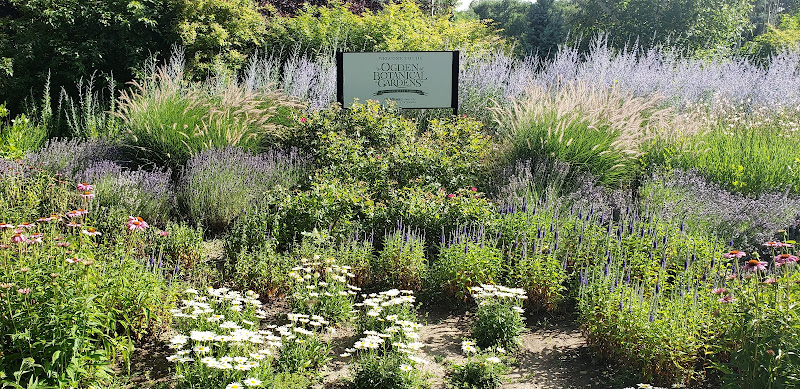
Ogden Botanical Gardens

Lorin Farr Park

Beus Pond Park
Find Accommodations Nearby
Recommended Tours & Activities
Visitor Reviews
There are no reviews yet. Be the first one to write one.
Share Your Experience
Have you visited Browning-Kimball Classic Car Museum? Help other travelers by leaving a review.