

Brown University
About Brown University
Description
Brown University stands as one of America's most prestigious educational institutions, and honestly, it's become quite the destination for travelers who appreciate historic architecture, intellectual atmosphere, and that unmistakable New England charm. Founded back in 1764—which makes it the seventh-oldest college in the United States—this Ivy League powerhouse sits in Providence, Rhode Island, offering visitors a glimpse into centuries of academic excellence mixed with progressive educational philosophy. What really sets Brown apart from its Ivy League siblings is its open curriculum approach. The university doesn't force students into rigid distribution requirements, which was pretty revolutionary when it started and remains distinctive today. For travelers, this translates into an atmosphere that feels less stuffy than you might expect from an institution of its caliber. Walking through campus, you get this sense that independent thinking is celebrated here, and that energy is palpable even if you're just visiting for an afternoon. The campus itself sprawls across College Hill in Providence, and let me tell you, the blend of historic and modern architecture creates this interesting visual narrative. You'll find colonial-era buildings standing proudly next to contemporary structures, each telling its own story about different eras of American higher education. The brick pathways, the towering trees, the way students gather on the main green—it all contributes to an experience that feels authentically academic without being pretentious. Providence itself benefits enormously from Brown's presence. The university brings a youthful energy to this historic city, and the surrounding Thayer Street area has developed into a proper college town vibe with cafes, bookstores, and quirky shops. For travelers interested in American educational history or those planning a broader New England tour, Brown makes for an excellent stop that combines culture, history, and architecture into a single visit.Key Features
- The Van Wickle Gates, which only open twice yearly for incoming freshmen and graduating seniors, creating one of the university's most cherished traditions
- The John Hay Library houses an incredible special collections archive including the Anne S.K. Brown Military Collection and rare manuscripts that history buffs absolutely devour
- University Hall, completed in 1770, served as a barracks and hospital during the Revolutionary War and remains the campus's oldest building
- The iconic College Green provides 5 acres of open space where students study, play frisbee, and gather—it's the heart of campus life and perfect for visitor photos
- RISD Museum proximity means art enthusiasts get two cultural experiences for the price of one visit, since Rhode Island School of Design shares the neighborhood
- Accessibility features throughout campus including assistive hearing loops, wheelchair accessible entrances, and designated parking make it welcoming for all visitors
- The List Art Center showcases both student work and traveling exhibitions in a striking modernist building designed by Philip Johnson
- Brown's distinctive absence of a core curriculum reflects in the campus atmosphere—there's this feeling of intellectual freedom that's almost tangible
- The Ratty (Sharpe Refectory) gives visitors a chance to experience college dining hall culture if you're curious about student life
- Prospect Terrace Park, technically just adjacent to campus, offers stunning views of downtown Providence and makes for a great photo opportunity
Best Time to Visit
Timing your visit to Brown really depends on what kind of experience you're after. Fall semester, particularly late September through October, might just be the sweet spot. The New England foliage puts on its annual show, and the campus transforms into this Instagram-worthy landscape of reds, oranges, and yellows. Plus, the academic year is in full swing, so you get that authentic college atmosphere with students rushing between classes and engaging in animated discussions on the green. Spring, especially April and May, runs a close second. The weather finally breaks after brutal New England winters, flowers start blooming around campus, and there's this palpable sense of relief in the air. Graduation season brings extra energy—though also extra crowds—but seeing the Van Wickle Gates open is genuinely special if you can time it right. Summer months offer a quieter experience. The campus empties out considerably once the academic year ends, which means fewer crowds but also less of that collegiate buzz. But if you prefer exploring historic buildings and architecture without navigating around student foot traffic, summer works perfectly fine. The university still offers campus tours during these months, and Providence's restaurant scene thrives year-round. Winter can be harsh—I'm not gonna sugarcoat it. January and February bring cold temperatures and the possibility of snow that makes walking around less pleasant. However, if you're already in the area or particularly hardy, the campus does look beautiful under a fresh blanket of snow, and you'll practically have the place to yourself for photography. Weekdays generally provide more activity than weekends if you want to see the university functioning as an actual educational institution. And definitely check the academic calendar before visiting—university breaks mean reduced services and a much quieter campus.How to Get There
Getting to Brown is surprisingly straightforward, which makes sense given Providence's position in the Northeast Corridor. If you're flying, T.F. Green Airport sits about 15 minutes south of Providence, offering direct connections to major cities. The airport is smaller than Boston's Logan, which means less chaos navigating it. From there, rideshare services or taxis make the campus easily accessible. Train travel is honestly my favorite approach though. Amtrak's Northeast Regional and Acela services stop at Providence Station, putting you within a 10-minute drive from campus. There's something romantic about arriving at a historic university by train, like you're stepping back into an earlier era of American travel. The station itself connects to downtown Providence via a short ride. Driving works well if you're doing a broader New England road trip. Brown sits just off Interstate 95, making it accessible from Boston (about an hour north) or New York City (roughly three hours south). Parking around campus requires some planning though. Street parking exists but operates on a mix of free and paid meters depending on location and time. The university has paid lots, but visitor parking isn't always abundant right on campus. From Boston, you could even take commuter rail or bus services—several companies run regular routes between the cities. This option works particularly well if you're staying in Boston but want a day trip to Providence without dealing with car rental hassles. Once you're in Providence, the campus is walkable from downtown, though the hill part of College Hill is no joke. It's a decent climb, so factor that into your planning if mobility is a concern. Local buses serve the area, and Providence is increasingly bike-friendly if that's your style.Tips for Visiting
First things first—take advantage of the official campus tours if you want the full historical context. The student-led tours provide insights you won't get wandering solo, and the guides usually share personal anecdotes that bring the campus to life. Tours typically run multiple times daily during academic semesters, though you'll want to check the schedule ahead of time. Dress in layers regardless of season. Providence weather can shift unexpectedly, and you'll be doing considerable walking. Comfortable shoes aren't optional—they're mandatory. The campus has hills, stairs, and brick pathways that look charming but can be treacherous in heels or flimsy sandals. While the university welcomes visitors, remember this is a functioning academic institution. Classes are in session, students are studying, and faculty are working. Keep noise levels reasonable, don't interrupt classes, and be respectful of posted restrictions. Some buildings require ID access, so not everything is open to casual visitors. The Thayer Street area deserves exploration time separate from your campus visit. The street runs along campus edge and offers dining options ranging from quick bites to sit-down restaurants. Several bookstores, including the campus bookstore, make for good browsing. This is where you'll feel that college town atmosphere most strongly. Photography is generally welcome on campus grounds, but be considerate about photographing students without permission. The architecture and landscapes provide plenty of subjects without needing to capture people going about their daily lives. If you're visiting during application season with a high school student, book campus tours well in advance. These fill up quickly, especially during peak visiting months. The admissions office offers specialized programming for prospective students that differs from general visitor tours. Check what exhibitions or events might be happening during your visit. The university frequently hosts public lectures, performances, and art exhibitions that visitors can attend. These add depth to your experience beyond just walking around looking at buildings. The campus has solid accessibility features, but if you have specific mobility needs, contact visitor services beforehand. They can provide detailed information about accessible routes and facilities that might not be obvious from general visitor materials. Finally, combine your Brown visit with exploring Providence more broadly. The city has transformed dramatically in recent years, with excellent restaurants, WaterFire installations, and cultural attractions. Brown forms part of a larger Providence story worth experiencing. And honestly? The city doesn't get nearly enough attention compared to its larger New England neighbors, which makes discovering it feel like you're in on a secret that coastal Massachusetts tourists are missing.Key Features
- The Van Wickle Gates, which only open twice yearly for incoming freshmen and graduating seniors, creating one of the university's most cherished traditions
- The John Hay Library houses an incredible special collections archive including the Anne S.K. Brown Military Collection and rare manuscripts that history buffs absolutely devour
- University Hall, completed in 1770, served as a barracks and hospital during the Revolutionary War and remains the campus's oldest building
- The iconic College Green provides 5 acres of open space where students study, play frisbee, and gather—it's the heart of campus life and perfect for visitor photos
- RISD Museum proximity means art enthusiasts get two cultural experiences for the price of one visit, since Rhode Island School of Design shares the neighborhood
- Accessibility features throughout campus including assistive hearing loops, wheelchair accessible entrances, and designated parking make it welcoming for all visitors
- The List Art Center showcases both student work and traveling exhibitions in a striking modernist building designed by Philip Johnson
- Brown's distinctive absence of a core curriculum reflects in the campus atmosphere—there's this feeling of intellectual freedom that's almost tangible
More Details
Updated January 18, 2026
Table of Contents
Description
Brown University stands as one of America’s most prestigious educational institutions, and honestly, it’s become quite the destination for travelers who appreciate historic architecture, intellectual atmosphere, and that unmistakable New England charm. Founded back in 1764—which makes it the seventh-oldest college in the United States—this Ivy League powerhouse sits in Providence, Rhode Island, offering visitors a glimpse into centuries of academic excellence mixed with progressive educational philosophy.
What really sets Brown apart from its Ivy League siblings is its open curriculum approach. The university doesn’t force students into rigid distribution requirements, which was pretty revolutionary when it started and remains distinctive today. For travelers, this translates into an atmosphere that feels less stuffy than you might expect from an institution of its caliber. Walking through campus, you get this sense that independent thinking is celebrated here, and that energy is palpable even if you’re just visiting for an afternoon.
The campus itself sprawls across College Hill in Providence, and let me tell you, the blend of historic and modern architecture creates this interesting visual narrative. You’ll find colonial-era buildings standing proudly next to contemporary structures, each telling its own story about different eras of American higher education. The brick pathways, the towering trees, the way students gather on the main green—it all contributes to an experience that feels authentically academic without being pretentious.
Providence itself benefits enormously from Brown’s presence. The university brings a youthful energy to this historic city, and the surrounding Thayer Street area has developed into a proper college town vibe with cafes, bookstores, and quirky shops. For travelers interested in American educational history or those planning a broader New England tour, Brown makes for an excellent stop that combines culture, history, and architecture into a single visit.
Key Features
- The Van Wickle Gates, which only open twice yearly for incoming freshmen and graduating seniors, creating one of the university’s most cherished traditions
- The John Hay Library houses an incredible special collections archive including the Anne S.K. Brown Military Collection and rare manuscripts that history buffs absolutely devour
- University Hall, completed in 1770, served as a barracks and hospital during the Revolutionary War and remains the campus’s oldest building
- The iconic College Green provides 5 acres of open space where students study, play frisbee, and gather—it’s the heart of campus life and perfect for visitor photos
- RISD Museum proximity means art enthusiasts get two cultural experiences for the price of one visit, since Rhode Island School of Design shares the neighborhood
- Accessibility features throughout campus including assistive hearing loops, wheelchair accessible entrances, and designated parking make it welcoming for all visitors
- The List Art Center showcases both student work and traveling exhibitions in a striking modernist building designed by Philip Johnson
- Brown’s distinctive absence of a core curriculum reflects in the campus atmosphere—there’s this feeling of intellectual freedom that’s almost tangible
- The Ratty (Sharpe Refectory) gives visitors a chance to experience college dining hall culture if you’re curious about student life
- Prospect Terrace Park, technically just adjacent to campus, offers stunning views of downtown Providence and makes for a great photo opportunity
Best Time to Visit
Timing your visit to Brown really depends on what kind of experience you’re after. Fall semester, particularly late September through October, might just be the sweet spot. The New England foliage puts on its annual show, and the campus transforms into this Instagram-worthy landscape of reds, oranges, and yellows. Plus, the academic year is in full swing, so you get that authentic college atmosphere with students rushing between classes and engaging in animated discussions on the green.
Spring, especially April and May, runs a close second. The weather finally breaks after brutal New England winters, flowers start blooming around campus, and there’s this palpable sense of relief in the air. Graduation season brings extra energy—though also extra crowds—but seeing the Van Wickle Gates open is genuinely special if you can time it right.
Summer months offer a quieter experience. The campus empties out considerably once the academic year ends, which means fewer crowds but also less of that collegiate buzz. But if you prefer exploring historic buildings and architecture without navigating around student foot traffic, summer works perfectly fine. The university still offers campus tours during these months, and Providence’s restaurant scene thrives year-round.
Winter can be harsh—I’m not gonna sugarcoat it. January and February bring cold temperatures and the possibility of snow that makes walking around less pleasant. However, if you’re already in the area or particularly hardy, the campus does look beautiful under a fresh blanket of snow, and you’ll practically have the place to yourself for photography.
Weekdays generally provide more activity than weekends if you want to see the university functioning as an actual educational institution. And definitely check the academic calendar before visiting—university breaks mean reduced services and a much quieter campus.
How to Get There
Getting to Brown is surprisingly straightforward, which makes sense given Providence’s position in the Northeast Corridor. If you’re flying, T.F. Green Airport sits about 15 minutes south of Providence, offering direct connections to major cities. The airport is smaller than Boston’s Logan, which means less chaos navigating it. From there, rideshare services or taxis make the campus easily accessible.
Train travel is honestly my favorite approach though. Amtrak’s Northeast Regional and Acela services stop at Providence Station, putting you within a 10-minute drive from campus. There’s something romantic about arriving at a historic university by train, like you’re stepping back into an earlier era of American travel. The station itself connects to downtown Providence via a short ride.
Driving works well if you’re doing a broader New England road trip. Brown sits just off Interstate 95, making it accessible from Boston (about an hour north) or New York City (roughly three hours south). Parking around campus requires some planning though. Street parking exists but operates on a mix of free and paid meters depending on location and time. The university has paid lots, but visitor parking isn’t always abundant right on campus.
From Boston, you could even take commuter rail or bus services—several companies run regular routes between the cities. This option works particularly well if you’re staying in Boston but want a day trip to Providence without dealing with car rental hassles.
Once you’re in Providence, the campus is walkable from downtown, though the hill part of College Hill is no joke. It’s a decent climb, so factor that into your planning if mobility is a concern. Local buses serve the area, and Providence is increasingly bike-friendly if that’s your style.
Tips for Visiting
First things first—take advantage of the official campus tours if you want the full historical context. The student-led tours provide insights you won’t get wandering solo, and the guides usually share personal anecdotes that bring the campus to life. Tours typically run multiple times daily during academic semesters, though you’ll want to check the schedule ahead of time.
Dress in layers regardless of season. Providence weather can shift unexpectedly, and you’ll be doing considerable walking. Comfortable shoes aren’t optional—they’re mandatory. The campus has hills, stairs, and brick pathways that look charming but can be treacherous in heels or flimsy sandals.
While the university welcomes visitors, remember this is a functioning academic institution. Classes are in session, students are studying, and faculty are working. Keep noise levels reasonable, don’t interrupt classes, and be respectful of posted restrictions. Some buildings require ID access, so not everything is open to casual visitors.
The Thayer Street area deserves exploration time separate from your campus visit. The street runs along campus edge and offers dining options ranging from quick bites to sit-down restaurants. Several bookstores, including the campus bookstore, make for good browsing. This is where you’ll feel that college town atmosphere most strongly.
Photography is generally welcome on campus grounds, but be considerate about photographing students without permission. The architecture and landscapes provide plenty of subjects without needing to capture people going about their daily lives.
If you’re visiting during application season with a high school student, book campus tours well in advance. These fill up quickly, especially during peak visiting months. The admissions office offers specialized programming for prospective students that differs from general visitor tours.
Check what exhibitions or events might be happening during your visit. The university frequently hosts public lectures, performances, and art exhibitions that visitors can attend. These add depth to your experience beyond just walking around looking at buildings.
The campus has solid accessibility features, but if you have specific mobility needs, contact visitor services beforehand. They can provide detailed information about accessible routes and facilities that might not be obvious from general visitor materials.
Finally, combine your Brown visit with exploring Providence more broadly. The city has transformed dramatically in recent years, with excellent restaurants, WaterFire installations, and cultural attractions. Brown forms part of a larger Providence story worth experiencing. And honestly? The city doesn’t get nearly enough attention compared to its larger New England neighbors, which makes discovering it feel like you’re in on a secret that coastal Massachusetts tourists are missing.
Key Highlights
- The Van Wickle Gates, which only open twice yearly for incoming freshmen and graduating seniors, creating one of the university's most cherished traditions
- The John Hay Library houses an incredible special collections archive including the Anne S.K. Brown Military Collection and rare manuscripts that history buffs absolutely devour
- University Hall, completed in 1770, served as a barracks and hospital during the Revolutionary War and remains the campus's oldest building
- The iconic College Green provides 5 acres of open space where students study, play frisbee, and gather—it's the heart of campus life and perfect for visitor photos
- RISD Museum proximity means art enthusiasts get two cultural experiences for the price of one visit, since Rhode Island School of Design shares the neighborhood
- Accessibility features throughout campus including assistive hearing loops, wheelchair accessible entrances, and designated parking make it welcoming for all visitors
- The List Art Center showcases both student work and traveling exhibitions in a striking modernist building designed by Philip Johnson
- Brown's distinctive absence of a core curriculum reflects in the campus atmosphere—there's this feeling of intellectual freedom that's almost tangible
Location
Places to Stay Near Brown University
Find and Book a Tour
Explore More Travel Guides
No reviews found! Be the first to review!
Traveler Reviews for Brown University
There are no reviews yet. Be the first one to write one.
Have you visited Brown University? Help other travelers by sharing your review.
You Might Also Like
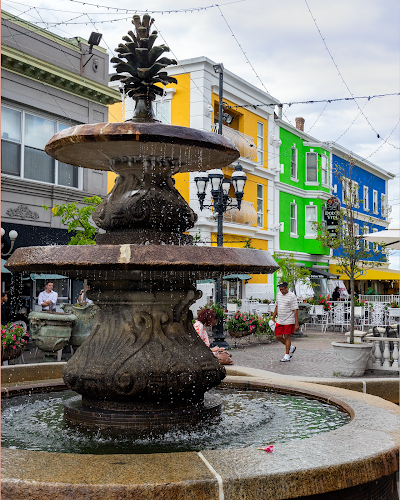
DePasquale Square
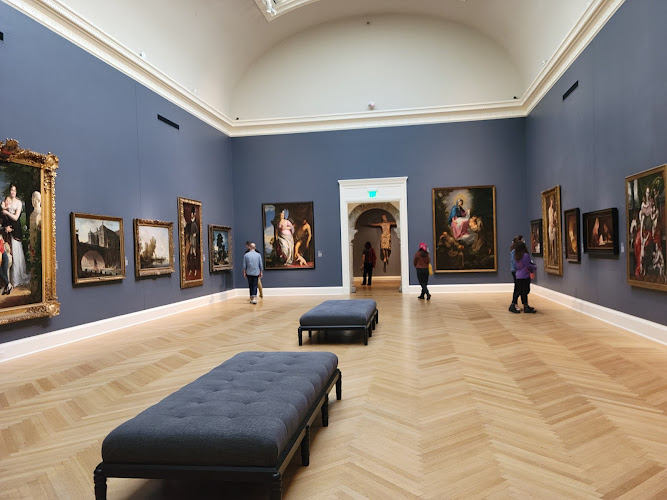
RISD Museum

Lippitt Memorial Park
Find Accommodations Nearby
Recommended Tours & Activities
Visitor Reviews
There are no reviews yet. Be the first one to write one.
Share Your Experience
Have you visited Brown University? Help other travelers by leaving a review.