
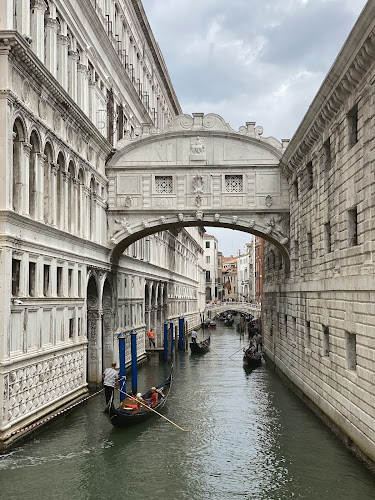
Bridge of Sighs
About Bridge of Sighs
Description
The Bridge of Sighs stands as one of Venice's most photographed yet misunderstood landmarks. You've probably seen countless images of this white limestone bridge with its distinctive stone-barred windows, but there's so much more beneath the surface than most tourists realize.
Contrary to popular romantic mythology, this enclosed passageway wasn't built for lovers' declarations or poetic musings. The Ponte dei Sospiri served a far more practical - and frankly darker - purpose when it was constructed in 1603. Prisoners would cross this bridge on their way from the interrogation rooms in the Doge's Palace to the New Prison, catching what might be their final glimpse of beautiful Venice through those barred windows.
The bridge spans the narrow Rio di Palazzo canal, connecting two imposing government buildings that once held the fate of countless individuals in their stone walls. And here's something that might surprise you - the name "Bridge of Sighs" wasn't even coined until the 19th century, when Lord Byron romanticized it in his writings. The prisoners crossing it centuries earlier probably had more pressing concerns than giving it a poetic name.
What strikes most visitors immediately is how small and intimate the bridge actually feels compared to Venice's grander monuments. But don't let its modest size fool you - this 35-foot span of white Istrian stone carries more historical weight per square foot than almost anywhere else in the city.
Key Features
Walking around the Bridge of Sighs reveals architectural and historical details that many visitors miss entirely:
- Baroque limestone construction - The entire structure showcases white Istrian stone that has weathered centuries of Venetian elements while maintaining its haunting beauty
- Twin interior corridors - Two separate passageways ran through the bridge, ensuring different categories of prisoners never crossed paths during transport
- Stone-barred windows - The iconic barred openings weren't just decorative - they provided the only natural light prisoners would see during their crossing
- Strategic positioning - Located directly above the Rio di Palazzo, offering some of the most photographed views in Venice from the adjacent Ponte della Paglia
- Enclosed design - Unlike Venice's open bridges, this covered passageway prevented escape attempts and public spectacles during prisoner transfers
- Historical integration - Seamlessly connects the Doge's Palace's institutional chambers with the Prigioni Nuove (New Prison)
- Architectural symbolism - The bridge's design reflects the Republic of Venice's approach to justice - efficient, discreet, and final
I've always found it fascinating how something so architecturally simple can carry such complex historical significance. The bridge doesn't try to impress with ornate decorations or grand scale - its power lies in its understated presence and the stories it silently holds.
Best Time to Visit
Timing your visit to the Bridge of Sighs can make the difference between fighting crowds for a decent photo and actually appreciating this historic landmark properly.
Early morning visits, particularly between 7:00 and 9:00 AM, offer the most peaceful experience. The light hitting the white limestone during these hours creates an almost ethereal glow that photographers dream about. Plus, you'll avoid the tour groups that typically descend after 10:00 AM.
Late afternoon around 4:00 to 6:00 PM provides another sweet spot, especially during autumn and winter months when the crowds thin out considerably. The golden hour lighting during this time adds warmth to the stone that contrasts beautifully with the canal's reflections below.
Seasonally speaking, November through February offers the most authentic experience. Yes, it's chillier and you might encounter some rain, but Venice reveals more of its true character when it's not packed with summer tourists. The bridge takes on a more mysterious, almost melancholic atmosphere that feels more true to its historical purpose.
Avoid visiting during major holidays like Carnival season (typically February) or the peak summer months of July and August unless you enjoy jostling for position with hundreds of other visitors. Trust me, trying to appreciate the bridge's somber history while dodging selfie sticks isn't exactly conducive to reflection.
Weather-wise, overcast days actually work in your favor here. The diffused light eliminates harsh shadows and creates more even illumination of the bridge's features. And there's something appropriately moody about viewing this historic passageway under gray Venetian skies.
How to Get There
Getting to the Bridge of Sighs requires navigating Venice's wonderfully confusing maze of streets and canals, but it's actually more straightforward than you might expect.
The bridge sits in the heart of Venice, directly adjacent to St. Mark's Square (Piazza San Marco) and the Doge's Palace. From St. Mark's Square, simply walk toward the waterfront and follow the crowds - seriously, this isn't one of those hidden gems that requires detective work to locate.
If you're arriving by water taxi or vaporetto (Venice's public water buses), the San Zaccaria stop puts you within a three-minute walk of the bridge. The San Marco Vallaresso stop is equally convenient. From either landing, head toward the imposing pink-and-white striped building (that's the Doge's Palace), and you'll spot the bridge immediately.
For the best viewing angle, position yourself on the Ponte della Paglia, the stone bridge that spans the Rio di Palazzo just east of the Bridge of Sighs. This vantage point provides the classic view that appears in virtually every Venice guidebook and Instagram feed.
Walking from other parts of Venice can be trickier due to the city's labyrinthine layout. From the Rialto Bridge area, expect a 10-15 minute walk through narrow calli (streets) and over several smaller bridges. Follow signs pointing toward "San Marco" - they're everywhere and surprisingly reliable.
If you're staying near the train station (Venezia Santa Lucia), the vaporetto becomes your best friend. Line 1 takes about 45 minutes but stops at nearly every major sight along the Grand Canal. Line 2 is faster at roughly 35 minutes but makes fewer stops.
Pro tip: Don't rely entirely on GPS navigation in Venice. The narrow streets and tall buildings can interfere with satellite signals, and you might find yourself taking unnecessary detours through dead-end alleys.
Tips for Visiting
Visiting the Bridge of Sighs effectively requires more strategy than most people realize, especially if you want to understand its significance beyond just snapping the obligatory tourist photo.
First thing - you can't actually walk across the Bridge of Sighs itself. It's not a public pedestrian bridge, and hasn't been for centuries. The only way to experience the interior is through a special "Secret Itineraries" tour of the Doge's Palace, which must be booked well in advance and costs significantly more than regular admission.
For photography, that Ponte della Paglia viewing spot I mentioned gets incredibly crowded. Arrive early or consider the less obvious viewpoint from the Riva degli Schiavoni waterfront. It's further away but offers a different perspective that includes more of the surrounding architecture.
Watch out for pickpockets around the bridge area. The crowds and distracted tourists create perfect conditions for petty theft. Keep your valuables secure and stay aware of your surroundings, particularly when you're focused on getting that perfect shot.
Combine your bridge visit with the Doge's Palace tour - it provides crucial historical context that transforms the bridge from a pretty photo opportunity into a meaningful historical experience. The palace's prison cells and interrogation rooms help you understand exactly what prisoners experienced before making that fateful crossing.
Don't expect restroom facilities right at the bridge location. Plan accordingly and use the facilities at nearby cafes or restaurants. The closest public restrooms are typically in St. Mark's Square, which involves a bit of walking.
If you're traveling with mobility challenges, be aware that the best viewing areas involve stairs and uneven stone surfaces. Venice wasn't exactly built with accessibility in mind, though the main viewing area from Ponte della Paglia is relatively accessible.
Consider visiting during different times of day if your schedule allows. The bridge looks completely different in morning light versus evening shadows, and each reveals different architectural details.
Finally, take time to look beyond the bridge itself. The surrounding area contains layers of Venetian history, from the Doge's Palace's imposing facade to the view across the lagoon toward San Giorgio Maggiore. The Bridge of Sighs didn't exist in isolation - it was part of Venice's complex governmental and judicial system that shaped the city for centuries.
And here's my personal recommendation: after you've seen the bridge and taken your photos, find a nearby cafe and spend some time reading about the prisoners who actually crossed it. Understanding their stories transforms this tourist attraction into something far more profound and memorable.
Key Features
- Key Features
- Best Time to Visit
- How to Get There
- Tips for Visiting
More Details
Updated September 14, 2025
Table of Contents
Description
The Bridge of Sighs stands as one of Venice’s most photographed yet misunderstood landmarks. You’ve probably seen countless images of this white limestone bridge with its distinctive stone-barred windows, but there’s so much more beneath the surface than most tourists realize.
Contrary to popular romantic mythology, this enclosed passageway wasn’t built for lovers’ declarations or poetic musings. The Ponte dei Sospiri served a far more practical – and frankly darker – purpose when it was constructed in 1603. Prisoners would cross this bridge on their way from the interrogation rooms in the Doge’s Palace to the New Prison, catching what might be their final glimpse of beautiful Venice through those barred windows.
The bridge spans the narrow Rio di Palazzo canal, connecting two imposing government buildings that once held the fate of countless individuals in their stone walls. And here’s something that might surprise you – the name “Bridge of Sighs” wasn’t even coined until the 19th century, when Lord Byron romanticized it in his writings. The prisoners crossing it centuries earlier probably had more pressing concerns than giving it a poetic name.
What strikes most visitors immediately is how small and intimate the bridge actually feels compared to Venice’s grander monuments. But don’t let its modest size fool you – this 35-foot span of white Istrian stone carries more historical weight per square foot than almost anywhere else in the city.
Key Features
Walking around the Bridge of Sighs reveals architectural and historical details that many visitors miss entirely:
- Baroque limestone construction – The entire structure showcases white Istrian stone that has weathered centuries of Venetian elements while maintaining its haunting beauty
- Twin interior corridors – Two separate passageways ran through the bridge, ensuring different categories of prisoners never crossed paths during transport
- Stone-barred windows – The iconic barred openings weren’t just decorative – they provided the only natural light prisoners would see during their crossing
- Strategic positioning – Located directly above the Rio di Palazzo, offering some of the most photographed views in Venice from the adjacent Ponte della Paglia
- Enclosed design – Unlike Venice’s open bridges, this covered passageway prevented escape attempts and public spectacles during prisoner transfers
- Historical integration – Seamlessly connects the Doge’s Palace’s institutional chambers with the Prigioni Nuove (New Prison)
- Architectural symbolism – The bridge’s design reflects the Republic of Venice’s approach to justice – efficient, discreet, and final
I’ve always found it fascinating how something so architecturally simple can carry such complex historical significance. The bridge doesn’t try to impress with ornate decorations or grand scale – its power lies in its understated presence and the stories it silently holds.
Best Time to Visit
Timing your visit to the Bridge of Sighs can make the difference between fighting crowds for a decent photo and actually appreciating this historic landmark properly.
Early morning visits, particularly between 7:00 and 9:00 AM, offer the most peaceful experience. The light hitting the white limestone during these hours creates an almost ethereal glow that photographers dream about. Plus, you’ll avoid the tour groups that typically descend after 10:00 AM.
Late afternoon around 4:00 to 6:00 PM provides another sweet spot, especially during autumn and winter months when the crowds thin out considerably. The golden hour lighting during this time adds warmth to the stone that contrasts beautifully with the canal’s reflections below.
Seasonally speaking, November through February offers the most authentic experience. Yes, it’s chillier and you might encounter some rain, but Venice reveals more of its true character when it’s not packed with summer tourists. The bridge takes on a more mysterious, almost melancholic atmosphere that feels more true to its historical purpose.
Avoid visiting during major holidays like Carnival season (typically February) or the peak summer months of July and August unless you enjoy jostling for position with hundreds of other visitors. Trust me, trying to appreciate the bridge’s somber history while dodging selfie sticks isn’t exactly conducive to reflection.
Weather-wise, overcast days actually work in your favor here. The diffused light eliminates harsh shadows and creates more even illumination of the bridge’s features. And there’s something appropriately moody about viewing this historic passageway under gray Venetian skies.
How to Get There
Getting to the Bridge of Sighs requires navigating Venice’s wonderfully confusing maze of streets and canals, but it’s actually more straightforward than you might expect.
The bridge sits in the heart of Venice, directly adjacent to St. Mark’s Square (Piazza San Marco) and the Doge’s Palace. From St. Mark’s Square, simply walk toward the waterfront and follow the crowds – seriously, this isn’t one of those hidden gems that requires detective work to locate.
If you’re arriving by water taxi or vaporetto (Venice’s public water buses), the San Zaccaria stop puts you within a three-minute walk of the bridge. The San Marco Vallaresso stop is equally convenient. From either landing, head toward the imposing pink-and-white striped building (that’s the Doge’s Palace), and you’ll spot the bridge immediately.
For the best viewing angle, position yourself on the Ponte della Paglia, the stone bridge that spans the Rio di Palazzo just east of the Bridge of Sighs. This vantage point provides the classic view that appears in virtually every Venice guidebook and Instagram feed.
Walking from other parts of Venice can be trickier due to the city’s labyrinthine layout. From the Rialto Bridge area, expect a 10-15 minute walk through narrow calli (streets) and over several smaller bridges. Follow signs pointing toward “San Marco” – they’re everywhere and surprisingly reliable.
If you’re staying near the train station (Venezia Santa Lucia), the vaporetto becomes your best friend. Line 1 takes about 45 minutes but stops at nearly every major sight along the Grand Canal. Line 2 is faster at roughly 35 minutes but makes fewer stops.
Pro tip: Don’t rely entirely on GPS navigation in Venice. The narrow streets and tall buildings can interfere with satellite signals, and you might find yourself taking unnecessary detours through dead-end alleys.
Tips for Visiting
Visiting the Bridge of Sighs effectively requires more strategy than most people realize, especially if you want to understand its significance beyond just snapping the obligatory tourist photo.
First thing – you can’t actually walk across the Bridge of Sighs itself. It’s not a public pedestrian bridge, and hasn’t been for centuries. The only way to experience the interior is through a special “Secret Itineraries” tour of the Doge’s Palace, which must be booked well in advance and costs significantly more than regular admission.
For photography, that Ponte della Paglia viewing spot I mentioned gets incredibly crowded. Arrive early or consider the less obvious viewpoint from the Riva degli Schiavoni waterfront. It’s further away but offers a different perspective that includes more of the surrounding architecture.
Watch out for pickpockets around the bridge area. The crowds and distracted tourists create perfect conditions for petty theft. Keep your valuables secure and stay aware of your surroundings, particularly when you’re focused on getting that perfect shot.
Combine your bridge visit with the Doge’s Palace tour – it provides crucial historical context that transforms the bridge from a pretty photo opportunity into a meaningful historical experience. The palace’s prison cells and interrogation rooms help you understand exactly what prisoners experienced before making that fateful crossing.
Don’t expect restroom facilities right at the bridge location. Plan accordingly and use the facilities at nearby cafes or restaurants. The closest public restrooms are typically in St. Mark’s Square, which involves a bit of walking.
If you’re traveling with mobility challenges, be aware that the best viewing areas involve stairs and uneven stone surfaces. Venice wasn’t exactly built with accessibility in mind, though the main viewing area from Ponte della Paglia is relatively accessible.
Consider visiting during different times of day if your schedule allows. The bridge looks completely different in morning light versus evening shadows, and each reveals different architectural details.
Finally, take time to look beyond the bridge itself. The surrounding area contains layers of Venetian history, from the Doge’s Palace’s imposing facade to the view across the lagoon toward San Giorgio Maggiore. The Bridge of Sighs didn’t exist in isolation – it was part of Venice’s complex governmental and judicial system that shaped the city for centuries.
And here’s my personal recommendation: after you’ve seen the bridge and taken your photos, find a nearby cafe and spend some time reading about the prisoners who actually crossed it. Understanding their stories transforms this tourist attraction into something far more profound and memorable.
Key Highlights
- Key Features
- Best Time to Visit
- How to Get There
- Tips for Visiting
Location
Places to Stay Near Bridge of Sighs
Find and Book a Tour
Explore More Travel Guides
No reviews found! Be the first to review!
Traveler Reviews for Bridge of Sighs
There are no reviews yet. Be the first one to write one.
Have you visited Bridge of Sighs? Help other travelers by sharing your review.
You Might Also Like

Museo Storico Navale di Venezia
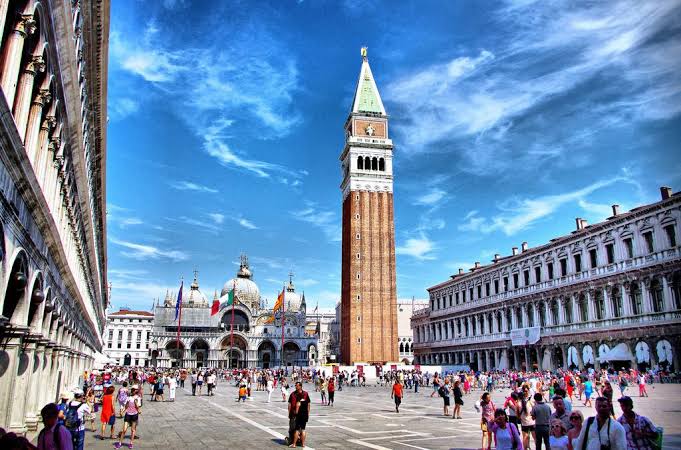
St Mark's Campanile
Basilica S.Maria Gloriosa dei Frari
Find Accommodations Nearby
Recommended Tours & Activities
Visitor Reviews
There are no reviews yet. Be the first one to write one.
Share Your Experience
Have you visited Bridge of Sighs? Help other travelers by leaving a review.