
Booth Museum of Natural History
About Booth Museum of Natural History
The Booth Museum of Natural History in Brighton is one of those places that feels like stepping into a Victorian curiosity cabinet, only on a much larger scale. Founded back in 1874 by Edward Thomas Booth, a passionate Victorian collector, the museum still carries that old-world charm while offering a fascinating look at the natural world. It’s not your typical polished, modern museum with shiny touchscreens everywhere. Instead, it leans into its heritage, with cases of beautifully preserved birds, insects, fossils, and skeletons that tell stories of both science and history.
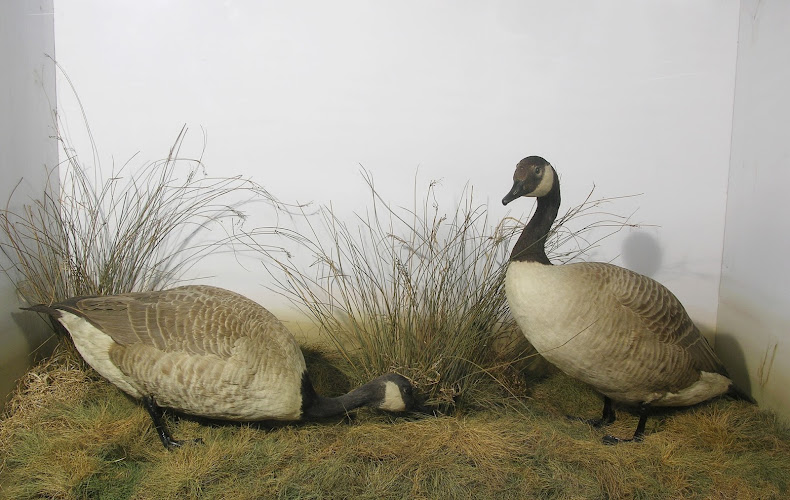
What makes it stand out is its unapologetically old-school vibe. You’ll find row upon row of glass cases filled with taxidermy birds, arranged in detailed dioramas that Booth himself designed to mimic their natural habitats. It’s a bit like time traveling into the Victorian era of natural science, where collecting and cataloguing were seen as a way of understanding the world. This can feel slightly eerie to some, but for others (myself included), it’s oddly fascinating—like leafing through a dusty old book that’s bursting with surprises.
The museum manages to balance this historic collection with a more educational side. Families with kids often find themselves drawn to the skeletons and fossils, while natural history enthusiasts can spend hours peering into the details of the exhibits. It’s free to enter, which makes it even more appealing if you’re traveling on a budget or just curious enough to pop in without committing to a big day out. That said, it’s not perfect. Some people find the museum a little dated, and it’s true that parts of it could use a refresh. But that’s also part of its personality—it hasn’t lost its roots in trying to be something it’s not.
Key Features
- Extensive Victorian taxidermy bird dioramas created by Edward Thomas Booth
- Over half a million specimens, including insects, fossils, bones, and skeletons
- Hands-on activities and interactive displays for children
- Free admission for all visitors
- Focus on both local chalk fossils and global natural history
- Wheelchair accessible restrooms (though parking accessibility is limited)
- A quiet, reflective atmosphere compared to busier Brighton attractions
Best Time to Visit
There isn’t really a “bad” time to visit the Booth Museum, but your experience can vary depending on when you go. Weekends and school holidays tend to draw more families, so if you prefer a quieter wander, aim for weekday mornings. I once popped in on a rainy Tuesday and practically had the place to myself—it felt like a private tour through Victorian cabinets of wonder.
Brighton can get very busy in summer, and while most tourists flock to the beach or the Pavilion, the museum stays relatively calm, making it a great escape from the crowds. Winter visits have their own charm too; there’s something about ducking into a warm museum while the wind howls outside that makes the exhibits feel even more atmospheric. If you’re traveling with kids, timing your visit with one of their drop-in activity days can add an extra layer of fun.
How to Get There
The Booth Museum is located in Brighton, not far from the city center. If you’re already exploring the main attractions, it’s just a short bus ride or a pleasant walk away. Brighton’s bus network is reliable and frequent, and several routes stop close to the museum. If you’re driving, be aware that parking nearby can be a bit tricky, and the museum doesn’t have its own dedicated lot. Personally, I’d recommend leaving the car behind if you can and enjoying the walk—it’s a good way to see more of the city.
For those coming by train, Brighton Station is the nearest major hub. From there, it’s about a 15–20 minute walk, or you can hop on a bus if you’re not in the mood for the uphill stroll. Cyclists will find the route manageable too, though you’ll need to lock your bike outside as there isn’t indoor storage.
Tips for Visiting
First and foremost: give yourself time. The museum might not look huge from the outside, but once you start exploring the cases and reading the stories behind them, it’s easy to lose track of the hours. If you’re traveling with kids, pace yourselves—there’s a lot to take in, and younger visitors often gravitate to the more dramatic skeletons and fossils.
Since admission is free, you don’t have to worry about squeezing everything into one visit. You can pop in for half an hour to see the highlights or spend a whole afternoon if you’re a natural history buff. And don’t forget to check in advance if they’re hosting any special drop-in events—they add a nice interactive twist to the experience.
Accessibility-wise, the museum does have wheelchair accessible restrooms, but parking can be a hassle. If you’re visiting with someone who has mobility needs, it’s worth planning ahead for transport. There’s no café on site, so I’d suggest grabbing a coffee or snack before you arrive. Luckily, Brighton is full of little cafés and bakeries, so you won’t be short of options nearby.
And here’s a personal tip: don’t rush past the bird dioramas. At first glance, they can look a bit repetitive, but if you pause and really look, you’ll notice the detail Booth put into recreating each habitat. It’s like a snapshot of Victorian curiosity, frozen in time. Some people find it a bit macabre, but I think it’s a fascinating reminder of how people once tried to understand the natural world.
In short, the Booth Museum of Natural History is one of Brighton’s quieter gems. It may not be flashy or modern, but it’s full of character, history, and quirky surprises. If you’re the kind of traveler who enjoys peeling back the layers of a city beyond the obvious attractions, this museum is well worth your time.
Key Features
- Extensive Victorian taxidermy bird dioramas created by Edward Thomas Booth
- Over half a million specimens, including insects, fossils, bones, and skeletons
- Hands-on activities and interactive displays for children
- Free admission for all visitors
- Focus on both local chalk fossils and global natural history
- Wheelchair accessible restrooms (though parking accessibility is limited)
- A quiet, reflective atmosphere compared to busier Brighton attractions
You Might Also Like
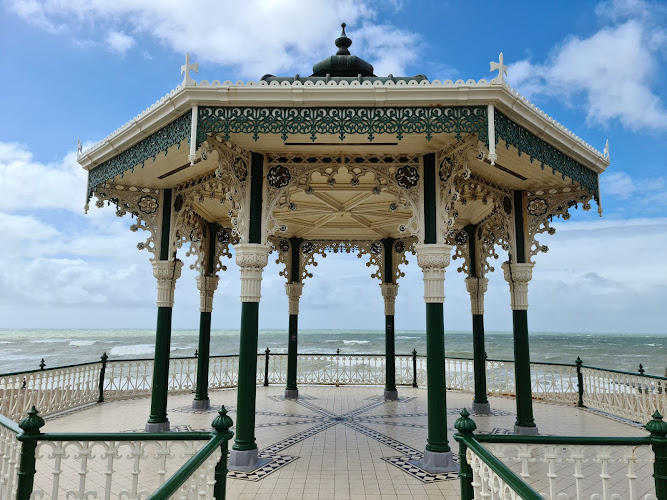
Brighton Beach Bandstand
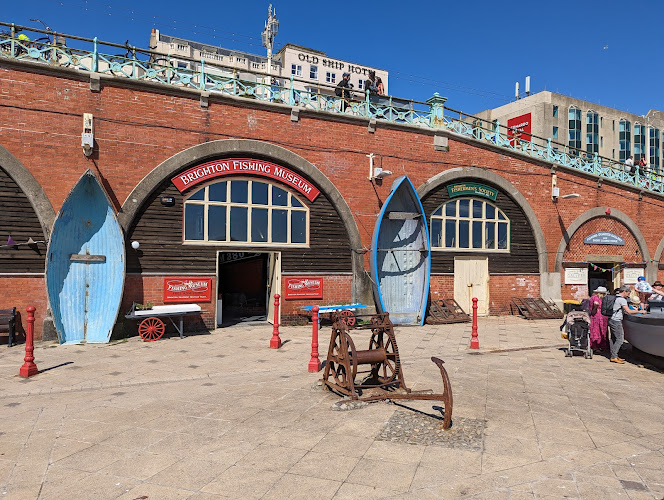
Brighton Fishing Museum
Brighton i360″Must thing to do while you are visiting Brighton.
Tours & Activities
GetYourGuide provides this tour inventory. We may earn a commission if you book through it; verify current availability, prices, and terms with the provider.
Visitor Reviews
There are no reviews yet. Be the first one to write one.
Share Your Experience
Have you visited Booth Museum of Natural History? Help other travelers by leaving a review.