
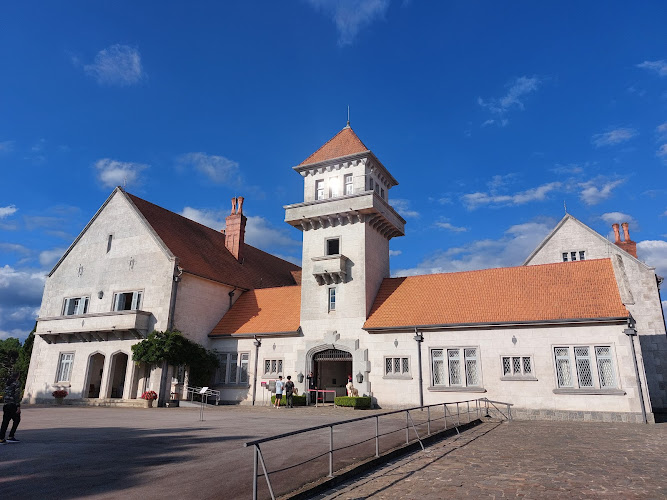
Boa Vista Palace
About Boa Vista Palace
Description
Boa Vista Palace in Campos do Jordão is one of those places that quietly surprises you. At first glance, it looks like something straight out of a European postcard—majestic stone walls, steep roofs, and sweeping views of the mountains. But once you step inside, it’s a different story altogether. Built in the 1940s as the official winter residence for the governor of São Paulo, the palace now serves as a museum that blends Brazil’s political history with its rich artistic soul. It’s not just an old building filled with antiques; it’s a living, breathing space that tells stories through every portrait, sculpture, and piece of furniture.
Walking through its halls, you can actually feel the layers of time. One moment you’re admiring heavy colonial-era furniture, and the next, you’re staring at a bold modernist painting that seems to challenge the very idea of tradition. That mix of old and new is what makes Boa Vista Palace so fascinating. It’s like Brazil’s past and present are having a conversation right in front of you. And honestly, that’s what makes this place worth the trip.
The palace grounds are equally striking. The gardens are beautifully maintained, with winding paths that invite you to slow down and breathe in the crisp mountain air. If you’re lucky enough to visit on a clear day, the panoramic views of the Mantiqueira Mountains are breathtaking. I remember standing out there one chilly morning, coffee in hand, just soaking in the silence. It’s the kind of calm that sticks with you long after you’ve left.
Key Features
- Showcases both historical and contemporary Brazilian art, offering a full spectrum of the country’s creative evolution.
- Features period furniture and decorative arts from the 18th to 20th centuries.
- Wheelchair accessible throughout, including entrance, restrooms, and parking areas.
- Family-friendly environment with facilities for children, including changing tables.
- Free on-site parking for visitors, which is always a relief in Campos do Jordão’s busy tourist seasons.
- Guided tours available that dive deeper into the palace’s architecture and art collections.
- Set against the scenic backdrop of the Serra da Mantiqueira mountains, perfect for photography enthusiasts.
What stands out most, though, is the art collection. It’s not just about pretty paintings or dusty relics. The palace houses works by some of Brazil’s most celebrated artists, especially from the early modernist period—a time when Brazilian art was finding its own voice. You’ll see pieces that capture the energy, color, and contradictions of the country itself. And even if you’re not an art buff, there’s something deeply moving about seeing Brazil’s story told through these works.
Best Time to Visit
Campos do Jordão is known for its cool mountain climate, and Boa Vista Palace fits beautifully into that setting. The best time to visit really depends on what kind of experience you’re after. If you love crisp air, cozy sweaters, and that winter-in-the-mountains vibe, June through August is perfect. It’s high season, though, so expect more visitors and a livelier atmosphere. The palace tends to feel more festive then, almost like it’s part of the town’s famous winter charm.
If you prefer a quieter visit, try going in the shoulder months—April, May, September, or October. The weather’s still pleasant, the gardens are lush, and you can take your time exploring without the crowds. I once visited in early May, and it felt like I had the place almost to myself. There’s something magical about wandering those halls in near silence, hearing only your footsteps echo against the marble floors.
Avoid heavy rain periods, usually from December to February, as the mountain roads can get slippery. But honestly, even then, the mist rolling over the hills gives the palace an almost mystical atmosphere. There’s no bad time to go—just different moods waiting to be discovered.
How to Get There
Getting to Boa Vista Palace is pretty straightforward, especially if you’re already in Campos do Jordão. Most visitors arrive by car, and the drive itself is part of the experience. The road winds through pine forests and mountain curves that open up to stunning views. From São Paulo city, it’s roughly a three-hour drive, depending on traffic. If you’re not driving, there are also bus services from São Paulo to Campos do Jordão, and from the town center, taxis and rideshares can easily take you to the palace.
For those who love a bit of adventure, cycling up to the palace is possible too (if you’re up for a challenge). The elevation gain is no joke, but the reward—those sweeping mountain views—is worth every pedal. And since there’s free parking on-site, driving remains the most convenient option for most travelers.
Once you arrive, the entrance is well-marked and accessible. The staff are friendly and used to helping first-time visitors. I remember chatting with one of the guides who told me that every piece in the palace has its own story—and she wasn’t exaggerating. From the hand-carved wooden ceilings to the intricate tile work, every detail feels intentional.
Tips for Visiting
A visit to Boa Vista Palace can easily take a couple of hours, so plan accordingly. Wear comfortable shoes because there’s a fair bit of walking, especially if you want to explore the gardens too. The palace doesn’t have an on-site restaurant, so it’s a good idea to grab a bite before or after your visit. Luckily, Campos do Jordão has no shortage of cozy cafés and chocolate shops nearby—perfect for warming up after a chilly morning tour.
Photography is generally allowed in most areas, but always check the posted signs or ask a staff member just to be sure. Some art pieces are sensitive to flash, and it’s better to err on the side of caution. And if you’re traveling with kids, you’ll be glad to know the palace is quite family-friendly. There’s space for them to move around, and the exhibits are engaging enough to keep their attention.
One little tip: go early in the day. The morning light filtering through the palace windows is just gorgeous—it gives everything a golden glow that makes your photos pop. Plus, you’ll beat the crowds that tend to roll in after lunch. I learned this the hard way on my first visit when I arrived mid-afternoon and found myself weaving through tour groups. The second time, I showed up just after opening, and it was a completely different experience—peaceful, almost meditative.
Also, don’t rush. Take your time to really look at the details—the carvings on the furniture, the brushstrokes on the paintings, even the way the light hits the old stone walls. It’s easy to breeze through museums, but Boa Vista Palace rewards those who linger. There’s a quiet dignity to the place that unfolds slowly.
For accessibility, the palace is impressively accommodating. The entrance, restrooms, and parking areas are wheelchair accessible, and the staff are always ready to assist if needed. That’s something I genuinely appreciate because it shows that the palace isn’t just preserving history—it’s making it accessible to everyone.
In the end, Boa Vista Palace is more than just a museum. It’s a reflection of Brazil’s cultural journey, set against one of the most beautiful backdrops in the country. Whether you’re an art lover, a history enthusiast, or just someone looking for a peaceful escape, this place has a quiet charm that’s hard to forget. It’s the kind of destination that doesn’t shout for attention but leaves a lasting impression all the same.
So if you ever find yourself in Campos do Jordão, take a few hours to step inside the Boa Vista Palace. Walk its halls, breathe in the mountain air, and let the past and present mingle around you. You might just find yourself seeing Brazil—and maybe even yourself—a little differently by the time you leave.
Key Features
- Showcases both historical and contemporary Brazilian art, offering a full spectrum of the country’s creative evolution.
- Features period furniture and decorative arts from the 18th to 20th centuries.
- Wheelchair accessible throughout, including entrance, restrooms, and parking areas.
- Family-friendly environment with facilities for children, including changing tables.
- Free on-site parking for visitors, which is always a relief in Campos do Jordão’s busy tourist seasons.
- Guided tours available that dive deeper into the palace’s architecture and art collections.
- Set against the scenic backdrop of the Serra da Mantiqueira mountains, perfect for photography enthusiasts.
More Details
Updated November 10, 2025
Table of Contents
Description
Boa Vista Palace in Campos do Jordão is one of those places that quietly surprises you. At first glance, it looks like something straight out of a European postcard—majestic stone walls, steep roofs, and sweeping views of the mountains. But once you step inside, it’s a different story altogether. Built in the 1940s as the official winter residence for the governor of São Paulo, the palace now serves as a museum that blends Brazil’s political history with its rich artistic soul. It’s not just an old building filled with antiques; it’s a living, breathing space that tells stories through every portrait, sculpture, and piece of furniture.
Walking through its halls, you can actually feel the layers of time. One moment you’re admiring heavy colonial-era furniture, and the next, you’re staring at a bold modernist painting that seems to challenge the very idea of tradition. That mix of old and new is what makes Boa Vista Palace so fascinating. It’s like Brazil’s past and present are having a conversation right in front of you. And honestly, that’s what makes this place worth the trip.
The palace grounds are equally striking. The gardens are beautifully maintained, with winding paths that invite you to slow down and breathe in the crisp mountain air. If you’re lucky enough to visit on a clear day, the panoramic views of the Mantiqueira Mountains are breathtaking. I remember standing out there one chilly morning, coffee in hand, just soaking in the silence. It’s the kind of calm that sticks with you long after you’ve left.
Key Features
- Showcases both historical and contemporary Brazilian art, offering a full spectrum of the country’s creative evolution.
- Features period furniture and decorative arts from the 18th to 20th centuries.
- Wheelchair accessible throughout, including entrance, restrooms, and parking areas.
- Family-friendly environment with facilities for children, including changing tables.
- Free on-site parking for visitors, which is always a relief in Campos do Jordão’s busy tourist seasons.
- Guided tours available that dive deeper into the palace’s architecture and art collections.
- Set against the scenic backdrop of the Serra da Mantiqueira mountains, perfect for photography enthusiasts.
What stands out most, though, is the art collection. It’s not just about pretty paintings or dusty relics. The palace houses works by some of Brazil’s most celebrated artists, especially from the early modernist period—a time when Brazilian art was finding its own voice. You’ll see pieces that capture the energy, color, and contradictions of the country itself. And even if you’re not an art buff, there’s something deeply moving about seeing Brazil’s story told through these works.
Best Time to Visit
Campos do Jordão is known for its cool mountain climate, and Boa Vista Palace fits beautifully into that setting. The best time to visit really depends on what kind of experience you’re after. If you love crisp air, cozy sweaters, and that winter-in-the-mountains vibe, June through August is perfect. It’s high season, though, so expect more visitors and a livelier atmosphere. The palace tends to feel more festive then, almost like it’s part of the town’s famous winter charm.
If you prefer a quieter visit, try going in the shoulder months—April, May, September, or October. The weather’s still pleasant, the gardens are lush, and you can take your time exploring without the crowds. I once visited in early May, and it felt like I had the place almost to myself. There’s something magical about wandering those halls in near silence, hearing only your footsteps echo against the marble floors.
Avoid heavy rain periods, usually from December to February, as the mountain roads can get slippery. But honestly, even then, the mist rolling over the hills gives the palace an almost mystical atmosphere. There’s no bad time to go—just different moods waiting to be discovered.
How to Get There
Getting to Boa Vista Palace is pretty straightforward, especially if you’re already in Campos do Jordão. Most visitors arrive by car, and the drive itself is part of the experience. The road winds through pine forests and mountain curves that open up to stunning views. From São Paulo city, it’s roughly a three-hour drive, depending on traffic. If you’re not driving, there are also bus services from São Paulo to Campos do Jordão, and from the town center, taxis and rideshares can easily take you to the palace.
For those who love a bit of adventure, cycling up to the palace is possible too (if you’re up for a challenge). The elevation gain is no joke, but the reward—those sweeping mountain views—is worth every pedal. And since there’s free parking on-site, driving remains the most convenient option for most travelers.
Once you arrive, the entrance is well-marked and accessible. The staff are friendly and used to helping first-time visitors. I remember chatting with one of the guides who told me that every piece in the palace has its own story—and she wasn’t exaggerating. From the hand-carved wooden ceilings to the intricate tile work, every detail feels intentional.
Tips for Visiting
A visit to Boa Vista Palace can easily take a couple of hours, so plan accordingly. Wear comfortable shoes because there’s a fair bit of walking, especially if you want to explore the gardens too. The palace doesn’t have an on-site restaurant, so it’s a good idea to grab a bite before or after your visit. Luckily, Campos do Jordão has no shortage of cozy cafés and chocolate shops nearby—perfect for warming up after a chilly morning tour.
Photography is generally allowed in most areas, but always check the posted signs or ask a staff member just to be sure. Some art pieces are sensitive to flash, and it’s better to err on the side of caution. And if you’re traveling with kids, you’ll be glad to know the palace is quite family-friendly. There’s space for them to move around, and the exhibits are engaging enough to keep their attention.
One little tip: go early in the day. The morning light filtering through the palace windows is just gorgeous—it gives everything a golden glow that makes your photos pop. Plus, you’ll beat the crowds that tend to roll in after lunch. I learned this the hard way on my first visit when I arrived mid-afternoon and found myself weaving through tour groups. The second time, I showed up just after opening, and it was a completely different experience—peaceful, almost meditative.
Also, don’t rush. Take your time to really look at the details—the carvings on the furniture, the brushstrokes on the paintings, even the way the light hits the old stone walls. It’s easy to breeze through museums, but Boa Vista Palace rewards those who linger. There’s a quiet dignity to the place that unfolds slowly.
For accessibility, the palace is impressively accommodating. The entrance, restrooms, and parking areas are wheelchair accessible, and the staff are always ready to assist if needed. That’s something I genuinely appreciate because it shows that the palace isn’t just preserving history—it’s making it accessible to everyone.
In the end, Boa Vista Palace is more than just a museum. It’s a reflection of Brazil’s cultural journey, set against one of the most beautiful backdrops in the country. Whether you’re an art lover, a history enthusiast, or just someone looking for a peaceful escape, this place has a quiet charm that’s hard to forget. It’s the kind of destination that doesn’t shout for attention but leaves a lasting impression all the same.
So if you ever find yourself in Campos do Jordão, take a few hours to step inside the Boa Vista Palace. Walk its halls, breathe in the mountain air, and let the past and present mingle around you. You might just find yourself seeing Brazil—and maybe even yourself—a little differently by the time you leave.
Key Highlights
- Showcases both historical and contemporary Brazilian art, offering a full spectrum of the country’s creative evolution.
- Features period furniture and decorative arts from the 18th to 20th centuries.
- Wheelchair accessible throughout, including entrance, restrooms, and parking areas.
- Family-friendly environment with facilities for children, including changing tables.
- Free on-site parking for visitors, which is always a relief in Campos do Jordão’s busy tourist seasons.
- Guided tours available that dive deeper into the palace’s architecture and art collections.
- Set against the scenic backdrop of the Serra da Mantiqueira mountains, perfect for photography enthusiasts.
Location
Places to Stay Near Boa Vista Palace
Find and Book a Tour
Explore More Travel Guides
No reviews found! Be the first to review!
Traveler Reviews for Boa Vista Palace
There are no reviews yet. Be the first one to write one.
Have you visited Boa Vista Palace? Help other travelers by sharing your review.
You Might Also Like

St. Benedict Square
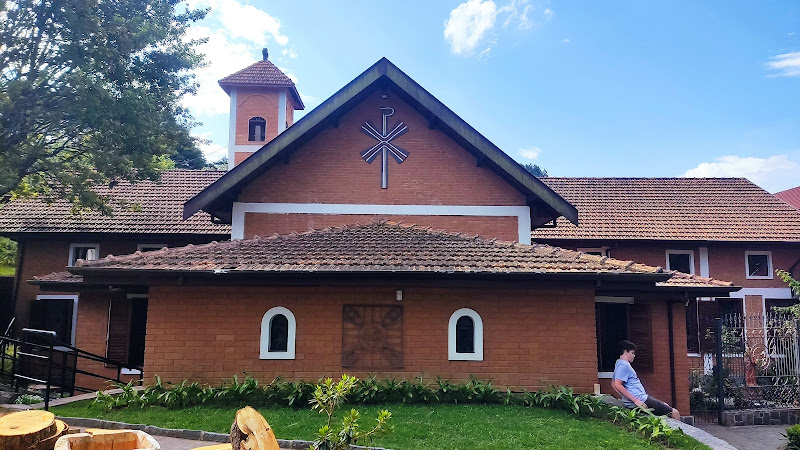
Mosteiro de São João - Monjas Beneditinas
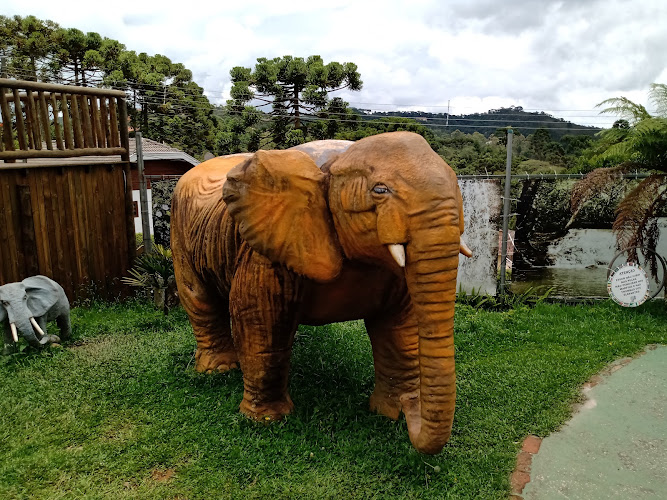
Elephant Park
Find Accommodations Nearby
Recommended Tours & Activities
Visitor Reviews
There are no reviews yet. Be the first one to write one.
Share Your Experience
Have you visited Boa Vista Palace? Help other travelers by leaving a review.