
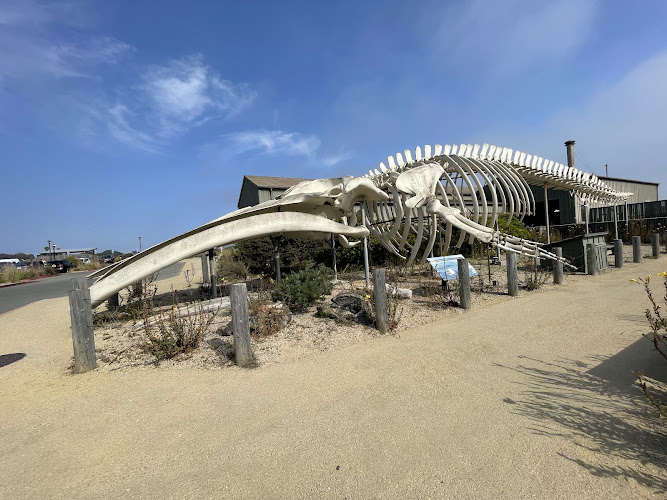
Blue Whale Skeleton
About Blue Whale Skeleton
Description
The Blue Whale Skeleton stands as one of nature's most magnificent displays, drawing visitors from around the globe to witness the sheer scale of Earth's largest creature. I've always been fascinated by how something so massive once glided effortlessly through ocean depths - and seeing these bones up close really puts that into perspective.
This remarkable attraction showcases the complete skeletal remains of a blue whale, offering an extraordinary educational experience that appeals to visitors of all ages. The skeleton typically measures between 70 to 100 feet in length, depending on the individual specimen, creating an awe-inspiring sight that photographs simply can't capture adequately.
What strikes most visitors first is the unexpected delicacy of the bone structure despite its enormous size. The ribcage alone creates cathedral-like arches that dwarf human visitors standing beneath. And honestly, there's something almost spiritual about being in the presence of such an ancient giant - these creatures can live over 80 years, meaning this skeleton represents decades of ocean adventures.
The display serves as both a tourist attraction and an important scientific specimen, providing researchers and the public alike with insights into marine biology and whale anatomy. Many visitors report feeling a deeper connection to ocean conservation efforts after witnessing firsthand the magnificence of these gentle giants.
Key Features
Travelers will discover numerous remarkable aspects that make this blue whale skeleton a truly unique destination:
- Massive Scale: The skeleton's impressive length creates an unforgettable visual impact that visitors remember for years
- Educational Displays: Informative panels provide fascinating facts about blue whale biology, migration patterns, and conservation status
- Photography Opportunities: The skeleton offers countless angles for memorable photos, from dramatic wide shots to detailed bone structure close-ups
- Interactive Elements: Many installations include hands-on learning stations where visitors can compare whale bone density to other materials
- Complete Skeletal Structure: Unlike partial displays, this attraction typically features the entire skeleton including skull, vertebrae, and flipper bones
- Climate-Controlled Environment: Indoor displays protect both the specimen and visitors from weather conditions
- Accessibility Features: Wheelchair-friendly pathways ensure all visitors can fully experience the attraction
- Audio Guides: Self-guided tours provide additional context about whale behavior and ocean ecosystems
- Comparison Displays: Side-by-side exhibits showing blue whale bones alongside other marine mammal skeletons
- Conservation Messaging: Information about current threats to blue whale populations and protection efforts
Best Time to Visit
The beauty of visiting a blue whale skeleton display is that it's typically available year-round, making it an excellent backup plan when weather doesn't cooperate with outdoor activities. However, timing can significantly impact your overall experience.
Weekday mornings generally offer the most peaceful viewing experience, especially if you're someone who enjoys contemplating the exhibit without crowds. I've found that arriving within the first hour of opening gives you those perfect photo opportunities without other visitors accidentally wandering into your shots.
School holidays and summer months tend to bring larger crowds, particularly families with children. While this creates a more energetic atmosphere, it can make detailed examination of specific bone structures more challenging. But there's something wonderful about hearing kids' excited reactions - their genuine amazement is pretty contagious.
Winter months often provide the most comfortable indoor viewing conditions, especially in regions with harsh weather. The controlled environment maintains optimal temperature and humidity levels year-round, ensuring visitor comfort regardless of outside conditions.
If you're visiting during peak tourist season, consider arriving later in the afternoon when tour groups have typically moved on to other attractions. Late afternoon lighting can also create more dramatic shadows across the skeleton, enhancing the visual impact.
Special events, lectures, or temporary exhibitions may influence the best visiting times. Many facilities host marine biology presentations or conservation talks that complement the skeleton display beautifully.
How to Get There
Getting to blue whale skeleton displays varies considerably depending on location, but most are situated within established museums, aquariums, or educational centers with good transportation access.
Public transportation often provides the most convenient option, particularly in urban areas where parking can be limited and expensive. Many facilities are located along major bus routes or near subway stations, making them easily accessible without a personal vehicle.
If you're driving, research parking options in advance - museum parking lots can fill quickly during peak visiting hours. Some locations offer validated parking or discounted rates for visitors, so don't forget to ask at the admission desk.
Ride-sharing services work well for visitors staying in nearby hotels, though pickup locations might be designated areas rather than directly at the entrance. This is particularly common at larger museum complexes with multiple buildings.
For travelers using GPS navigation, search for the specific museum or facility name rather than "blue whale skeleton" - this ensures you'll arrive at the correct entrance and avoid confusion with nearby buildings.
International visitors should check whether the facility is included in city tourism passes, which often provide both transportation and admission discounts. Many major cities offer multi-day passes that make visiting multiple attractions more economical.
Walking from nearby attractions or hotels is often pleasant and practical, especially since these displays are frequently located in museum districts or cultural areas with pedestrian-friendly infrastructure.
Tips for Visiting
Planning ahead makes all the difference when visiting a blue whale skeleton display. First thing - check the facility's website for any temporary closures or special exhibitions that might affect your visit. I learned this the hard way when I showed up to find an entire wing closed for maintenance.
Bring a camera with good low-light capabilities since many displays are kept in dimmer lighting to preserve the specimens. Flash photography is often prohibited, so familiarize yourself with your camera's settings beforehand. And trust me, you'll want to capture this from multiple angles.
Comfortable walking shoes are essential, even though you'll mostly be standing and slowly moving around the display. Many facilities have hard floors that can be tough on your feet after extended periods.
Allow more time than you initially think you'll need. There's so much detail to absorb, and many visitors find themselves returning to examine specific features more closely. The skull alone can hold your attention for 20 minutes if you're really looking at the bone structure.
Consider downloading the facility's mobile app before your visit - many offer enhanced content, audio tours, or interactive features that aren't available otherwise. Some even include augmented reality features that show how the skeleton looked when covered in tissue.
If you're visiting with children, prepare them for the size beforehand. Some kids can feel overwhelmed by such massive displays, while others become incredibly excited. Having a conversation about what they'll see helps set appropriate expectations.
Take advantage of any scheduled talks or guided tours - the additional context provided by knowledgeable staff often reveals details you'd miss during a self-guided visit. Plus, it's a great opportunity to ask specific questions about whale biology or conservation.
Don't rush through the experience. This isn't something you see every day, and the educational value increases significantly when you take time to read displays and really examine the bone structure. Many visitors report that slowing down transforms the experience from simple sightseeing to genuine learning.
Finally, respect photography guidelines and be mindful of other visitors. The skeleton creates natural gathering points where people want to stand for photos, so patience and courtesy go a long way toward everyone having a positive experience.
Key Features
- Key Features
- Best Time to Visit
- How to Get There
- Tips for Visiting
More Details
Updated September 13, 2025
Table of Contents
Description
The Blue Whale Skeleton stands as one of nature’s most magnificent displays, drawing visitors from around the globe to witness the sheer scale of Earth’s largest creature. I’ve always been fascinated by how something so massive once glided effortlessly through ocean depths – and seeing these bones up close really puts that into perspective.
This remarkable attraction showcases the complete skeletal remains of a blue whale, offering an extraordinary educational experience that appeals to visitors of all ages. The skeleton typically measures between 70 to 100 feet in length, depending on the individual specimen, creating an awe-inspiring sight that photographs simply can’t capture adequately.
What strikes most visitors first is the unexpected delicacy of the bone structure despite its enormous size. The ribcage alone creates cathedral-like arches that dwarf human visitors standing beneath. And honestly, there’s something almost spiritual about being in the presence of such an ancient giant – these creatures can live over 80 years, meaning this skeleton represents decades of ocean adventures.
The display serves as both a tourist attraction and an important scientific specimen, providing researchers and the public alike with insights into marine biology and whale anatomy. Many visitors report feeling a deeper connection to ocean conservation efforts after witnessing firsthand the magnificence of these gentle giants.
Key Features
Travelers will discover numerous remarkable aspects that make this blue whale skeleton a truly unique destination:
- Massive Scale: The skeleton’s impressive length creates an unforgettable visual impact that visitors remember for years
- Educational Displays: Informative panels provide fascinating facts about blue whale biology, migration patterns, and conservation status
- Photography Opportunities: The skeleton offers countless angles for memorable photos, from dramatic wide shots to detailed bone structure close-ups
- Interactive Elements: Many installations include hands-on learning stations where visitors can compare whale bone density to other materials
- Complete Skeletal Structure: Unlike partial displays, this attraction typically features the entire skeleton including skull, vertebrae, and flipper bones
- Climate-Controlled Environment: Indoor displays protect both the specimen and visitors from weather conditions
- Accessibility Features: Wheelchair-friendly pathways ensure all visitors can fully experience the attraction
- Audio Guides: Self-guided tours provide additional context about whale behavior and ocean ecosystems
- Comparison Displays: Side-by-side exhibits showing blue whale bones alongside other marine mammal skeletons
- Conservation Messaging: Information about current threats to blue whale populations and protection efforts
Best Time to Visit
The beauty of visiting a blue whale skeleton display is that it’s typically available year-round, making it an excellent backup plan when weather doesn’t cooperate with outdoor activities. However, timing can significantly impact your overall experience.
Weekday mornings generally offer the most peaceful viewing experience, especially if you’re someone who enjoys contemplating the exhibit without crowds. I’ve found that arriving within the first hour of opening gives you those perfect photo opportunities without other visitors accidentally wandering into your shots.
School holidays and summer months tend to bring larger crowds, particularly families with children. While this creates a more energetic atmosphere, it can make detailed examination of specific bone structures more challenging. But there’s something wonderful about hearing kids’ excited reactions – their genuine amazement is pretty contagious.
Winter months often provide the most comfortable indoor viewing conditions, especially in regions with harsh weather. The controlled environment maintains optimal temperature and humidity levels year-round, ensuring visitor comfort regardless of outside conditions.
If you’re visiting during peak tourist season, consider arriving later in the afternoon when tour groups have typically moved on to other attractions. Late afternoon lighting can also create more dramatic shadows across the skeleton, enhancing the visual impact.
Special events, lectures, or temporary exhibitions may influence the best visiting times. Many facilities host marine biology presentations or conservation talks that complement the skeleton display beautifully.
How to Get There
Getting to blue whale skeleton displays varies considerably depending on location, but most are situated within established museums, aquariums, or educational centers with good transportation access.
Public transportation often provides the most convenient option, particularly in urban areas where parking can be limited and expensive. Many facilities are located along major bus routes or near subway stations, making them easily accessible without a personal vehicle.
If you’re driving, research parking options in advance – museum parking lots can fill quickly during peak visiting hours. Some locations offer validated parking or discounted rates for visitors, so don’t forget to ask at the admission desk.
Ride-sharing services work well for visitors staying in nearby hotels, though pickup locations might be designated areas rather than directly at the entrance. This is particularly common at larger museum complexes with multiple buildings.
For travelers using GPS navigation, search for the specific museum or facility name rather than “blue whale skeleton” – this ensures you’ll arrive at the correct entrance and avoid confusion with nearby buildings.
International visitors should check whether the facility is included in city tourism passes, which often provide both transportation and admission discounts. Many major cities offer multi-day passes that make visiting multiple attractions more economical.
Walking from nearby attractions or hotels is often pleasant and practical, especially since these displays are frequently located in museum districts or cultural areas with pedestrian-friendly infrastructure.
Tips for Visiting
Planning ahead makes all the difference when visiting a blue whale skeleton display. First thing – check the facility’s website for any temporary closures or special exhibitions that might affect your visit. I learned this the hard way when I showed up to find an entire wing closed for maintenance.
Bring a camera with good low-light capabilities since many displays are kept in dimmer lighting to preserve the specimens. Flash photography is often prohibited, so familiarize yourself with your camera’s settings beforehand. And trust me, you’ll want to capture this from multiple angles.
Comfortable walking shoes are essential, even though you’ll mostly be standing and slowly moving around the display. Many facilities have hard floors that can be tough on your feet after extended periods.
Allow more time than you initially think you’ll need. There’s so much detail to absorb, and many visitors find themselves returning to examine specific features more closely. The skull alone can hold your attention for 20 minutes if you’re really looking at the bone structure.
Consider downloading the facility’s mobile app before your visit – many offer enhanced content, audio tours, or interactive features that aren’t available otherwise. Some even include augmented reality features that show how the skeleton looked when covered in tissue.
If you’re visiting with children, prepare them for the size beforehand. Some kids can feel overwhelmed by such massive displays, while others become incredibly excited. Having a conversation about what they’ll see helps set appropriate expectations.
Take advantage of any scheduled talks or guided tours – the additional context provided by knowledgeable staff often reveals details you’d miss during a self-guided visit. Plus, it’s a great opportunity to ask specific questions about whale biology or conservation.
Don’t rush through the experience. This isn’t something you see every day, and the educational value increases significantly when you take time to read displays and really examine the bone structure. Many visitors report that slowing down transforms the experience from simple sightseeing to genuine learning.
Finally, respect photography guidelines and be mindful of other visitors. The skeleton creates natural gathering points where people want to stand for photos, so patience and courtesy go a long way toward everyone having a positive experience.
Key Highlights
- Key Features
- Best Time to Visit
- How to Get There
- Tips for Visiting
Location
Places to Stay Near Blue Whale Skeleton
Find and Book a Tour
Explore More Travel Guides
No reviews found! Be the first to review!
Traveler Reviews for Blue Whale Skeleton
There are no reviews yet. Be the first one to write one.
Have you visited Blue Whale Skeleton? Help other travelers by sharing your review.
You Might Also Like
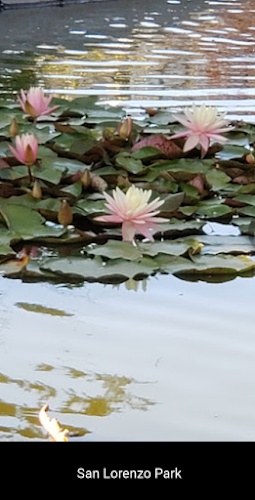
San Lorenzo Park
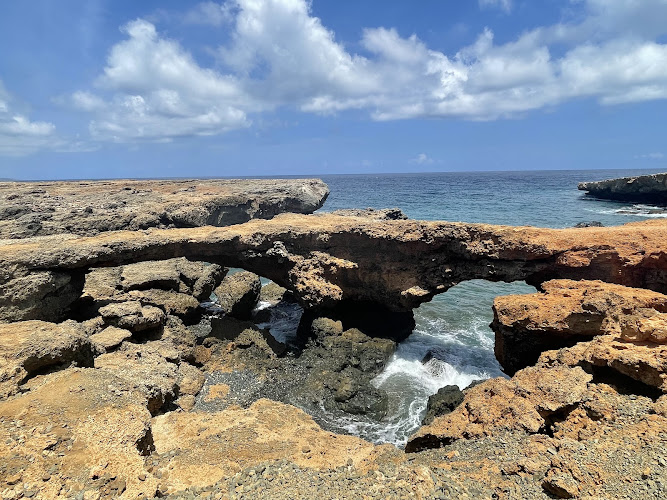
Blackstone beach
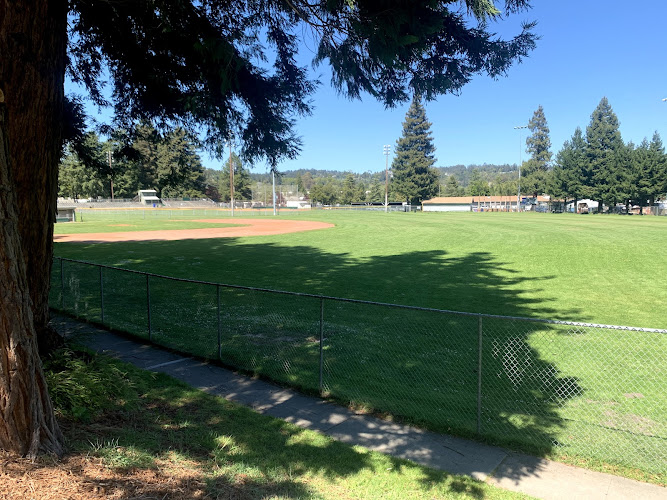
Harvey West Park
Find Accommodations Nearby
Recommended Tours & Activities
Visitor Reviews
There are no reviews yet. Be the first one to write one.
Share Your Experience
Have you visited Blue Whale Skeleton? Help other travelers by leaving a review.