Description
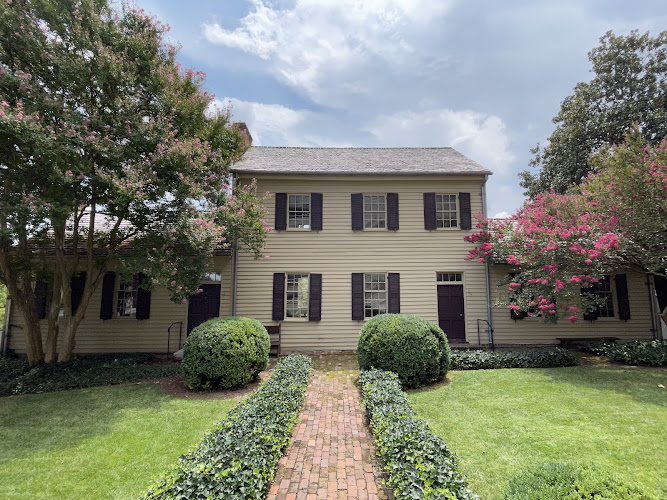
Stepping into Blount Mansion feels a bit like walking through a portal to 1792, and honestly, it’s one of those experiences that catches you off guard in the best possible way. I’ve visited my fair share of historical homes across the country, but there’s something distinctively different about this place that sits in downtown Knoxville. William Blount wasn’t just any historical figure—he was one of the guys who signed the U.S. Constitution, served as territorial governor, and basically helped shape what would become the state of Tennessee.
The mansion itself tells a story of early American frontier life, though calling it a “frontier” dwelling doesn’t quite do it justice. This was actually considered quite the upscale residence for its time, reflecting Blount’s status as a man of considerable influence and means. The structure represents one of the finest examples of Georgian architecture you’ll find in this part of the country, and it’s genuinely remarkable that it’s survived over two centuries of weather, war, and urban development.
What makes this place particularly fascinating is that it wasn’t just Blount’s personal residence. It served as the capitol of the Southwest Territory from 1792 to 1796, meaning major political decisions that affected thousands of lives were made right within these walls. You’re not just looking at where someone ate breakfast and slept at night—you’re standing where territory governance happened, where treaties were discussed, and where the groundwork for Tennessee statehood was laid.
The museum has done an impressive job preserving and interpreting the site. They’ve maintained the property’s historical integrity while making it accessible to modern visitors, which isn’t always an easy balance to strike. The grounds include the main mansion plus several outbuildings that give you a more complete picture of what life looked like for everyone who lived and worked here, not just the Blount family themselves.
Key Features
When you’re planning your visit to Blount Mansion, here’s what you’ll want to know about what makes this place worth your time:
- The main mansion showcases authentic Georgian architecture from the late 18th century, complete with period-appropriate furnishings and architectural details that transport visitors back to Tennessee’s territorial days
- Guided tours led by knowledgeable staff who really know their stuff—these aren’t just people reading from scripts, they genuinely understand the historical context and can answer even your oddball questions
- The visitor center provides essential historical background before you tour the mansion itself, helping you understand William Blount’s role in American history and Tennessee’s path to statehood
- Original and reconstructed outbuildings on the property demonstrate how the entire household functioned, including a kitchen building and office space that reveal the daily operations of a territorial governor’s residence
- The property is fully wheelchair accessible, including the entrance, parking areas, and restrooms, making it one of the more accessible historical sites you’ll encounter
- On-site parking eliminates the downtown Knoxville parking hassle that can sometimes plague historic district visits
- The mansion serves as an event venue when not hosting tours, though this doesn’t interfere with regular visiting hours
- Educational programming designed for younger visitors makes this a genuinely kid-friendly historical experience rather than just dragging children through rooms they don’t understand
- The site offers insights into multiple perspectives of frontier life, including information about the enslaved individuals who lived and worked on the property
- Restroom facilities are available on-site, which honestly matters more than people want to admit when planning a historical tour
Best Time to Visit
Let me be straight with you—timing your visit to Blount Mansion can make a real difference in your experience. The mansion is open year-round, but each season brings its own advantages and considerations.
Spring, particularly April and May, ranks as one of the absolute best times to visit. The weather in Knoxville during these months is typically mild and pleasant, making the walk around the grounds genuinely enjoyable rather than something to endure. The gardens look their best during spring months too, and there’s something about experiencing historical sites when nature is coming back to life that just feels right.
Summer brings more visitors, which makes sense since families are traveling with kids out of school. But here’s the thing—Tennessee summers get hot and humid, and while the mansion has climate control, you’ll still be outside for portions of the tour. If you’re visiting during June through August, try to schedule a morning tour before the heat really cranks up. The 10 AM slot tends to be ideal.
Fall is my personal favorite time to visit, though I’ll admit I’m biased toward autumn in general. September through November offers cooler temperatures, and downtown Knoxville becomes particularly pleasant during these months. The changing leaves provide a beautiful backdrop for the historic buildings, and the crowds thin out a bit after the summer rush.
Winter visits have their own charm, especially if you don’t mind the cold. December can be particularly nice if you appreciate historical sites without the crowds. The mansion sometimes hosts special holiday programming that explores how early Tennessee settlers would have celebrated, which adds an extra dimension to the standard tour. Just be prepared for shorter days and dress appropriately.
Weekdays tend to be less crowded than weekends regardless of season, which means more intimate tours and more opportunity to ask questions and really engage with your guide. If your schedule allows it, a Tuesday or Wednesday visit often provides the most relaxed experience.
How to Get There
Getting to Blount Mansion is refreshingly straightforward, especially compared to some historical sites that seem determined to hide themselves from modern civilization. The mansion sits in downtown Knoxville, making it accessible by multiple transportation methods.
If you’re driving—which most visitors to this area do—you’ll find the mansion located in the heart of downtown. The property provides on-site parking, which I cannot stress enough is a huge advantage. Downtown parking can be a headache in many cities, but Blount Mansion eliminates that problem. Just follow your GPS to the mansion, and you’ll find designated parking right there.
For those flying into the area, McGhee Tyson Airport serves Knoxville and sits about 15 miles south of downtown. You can rent a car at the airport, which gives you flexibility to explore other East Tennessee attractions, or use a rideshare service to get directly to the mansion. The drive from the airport typically takes 20-30 minutes depending on traffic.
If you’re already staying in downtown Knoxville, the mansion is easily walkable from most hotels in the central district. It’s part of what makes the location so appealing—you can combine your visit with other downtown activities, restaurants, and attractions without constantly getting back in your car. The downtown area is compact and pedestrian-friendly by Southern city standards.
Public transportation exists in Knoxville through the Knoxville Area Transit system, though I’ll be honest—it’s not the most extensive network. If you’re relying on public transit, plan your route in advance and check current schedules since service can be limited compared to larger metropolitan areas.
For those making a road trip through the region, Knoxville sits conveniently along Interstate 40, making it an easy stop whether you’re heading east toward Asheville or west toward Nashville. The mansion is less than ten minutes from the interstate, so you don’t have to navigate complicated urban routes to reach it.
Tips for Visiting
After spending time at Blount Mansion and talking with folks who’ve visited, I’ve gathered some practical advice that’ll help you make the most of your experience. First off, plan to spend at least 60 to 90 minutes here. Some visitors rush through in 45 minutes, but you’re really shortchanging yourself if you do that. The tours are thorough, and there’s information worth absorbing if you give yourself time.
Call ahead or check the website before you visit to confirm tour times and availability. The mansion operates on a structured tour schedule, and you can’t just wander through the buildings on your own. This is actually a good thing because the guided tours provide context and stories you’d completely miss otherwise, but it does mean you need to plan around their schedule rather than showing up whenever.
Bring cash or be prepared to pay an admission fee—historical sites don’t maintain themselves, and the fee is reasonable for what you’re getting. Think of it as directly supporting preservation of an important piece of American history rather than just buying a ticket.
Photography is typically allowed in certain areas, but flash photography and tripods may have restrictions. Ask your tour guide at the beginning about photo policies. I always find it helpful to take a few shots for memory’s sake, but don’t be that person who experiences the entire tour through their phone screen.
Wear comfortable walking shoes even though you won’t be hiking miles. You’ll be standing for extended periods and walking on surfaces that aren’t always perfectly smooth. Those cute sandals might look great for your vacation photos, but your feet will thank you for something more supportive.
The site is good for kids, but prepare younger children for the fact that this is a “look but don’t touch” environment. Historical artifacts are fragile, and preservation is paramount. If you’re bringing children, maybe have a conversation beforehand about appropriate behavior in museums. The staff appreciates it, and so do other visitors trying to hear the tour.
Consider timing your visit with other downtown Knoxville attractions. The Blount Mansion sits within walking distance of Market Square, numerous restaurants, and other historical sites. Making a day of exploring downtown gives you more bang for your travel buck and lets you experience Knoxville’s character beyond just this one site.
Ask questions during your tour. Seriously, the guides know so much more than they can cover in a standard tour, and they genuinely enjoy when visitors engage with the material. I’ve found that some of the most interesting information comes from questions other visitors ask that I wouldn’t have thought to bring up.
If you have mobility concerns, definitely take advantage of the wheelchair accessibility features. The staff is accommodating and has experience helping visitors with various needs navigate the site successfully. Don’t hesitate to call in advance and discuss any specific requirements you might have.
Weather can change quickly in East Tennessee, so check the forecast and plan accordingly. Portions of the tour happen outside, and while they won’t cancel for light rain, you’ll be more comfortable if you’re prepared with appropriate clothing or an umbrella.
Finally, give yourself a few minutes after the tour to simply sit on the grounds and reflect. Historical sites like this offer something increasingly rare in our fast-paced world—a genuine connection to the past and perspective on how we got where we are today. Don’t just rush off to your next destination without letting the experience settle in a bit.