
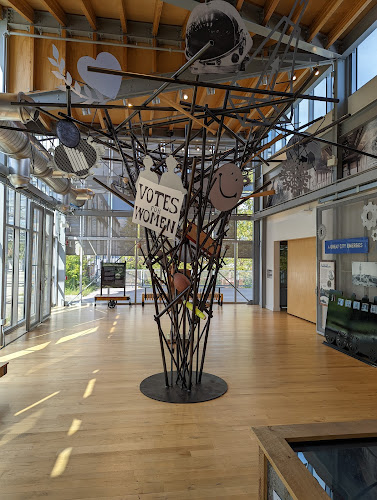
Blackstone River Greenway Visitor Center at Worcester
About Blackstone River Greenway Visitor Center at Worcester
Description
The Blackstone River Greenway Visitor Center at Worcester serves as an excellent gateway to understanding one of New England's most historically significant waterways. This heritage museum and tourist attraction sits along what was once America's hardest-working river during the Industrial Revolution, and honestly, you can still feel that history in the air when you walk through its doors. The center does a remarkable job of telling the story of how this region transformed from rural farmland into the birthplace of American industry, and it's way more interesting than it might sound at first. What I find particularly appealing about this place is that it doesn't try to be something it's not. It's not trying to compete with massive metropolitan museums or flashy attractions. Instead, it focuses on being an authentic, accessible resource for anyone wanting to explore the Blackstone River Valley's rich industrial heritage and the beautiful greenway that now follows the river's path. The facility manages to balance educational content with practical visitor services, making it both an informative stop and a functional hub for those planning to explore the extensive trail system. The center operates as more than just a museum - it's genuinely designed to get people out onto the greenway itself. You'll find trail maps, route suggestions, and local knowledge that you simply can't get from a quick internet search. And the staff here really knows their stuff about the area's history, from the textile mills that once lined these waters to the ecological restoration efforts happening today.Key Features
The Blackstone River Greenway Visitor Center offers several standout features that make it worth stopping by before hitting the trails: • Complete accessibility throughout the facility, including wheelchair-accessible entrances, parking areas, and restroom facilities, which is something that honestly should be standard everywhere but unfortunately isn't • Free parking on-site, which is increasingly rare at popular tourist destinations and makes spontaneous visits much easier • Clean, well-maintained restroom facilities that prove invaluable for trail users planning longer excursions along the greenway • Kid-friendly exhibits and programming that manage to make industrial history engaging for younger visitors without dumbing down the content • EV charging station with a J1772 connector (19kW medium-speed charging) for environmentally-conscious travelers, though it's worth noting there's only one station so availability can be limited • Interpretive displays covering the Industrial Revolution's impact on the region, including textile manufacturing, water power technology, and labor history • Trail information center with current maps, conditions updates, and recommendations based on fitness level and interests • Local knowledge from staff and volunteers who often have personal connections to the area's history • Rotating exhibits that keep the content fresh for repeat visitors • Educational programs and guided walks scheduled throughout the year But here's something most people don't realize until they visit - the center itself is positioned at a pretty strategic point along the greenway. You're not just looking at history through glass cases; you can literally step outside and walk or bike along the same waterways that powered America's Industrial Revolution. That immediate connection between learning and experiencing makes this place special.Best Time to Visit
Timing your visit to the Blackstone River Greenway Visitor Center really depends on what you're hoping to get out of the experience. Spring, particularly late April through May, brings that gorgeous New England awakening when everything turns green again and the river runs high with snowmelt. The trails are muddy in spots during this season, but there's something energizing about visiting when nature is shaking off winter. Summer months from June through August see the highest visitor numbers, and for good reason. The weather's ideal for combining your museum visit with an extended bike ride or walk along the greenway. Early morning visits during summer work particularly well - you beat both the heat and the crowds, plus the lighting along the river is absolutely beautiful around 8 or 9 AM. Fall is where things get really spectacular, though. September and October transform the valley into that classic New England postcard scene, with the foliage reflecting off the water and creating these incredible color combinations you won't find anywhere else. I'd argue this is actually the best time to visit if you can swing it, because the temperatures are comfortable for outdoor activity and the scenery is at its peak. Winter visits have their own charm, though the center operates on reduced hours during colder months. The greenway takes on a stark, beautiful quality when snow covers the ground, and you'll have the trails mostly to yourself. Just dress appropriately and check ahead to confirm the center's open before making the trip. Weekday mornings tend to be quieter if you prefer a more contemplative experience, while weekends bring more energy and activity. The center also hosts special events throughout the year that can enhance your visit - heritage days, guided historical walks, and seasonal celebrations that dive deeper into specific aspects of the valley's story.How to Get There
Getting to the Blackstone River Greenway Visitor Center in Worcester is relatively straightforward, though like many New England destinations, having your own transportation makes things considerably easier. The center's location along the greenway means it's designed with cyclists and trail users in mind, but most visitors arrive by car. If you're driving from Boston, you're looking at roughly an hour's journey west on Route 90 or Route 146, depending on your starting point. The free parking lot can accommodate a decent number of vehicles, including those with bike racks, and the accessible parking spaces are conveniently located near the entrance. During peak autumn weekends, arriving earlier in the day ensures you'll snag a spot without circling. For those coming from Providence, Rhode Island, it's actually a pretty easy northbound drive up Route 146, taking about 45 minutes under normal traffic conditions. The Blackstone Valley spans both Massachusetts and Rhode Island, so you're essentially following the river's path northward - which is kind of poetic when you think about it. Worcester itself has decent public transportation within the city limits, though reaching the visitor center specifically via bus requires some planning and possibly a bit of walking. The Regional Transit Authority serves the area, but schedules can be limited, especially on weekends. If you're staying in Worcester proper without a car, consider this when planning your visit. Cyclists actually have one of the best approaches, since the greenway itself connects to various points throughout the region. If you're already exploring the trail system, the visitor center makes an ideal rest stop and information hub. The bike-friendly design means you can securely park your bike while exploring the exhibits inside. The EV charging station adds another dimension for electric vehicle owners, though remember there's only one connector available. Planning a charging stop here while you explore the center and nearby trails can work well, but don't count on it being available without a backup plan.Tips for Visiting
After learning about this place and understanding how visitors typically experience it, here are some practical suggestions that'll enhance your trip. First off, treat the visitor center as a starting point rather than the main attraction. Spend maybe 30-45 minutes inside learning about the valley's history, then actually get out onto the greenway. The exhibits make way more sense when you can connect them to the physical landscape you're experiencing. Bring water and snacks, especially if you're planning to explore the trails afterward. While the center has restrooms, there aren't food vendors immediately nearby, and you'll be happier on the trail with provisions. Trail mix, energy bars, and a full water bottle are pretty much essential for any serious greenway exploration. Check the weather forecast carefully and dress in layers. New England weather can be unpredictable, and conditions along the river can feel several degrees cooler than in town. A light windbreaker often comes in handy even on seemingly nice days. If you're bringing kids, engage them with the exhibits by asking questions and making it interactive. The center is good for kids, but like any museum, young ones might get restless without some parental guidance. Challenge them to spot specific details or imagine what life was like when the mills were running - give them something to actively look for rather than just passively observe. Photography enthusiasts should absolutely bring their cameras, particularly during golden hour. The combination of historical interpretation inside and natural beauty outside creates excellent shooting opportunities. The river itself offers constantly changing light conditions that can yield some really memorable shots. Don't skip talking to the staff and volunteers. Seriously, these folks are treasure troves of local knowledge. They can recommend trail sections based on your fitness level, point out historical sites you might otherwise miss, and share stories that don't make it into the official exhibits. Some of the best information I've heard about historical sites has come from casual conversations with knowledgeable volunteers. Plan for accessibility needs ahead of time if relevant. While the center itself is fully accessible, portions of the greenway trail vary in surface quality and grade. Staff can advise on which sections work best for wheelchair users or those with mobility considerations. Time your visit to allow for flexibility. You might intend to spend just an hour but find yourself drawn to explore more of the greenway than planned. Or you might arrive thinking you'll hike for hours but get fascinated by the museum content. Leave some wiggle room in your schedule. Finally, consider visiting more than once if you're in the area regularly or staying nearby for several days. The center's location along an extensive trail system means you could easily visit multiple times while exploring different sections of the greenway, using it as a consistent base of operations for your adventures in the Blackstone Valley.Key Features
- Interpretive exhibits on the Blackstone River Valley’s industrial history
- Access to the Blackstone River Greenway and a 3-mile segment of the trail
- Observation deck overlooking the historic Blackstone Canal
- Regional DCR headquarters and information hub for nearby parks and trails
- Picnic and lawn areas with connections to nearby biking and hiking routes
More Details
Updated March 30, 2026
Table of Contents
- Description
- Key Features
- Best Time to Visit
- How to Get There
- Tips for Visiting
- Key Highlights
- Location
- Places to Stay Near Blackstone River Greenway Visitor Center at Worcester
- Find and Book a Tour
- Explore More Travel Guides
- Nearby Places You Might Like
- Traveler Reviews for Blackstone River Greenway Visitor Center at Worcester
- Share Your Experience
Description
The Blackstone River Greenway Visitor Center at Worcester serves as an excellent gateway to understanding one of New England’s most historically significant waterways. This heritage museum and tourist attraction sits along what was once America’s hardest-working river during the Industrial Revolution, and honestly, you can still feel that history in the air when you walk through its doors. The center does a remarkable job of telling the story of how this region transformed from rural farmland into the birthplace of American industry, and it’s way more interesting than it might sound at first.
What I find particularly appealing about this place is that it doesn’t try to be something it’s not. It’s not trying to compete with massive metropolitan museums or flashy attractions. Instead, it focuses on being an authentic, accessible resource for anyone wanting to explore the Blackstone River Valley’s rich industrial heritage and the beautiful greenway that now follows the river’s path. The facility manages to balance educational content with practical visitor services, making it both an informative stop and a functional hub for those planning to explore the extensive trail system.
The center operates as more than just a museum – it’s genuinely designed to get people out onto the greenway itself. You’ll find trail maps, route suggestions, and local knowledge that you simply can’t get from a quick internet search. And the staff here really knows their stuff about the area’s history, from the textile mills that once lined these waters to the ecological restoration efforts happening today.
Key Features
The Blackstone River Greenway Visitor Center offers several standout features that make it worth stopping by before hitting the trails:
• Complete accessibility throughout the facility, including wheelchair-accessible entrances, parking areas, and restroom facilities, which is something that honestly should be standard everywhere but unfortunately isn’t
• Free parking on-site, which is increasingly rare at popular tourist destinations and makes spontaneous visits much easier
• Clean, well-maintained restroom facilities that prove invaluable for trail users planning longer excursions along the greenway
• Kid-friendly exhibits and programming that manage to make industrial history engaging for younger visitors without dumbing down the content
• EV charging station with a J1772 connector (19kW medium-speed charging) for environmentally-conscious travelers, though it’s worth noting there’s only one station so availability can be limited
• Interpretive displays covering the Industrial Revolution’s impact on the region, including textile manufacturing, water power technology, and labor history
• Trail information center with current maps, conditions updates, and recommendations based on fitness level and interests
• Local knowledge from staff and volunteers who often have personal connections to the area’s history
• Rotating exhibits that keep the content fresh for repeat visitors
• Educational programs and guided walks scheduled throughout the year
But here’s something most people don’t realize until they visit – the center itself is positioned at a pretty strategic point along the greenway. You’re not just looking at history through glass cases; you can literally step outside and walk or bike along the same waterways that powered America’s Industrial Revolution. That immediate connection between learning and experiencing makes this place special.
Best Time to Visit
Timing your visit to the Blackstone River Greenway Visitor Center really depends on what you’re hoping to get out of the experience. Spring, particularly late April through May, brings that gorgeous New England awakening when everything turns green again and the river runs high with snowmelt. The trails are muddy in spots during this season, but there’s something energizing about visiting when nature is shaking off winter.
Summer months from June through August see the highest visitor numbers, and for good reason. The weather’s ideal for combining your museum visit with an extended bike ride or walk along the greenway. Early morning visits during summer work particularly well – you beat both the heat and the crowds, plus the lighting along the river is absolutely beautiful around 8 or 9 AM.
Fall is where things get really spectacular, though. September and October transform the valley into that classic New England postcard scene, with the foliage reflecting off the water and creating these incredible color combinations you won’t find anywhere else. I’d argue this is actually the best time to visit if you can swing it, because the temperatures are comfortable for outdoor activity and the scenery is at its peak.
Winter visits have their own charm, though the center operates on reduced hours during colder months. The greenway takes on a stark, beautiful quality when snow covers the ground, and you’ll have the trails mostly to yourself. Just dress appropriately and check ahead to confirm the center’s open before making the trip.
Weekday mornings tend to be quieter if you prefer a more contemplative experience, while weekends bring more energy and activity. The center also hosts special events throughout the year that can enhance your visit – heritage days, guided historical walks, and seasonal celebrations that dive deeper into specific aspects of the valley’s story.
How to Get There
Getting to the Blackstone River Greenway Visitor Center in Worcester is relatively straightforward, though like many New England destinations, having your own transportation makes things considerably easier. The center’s location along the greenway means it’s designed with cyclists and trail users in mind, but most visitors arrive by car.
If you’re driving from Boston, you’re looking at roughly an hour’s journey west on Route 90 or Route 146, depending on your starting point. The free parking lot can accommodate a decent number of vehicles, including those with bike racks, and the accessible parking spaces are conveniently located near the entrance. During peak autumn weekends, arriving earlier in the day ensures you’ll snag a spot without circling.
For those coming from Providence, Rhode Island, it’s actually a pretty easy northbound drive up Route 146, taking about 45 minutes under normal traffic conditions. The Blackstone Valley spans both Massachusetts and Rhode Island, so you’re essentially following the river’s path northward – which is kind of poetic when you think about it.
Worcester itself has decent public transportation within the city limits, though reaching the visitor center specifically via bus requires some planning and possibly a bit of walking. The Regional Transit Authority serves the area, but schedules can be limited, especially on weekends. If you’re staying in Worcester proper without a car, consider this when planning your visit.
Cyclists actually have one of the best approaches, since the greenway itself connects to various points throughout the region. If you’re already exploring the trail system, the visitor center makes an ideal rest stop and information hub. The bike-friendly design means you can securely park your bike while exploring the exhibits inside.
The EV charging station adds another dimension for electric vehicle owners, though remember there’s only one connector available. Planning a charging stop here while you explore the center and nearby trails can work well, but don’t count on it being available without a backup plan.
Tips for Visiting
After learning about this place and understanding how visitors typically experience it, here are some practical suggestions that’ll enhance your trip. First off, treat the visitor center as a starting point rather than the main attraction. Spend maybe 30-45 minutes inside learning about the valley’s history, then actually get out onto the greenway. The exhibits make way more sense when you can connect them to the physical landscape you’re experiencing.
Bring water and snacks, especially if you’re planning to explore the trails afterward. While the center has restrooms, there aren’t food vendors immediately nearby, and you’ll be happier on the trail with provisions. Trail mix, energy bars, and a full water bottle are pretty much essential for any serious greenway exploration.
Check the weather forecast carefully and dress in layers. New England weather can be unpredictable, and conditions along the river can feel several degrees cooler than in town. A light windbreaker often comes in handy even on seemingly nice days.
If you’re bringing kids, engage them with the exhibits by asking questions and making it interactive. The center is good for kids, but like any museum, young ones might get restless without some parental guidance. Challenge them to spot specific details or imagine what life was like when the mills were running – give them something to actively look for rather than just passively observe.
Photography enthusiasts should absolutely bring their cameras, particularly during golden hour. The combination of historical interpretation inside and natural beauty outside creates excellent shooting opportunities. The river itself offers constantly changing light conditions that can yield some really memorable shots.
Don’t skip talking to the staff and volunteers. Seriously, these folks are treasure troves of local knowledge. They can recommend trail sections based on your fitness level, point out historical sites you might otherwise miss, and share stories that don’t make it into the official exhibits. Some of the best information I’ve heard about historical sites has come from casual conversations with knowledgeable volunteers.
Plan for accessibility needs ahead of time if relevant. While the center itself is fully accessible, portions of the greenway trail vary in surface quality and grade. Staff can advise on which sections work best for wheelchair users or those with mobility considerations.
Time your visit to allow for flexibility. You might intend to spend just an hour but find yourself drawn to explore more of the greenway than planned. Or you might arrive thinking you’ll hike for hours but get fascinated by the museum content. Leave some wiggle room in your schedule.
Finally, consider visiting more than once if you’re in the area regularly or staying nearby for several days. The center’s location along an extensive trail system means you could easily visit multiple times while exploring different sections of the greenway, using it as a consistent base of operations for your adventures in the Blackstone Valley.
Key Highlights
- Interpretive exhibits on the Blackstone River Valley’s industrial history
- Access to the Blackstone River Greenway and a 3-mile segment of the trail
- Observation deck overlooking the historic Blackstone Canal
- Regional DCR headquarters and information hub for nearby parks and trails
- Picnic and lawn areas with connections to nearby biking and hiking routes
Location
Places to Stay Near Blackstone River Greenway Visitor Center at Worcester
Find and Book a Tour
Explore More Travel Guides
No reviews found! Be the first to review!
Blackstone River Greenway Visitor Center at Worcester is a prominent attractions located in Worcester.
Visit us at: 3 Paul Clancy Wy, Worcester, MA 01607.
Traveler Reviews for Blackstone River Greenway Visitor Center at Worcester
There are no reviews yet. Be the first one to write one.
Have you visited Blackstone River Greenway Visitor Center at Worcester? Help other travelers by sharing your review.
Nearby Attractions
You Might Also Like
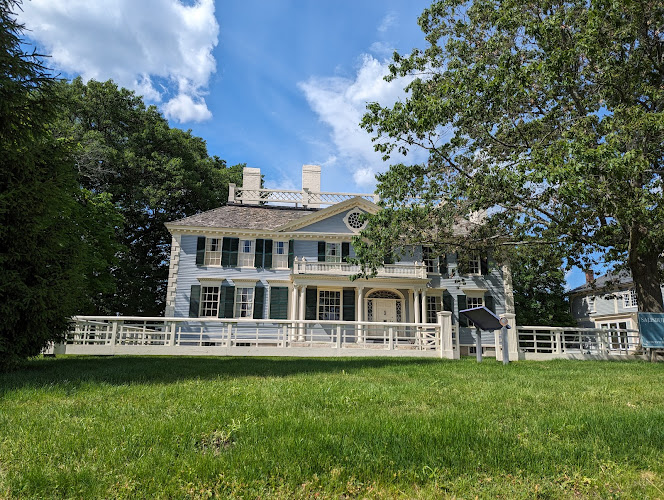
Salisbury Mansion

Massachusetts Vietnam Veterans Memorial
50 Officer Manny Familia Wy
Find Accommodations Nearby
Recommended Tours & Activities
Visitor Reviews
There are no reviews yet. Be the first one to write one.
Share Your Experience
Have you visited Blackstone River Greenway Visitor Center at Worcester? Help other travelers by leaving a review.