
Black Diamond Mines Regional Preserve
About Black Diamond Mines Regional Preserve
Description
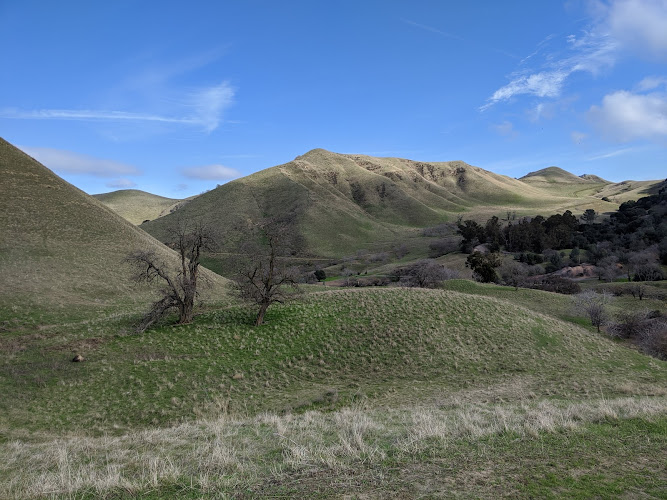
Black Diamond Mines Regional Preserve is one of those places that quietly surprises you. It’s not the kind of park that screams for attention with flashy attractions or crowds of tourists. Instead, it draws you in with its rugged beauty, a touch of mystery, and a deep sense of history that lingers in the air. Located in the rolling hills of Contra Costa County, this 6,000-acre preserve tells stories of miners, pioneers, and the land itself—stories that you can still feel as you walk through its trails and explore its old mining sites.
This area once buzzed with the sound of pickaxes and coal carts back in the 1800s, when five mining towns thrived here. Today, the mines are quiet, but the hills remain alive with oak woodlands, grasslands, and chaparral. It’s a place where you can hike for hours without seeing another soul, or you can join a guided underground tour and step right into the cool, dim tunnels once carved by miners. Personally, the first time I took that tour, I remember feeling a mix of awe and respect—imagining what it must’ve been like to work down there, in the dark, with only a lantern and a lot of grit.
The preserve is managed by the East Bay Regional Park District, and it’s clear they’ve put a lot of care into maintaining both the natural beauty and the historical integrity of the site. You’ll find picnic areas shaded by ancient oaks, trails that wind through canyons and over ridges, and even remnants of the old mining towns. It’s one of those rare spots that manages to blend outdoor recreation with local history in a way that feels authentic and grounded.
Key Features
- Expansive network of hiking trails ranging from easy strolls to challenging climbs, including the popular Black Diamond Trail and Chaparral Loop Trail.
- Historic underground mine tours that offer a rare glimpse into California’s coal mining past.
- Scenic picnic areas equipped with tables, barbecue grills, and plenty of shade for a relaxed afternoon outdoors.
- Educational programs and guided walks led by naturalists covering geology, wildlife, and local history.
- Accessible facilities including wheelchair-friendly restrooms, parking, and entrances.
- Dog-friendly trails (on leash) and kid-friendly hiking options, making it great for families.
- Cycling lanes and open spaces ideal for exploring on two wheels.
- Seasonal wildflower displays that paint the hillsides in bursts of color during spring.
What I love most here is how the park manages to feel both wild and welcoming. You can go from standing on a breezy ridge with panoramic views of Mount Diablo to ducking into a shaded canyon filled with birdsong in just a few minutes. And if you’re the kind of traveler who likes a bit of solitude, there are plenty of quiet corners to claim for yourself.
Best Time to Visit
Honestly, this place looks good in almost any season, but timing your visit can really shape the experience. Spring is probably the most magical time to go—the hills turn green, wildflowers bloom everywhere, and the weather is just about perfect for long hikes. You’ll spot California poppies, lupines, and even the occasional owl if you’re lucky.
Summer can get hot, especially in the middle of the day, so it’s best to start early or plan a shorter hike. I’ve learned that carrying extra water and a hat is non-negotiable out here. Fall, though, is another favorite of mine. The air cools down, the crowds thin out, and the golden grasses give the landscape this warm, cinematic glow. Winter is quieter, sometimes misty, and though you might get a bit of mud on your boots, the peace and solitude are worth it.
If you’re visiting for the mine tours, check the schedule ahead of time—they usually run seasonally and can fill up fast. And if you’re a photographer, sunrise and sunset light up the ridges in ways that make you forget your phone’s low battery warning.
How to Get There
Getting to Black Diamond Mines Regional Preserve is fairly straightforward, especially if you’re coming from the East Bay or San Francisco area. The preserve sits just south of Antioch, tucked into the foothills north of Mount Diablo. Most visitors drive in, as public transportation options are limited, and there’s a decent-sized parking area near the visitor center.
If you’re using GPS, just make sure it’s directing you to the main entrance—some older navigation apps might try to send you down dead-end roads. Once you’re there, the drive up the access road alone is worth a moment of appreciation. You’ll pass through rolling grasslands, dotted with cattle and the occasional hawk circling overhead. It’s one of those drives where you can feel the noise of the city slowly fade behind you.
Cyclists sometimes ride in from nearby towns, and there are bike racks near the main facilities. However, the roads can be steep, so it’s best suited for experienced riders. If you’re planning to hike after arriving, wear comfortable shoes—some trails start right from the parking lot, while others require a short uphill walk to reach the trailheads.
Tips for Visiting
Before you head out, here are a few things I’ve learned—some the easy way, some the hard way. First off, bring more water than you think you’ll need. The trails can be dry and exposed, and there aren’t many refill stations once you’re out there. Sunscreen and a hat are also must-haves, especially if you’re hiking midday.
If you’re planning to take the underground mine tour, wear closed-toe shoes and maybe bring a light jacket. The tunnels stay cool year-round, and that temperature drop can be refreshing after a warm hike. The tours are guided and super informative—great for both kids and adults. I still remember the guide pointing out old pick marks in the rock walls, and it really hit me how much human effort went into carving out those tunnels.
Dogs are welcome but must stay on leash, and it’s a good idea to carry some extra water for them too. The terrain can be rough on paws, especially in the summer heat. Families with young kids will appreciate the shorter trails near the visitor center, which offer a nice mix of shade, open space, and gentle slopes.
If you’re into photography or birdwatching, bring binoculars or a zoom lens. The park is home to red-tailed hawks, kestrels, and even the occasional coyote sighting. And don’t skip the visitor center—it’s small but packed with displays about the area’s coal mining history and natural habitats.
One more thing—cell service can be spotty once you’re deep into the preserve. I actually kind of like that. It forces you to unplug, to listen to the wind, to notice the crunch of gravel under your boots. There’s something grounding about that.
For those planning a longer stay, pack a picnic. There are several shaded picnic tables and barbecue grills scattered throughout the park, perfect for a lazy afternoon after a hike. Just remember to pack out your trash—this place stays beautiful because people take care of it.
In short, Black Diamond Mines Regional Preserve is one of those underrated gems that rewards curiosity. It’s not fancy or overly manicured, but that’s exactly what makes it special. It’s a place where history, nature, and solitude blend together in a way that feels genuine. Whether you’re hiking, exploring underground, or just sitting quietly watching the hills change color in the late afternoon light, you’ll leave with that satisfying kind of tired that only comes from a day well spent outdoors.
Key Features
- Expansive network of hiking trails ranging from easy strolls to challenging climbs, including the popular Black Diamond Trail and Chaparral Loop Trail.
- Historic underground mine tours that offer a rare glimpse into California’s coal mining past.
- Scenic picnic areas equipped with tables, barbecue grills, and plenty of shade for a relaxed afternoon outdoors.
- Educational programs and guided walks led by naturalists covering geology, wildlife, and local history.
- Accessible facilities including wheelchair-friendly restrooms, parking, and entrances.
- Dog-friendly trails (on leash) and kid-friendly hiking options, making it great for families.
- Cycling lanes and open spaces ideal for exploring on two wheels.
- Seasonal wildflower displays that paint the hillsides in bursts of color during spring.
More Details
Updated November 10, 2025
Table of Contents
- Description
- Key Features
- Best Time to Visit
- How to Get There
- Tips for Visiting
- Key Highlights
- Location
- Places to Stay Near Black Diamond Mines Regional Preserve
- Find and Book a Tour
- Explore More Travel Guides
- Nearby Places You Might Like
- Traveler Reviews for Black Diamond Mines Regional Preserve
- Share Your Experience
Description
Black Diamond Mines Regional Preserve is one of those places that quietly surprises you. It’s not the kind of park that screams for attention with flashy attractions or crowds of tourists. Instead, it draws you in with its rugged beauty, a touch of mystery, and a deep sense of history that lingers in the air. Located in the rolling hills of Contra Costa County, this 6,000-acre preserve tells stories of miners, pioneers, and the land itself—stories that you can still feel as you walk through its trails and explore its old mining sites.
This area once buzzed with the sound of pickaxes and coal carts back in the 1800s, when five mining towns thrived here. Today, the mines are quiet, but the hills remain alive with oak woodlands, grasslands, and chaparral. It’s a place where you can hike for hours without seeing another soul, or you can join a guided underground tour and step right into the cool, dim tunnels once carved by miners. Personally, the first time I took that tour, I remember feeling a mix of awe and respect—imagining what it must’ve been like to work down there, in the dark, with only a lantern and a lot of grit.
The preserve is managed by the East Bay Regional Park District, and it’s clear they’ve put a lot of care into maintaining both the natural beauty and the historical integrity of the site. You’ll find picnic areas shaded by ancient oaks, trails that wind through canyons and over ridges, and even remnants of the old mining towns. It’s one of those rare spots that manages to blend outdoor recreation with local history in a way that feels authentic and grounded.
Key Features
- Expansive network of hiking trails ranging from easy strolls to challenging climbs, including the popular Black Diamond Trail and Chaparral Loop Trail.
- Historic underground mine tours that offer a rare glimpse into California’s coal mining past.
- Scenic picnic areas equipped with tables, barbecue grills, and plenty of shade for a relaxed afternoon outdoors.
- Educational programs and guided walks led by naturalists covering geology, wildlife, and local history.
- Accessible facilities including wheelchair-friendly restrooms, parking, and entrances.
- Dog-friendly trails (on leash) and kid-friendly hiking options, making it great for families.
- Cycling lanes and open spaces ideal for exploring on two wheels.
- Seasonal wildflower displays that paint the hillsides in bursts of color during spring.
What I love most here is how the park manages to feel both wild and welcoming. You can go from standing on a breezy ridge with panoramic views of Mount Diablo to ducking into a shaded canyon filled with birdsong in just a few minutes. And if you’re the kind of traveler who likes a bit of solitude, there are plenty of quiet corners to claim for yourself.
Best Time to Visit
Honestly, this place looks good in almost any season, but timing your visit can really shape the experience. Spring is probably the most magical time to go—the hills turn green, wildflowers bloom everywhere, and the weather is just about perfect for long hikes. You’ll spot California poppies, lupines, and even the occasional owl if you’re lucky.
Summer can get hot, especially in the middle of the day, so it’s best to start early or plan a shorter hike. I’ve learned that carrying extra water and a hat is non-negotiable out here. Fall, though, is another favorite of mine. The air cools down, the crowds thin out, and the golden grasses give the landscape this warm, cinematic glow. Winter is quieter, sometimes misty, and though you might get a bit of mud on your boots, the peace and solitude are worth it.
If you’re visiting for the mine tours, check the schedule ahead of time—they usually run seasonally and can fill up fast. And if you’re a photographer, sunrise and sunset light up the ridges in ways that make you forget your phone’s low battery warning.
How to Get There
Getting to Black Diamond Mines Regional Preserve is fairly straightforward, especially if you’re coming from the East Bay or San Francisco area. The preserve sits just south of Antioch, tucked into the foothills north of Mount Diablo. Most visitors drive in, as public transportation options are limited, and there’s a decent-sized parking area near the visitor center.
If you’re using GPS, just make sure it’s directing you to the main entrance—some older navigation apps might try to send you down dead-end roads. Once you’re there, the drive up the access road alone is worth a moment of appreciation. You’ll pass through rolling grasslands, dotted with cattle and the occasional hawk circling overhead. It’s one of those drives where you can feel the noise of the city slowly fade behind you.
Cyclists sometimes ride in from nearby towns, and there are bike racks near the main facilities. However, the roads can be steep, so it’s best suited for experienced riders. If you’re planning to hike after arriving, wear comfortable shoes—some trails start right from the parking lot, while others require a short uphill walk to reach the trailheads.
Tips for Visiting
Before you head out, here are a few things I’ve learned—some the easy way, some the hard way. First off, bring more water than you think you’ll need. The trails can be dry and exposed, and there aren’t many refill stations once you’re out there. Sunscreen and a hat are also must-haves, especially if you’re hiking midday.
If you’re planning to take the underground mine tour, wear closed-toe shoes and maybe bring a light jacket. The tunnels stay cool year-round, and that temperature drop can be refreshing after a warm hike. The tours are guided and super informative—great for both kids and adults. I still remember the guide pointing out old pick marks in the rock walls, and it really hit me how much human effort went into carving out those tunnels.
Dogs are welcome but must stay on leash, and it’s a good idea to carry some extra water for them too. The terrain can be rough on paws, especially in the summer heat. Families with young kids will appreciate the shorter trails near the visitor center, which offer a nice mix of shade, open space, and gentle slopes.
If you’re into photography or birdwatching, bring binoculars or a zoom lens. The park is home to red-tailed hawks, kestrels, and even the occasional coyote sighting. And don’t skip the visitor center—it’s small but packed with displays about the area’s coal mining history and natural habitats.
One more thing—cell service can be spotty once you’re deep into the preserve. I actually kind of like that. It forces you to unplug, to listen to the wind, to notice the crunch of gravel under your boots. There’s something grounding about that.
For those planning a longer stay, pack a picnic. There are several shaded picnic tables and barbecue grills scattered throughout the park, perfect for a lazy afternoon after a hike. Just remember to pack out your trash—this place stays beautiful because people take care of it.
In short, Black Diamond Mines Regional Preserve is one of those underrated gems that rewards curiosity. It’s not fancy or overly manicured, but that’s exactly what makes it special. It’s a place where history, nature, and solitude blend together in a way that feels genuine. Whether you’re hiking, exploring underground, or just sitting quietly watching the hills change color in the late afternoon light, you’ll leave with that satisfying kind of tired that only comes from a day well spent outdoors.
Key Highlights
- Expansive network of hiking trails ranging from easy strolls to challenging climbs, including the popular Black Diamond Trail and Chaparral Loop Trail.
- Historic underground mine tours that offer a rare glimpse into California’s coal mining past.
- Scenic picnic areas equipped with tables, barbecue grills, and plenty of shade for a relaxed afternoon outdoors.
- Educational programs and guided walks led by naturalists covering geology, wildlife, and local history.
- Accessible facilities including wheelchair-friendly restrooms, parking, and entrances.
- Dog-friendly trails (on leash) and kid-friendly hiking options, making it great for families.
- Cycling lanes and open spaces ideal for exploring on two wheels.
- Seasonal wildflower displays that paint the hillsides in bursts of color during spring.
Location
Places to Stay Near Black Diamond Mines Regional Preserve
Find and Book a Tour
Explore More Travel Guides
No reviews found! Be the first to review!
Traveler Reviews for Black Diamond Mines Regional Preserve
There are no reviews yet. Be the first one to write one.
Have you visited Black Diamond Mines Regional Preserve? Help other travelers by sharing your review.
You Might Also Like
Antioch Water Park

City of Antioch War Dog Memorial
Antioch City Park
Find Accommodations Nearby
Recommended Tours & Activities
Visitor Reviews
There are no reviews yet. Be the first one to write one.
Share Your Experience
Have you visited Black Diamond Mines Regional Preserve? Help other travelers by leaving a review.