
Bizkaia Bridge
About Bizkaia Bridge
Description
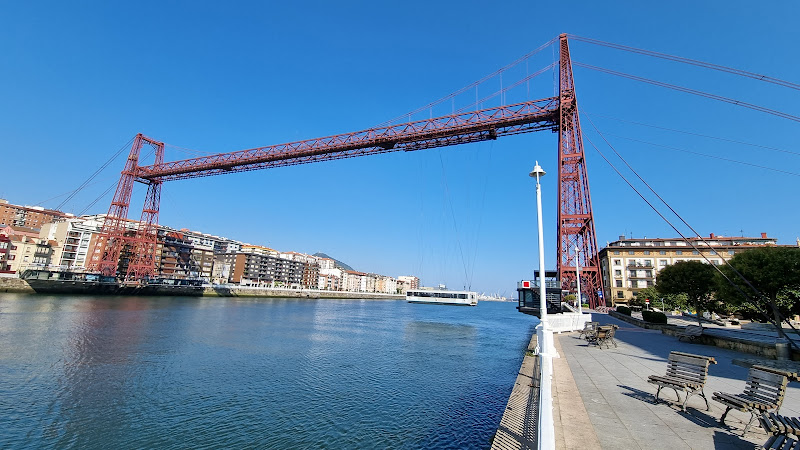
The Bizkaia Bridge, sometimes called the Vizcaya or Puente Colgante, isn’t just a bridge—it’s a living, breathing slice of industrial history with a crazy charm all its own. Imagine a giant iron marvel stretching over the Nervion River, connecting the towns on either side with an elegant suspended gondola ferrying people and vehicles up in the air. Yeah, you read that right—a moving platform hanging beneath the steel framework, carrying you across the water without the usual walk or drive over a roadway. That’s pretty wild and unique. In fact, it was the very first of its kind in the whole world, built in the late 19th century, way before most of us even knew what an elevator gondola was.
For someone like me who geeks out over architecture and history, this isn’t just a functional bridge—it’s a time machine that invites you to get a bird’s eye view of the Bilbao estuary while standing in a structure that’s over 130 years old. The iron latticework is like a piece of art scattered with rivets and beams that tell stories of an engineering feat that was revolutionary back then. It’s not flashy or shiny like the new bridges you see, but more of a sturdy, graceful veteran that patiently watches the boats go by and commuters cross every day.
Walking around it, you realize the scale isn’t overwhelming but perfectly balanced. And when you hop on the gondola, it feels like you’re in this weird but charming floating café, swaying slightly as you glide above the water—if you’re prone to vertigo, maybe hold onto the railing tightly, but honestly, it’s more thrilling than scary. From there, the views open up, giving you an entirely new perspective of the area: old factory buildings blending with modern city life, the sleek yachts bobbing in the marina, and the rhythmic pulse of the day-to-day hustle below. It’s a go-to for travellers wanting a snapshot of Basque Country’s unique blend of heritage and hustle.
What really sets Bizkaia Bridge apart though is how it still works as a transportation service after all those years—not just a static tourist attraction. Cars and pedestrians alike use it daily, experiencing a ride that most modern bridges don't offer anymore. It’s pretty amazing to think that a piece of Victorian engineering can stay useful and relevant in the 21st century without relying on flashy upgrades or gimmicks. It retains its old-school aura with a spirit of reliability, which I find oddly comforting in a world obsessed with the newest, shiniest thing.
Key Features
- World's first transporter bridge designed to carry passengers and vehicles on a suspended gondola.
- Constructed entirely of iron latticework, showcasing pioneering 19th-century industrial design.
- The gondola glides smoothly across the river, offering panoramic vistas of the Nervion estuary and surrounding towns.
- Fully operational both as a tourist attraction and a functional commuter bridge, blending heritage with utility.
- Wheelchair accessible entrance, making it inclusive for all visitors.
- Free and paid street parking available nearby for those driving in.
- Onsite services for visitors, including ticket purchasing and guided explanations.
- Part of UNESCO’s World Heritage sites, highlighting its global cultural significance.
Best Time to Visit
Now, if you ask me, picking the perfect time to visit the Bizkaia Bridge depends largely on what kind of experience you want. Summer months obviously bring warmer weather and longer daylight hours, which means more time to soak in those killer views and snap photos without looking like a dark silhouette. But, fair warning, it can get quite crowded, especially during weekends and holidays. The bustling crowds are understandable—everyone wants to catch a ride on this unique gondola and enjoy the fresh river breeze.
Spring and autumn, on the other hand, are absolute gems if you’re a fan of mild, pleasant weather and fewer tourists. The colors shift with the seasons, and the light has this soft, golden quality in the evenings that makes the whole place kind of magical. Plus, the air feels fresher, and you can have a much more relaxed visit without jockeying for your spot on the platform or around the bridge’s winding walkways.
Winter visits are a bit more of a personal choice. It's colder, obviously, and some days can be drizzly thanks to the Atlantic climate here. But if you don’t mind bundling up, the starkness of the iron framework against crisp winter skies creates a dramatically different vibe. Just keep in mind, the gondola operations might have more limited hours in off-season or bad weather conditions.
How to Get There
Getting to the Bizkaia Bridge is, thankfully, pretty straightforward, no matter where you’re coming from. If you’re already in Bilbao, it’s a quick trip out to Getxo, the town perched charmingly on the other side of the estuary. Public transport options include local buses—you’ll want to check the current schedules, but the routes are reliable and frequent enough to make this a zero-hassle day trip.
For those who prefer trains, the nearby Metro station offers easy access and drops you in walking distance to the bridge. What I love about this is how seamlessly you can blend your bridge visit with a wander through the scenic riverside neighborhoods—ideal for stretching your legs and hunting down a cozy café afterward. Got a car? No worries. There’s free street parking around the area if you’re lucky or paid spots if you want guaranteed space. The roads leading to the bridge are well-signposted, so even first-timers should find it fairly simple to navigate.
One fun idea from my own experience: instead of rushing straight to the bridge, why not take a little boat trip along the estuary itself before crossing? Sometimes, seeing it from the water gives you a fresh appreciation for the scale and ingenuity of the structure. Plus, it’s an excuse to sit back and enjoy the Basque Country’s laid-back vibe for a while.
Tips for Visiting
Alright, here’s where I get to share some insider nuggets that made my visit smoother and hopefully will help keep yours just as enjoyable.
- Arrive early, especially on weekends: The gondola platform has limited capacity and lines can stretch out in the warm months. If you want a less frantic experience, catching one of the first rides of the day works wonders.
- Bring a camera with a zoom: The views from the gondola aren’t just pretty—they’re genuinely spectacular. You’ll want to capture the sweeping waterfront, the intricate ironwork, and maybe even some of the curious faces on your fellow passengers.
- Keep an eye on the weather: If there’s rain or gusty winds, the gondola might suspend service. It’s rare but does happen. Planning a flexible itinerary around this can save some frustration.
- Don’t just stay on the gondola: Walk around the bridge’s base areas on both sides to get different angles and appreciate the craftsmanship up close. There's something neat about tracing your fingers over the cold, solid iron and imagining the thousands of hands that built and maintained this bridge through the decades.
- Try local snacks nearby: The surrounding neighborhoods have some surprisingly good pintxos bars and cafés where you can recharge after your crossing adventure.
- If you’re traveling with someone with mobility concerns: Rest assured, the wheelchair accessible entrance means this landmark tries to be welcoming beyond just superficial charm.
- Combine your visit with other nearby attractions: The coastal town of Getxo itself deserves some exploration—with its beaches, parks, and quaint streets, you’re signing up for a day full of varied fun beyond just steel and water.
All in all, visiting the Bizkaia Bridge feels less like ticking off a tourist checklist and more like stepping into a story—a real slice of Basque life and tech history that still moves, carries, and connects people every single day. So, if you end up here, take a deep breath, savor the ironclad charm, and allow yourself to marvel at one of Spain's great engineering treasures.
Key Features
- World's first transporter bridge designed to carry passengers and vehicles on a suspended gondola.
- Constructed entirely of iron latticework, showcasing pioneering 19th-century industrial design.
- The gondola glides smoothly across the river, offering panoramic vistas of the Nervion estuary and surrounding towns.
- Fully operational both as a tourist attraction and a functional commuter bridge, blending heritage with utility.
- Wheelchair accessible entrance, making it inclusive for all visitors.
- Free and paid street parking available nearby for those driving in.
- Onsite services for visitors, including ticket purchasing and guided explanations.
- Part of UNESCO’s World Heritage sites, highlighting its global cultural significance.
More Details
Updated June 4, 2025
Table of Contents
Description
The Bizkaia Bridge, sometimes called the Vizcaya or Puente Colgante, isn’t just a bridge—it’s a living, breathing slice of industrial history with a crazy charm all its own. Imagine a giant iron marvel stretching over the Nervion River, connecting the towns on either side with an elegant suspended gondola ferrying people and vehicles up in the air. Yeah, you read that right—a moving platform hanging beneath the steel framework, carrying you across the water without the usual walk or drive over a roadway. That’s pretty wild and unique. In fact, it was the very first of its kind in the whole world, built in the late 19th century, way before most of us even knew what an elevator gondola was.
For someone like me who geeks out over architecture and history, this isn’t just a functional bridge—it’s a time machine that invites you to get a bird’s eye view of the Bilbao estuary while standing in a structure that’s over 130 years old. The iron latticework is like a piece of art scattered with rivets and beams that tell stories of an engineering feat that was revolutionary back then. It’s not flashy or shiny like the new bridges you see, but more of a sturdy, graceful veteran that patiently watches the boats go by and commuters cross every day.
Walking around it, you realize the scale isn’t overwhelming but perfectly balanced. And when you hop on the gondola, it feels like you’re in this weird but charming floating café, swaying slightly as you glide above the water—if you’re prone to vertigo, maybe hold onto the railing tightly, but honestly, it’s more thrilling than scary. From there, the views open up, giving you an entirely new perspective of the area: old factory buildings blending with modern city life, the sleek yachts bobbing in the marina, and the rhythmic pulse of the day-to-day hustle below. It’s a go-to for travellers wanting a snapshot of Basque Country’s unique blend of heritage and hustle.
What really sets Bizkaia Bridge apart though is how it still works as a transportation service after all those years—not just a static tourist attraction. Cars and pedestrians alike use it daily, experiencing a ride that most modern bridges don’t offer anymore. It’s pretty amazing to think that a piece of Victorian engineering can stay useful and relevant in the 21st century without relying on flashy upgrades or gimmicks. It retains its old-school aura with a spirit of reliability, which I find oddly comforting in a world obsessed with the newest, shiniest thing.
Key Features
- World’s first transporter bridge designed to carry passengers and vehicles on a suspended gondola.
- Constructed entirely of iron latticework, showcasing pioneering 19th-century industrial design.
- The gondola glides smoothly across the river, offering panoramic vistas of the Nervion estuary and surrounding towns.
- Fully operational both as a tourist attraction and a functional commuter bridge, blending heritage with utility.
- Wheelchair accessible entrance, making it inclusive for all visitors.
- Free and paid street parking available nearby for those driving in.
- Onsite services for visitors, including ticket purchasing and guided explanations.
- Part of UNESCO’s World Heritage sites, highlighting its global cultural significance.
Best Time to Visit
Now, if you ask me, picking the perfect time to visit the Bizkaia Bridge depends largely on what kind of experience you want. Summer months obviously bring warmer weather and longer daylight hours, which means more time to soak in those killer views and snap photos without looking like a dark silhouette. But, fair warning, it can get quite crowded, especially during weekends and holidays. The bustling crowds are understandable—everyone wants to catch a ride on this unique gondola and enjoy the fresh river breeze.
Spring and autumn, on the other hand, are absolute gems if you’re a fan of mild, pleasant weather and fewer tourists. The colors shift with the seasons, and the light has this soft, golden quality in the evenings that makes the whole place kind of magical. Plus, the air feels fresher, and you can have a much more relaxed visit without jockeying for your spot on the platform or around the bridge’s winding walkways.
Winter visits are a bit more of a personal choice. It’s colder, obviously, and some days can be drizzly thanks to the Atlantic climate here. But if you don’t mind bundling up, the starkness of the iron framework against crisp winter skies creates a dramatically different vibe. Just keep in mind, the gondola operations might have more limited hours in off-season or bad weather conditions.
How to Get There
Getting to the Bizkaia Bridge is, thankfully, pretty straightforward, no matter where you’re coming from. If you’re already in Bilbao, it’s a quick trip out to Getxo, the town perched charmingly on the other side of the estuary. Public transport options include local buses—you’ll want to check the current schedules, but the routes are reliable and frequent enough to make this a zero-hassle day trip.
For those who prefer trains, the nearby Metro station offers easy access and drops you in walking distance to the bridge. What I love about this is how seamlessly you can blend your bridge visit with a wander through the scenic riverside neighborhoods—ideal for stretching your legs and hunting down a cozy café afterward. Got a car? No worries. There’s free street parking around the area if you’re lucky or paid spots if you want guaranteed space. The roads leading to the bridge are well-signposted, so even first-timers should find it fairly simple to navigate.
One fun idea from my own experience: instead of rushing straight to the bridge, why not take a little boat trip along the estuary itself before crossing? Sometimes, seeing it from the water gives you a fresh appreciation for the scale and ingenuity of the structure. Plus, it’s an excuse to sit back and enjoy the Basque Country’s laid-back vibe for a while.
Tips for Visiting
Alright, here’s where I get to share some insider nuggets that made my visit smoother and hopefully will help keep yours just as enjoyable.
- Arrive early, especially on weekends: The gondola platform has limited capacity and lines can stretch out in the warm months. If you want a less frantic experience, catching one of the first rides of the day works wonders.
- Bring a camera with a zoom: The views from the gondola aren’t just pretty—they’re genuinely spectacular. You’ll want to capture the sweeping waterfront, the intricate ironwork, and maybe even some of the curious faces on your fellow passengers.
- Keep an eye on the weather: If there’s rain or gusty winds, the gondola might suspend service. It’s rare but does happen. Planning a flexible itinerary around this can save some frustration.
- Don’t just stay on the gondola: Walk around the bridge’s base areas on both sides to get different angles and appreciate the craftsmanship up close. There’s something neat about tracing your fingers over the cold, solid iron and imagining the thousands of hands that built and maintained this bridge through the decades.
- Try local snacks nearby: The surrounding neighborhoods have some surprisingly good pintxos bars and cafés where you can recharge after your crossing adventure.
- If you’re traveling with someone with mobility concerns: Rest assured, the wheelchair accessible entrance means this landmark tries to be welcoming beyond just superficial charm.
- Combine your visit with other nearby attractions: The coastal town of Getxo itself deserves some exploration—with its beaches, parks, and quaint streets, you’re signing up for a day full of varied fun beyond just steel and water.
All in all, visiting the Bizkaia Bridge feels less like ticking off a tourist checklist and more like stepping into a story—a real slice of Basque life and tech history that still moves, carries, and connects people every single day. So, if you end up here, take a deep breath, savor the ironclad charm, and allow yourself to marvel at one of Spain’s great engineering treasures.
Key Highlights
- World's first transporter bridge designed to carry passengers and vehicles on a suspended gondola.
- Constructed entirely of iron latticework, showcasing pioneering 19th-century industrial design.
- The gondola glides smoothly across the river, offering panoramic vistas of the Nervion estuary and surrounding towns.
- Fully operational both as a tourist attraction and a functional commuter bridge, blending heritage with utility.
- Wheelchair accessible entrance, making it inclusive for all visitors.
- Free and paid street parking available nearby for those driving in.
- Onsite services for visitors, including ticket purchasing and guided explanations.
- Part of UNESCO’s World Heritage sites, highlighting its global cultural significance.
Location
Places to Stay Near Bizkaia Bridge
Find and Book a Tour
Explore More Travel Guides
No reviews found! Be the first to review!
Traveler Reviews for Bizkaia Bridge
There are no reviews yet. Be the first one to write one.
Have you visited Bizkaia Bridge? Help other travelers by sharing your review.
You Might Also Like
Palacio Lezama-Leguizamón
Puerto Viejo

Playa de Ereaga
Find Accommodations Nearby
Recommended Tours & Activities
Visitor Reviews
There are no reviews yet. Be the first one to write one.
Share Your Experience
Have you visited Bizkaia Bridge? Help other travelers by leaving a review.