
Bix Beiderbecke Museum and Archives
About Bix Beiderbecke Museum and Archives
Description
The Bix Beiderbecke Museum and Archives offers a deep-dive into the life, music, and legacy of one of Iowa's most significant early jazz figures. Located in Davenport, the museum serves as both a tribute and a research hub — a place where artifacts, recordings, and carefully preserved documents tell the story of Bix Beiderbecke, the young cornetist who helped shape jazz in the early 20th century. For travelers who care about music history, American culture, or simply good stories told well, this museum is a focused and surprisingly rich stop on any Quad Cities itinerary.
Currently the museum is temporarily closed while moving to a new home, with plans to reopen on July 25th. That move is a big deal; it gives the collection room to breathe and lets the curators design exhibits that are both more accessible and more immersive. In short, things are changing — for the better — and regular visitors will notice new exhibit space, clearer displays of rare recordings, and more opportunities to hear the music that made Bix famous (yes, live performances are part of the plan).
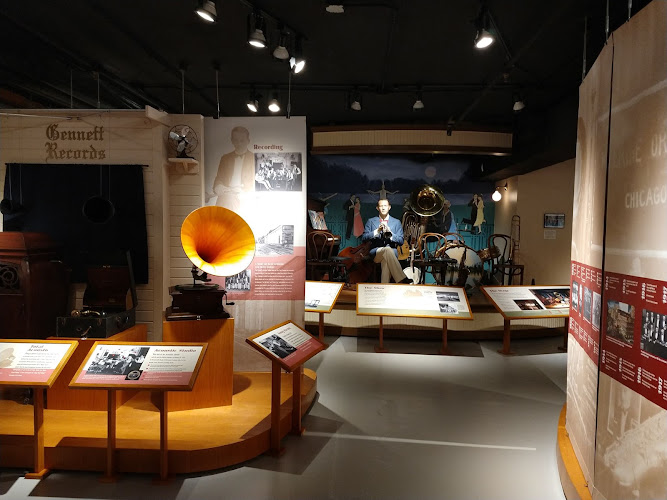
What makes this museum stand out is not just the subject — a talented Iowa-born jazz musician — but the way the story is presented. Exhibits combine photographs, original sheet music, correspondence, and actual instruments with listening stations that let visitors hear the cornet lines and arrangements that made Bix a touchstone for early jazz. The archives hold research-grade materials for scholars, while the museum side keeps things friendly for families. So whether a traveler wants to nerd out on jazz history or bring the kids for something educational and not boring, the place bridges both worlds.
Visitors will find a surprising emphasis on context. Instead of isolating Bix as an island of genius, the museum situates him within the social, technological, and musical currents of his time. There’s attention to the early recording industry, the role of regional scenes in the Midwest, and how the Mississippi River cities — including Davenport — were hubs for cultural exchange. That contextual approach helps people understand why a cornet player from Iowa mattered to jazz's development nationwide. It’s a subtle lesson in how local stories can have national resonance.
Accessibility is clearly a priority. The new location includes a wheelchair-accessible entrance, accessible parking, and restrooms that meet accessibility standards. This is important because music history museums sometimes end up with cramped stairwells and displays no one in a mobility device can really experience. Here, effort has been made to make exhibits reachable, and audio stations come with volume controls and headphones so different visitors can engage in ways that suit them. That matters to travelers who need barrier-free access — and it’s a detail that too few small museums get right.
Live performances and programming amplify the museum experience. The curators schedule occasional concerts and talks that bring the archival material to life: guest musicians interpret Bix-era tunes, local historians give context, and sometimes younger performers show how those early forms influence modern players. These live moments are uniquely satisfying — they bridge the archive to the present. For a traveler, timing a visit around a performance turns a simple museum stop into an event, and honestly, it’s often the best way to "get" Bix: hearing the cornet lines in person, feeling the phrasing, noticing the little hesitations and tonal choices that recordings alone can’t fully communicate.
Practical amenities are modest but thoughtful. The museum offers guided tours for visitors who prefer structure, and there’s a small gift shop stocked with books, CDs, and memorabilia — ideal for anyone wanting a meaningful souvenir that isn’t just another tchotchke. Admission is fee-based, with discounts available for families and children, and active military discounts offered as well. Budget-minded travelers will appreciate the family discount and the kid-friendly programming; people traveling with little ones can actually make a day of it without stress.
Parking in Davenport’s downtown area can feel like a puzzle, but the museum’s situation eases that tension: free street parking is available in the vicinity, which is a real relief for road trippers. That said, visitors should still plan a a little extra time for parking on busy weekends or during special events. The area around the museum invites exploration on foot, too — the Mississippi Riverfront and nearby cultural spots are walkable, so the museum is a convenient stop in a larger day of sightseeing.
For researchers and jazz enthusiasts, the archives are the real treasure. The collection includes original scores, rare photographs, correspondence, and recording sessions that document Bix’s musical life and the early jazz era. The archives are organized to support serious study, and while not every traveler needs that depth, knowing the institution doubles as an archive adds an authenticity that enriches the casual visit. It’s one thing to hear a great solo on a record; it’s another to hold the paperwork and see the marginalia that reveal how arrangements evolved. For any traveler who likes a behind-the-scenes peek, this museum delivers.
The museum’s curatorial voice leans toward education without being preachy. Displays often offer listening prompts or simple questions to guide the visitor: listen for Bix’s tone here, notice the interplay between the cornet and clarinet there. Those prompts help casual listeners pay attention in new ways — and they’re useful if someone in the group is less into jazz but curious to learn. It’s a smart tactic; when music history is framed as a set of small discoveries, more people engage. And yes, the museum does a good job explaining technical terms in plain language, so the story is accessible even to those who’ve never picked up a trumpet.
One of the museum’s lesser-known strengths is its local partnerships. The staff collaborates with regional festivals, schools, and community groups to keep Bix’s legacy active in public life. That community integration means the museum isn’t an isolated shrine; it’s part of an ongoing cultural conversation in the Quad Cities. Travelers who time a visit right may stumble into a pop-up program, a school performance, or an anniversary event, which adds a layer of serendipity to the trip.
Finally, the museum offers a particular kind of satisfaction for travelers who enjoy connecting with place. Even if someone arrives with only the vaguest idea of Bix Beiderbecke, the exhibits, audio, and archival materials work together to tell a coherent, emotionally resonant story. There is warmth to it — not saccharine, but respectful and curious. Visitors often leave with an urge to go listen to the recordings again, or to learn about the broader jazz age. And isn’t that the point of a good museum visit? It leaves you wanting more, in a good way.
In short, the Bix Beiderbecke Museum and Archives is a focused, well-curated stop in downtown Davenport that rewards travelers who love music, history, or authentic cultural experiences. It’s accessible, family-friendly, and rooted in community, and while it’s undergoing a move right now, the reopening promises enhanced exhibit space and more live programming. For anyone touring the Midwest or exploring the history of American jazz, it’s a must-consider detour — compact enough to fit into a day trip but rich enough to linger over. Travelers should check the reopening date and event schedule before they go, because once the new location opens up on July 25th, things are likely to be busier — and better — than before.
Key Features
More Details
Updated August 29, 2025
Table of Contents
Description
The Bix Beiderbecke Museum and Archives offers a deep-dive into the life, music, and legacy of one of Iowa’s most significant early jazz figures. Located in Davenport, the museum serves as both a tribute and a research hub — a place where artifacts, recordings, and carefully preserved documents tell the story of Bix Beiderbecke, the young cornetist who helped shape jazz in the early 20th century. For travelers who care about music history, American culture, or simply good stories told well, this museum is a focused and surprisingly rich stop on any Quad Cities itinerary.
Currently the museum is temporarily closed while moving to a new home, with plans to reopen on July 25th. That move is a big deal; it gives the collection room to breathe and lets the curators design exhibits that are both more accessible and more immersive. In short, things are changing — for the better — and regular visitors will notice new exhibit space, clearer displays of rare recordings, and more opportunities to hear the music that made Bix famous (yes, live performances are part of the plan).
What makes this museum stand out is not just the subject — a talented Iowa-born jazz musician — but the way the story is presented. Exhibits combine photographs, original sheet music, correspondence, and actual instruments with listening stations that let visitors hear the cornet lines and arrangements that made Bix a touchstone for early jazz. The archives hold research-grade materials for scholars, while the museum side keeps things friendly for families. So whether a traveler wants to nerd out on jazz history or bring the kids for something educational and not boring, the place bridges both worlds.
Visitors will find a surprising emphasis on context. Instead of isolating Bix as an island of genius, the museum situates him within the social, technological, and musical currents of his time. There’s attention to the early recording industry, the role of regional scenes in the Midwest, and how the Mississippi River cities — including Davenport — were hubs for cultural exchange. That contextual approach helps people understand why a cornet player from Iowa mattered to jazz’s development nationwide. It’s a subtle lesson in how local stories can have national resonance.
Accessibility is clearly a priority. The new location includes a wheelchair-accessible entrance, accessible parking, and restrooms that meet accessibility standards. This is important because music history museums sometimes end up with cramped stairwells and displays no one in a mobility device can really experience. Here, effort has been made to make exhibits reachable, and audio stations come with volume controls and headphones so different visitors can engage in ways that suit them. That matters to travelers who need barrier-free access — and it’s a detail that too few small museums get right.
Live performances and programming amplify the museum experience. The curators schedule occasional concerts and talks that bring the archival material to life: guest musicians interpret Bix-era tunes, local historians give context, and sometimes younger performers show how those early forms influence modern players. These live moments are uniquely satisfying — they bridge the archive to the present. For a traveler, timing a visit around a performance turns a simple museum stop into an event, and honestly, it’s often the best way to “get” Bix: hearing the cornet lines in person, feeling the phrasing, noticing the little hesitations and tonal choices that recordings alone can’t fully communicate.
Practical amenities are modest but thoughtful. The museum offers guided tours for visitors who prefer structure, and there’s a small gift shop stocked with books, CDs, and memorabilia — ideal for anyone wanting a meaningful souvenir that isn’t just another tchotchke. Admission is fee-based, with discounts available for families and children, and active military discounts offered as well. Budget-minded travelers will appreciate the family discount and the kid-friendly programming; people traveling with little ones can actually make a day of it without stress.
Parking in Davenport’s downtown area can feel like a puzzle, but the museum’s situation eases that tension: free street parking is available in the vicinity, which is a real relief for road trippers. That said, visitors should still plan a a little extra time for parking on busy weekends or during special events. The area around the museum invites exploration on foot, too — the Mississippi Riverfront and nearby cultural spots are walkable, so the museum is a convenient stop in a larger day of sightseeing.
For researchers and jazz enthusiasts, the archives are the real treasure. The collection includes original scores, rare photographs, correspondence, and recording sessions that document Bix’s musical life and the early jazz era. The archives are organized to support serious study, and while not every traveler needs that depth, knowing the institution doubles as an archive adds an authenticity that enriches the casual visit. It’s one thing to hear a great solo on a record; it’s another to hold the paperwork and see the marginalia that reveal how arrangements evolved. For any traveler who likes a behind-the-scenes peek, this museum delivers.
The museum’s curatorial voice leans toward education without being preachy. Displays often offer listening prompts or simple questions to guide the visitor: listen for Bix’s tone here, notice the interplay between the cornet and clarinet there. Those prompts help casual listeners pay attention in new ways — and they’re useful if someone in the group is less into jazz but curious to learn. It’s a smart tactic; when music history is framed as a set of small discoveries, more people engage. And yes, the museum does a good job explaining technical terms in plain language, so the story is accessible even to those who’ve never picked up a trumpet.
One of the museum’s lesser-known strengths is its local partnerships. The staff collaborates with regional festivals, schools, and community groups to keep Bix’s legacy active in public life. That community integration means the museum isn’t an isolated shrine; it’s part of an ongoing cultural conversation in the Quad Cities. Travelers who time a visit right may stumble into a pop-up program, a school performance, or an anniversary event, which adds a layer of serendipity to the trip.
Finally, the museum offers a particular kind of satisfaction for travelers who enjoy connecting with place. Even if someone arrives with only the vaguest idea of Bix Beiderbecke, the exhibits, audio, and archival materials work together to tell a coherent, emotionally resonant story. There is warmth to it — not saccharine, but respectful and curious. Visitors often leave with an urge to go listen to the recordings again, or to learn about the broader jazz age. And isn’t that the point of a good museum visit? It leaves you wanting more, in a good way.
In short, the Bix Beiderbecke Museum and Archives is a focused, well-curated stop in downtown Davenport that rewards travelers who love music, history, or authentic cultural experiences. It’s accessible, family-friendly, and rooted in community, and while it’s undergoing a move right now, the reopening promises enhanced exhibit space and more live programming. For anyone touring the Midwest or exploring the history of American jazz, it’s a must-consider detour — compact enough to fit into a day trip but rich enough to linger over. Travelers should check the reopening date and event schedule before they go, because once the new location opens up on July 25th, things are likely to be busier — and better — than before.
Key Highlights
Bix Beiderbecke Museum and Archives
Location
Places to Stay Near Bix Beiderbecke Museum and Archives
Find and Book a Tour
Explore More Travel Guides
No reviews found! Be the first to review!
Traveler Reviews for Bix Beiderbecke Museum and Archives
There are no reviews yet. Be the first one to write one.
Have you visited Bix Beiderbecke Museum and Archives? Help other travelers by sharing your review.
You Might Also Like

Prairie Heights Park

2200 W River Dr
Colonel Davenport Historical House
Find Accommodations Nearby
Recommended Tours & Activities
Visitor Reviews
There are no reviews yet. Be the first one to write one.
Share Your Experience
Have you visited Bix Beiderbecke Museum and Archives? Help other travelers by leaving a review.