

Biotope pond
About Biotope pond
Description
A Biotope pond is one of those places that doesn’t shout for attention, and honestly, that’s part of its charm. It’s a living, breathing ecosystem designed to mimic nature rather than control it. Think less concrete edges and chlorinated water, more reeds, dragonflies, and that quiet hum of life you only notice once you slow down. Travelers who come here usually expect “just a pond” and leave talking about how calming it felt, like their shoulders dropped a few inches without them realizing it.
What makes this Biotope pond stand out as a tourist attraction is the way it balances human curiosity with environmental respect. It’s not fenced off or overly polished. Instead, it invites you to observe. I remember the first time I walked around a biotope pond like this one, years ago on a random weekday. I sat on a wooden bench, watching kids point at tadpoles while an older couple argued (lovingly) about whether a bird was a heron or an egret. That’s the vibe here. Real life, unfolding next to water.
The pond functions as a self-sustaining system. Plants filter the water naturally, insects and amphibians keep things in balance, and fish glide through without the need for pumps or chemicals. And yes, sometimes the water isn’t crystal clear. But that’s kind of the point. Nature isn’t supposed to look like a swimming pool. It’s supposed to look alive.
For travelers, especially those burned out on museums and packed city tours, this place offers a reset. Families come for an educational stroll, couples for a slow wander, and solo visitors just to sit and think. There’s also an educational angle woven in quietly, with signage explaining how biotope systems work and why biodiversity matters more than people realize. It never feels preachy. More like a gentle nudge.
Accessibility is thoughtfully handled. Paths are wide enough for wheelchairs, and there’s a genuine effort to make sure everyone can experience the pond up close. That matters, and it shows. It’s also kid-friendly in the best way, not loud playground energy, but curious, muddy-shoes, asking-a-million-questions energy. If you’ve ever traveled with kids, you’ll know how rare and valuable that is.
Key Features
- Natural filtration system using aquatic plants instead of chemicals
- Clearly marked, wheelchair-accessible walking paths around the pond
- Safe viewing areas where kids can observe fish, frogs, and insects
- Seasonal wildlife activity, from spring tadpoles to autumn migrating birds
- Educational displays explaining the biotope concept in plain language
- Quiet seating spots that encourage slowing down and staying awhile
- A design that blends science, ecology, and everyday enjoyment
Best Time to Visit
Timing matters here, more than you might expect. Spring is, in my opinion, the sweet spot. The pond wakes up after winter, plants start pushing through the water, and suddenly there’s movement everywhere. Frogs appear like they’ve been waiting all year just for you. Birds are busy, loud, and kind of dramatic. If you’re into photography or just like seeing nature at full throttle, spring mornings are hard to beat.
Summer is warmer, obviously, and that brings its own rhythm. Early mornings or late afternoons are best, unless you enjoy standing in direct sun. Kids love summer visits because there’s always something wiggling or splashing. I once overheard a child confidently explain the entire ecosystem to his dad, half of it wrong, half of it brilliant. That’s summer at a biotope pond.
Autumn is quieter and, dare I say, more reflective. The colors around the pond change, leaves collect at the edges, and the whole place feels like it’s exhaling. Fewer visitors come then, which means more space to think. Winter visits depend on your tolerance for cold. The pond doesn’t shut down, but it does slow. There’s a stark beauty to it, especially if frost settles in. Just dress properly, please. Cold toes ruin everything.
How to Get There
Getting to the Biotope pond is generally straightforward, which makes it a stress-free addition to a travel itinerary. It’s typically well-signposted as a local attraction, and public transport options often stop within a manageable walking distance. If you’re driving, parking is designed with accessibility in mind, including designated spaces close to the entrance.
I always recommend checking local transit schedules if you’re relying on buses or trains, especially on weekends. I’ve learned this the hard way more than once, standing around with a coffee going cold. But the walk from nearby stops is usually pleasant, often passing through green spaces that ease you into the experience.
Once you arrive, navigation is simple. There’s no maze of paths or confusing layouts. You follow the water, basically. And honestly, that’s how it should be.
Tips for Visiting
First tip, and I can’t stress this enough: slow down. This isn’t a place you rush through in ten minutes to tick a box. Give yourself time to wander, sit, stand still, and notice. The more patient you are, the more the pond reveals. I’ve seen people rush past a section where, minutes later, a turtle popped its head out. Timing is everything.
Wear comfortable shoes. Paths are accessible but not polished marble. They’re meant to feel natural. Bring water, especially in warmer months, and maybe a snack if you’re traveling with kids. There’s nothing worse than a hungry child when you’re trying to explain ecosystems.
If you’re into learning, read the signs. If you’re not, that’s okay too. Just watching how plants and animals interact teaches you more than you’d expect. For families, this is a golden opportunity to let kids ask questions you don’t have answers to. It’s fine to say, I don’t know. Curiosity beats confidence here.
Photography is welcome, but be respectful. No leaning over barriers or disturbing wildlife for the perfect shot. Trust me, the best moments happen when you’re not chasing them. And if you’re visiting with mobility needs, rest assured that the design genuinely considers you. Benches are placed thoughtfully, and paths remain navigable without feeling clinical.
One last thing. Don’t judge the place too quickly. Some people expect spectacle and leave confused. But if you let the Biotope pond be what it is, a quiet lesson in how nature works when we stop messing with it, you’ll probably walk away lighter. And maybe thinking a bit differently about water, plants, and your place among them. That’s a pretty good souvenir, if you ask me.
Key Features
- Natural filtration system using aquatic plants instead of chemicals
- Clearly marked, wheelchair-accessible walking paths around the pond
- Safe viewing areas where kids can observe fish, frogs, and insects
- Seasonal wildlife activity, from spring tadpoles to autumn migrating birds
- Educational displays explaining the biotope concept in plain language
- Quiet seating spots that encourage slowing down and staying awhile
- A design that blends science, ecology, and everyday enjoyment
More Details
Updated December 31, 2025
Table of Contents
Description
A Biotope pond is one of those places that doesn’t shout for attention, and honestly, that’s part of its charm. It’s a living, breathing ecosystem designed to mimic nature rather than control it. Think less concrete edges and chlorinated water, more reeds, dragonflies, and that quiet hum of life you only notice once you slow down. Travelers who come here usually expect “just a pond” and leave talking about how calming it felt, like their shoulders dropped a few inches without them realizing it.
What makes this Biotope pond stand out as a tourist attraction is the way it balances human curiosity with environmental respect. It’s not fenced off or overly polished. Instead, it invites you to observe. I remember the first time I walked around a biotope pond like this one, years ago on a random weekday. I sat on a wooden bench, watching kids point at tadpoles while an older couple argued (lovingly) about whether a bird was a heron or an egret. That’s the vibe here. Real life, unfolding next to water.
The pond functions as a self-sustaining system. Plants filter the water naturally, insects and amphibians keep things in balance, and fish glide through without the need for pumps or chemicals. And yes, sometimes the water isn’t crystal clear. But that’s kind of the point. Nature isn’t supposed to look like a swimming pool. It’s supposed to look alive.
For travelers, especially those burned out on museums and packed city tours, this place offers a reset. Families come for an educational stroll, couples for a slow wander, and solo visitors just to sit and think. There’s also an educational angle woven in quietly, with signage explaining how biotope systems work and why biodiversity matters more than people realize. It never feels preachy. More like a gentle nudge.
Accessibility is thoughtfully handled. Paths are wide enough for wheelchairs, and there’s a genuine effort to make sure everyone can experience the pond up close. That matters, and it shows. It’s also kid-friendly in the best way, not loud playground energy, but curious, muddy-shoes, asking-a-million-questions energy. If you’ve ever traveled with kids, you’ll know how rare and valuable that is.
Key Features
- Natural filtration system using aquatic plants instead of chemicals
- Clearly marked, wheelchair-accessible walking paths around the pond
- Safe viewing areas where kids can observe fish, frogs, and insects
- Seasonal wildlife activity, from spring tadpoles to autumn migrating birds
- Educational displays explaining the biotope concept in plain language
- Quiet seating spots that encourage slowing down and staying awhile
- A design that blends science, ecology, and everyday enjoyment
Best Time to Visit
Timing matters here, more than you might expect. Spring is, in my opinion, the sweet spot. The pond wakes up after winter, plants start pushing through the water, and suddenly there’s movement everywhere. Frogs appear like they’ve been waiting all year just for you. Birds are busy, loud, and kind of dramatic. If you’re into photography or just like seeing nature at full throttle, spring mornings are hard to beat.
Summer is warmer, obviously, and that brings its own rhythm. Early mornings or late afternoons are best, unless you enjoy standing in direct sun. Kids love summer visits because there’s always something wiggling or splashing. I once overheard a child confidently explain the entire ecosystem to his dad, half of it wrong, half of it brilliant. That’s summer at a biotope pond.
Autumn is quieter and, dare I say, more reflective. The colors around the pond change, leaves collect at the edges, and the whole place feels like it’s exhaling. Fewer visitors come then, which means more space to think. Winter visits depend on your tolerance for cold. The pond doesn’t shut down, but it does slow. There’s a stark beauty to it, especially if frost settles in. Just dress properly, please. Cold toes ruin everything.
How to Get There
Getting to the Biotope pond is generally straightforward, which makes it a stress-free addition to a travel itinerary. It’s typically well-signposted as a local attraction, and public transport options often stop within a manageable walking distance. If you’re driving, parking is designed with accessibility in mind, including designated spaces close to the entrance.
I always recommend checking local transit schedules if you’re relying on buses or trains, especially on weekends. I’ve learned this the hard way more than once, standing around with a coffee going cold. But the walk from nearby stops is usually pleasant, often passing through green spaces that ease you into the experience.
Once you arrive, navigation is simple. There’s no maze of paths or confusing layouts. You follow the water, basically. And honestly, that’s how it should be.
Tips for Visiting
First tip, and I can’t stress this enough: slow down. This isn’t a place you rush through in ten minutes to tick a box. Give yourself time to wander, sit, stand still, and notice. The more patient you are, the more the pond reveals. I’ve seen people rush past a section where, minutes later, a turtle popped its head out. Timing is everything.
Wear comfortable shoes. Paths are accessible but not polished marble. They’re meant to feel natural. Bring water, especially in warmer months, and maybe a snack if you’re traveling with kids. There’s nothing worse than a hungry child when you’re trying to explain ecosystems.
If you’re into learning, read the signs. If you’re not, that’s okay too. Just watching how plants and animals interact teaches you more than you’d expect. For families, this is a golden opportunity to let kids ask questions you don’t have answers to. It’s fine to say, I don’t know. Curiosity beats confidence here.
Photography is welcome, but be respectful. No leaning over barriers or disturbing wildlife for the perfect shot. Trust me, the best moments happen when you’re not chasing them. And if you’re visiting with mobility needs, rest assured that the design genuinely considers you. Benches are placed thoughtfully, and paths remain navigable without feeling clinical.
One last thing. Don’t judge the place too quickly. Some people expect spectacle and leave confused. But if you let the Biotope pond be what it is, a quiet lesson in how nature works when we stop messing with it, you’ll probably walk away lighter. And maybe thinking a bit differently about water, plants, and your place among them. That’s a pretty good souvenir, if you ask me.
Key Highlights
- Natural filtration system using aquatic plants instead of chemicals
- Clearly marked, wheelchair-accessible walking paths around the pond
- Safe viewing areas where kids can observe fish, frogs, and insects
- Seasonal wildlife activity, from spring tadpoles to autumn migrating birds
- Educational displays explaining the biotope concept in plain language
- Quiet seating spots that encourage slowing down and staying awhile
- A design that blends science, ecology, and everyday enjoyment
Location
Places to Stay Near Biotope pond
Find and Book a Tour
Explore More Travel Guides
No reviews found! Be the first to review!
Traveler Reviews for Biotope pond
There are no reviews yet. Be the first one to write one.
Have you visited Biotope pond? Help other travelers by sharing your review.
You Might Also Like
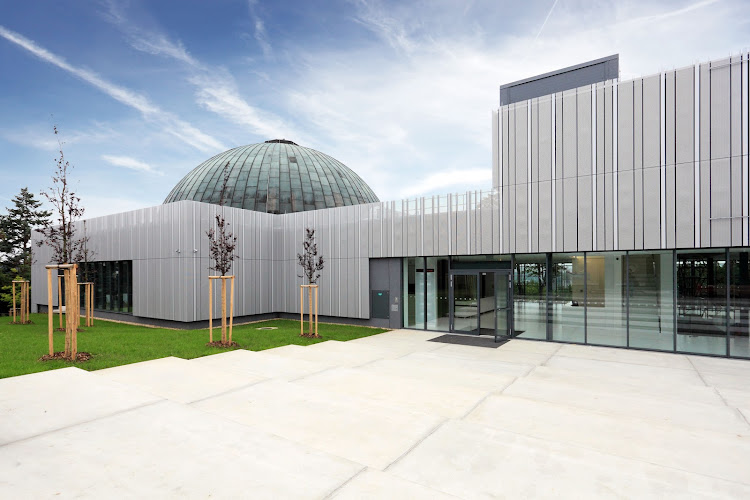
Brno Observatory and Planetarium
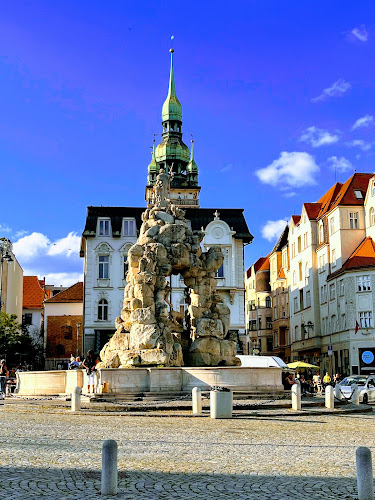
Parnas Fountain
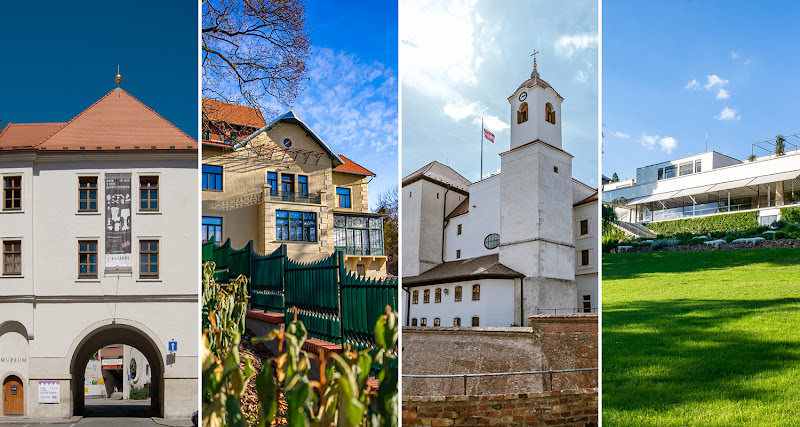
Museum of the City of Brno
Find Accommodations Nearby
Recommended Tours & Activities
Visitor Reviews
There are no reviews yet. Be the first one to write one.
Share Your Experience
Have you visited Biotope pond? Help other travelers by leaving a review.