About Biomuseo

Description

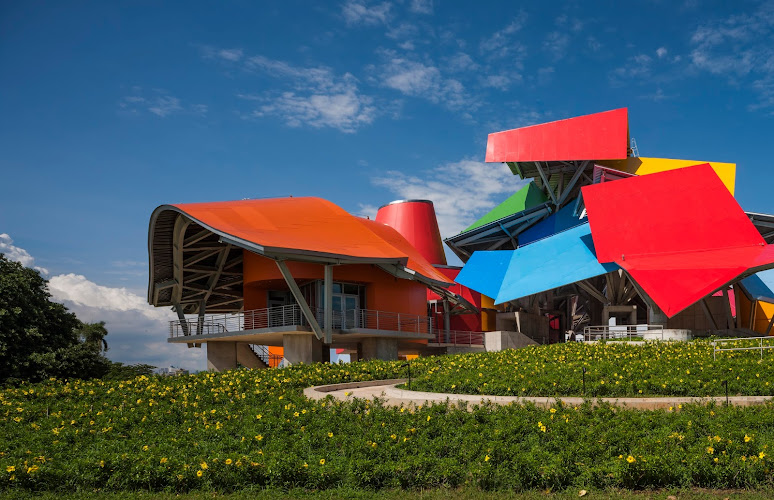
There’s something almost surreal about seeing the Biomuseo for the first time. Sitting right at the edge of the Amador Causeway in Panama City, this museum doesn’t just sit quietly—it shouts for attention with its bold, angular roof panels splashed in red, yellow, blue, and green. Designed by the world-famous architect Frank Gehry (his only work in Latin America, by the way), the building itself feels like a piece of modern art that decided to tell the story of Panama’s wild, natural heart.

Inside, the Biomuseo is more than just a museum—it’s a journey through time and nature. It tells the story of how the narrow strip of land we now call Panama rose from the sea millions of years ago and literally changed the course of life on Earth. That might sound dramatic, but it’s true. The formation of the Isthmus of Panama connected two continents and split an ocean, reshaping global biodiversity forever. And the museum does a fantastic job of showing how that one geological event made such a massive difference.

Walking through its eight galleries, you’ll find yourself surrounded by interactive exhibits, colorful displays, and even a few surprises (I won’t spoil them all). The museum’s storytelling is immersive—it doesn’t just hand you facts; it pulls you into the narrative. One moment you’re standing under a massive sculpture of migrating animals, the next you’re watching a short film that makes you rethink how interconnected our planet really is. It’s both educational and oddly emotional, especially if you’ve got a soft spot for nature or science.

Of course, not everything is perfect. Some visitors mention that a few exhibits could use a refresh or that certain areas feel smaller than expected. But honestly, the overall experience more than makes up for it. Between the architecture, the views of the Panama Canal and city skyline, and the sheer creativity behind the exhibits, it’s hard not to walk away impressed—and maybe even a little humbled by how much this tiny country has influenced the world’s ecosystems.

Key Features

  • Architectural masterpiece: Designed by Frank Gehry, the building’s colorful, deconstructed form is instantly recognizable and makes for incredible photos.
  • Eight immersive galleries: Each one explores a different aspect of Panama’s natural and cultural history, from geological formation to biodiversity and human impact.
  • Interactive exhibits: Hands-on displays, multimedia installations, and models that engage both kids and adults.
  • Outdoor Biodiversity Park: A lush extension of the museum where native plants and wildlife thrive—perfect for a quiet stroll after exploring the galleries.
  • Family-friendly amenities: Wheelchair accessibility, changing tables, restrooms, and a small but cozy café for a quick snack or coffee break.
  • Live performances and events: Occasionally hosts cultural performances, lectures, and community events connecting art, science, and local heritage.
  • Panoramic views: Sweeping vistas of the Panama Canal, the Pacific entrance, and the city skyline from the museum grounds.

Best Time to Visit

Panama’s tropical climate means you can visit the Biomuseo year-round, but if you want to avoid the heavy rains, the dry season from mid-December to April is your best bet. The mornings are usually cooler and less crowded, which makes it perfect for wandering through the exhibits at your own pace. If you’re into photography, go in the late afternoon—the sunlight hitting those bright metal panels makes for some seriously good shots.

Weekdays tend to be quieter, while weekends can get busy with families and tour groups. Personally, I love visiting on a weekday morning when it’s calm—you can almost hear the sound of the ocean nearby and take your time soaking in the details. And if you’re lucky, you might catch one of the museum’s special events or temporary exhibits, which often highlight local artists or new scientific discoveries.

How to Get There

Getting to the Biomuseo is pretty straightforward. It’s located at the start of the Amador Causeway, just a short drive from downtown Panama City. You can easily grab a taxi or rideshare, and most city tour buses include it as a stop on their routes. For the more adventurous, renting a bike and riding along the Causeway is a fun option. The path is flat, scenic, and offers beautiful views of the canal and the city skyline.

If you’re coming from the cruise terminal, it’s just a few minutes away, making it a convenient stop before or after your ship docks. There’s also free parking available, which is a nice perk since parking in Panama City can sometimes be a bit of a headache. And yes, the entrance and facilities are fully wheelchair accessible, so everyone can comfortably enjoy the experience.

Tips for Visiting

Here’s the thing—visiting the Biomuseo isn’t just about looking at exhibits; it’s about slowing down and letting the story unfold. So my first tip? Don’t rush. Take your time reading the panels, watching the videos, and just standing in awe of the design. The museum isn’t huge, but every corner tells a piece of Panama’s story.

Bring a bottle of water (it can get warm walking around the outdoor areas), and wear comfortable shoes. The museum’s air conditioning can feel a bit chilly after being outside, so a light sweater might come in handy too. If you’ve got kids, they’ll love the interactive sections—especially the ones with moving displays and touchscreens. And don’t forget to check out the gift shop; it has some genuinely well-designed souvenirs and books that make great keepsakes.

Another tip: combine your visit with a walk or bike ride along the Amador Causeway. There are restaurants, ice cream shops, and plenty of scenic spots to relax by the water. It’s one of those places where you can easily spend half a day without realizing how much time has passed. If you’re into photography, plan to stay a bit after your museum visit—the sunset views over the Pacific are simply stunning.

And here’s a personal note: the Biomuseo made me think differently about how small actions and natural events ripple across the planet. Standing there, learning how Panama’s formation changed global biodiversity, I couldn’t help but feel a sense of connection. It’s not just a museum—it’s a reminder of how everything in nature is linked. So, if you’re the kind of traveler who likes experiences that make you think a little deeper, this place will hit the right note.

To sum it up, the Biomuseo is one of those rare attractions that manages to be beautiful, educational, and thought-provoking all at once. Whether you’re a science lover, a design enthusiast, or just someone who enjoys discovering new perspectives, it’s absolutely worth a visit when you’re in Panama City. Take your time, look up, look around, and let the story of Panama—and the world—sink in.

Key Features

  • Key Features
  • Best Time to Visit
  • How to Get There
  • Tips for Visiting

More Details

Updated December 1, 2025

Description

There’s something almost surreal about seeing the Biomuseo for the first time. Sitting right at the edge of the Amador Causeway in Panama City, this museum doesn’t just sit quietly—it shouts for attention with its bold, angular roof panels splashed in red, yellow, blue, and green. Designed by the world-famous architect Frank Gehry (his only work in Latin America, by the way), the building itself feels like a piece of modern art that decided to tell the story of Panama’s wild, natural heart.

Inside, the Biomuseo is more than just a museum—it’s a journey through time and nature. It tells the story of how the narrow strip of land we now call Panama rose from the sea millions of years ago and literally changed the course of life on Earth. That might sound dramatic, but it’s true. The formation of the Isthmus of Panama connected two continents and split an ocean, reshaping global biodiversity forever. And the museum does a fantastic job of showing how that one geological event made such a massive difference.

Walking through its eight galleries, you’ll find yourself surrounded by interactive exhibits, colorful displays, and even a few surprises (I won’t spoil them all). The museum’s storytelling is immersive—it doesn’t just hand you facts; it pulls you into the narrative. One moment you’re standing under a massive sculpture of migrating animals, the next you’re watching a short film that makes you rethink how interconnected our planet really is. It’s both educational and oddly emotional, especially if you’ve got a soft spot for nature or science.

Of course, not everything is perfect. Some visitors mention that a few exhibits could use a refresh or that certain areas feel smaller than expected. But honestly, the overall experience more than makes up for it. Between the architecture, the views of the Panama Canal and city skyline, and the sheer creativity behind the exhibits, it’s hard not to walk away impressed—and maybe even a little humbled by how much this tiny country has influenced the world’s ecosystems.

Key Features

  • Architectural masterpiece: Designed by Frank Gehry, the building’s colorful, deconstructed form is instantly recognizable and makes for incredible photos.
  • Eight immersive galleries: Each one explores a different aspect of Panama’s natural and cultural history, from geological formation to biodiversity and human impact.
  • Interactive exhibits: Hands-on displays, multimedia installations, and models that engage both kids and adults.
  • Outdoor Biodiversity Park: A lush extension of the museum where native plants and wildlife thrive—perfect for a quiet stroll after exploring the galleries.
  • Family-friendly amenities: Wheelchair accessibility, changing tables, restrooms, and a small but cozy café for a quick snack or coffee break.
  • Live performances and events: Occasionally hosts cultural performances, lectures, and community events connecting art, science, and local heritage.
  • Panoramic views: Sweeping vistas of the Panama Canal, the Pacific entrance, and the city skyline from the museum grounds.

Best Time to Visit

Panama’s tropical climate means you can visit the Biomuseo year-round, but if you want to avoid the heavy rains, the dry season from mid-December to April is your best bet. The mornings are usually cooler and less crowded, which makes it perfect for wandering through the exhibits at your own pace. If you’re into photography, go in the late afternoon—the sunlight hitting those bright metal panels makes for some seriously good shots.

Weekdays tend to be quieter, while weekends can get busy with families and tour groups. Personally, I love visiting on a weekday morning when it’s calm—you can almost hear the sound of the ocean nearby and take your time soaking in the details. And if you’re lucky, you might catch one of the museum’s special events or temporary exhibits, which often highlight local artists or new scientific discoveries.

How to Get There

Getting to the Biomuseo is pretty straightforward. It’s located at the start of the Amador Causeway, just a short drive from downtown Panama City. You can easily grab a taxi or rideshare, and most city tour buses include it as a stop on their routes. For the more adventurous, renting a bike and riding along the Causeway is a fun option. The path is flat, scenic, and offers beautiful views of the canal and the city skyline.

If you’re coming from the cruise terminal, it’s just a few minutes away, making it a convenient stop before or after your ship docks. There’s also free parking available, which is a nice perk since parking in Panama City can sometimes be a bit of a headache. And yes, the entrance and facilities are fully wheelchair accessible, so everyone can comfortably enjoy the experience.

Tips for Visiting

Here’s the thing—visiting the Biomuseo isn’t just about looking at exhibits; it’s about slowing down and letting the story unfold. So my first tip? Don’t rush. Take your time reading the panels, watching the videos, and just standing in awe of the design. The museum isn’t huge, but every corner tells a piece of Panama’s story.

Bring a bottle of water (it can get warm walking around the outdoor areas), and wear comfortable shoes. The museum’s air conditioning can feel a bit chilly after being outside, so a light sweater might come in handy too. If you’ve got kids, they’ll love the interactive sections—especially the ones with moving displays and touchscreens. And don’t forget to check out the gift shop; it has some genuinely well-designed souvenirs and books that make great keepsakes.

Another tip: combine your visit with a walk or bike ride along the Amador Causeway. There are restaurants, ice cream shops, and plenty of scenic spots to relax by the water. It’s one of those places where you can easily spend half a day without realizing how much time has passed. If you’re into photography, plan to stay a bit after your museum visit—the sunset views over the Pacific are simply stunning.

And here’s a personal note: the Biomuseo made me think differently about how small actions and natural events ripple across the planet. Standing there, learning how Panama’s formation changed global biodiversity, I couldn’t help but feel a sense of connection. It’s not just a museum—it’s a reminder of how everything in nature is linked. So, if you’re the kind of traveler who likes experiences that make you think a little deeper, this place will hit the right note.

To sum it up, the Biomuseo is one of those rare attractions that manages to be beautiful, educational, and thought-provoking all at once. Whether you’re a science lover, a design enthusiast, or just someone who enjoys discovering new perspectives, it’s absolutely worth a visit when you’re in Panama City. Take your time, look up, look around, and let the story of Panama—and the world—sink in.

Key Highlights

  • Key Features
  • Best Time to Visit
  • How to Get There
  • Tips for Visiting

Location

Places to Stay Near Biomuseo

Find and Book a Tour

Explore More Travel Guides

No reviews found! Be the first to review!

Traveler Reviews for Biomuseo

There are no reviews yet. Be the first one to write one.

Share Your Experience

Have you visited Biomuseo? Help other travelers by sharing your review.

Find Accommodations Nearby

Recommended Tours & Activities

Visitor Reviews

There are no reviews yet. Be the first one to write one.

Share Your Experience

Have you visited Biomuseo? Help other travelers by leaving a review.