
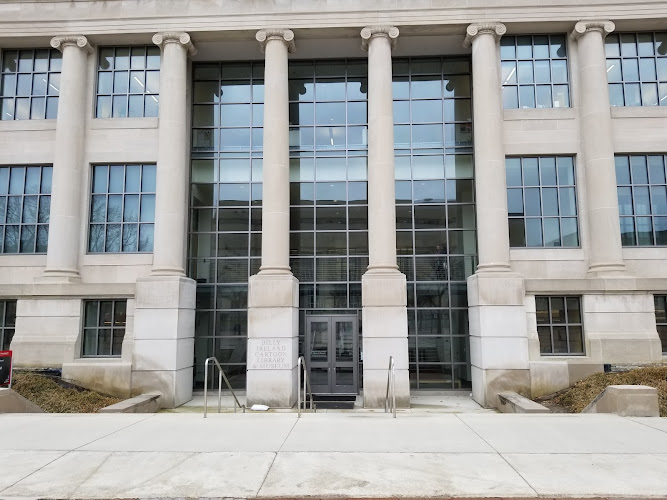
Billy Ireland Cartoon Library & Museum
About Billy Ireland Cartoon Library & Museum
Description
The Billy Ireland Cartoon Library & Museum sits as a quietly magnetic destination on the Ohio State University campus, where the history and craft of cartoon art are preserved, studied, and shown with a surprising level of charm. It is a research library and public museum rolled into one: part archive, part gallery, and part nostalgia machine. Exhibits trace the evolution of cartoons from early newspaper comic strips to contemporary graphic novels, offering visitors a chance to see original art, sketches, and editorial cartoons up close. For travelers who think museums mean hushed marble halls and dusty plaques, this place will gently disabuse them. It feels like stepping into the backstage of popular culture.
The collection is one of the most significant academic holdings of comic art in the United States. Original art pages, comic books, clippings, and cartoonist papers are cataloged here, and the depth of material supports both casual curiosity and serious research. The museum frequently rotates themed exhibitions that highlight a single artist, a period, or a medium — for example a focused show on midcentury newspaper strips, an exploration of political cartoons, or a survey of graphic novels affecting social change. These rotating displays keep repeat visits interesting. Visitors can expect to see original inked pages where pencil marks and notes are still visible, which is a special kind of thrill if one has ever wondered how famous panels were built from the ground up.
Accessibility and family-friendliness are practical strengths. The museum provides wheelchair accessible entrances, parking accommodations, and restrooms, and it generally welcomes kids; families with school-age children often find the exhibits approachable and engaging. A modest on-site cafe and restrooms make it convenient to linger. And yes, the quiet reading spaces and research rooms give a nod to scholars, while the gallery design invites a weekend traveler to poke around without feeling out of place.
What makes the Billy Ireland Cartoon Library & Museum stand out, beyond sheer archival importance, is its personality. The curators present cartoon art as both historical document and living practice. Exhibits are designed to show cartoons as responses to social change, humor that ages in interesting ways, and art that carries the hands and handwriting of its creators. Visitors who come for a quick look often end up staying longer than intended because the labels are readable, the displays reward close inspection, and the curators sprinkle context that is both smart and not pretentious. The museum also balances scholarly rigor with playful presentation: you will see meticulously preserved archival boxes alongside whimsical displays that celebrate characters and the sheer pleasure of good panel composition.
The museum is also a hub for events and public programming. Talks, artist visits, workshops, and temporary exhibits allow visitors to connect with contemporary cartoonists and scholars. Those programs are worth checking the calendar for, because they often turn a standard visit into a memorable conversation. For a traveler who enjoys getting beneath the surface of a place, attending a gallery talk or curator-led tour can provide insights that photography and a brochure never will.
One small anecdote stays with the author: during a rainy afternoon visit, an unexpected sketchbook tucked behind a case revealed early doodles by a well-known cartoonist. Seeing the progression from thumbnails to final panels — pencil smudges, little arrows, corrections — felt intimate and human. It’s the kind of detail the museum highlights: cartoons are not produced by magic, they are made, revised, argued with, and occasionally rescued from the trash heap. That human story, the author believes, is why so many people leave smiling and oddly inspired.
For travelers mapping a day in Columbus, this museum offers a distinct contrast to the city’s larger contemporary art museums and historical sites. It provides specificity: a place dedicated to comics, cartoons, editorial art, and graphic storytelling as cultural artifacts. People may come expecting light entertainment, but the museum quietly rewards deeper attention. Researchers use its archives for the long haul, while casual visitors walk away with a refreshed appreciation for cartoonists as documentarians, satirists, and visual storytellers.
Practical notes for the mindful visitor: the galleries are curated to be approachable but respectful of original works, so flash photography and touching original art are restricted. Exhibition labels often point to related items in the research collection, so if one is curious about a particular artist, staff are usually happy to point the way. The museum manages a balance between public display and archival preservation, which means that some of the rarest items may only be viewable through scheduled programming or dedicated research access. That’s normal for a place that doubles as an academic archive.
Overall, the Billy Ireland Cartoon Library & Museum offers a unique, hands-on way to explore the art of comics and cartoons. It blends academic heft with playful curation, and it respects both the creator and the reader. Travelers who appreciate design, history, or the evolution of popular media will find it particularly rewarding. And even if one arrives thinking cartoons are kid stuff, the carefully chosen exhibits and the palpable connection to artists’ processes tend to convert skeptics into fans.
Key Features
More Details
Updated August 29, 2025
Table of Contents
Description
The Billy Ireland Cartoon Library & Museum sits as a quietly magnetic destination on the Ohio State University campus, where the history and craft of cartoon art are preserved, studied, and shown with a surprising level of charm. It is a research library and public museum rolled into one: part archive, part gallery, and part nostalgia machine. Exhibits trace the evolution of cartoons from early newspaper comic strips to contemporary graphic novels, offering visitors a chance to see original art, sketches, and editorial cartoons up close. For travelers who think museums mean hushed marble halls and dusty plaques, this place will gently disabuse them. It feels like stepping into the backstage of popular culture.
The collection is one of the most significant academic holdings of comic art in the United States. Original art pages, comic books, clippings, and cartoonist papers are cataloged here, and the depth of material supports both casual curiosity and serious research. The museum frequently rotates themed exhibitions that highlight a single artist, a period, or a medium — for example a focused show on midcentury newspaper strips, an exploration of political cartoons, or a survey of graphic novels affecting social change. These rotating displays keep repeat visits interesting. Visitors can expect to see original inked pages where pencil marks and notes are still visible, which is a special kind of thrill if one has ever wondered how famous panels were built from the ground up.
Accessibility and family-friendliness are practical strengths. The museum provides wheelchair accessible entrances, parking accommodations, and restrooms, and it generally welcomes kids; families with school-age children often find the exhibits approachable and engaging. A modest on-site cafe and restrooms make it convenient to linger. And yes, the quiet reading spaces and research rooms give a nod to scholars, while the gallery design invites a weekend traveler to poke around without feeling out of place.
What makes the Billy Ireland Cartoon Library & Museum stand out, beyond sheer archival importance, is its personality. The curators present cartoon art as both historical document and living practice. Exhibits are designed to show cartoons as responses to social change, humor that ages in interesting ways, and art that carries the hands and handwriting of its creators. Visitors who come for a quick look often end up staying longer than intended because the labels are readable, the displays reward close inspection, and the curators sprinkle context that is both smart and not pretentious. The museum also balances scholarly rigor with playful presentation: you will see meticulously preserved archival boxes alongside whimsical displays that celebrate characters and the sheer pleasure of good panel composition.
The museum is also a hub for events and public programming. Talks, artist visits, workshops, and temporary exhibits allow visitors to connect with contemporary cartoonists and scholars. Those programs are worth checking the calendar for, because they often turn a standard visit into a memorable conversation. For a traveler who enjoys getting beneath the surface of a place, attending a gallery talk or curator-led tour can provide insights that photography and a brochure never will.
One small anecdote stays with the author: during a rainy afternoon visit, an unexpected sketchbook tucked behind a case revealed early doodles by a well-known cartoonist. Seeing the progression from thumbnails to final panels — pencil smudges, little arrows, corrections — felt intimate and human. It’s the kind of detail the museum highlights: cartoons are not produced by magic, they are made, revised, argued with, and occasionally rescued from the trash heap. That human story, the author believes, is why so many people leave smiling and oddly inspired.
For travelers mapping a day in Columbus, this museum offers a distinct contrast to the city’s larger contemporary art museums and historical sites. It provides specificity: a place dedicated to comics, cartoons, editorial art, and graphic storytelling as cultural artifacts. People may come expecting light entertainment, but the museum quietly rewards deeper attention. Researchers use its archives for the long haul, while casual visitors walk away with a refreshed appreciation for cartoonists as documentarians, satirists, and visual storytellers.
Practical notes for the mindful visitor: the galleries are curated to be approachable but respectful of original works, so flash photography and touching original art are restricted. Exhibition labels often point to related items in the research collection, so if one is curious about a particular artist, staff are usually happy to point the way. The museum manages a balance between public display and archival preservation, which means that some of the rarest items may only be viewable through scheduled programming or dedicated research access. That’s normal for a place that doubles as an academic archive.
Overall, the Billy Ireland Cartoon Library & Museum offers a unique, hands-on way to explore the art of comics and cartoons. It blends academic heft with playful curation, and it respects both the creator and the reader. Travelers who appreciate design, history, or the evolution of popular media will find it particularly rewarding. And even if one arrives thinking cartoons are kid stuff, the carefully chosen exhibits and the palpable connection to artists’ processes tend to convert skeptics into fans.
Key Highlights
Billy Ireland Cartoon Library & Museum
Location
Places to Stay Near Billy Ireland Cartoon Library & Museum
Find and Book a Tour
Explore More Travel Guides
No reviews found! Be the first to review!
Traveler Reviews for Billy Ireland Cartoon Library & Museum
There are no reviews yet. Be the first one to write one.
Have you visited Billy Ireland Cartoon Library & Museum? Help other travelers by sharing your review.
You Might Also Like

Sono Wood Fired Columbus

Franklin Park Conservatory and Botanical Gardens
Wagner-Hagans Auto Museum
Find Accommodations Nearby
Recommended Tours & Activities
Visitor Reviews
There are no reviews yet. Be the first one to write one.
Share Your Experience
Have you visited Billy Ireland Cartoon Library & Museum? Help other travelers by leaving a review.