
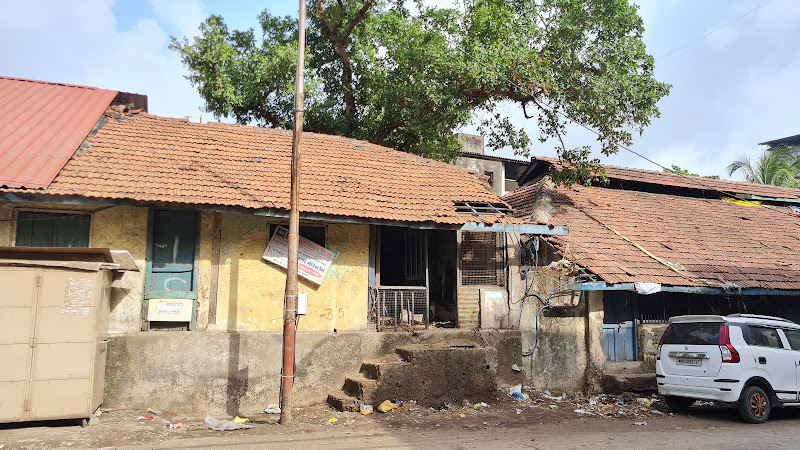
bhiwandi fort
About bhiwandi fort
Description
Bhiwandi Fort, often overshadowed by Maharashtra’s more famous hill forts, quietly holds its ground as a hidden gem for those who crave a mix of history, greenery, and a bit of raw adventure. It’s not a place that screams for attention, but rather one that rewards the curious traveler who’s willing to go off the usual tourist trail. The fort’s weathered stones, moss-covered walls, and panoramic views tell stories that go far beyond what any guidebook can capture.
The first time I visited, I remember being surprised by how peaceful it was. No crowds, no chaos—just the sound of wind brushing through the trees and the distant hum of the city below. You can almost imagine the days when this fort stood as a watchtower, keeping an eye on the surrounding trade routes. It’s got that kind of quiet dignity that makes you pause and think about the centuries that have passed.
Though smaller compared to the grand forts of Maharashtra like Raigad or Sinhagad, Bhiwandi Fort has its own charm. The fort dates back to the 15th century and is believed to have played a strategic role in regional defense during the Maratha period. Today, it’s a favorite among local trekkers and families looking for a short escape from the city’s bustle. Kids love exploring the ruins, and parents appreciate the easy trek and fresh air. It’s one of those places that feels both historical and homely at the same time.
Key Features
- Historical Significance: Built around the 15th century, the fort served as a lookout point and defense post during the Maratha era.
- Trekking Trail: A moderate trek suitable for beginners, offering scenic views of lush forests and rolling hills.
- Panoramic Views: The summit offers sweeping views of the Bhiwandi landscape, especially mesmerizing during sunrise and sunset.
- Flora and Fauna: The surrounding area is rich with native plants and occasional sightings of local bird species.
- Family-Friendly: The fort’s gentle slopes and open spaces make it a great outing for families with children.
- Photography Spot: Ideal for photographers who love capturing rustic ruins framed by natural beauty.
What really stands out about Bhiwandi Fort is that it hasn’t been overly commercialized. You won’t find vendors selling souvenirs or food stalls cluttering the path. Instead, you get a raw, unfiltered experience of history and nature. It’s the kind of place where you can sit quietly on a rock, munch on homemade snacks, and just take it all in.
Best Time to Visit
If you ask me, the best time to visit Bhiwandi Fort is right after the monsoon, between September and February. The rains leave the hills carpeted in green, and the air feels crisp and clean. The trek is more enjoyable when the sun isn’t blazing overhead, and the views are much clearer.
During summer, the heat can be a bit unforgiving, so early mornings are your best bet. And while monsoon treks sound romantic, the trail can get slippery—so unless you’re an experienced trekker with good shoes, it’s better to wait until the rains settle. Winter mornings here are magical though. There’s often a light mist that makes the fort look almost otherworldly.
How to Get There
Reaching Bhiwandi Fort is fairly straightforward. It’s located not too far from Mumbai and Thane, making it an easy weekend destination. Most travelers prefer taking a train or driving down, as the roads are well-connected. If you’re driving, you’ll enjoy the scenic route through the countryside—it’s dotted with small villages and local markets that give you a real taste of Maharashtra’s rural life.
Once you’re near Bhiwandi, local signs and a few friendly locals can easily guide you to the base of the fort. The trek itself isn’t too long—roughly an hour or so depending on your pace. I’d recommend starting early in the morning to avoid the afternoon heat and to catch the best light for photos.
For those using public transport, local buses and auto-rickshaws are available from Bhiwandi city center to the fort’s base point. It’s affordable, and honestly, half the fun is in the journey itself. You’ll pass through narrow lanes, old houses, and maybe even a few roadside tea stalls where you can grab a steaming cup of chai before starting your climb.
Tips for Visiting
Here’s the thing about Bhiwandi Fort—it’s not a polished, touristy spot with signboards and facilities at every corner. That’s part of its charm, but it also means you need to come a bit prepared.
- Carry Water and Snacks: There aren’t any food stalls near the fort, so pack light snacks and enough water for the trek.
- Wear Comfortable Shoes: The trail can be uneven in places, especially after rain, so good trekking shoes are a must.
- Start Early: Early mornings are cooler and less crowded, plus you’ll get the best photos in the soft light.
- Respect the Site: Avoid littering or carving on the walls—remember, this place has stood for centuries.
- Travel Light: A small backpack with essentials like sunscreen, a hat, and a camera is all you need.
- Watch Your Step: Some parts of the fort are in ruins, so tread carefully, especially if you’re visiting with kids.
And here’s a little personal tip—if you’re into meditation or mindfulness, this spot is perfect. There’s something deeply grounding about sitting on those ancient stones, feeling the breeze, and just letting your thoughts drift. I’ve done it a few times, and it’s always left me feeling strangely refreshed, like I’ve stepped back in time and returned with a clearer head.
For families, it’s a great way to introduce children to history without making it feel like a lesson. They can climb, explore, and imagine what life might’ve been like centuries ago. And for solo travelers or photographers, it’s a chance to capture a side of Maharashtra that’s still raw and real.
Bhiwandi Fort may not be the most famous fortress in the state, but that’s exactly what makes it special. It’s authentic, peaceful, and steeped in quiet history. Whether you’re chasing a bit of adventure, a dose of heritage, or simply a break from the city, this fort offers a little slice of all three. And once you’ve been there, you’ll probably find yourself recommending it to others—just like I do every single time someone asks for an underrated weekend getaway near Mumbai.
Key Features
- Key Features
- Best Time to Visit
- How to Get There
- Tips for Visiting
More Details
Updated November 7, 2025
Table of Contents
Description
Bhiwandi Fort, often overshadowed by Maharashtra’s more famous hill forts, quietly holds its ground as a hidden gem for those who crave a mix of history, greenery, and a bit of raw adventure. It’s not a place that screams for attention, but rather one that rewards the curious traveler who’s willing to go off the usual tourist trail. The fort’s weathered stones, moss-covered walls, and panoramic views tell stories that go far beyond what any guidebook can capture.
The first time I visited, I remember being surprised by how peaceful it was. No crowds, no chaos—just the sound of wind brushing through the trees and the distant hum of the city below. You can almost imagine the days when this fort stood as a watchtower, keeping an eye on the surrounding trade routes. It’s got that kind of quiet dignity that makes you pause and think about the centuries that have passed.
Though smaller compared to the grand forts of Maharashtra like Raigad or Sinhagad, Bhiwandi Fort has its own charm. The fort dates back to the 15th century and is believed to have played a strategic role in regional defense during the Maratha period. Today, it’s a favorite among local trekkers and families looking for a short escape from the city’s bustle. Kids love exploring the ruins, and parents appreciate the easy trek and fresh air. It’s one of those places that feels both historical and homely at the same time.
Key Features
- Historical Significance: Built around the 15th century, the fort served as a lookout point and defense post during the Maratha era.
- Trekking Trail: A moderate trek suitable for beginners, offering scenic views of lush forests and rolling hills.
- Panoramic Views: The summit offers sweeping views of the Bhiwandi landscape, especially mesmerizing during sunrise and sunset.
- Flora and Fauna: The surrounding area is rich with native plants and occasional sightings of local bird species.
- Family-Friendly: The fort’s gentle slopes and open spaces make it a great outing for families with children.
- Photography Spot: Ideal for photographers who love capturing rustic ruins framed by natural beauty.
What really stands out about Bhiwandi Fort is that it hasn’t been overly commercialized. You won’t find vendors selling souvenirs or food stalls cluttering the path. Instead, you get a raw, unfiltered experience of history and nature. It’s the kind of place where you can sit quietly on a rock, munch on homemade snacks, and just take it all in.
Best Time to Visit
If you ask me, the best time to visit Bhiwandi Fort is right after the monsoon, between September and February. The rains leave the hills carpeted in green, and the air feels crisp and clean. The trek is more enjoyable when the sun isn’t blazing overhead, and the views are much clearer.
During summer, the heat can be a bit unforgiving, so early mornings are your best bet. And while monsoon treks sound romantic, the trail can get slippery—so unless you’re an experienced trekker with good shoes, it’s better to wait until the rains settle. Winter mornings here are magical though. There’s often a light mist that makes the fort look almost otherworldly.
How to Get There
Reaching Bhiwandi Fort is fairly straightforward. It’s located not too far from Mumbai and Thane, making it an easy weekend destination. Most travelers prefer taking a train or driving down, as the roads are well-connected. If you’re driving, you’ll enjoy the scenic route through the countryside—it’s dotted with small villages and local markets that give you a real taste of Maharashtra’s rural life.
Once you’re near Bhiwandi, local signs and a few friendly locals can easily guide you to the base of the fort. The trek itself isn’t too long—roughly an hour or so depending on your pace. I’d recommend starting early in the morning to avoid the afternoon heat and to catch the best light for photos.
For those using public transport, local buses and auto-rickshaws are available from Bhiwandi city center to the fort’s base point. It’s affordable, and honestly, half the fun is in the journey itself. You’ll pass through narrow lanes, old houses, and maybe even a few roadside tea stalls where you can grab a steaming cup of chai before starting your climb.
Tips for Visiting
Here’s the thing about Bhiwandi Fort—it’s not a polished, touristy spot with signboards and facilities at every corner. That’s part of its charm, but it also means you need to come a bit prepared.
- Carry Water and Snacks: There aren’t any food stalls near the fort, so pack light snacks and enough water for the trek.
- Wear Comfortable Shoes: The trail can be uneven in places, especially after rain, so good trekking shoes are a must.
- Start Early: Early mornings are cooler and less crowded, plus you’ll get the best photos in the soft light.
- Respect the Site: Avoid littering or carving on the walls—remember, this place has stood for centuries.
- Travel Light: A small backpack with essentials like sunscreen, a hat, and a camera is all you need.
- Watch Your Step: Some parts of the fort are in ruins, so tread carefully, especially if you’re visiting with kids.
And here’s a little personal tip—if you’re into meditation or mindfulness, this spot is perfect. There’s something deeply grounding about sitting on those ancient stones, feeling the breeze, and just letting your thoughts drift. I’ve done it a few times, and it’s always left me feeling strangely refreshed, like I’ve stepped back in time and returned with a clearer head.
For families, it’s a great way to introduce children to history without making it feel like a lesson. They can climb, explore, and imagine what life might’ve been like centuries ago. And for solo travelers or photographers, it’s a chance to capture a side of Maharashtra that’s still raw and real.
Bhiwandi Fort may not be the most famous fortress in the state, but that’s exactly what makes it special. It’s authentic, peaceful, and steeped in quiet history. Whether you’re chasing a bit of adventure, a dose of heritage, or simply a break from the city, this fort offers a little slice of all three. And once you’ve been there, you’ll probably find yourself recommending it to others—just like I do every single time someone asks for an underrated weekend getaway near Mumbai.
Key Highlights
- Key Features
- Best Time to Visit
- How to Get There
- Tips for Visiting
Location
Places to Stay Near bhiwandi fort
Find and Book a Tour
Explore More Travel Guides
No reviews found! Be the first to review!
Traveler Reviews for bhiwandi fort
There are no reviews yet. Be the first one to write one.
Have you visited bhiwandi fort? Help other travelers by sharing your review.
You Might Also Like
Bhadwad
Varaldevi Talav

Chhatrapati Shivaji Maharaj Chowk
Find Accommodations Nearby
Recommended Tours & Activities
Visitor Reviews
There are no reviews yet. Be the first one to write one.
Share Your Experience
Have you visited bhiwandi fort? Help other travelers by leaving a review.