

Bhilwara
About Bhilwara
Description
Bhilwara sits in the Mewar region of Rajasthan and honestly, it doesn’t shout for attention the way Jaipur or Udaipur do. And that’s kind of the point. This is a working city, a place with dust on its shoes and history in its pockets. Known across India as the Textile City, Bhilwara hums with looms, mills, and the steady rhythm of production that never really stops. If you’re a traveler who likes places that feel lived-in rather than polished for postcards, Bhilwara might surprise you.
The city functions as a Municipal Corporation and serves as the administrative headquarters of Bhilwara district. But don’t let that official label fool you into thinking it’s boring. There’s a certain raw honesty here. Streets buzz with scooters, textile workers grabbing chai, shopkeepers calling out deals on fabric you didn’t even know you needed. And yes, you probably will end up buying something, even if you swear you won’t.
I remember my first visit feeling a bit unsure. Was this a place to explore or just pass through? But after a day of wandering local markets and chatting with a shop owner who proudly explained how his family has been in textiles for three generations, it clicked. Bhilwara tells its story quietly, but if you listen, it’s fascinating. The city plays a big role in India’s synthetic textile production, contributing a sizable chunk nationally. That industrial backbone shapes daily life here, from early morning shifts to late-night food stalls feeding tired workers.
Beyond textiles, Bhilwara has a spiritual and historical side that often goes unnoticed. Old temples, modest forts nearby, and community spaces where festivals still feel like community events, not performances. The pace is practical, not rushed, and travelers often find themselves slowing down without realizing it. And maybe that’s Bhilwara’s real trick.
Key Features
- Major textile production hub, especially known for synthetic fabrics and suiting material
- Strong local economy driven by mills, factories, and family-run textile businesses
- Traditional Rajasthani food scenes mixed with worker-friendly street eats
- Proximity to lesser-known forts, temples, and rural Mewar landscapes
- Authentic markets selling fabric directly from production sources
- Less tourist crowd, which means more real conversations and fewer inflated prices
One thing I always tell people: don’t underestimate the markets. They’re not fancy, but they’re goldmines. You’ll see bolts of fabric stacked higher than your head, patterns you won’t spot in big-city malls. And bargaining here isn’t aggressive, it’s almost friendly. Smile, ask questions, show curiosity. It goes a long way.
Best Time to Visit
The best time to visit Bhilwara is between October and March. Rajasthan summers are no joke, and Bhilwara is no exception. Temperatures can climb uncomfortably high, making exploration feel like a chore rather than fun. Winter months, on the other hand, are pleasant, with cooler mornings and evenings that invite long walks and lazy cups of tea.
October and November still carry a bit of warmth, but festivals start popping up, and the city feels energetic in a grounded way. December and January are cooler, sometimes surprisingly so at night. I once underestimated the winter chill here and ended up buying a shawl from a local vendor. No regrets, it’s still one of my favorite travel souvenirs.
Monsoon season, from July to September, brings mixed feelings. The landscape around Bhilwara turns greener, which is nice. But heavy rains can make moving around tricky, especially in older parts of the city. If you don’t mind some inconvenience and enjoy quieter travel periods, it’s doable. Just pack patience and waterproof shoes.
How to Get There
Getting to Bhilwara is fairly straightforward, which makes it a convenient stop if you’re exploring Rajasthan beyond the usual highlights. The city is well-connected by rail, and trains from major cities in Rajasthan and neighboring states stop here regularly. The railway station is functional, busy, and very much a slice of everyday India. Grab some snacks from vendors, it’s part of the experience.
By road, Bhilwara connects easily via national and state highways. Buses run frequently, and driving yourself gives you the freedom to explore nearby towns and countryside. I’ve done the road trip once, and while it wasn’t glamorous, the changing scenery and random roadside chai stops made it memorable.
The nearest major airports are a few hours away, so most travelers combine air travel with a train or car journey. It sounds like extra effort, but honestly, that gradual approach into Bhilwara helps set expectations. This isn’t a city that reveals itself instantly. You ease into it.
Tips for Visiting
First tip, and I say this from experience: come curious, not rushed. Bhilwara doesn’t hand out wow moments every five minutes. You need to look a bit closer. Spend time talking to people, especially in markets and small eateries. Many locals are proud of their city and happy to explain how things work, even if the conversation jumps between Hindi, English, and hand gestures.
Dress comfortably and modestly. This is a working city, not a resort town. Light cotton clothes work best, especially if you plan on walking around industrial areas or markets. Good footwear matters too. Pavements are unpredictable, and you’ll probably walk more than you think.
Food-wise, don’t expect curated food trails. Instead, follow your nose. Small places serving dal baati, kachoris, and simple thalis are where the real flavor lives. And yes, sometimes the best meals come from spots with no English signage and plastic chairs. Trust me on this one.
If textiles interest you even a little, set aside time to understand the industry. Some shop owners will explain the difference between fabrics, production methods, and pricing if you show genuine interest. It’s like a crash course in something Bhilwara does better than most places. I once spent an entire afternoon learning about yarn counts. Never thought that’d happen on a trip, but here we are.
Lastly, manage expectations. Bhilwara isn’t polished or curated for Instagram. There are rough edges, traffic noise, and the occasional confusion. But there’s also honesty, industry, and a strong sense of place. If you’re open to that, you’ll leave with stories that feel real, not rehearsed.
And maybe a suitcase slightly heavier than when you arrived. Those fabrics are hard to resist.
Key Features
- Major textile production hub, especially known for synthetic fabrics and suiting material
- Strong local economy driven by mills, factories, and family-run textile businesses
- Traditional Rajasthani food scenes mixed with worker-friendly street eats
- Proximity to lesser-known forts, temples, and rural Mewar landscapes
- Authentic markets selling fabric directly from production sources
- Less tourist crowd, which means more real conversations and fewer inflated prices
More Details
Updated December 31, 2025
Table of Contents
Description
Bhilwara sits in the Mewar region of Rajasthan and honestly, it doesn’t shout for attention the way Jaipur or Udaipur do. And that’s kind of the point. This is a working city, a place with dust on its shoes and history in its pockets. Known across India as the Textile City, Bhilwara hums with looms, mills, and the steady rhythm of production that never really stops. If you’re a traveler who likes places that feel lived-in rather than polished for postcards, Bhilwara might surprise you.
The city functions as a Municipal Corporation and serves as the administrative headquarters of Bhilwara district. But don’t let that official label fool you into thinking it’s boring. There’s a certain raw honesty here. Streets buzz with scooters, textile workers grabbing chai, shopkeepers calling out deals on fabric you didn’t even know you needed. And yes, you probably will end up buying something, even if you swear you won’t.
I remember my first visit feeling a bit unsure. Was this a place to explore or just pass through? But after a day of wandering local markets and chatting with a shop owner who proudly explained how his family has been in textiles for three generations, it clicked. Bhilwara tells its story quietly, but if you listen, it’s fascinating. The city plays a big role in India’s synthetic textile production, contributing a sizable chunk nationally. That industrial backbone shapes daily life here, from early morning shifts to late-night food stalls feeding tired workers.
Beyond textiles, Bhilwara has a spiritual and historical side that often goes unnoticed. Old temples, modest forts nearby, and community spaces where festivals still feel like community events, not performances. The pace is practical, not rushed, and travelers often find themselves slowing down without realizing it. And maybe that’s Bhilwara’s real trick.
Key Features
- Major textile production hub, especially known for synthetic fabrics and suiting material
- Strong local economy driven by mills, factories, and family-run textile businesses
- Traditional Rajasthani food scenes mixed with worker-friendly street eats
- Proximity to lesser-known forts, temples, and rural Mewar landscapes
- Authentic markets selling fabric directly from production sources
- Less tourist crowd, which means more real conversations and fewer inflated prices
One thing I always tell people: don’t underestimate the markets. They’re not fancy, but they’re goldmines. You’ll see bolts of fabric stacked higher than your head, patterns you won’t spot in big-city malls. And bargaining here isn’t aggressive, it’s almost friendly. Smile, ask questions, show curiosity. It goes a long way.
Best Time to Visit
The best time to visit Bhilwara is between October and March. Rajasthan summers are no joke, and Bhilwara is no exception. Temperatures can climb uncomfortably high, making exploration feel like a chore rather than fun. Winter months, on the other hand, are pleasant, with cooler mornings and evenings that invite long walks and lazy cups of tea.
October and November still carry a bit of warmth, but festivals start popping up, and the city feels energetic in a grounded way. December and January are cooler, sometimes surprisingly so at night. I once underestimated the winter chill here and ended up buying a shawl from a local vendor. No regrets, it’s still one of my favorite travel souvenirs.
Monsoon season, from July to September, brings mixed feelings. The landscape around Bhilwara turns greener, which is nice. But heavy rains can make moving around tricky, especially in older parts of the city. If you don’t mind some inconvenience and enjoy quieter travel periods, it’s doable. Just pack patience and waterproof shoes.
How to Get There
Getting to Bhilwara is fairly straightforward, which makes it a convenient stop if you’re exploring Rajasthan beyond the usual highlights. The city is well-connected by rail, and trains from major cities in Rajasthan and neighboring states stop here regularly. The railway station is functional, busy, and very much a slice of everyday India. Grab some snacks from vendors, it’s part of the experience.
By road, Bhilwara connects easily via national and state highways. Buses run frequently, and driving yourself gives you the freedom to explore nearby towns and countryside. I’ve done the road trip once, and while it wasn’t glamorous, the changing scenery and random roadside chai stops made it memorable.
The nearest major airports are a few hours away, so most travelers combine air travel with a train or car journey. It sounds like extra effort, but honestly, that gradual approach into Bhilwara helps set expectations. This isn’t a city that reveals itself instantly. You ease into it.
Tips for Visiting
First tip, and I say this from experience: come curious, not rushed. Bhilwara doesn’t hand out wow moments every five minutes. You need to look a bit closer. Spend time talking to people, especially in markets and small eateries. Many locals are proud of their city and happy to explain how things work, even if the conversation jumps between Hindi, English, and hand gestures.
Dress comfortably and modestly. This is a working city, not a resort town. Light cotton clothes work best, especially if you plan on walking around industrial areas or markets. Good footwear matters too. Pavements are unpredictable, and you’ll probably walk more than you think.
Food-wise, don’t expect curated food trails. Instead, follow your nose. Small places serving dal baati, kachoris, and simple thalis are where the real flavor lives. And yes, sometimes the best meals come from spots with no English signage and plastic chairs. Trust me on this one.
If textiles interest you even a little, set aside time to understand the industry. Some shop owners will explain the difference between fabrics, production methods, and pricing if you show genuine interest. It’s like a crash course in something Bhilwara does better than most places. I once spent an entire afternoon learning about yarn counts. Never thought that’d happen on a trip, but here we are.
Lastly, manage expectations. Bhilwara isn’t polished or curated for Instagram. There are rough edges, traffic noise, and the occasional confusion. But there’s also honesty, industry, and a strong sense of place. If you’re open to that, you’ll leave with stories that feel real, not rehearsed.
And maybe a suitcase slightly heavier than when you arrived. Those fabrics are hard to resist.
Key Highlights
- Major textile production hub, especially known for synthetic fabrics and suiting material
- Strong local economy driven by mills, factories, and family-run textile businesses
- Traditional Rajasthani food scenes mixed with worker-friendly street eats
- Proximity to lesser-known forts, temples, and rural Mewar landscapes
- Authentic markets selling fabric directly from production sources
- Less tourist crowd, which means more real conversations and fewer inflated prices
Location
Places to Stay Near Bhilwara
Find and Book a Tour
Explore More Travel Guides
No reviews found! Be the first to review!
Traveler Reviews for Bhilwara
There are no reviews yet. Be the first one to write one.
Have you visited Bhilwara? Help other travelers by sharing your review.
You Might Also Like
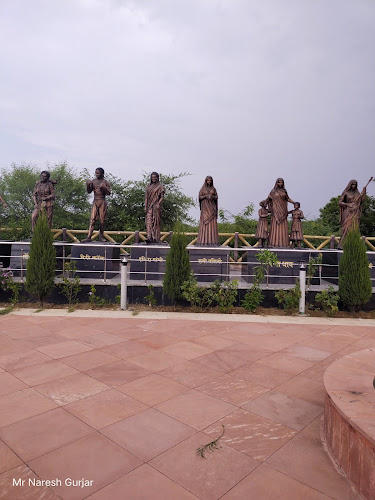
Beti Gaurav Udhyaan

Nehru Park Bhilwara

Mahaveer Park
Find Accommodations Nearby
Recommended Tours & Activities
Visitor Reviews
There are no reviews yet. Be the first one to write one.
Share Your Experience
Have you visited Bhilwara? Help other travelers by leaving a review.