
Bharatpur
About Bharatpur
Key Features
More Details
Updated June 11, 2025
## Bharatpur, Rajasthan: Practical Guide to India’s “Eastern Gate” of Wildlife and Forts
Bharatpur sits in eastern Rajasthan on the Braj plain, close to Agra and Mathura, and within India’s National Capital Region. It’s best known for the Keoladeo National Park—one of the world’s most important bird habitats—and for the 18th-century Lohagarh (Iron) Fort that resisted repeated British assaults. Coordinates for the city center: 27.2151863, 77.5029996.
—
### Why Bharatpur belongs on a North India itinerary
– UNESCO-listed wetland: Keoladeo National Park (formerly Bharatpur Bird Sanctuary) was inscribed as a World Heritage Site in 1985 for its outstanding biodiversity and role in conserving threatened species. Historically it was the only known wintering site for the central population of the Siberian crane; today it remains a critical stopover and wintering ground for large congregations of migratory waterfowl and raptors. World Heritage Centre
– A fort that wouldn’t fall: Lohagarh Fort, commissioned by Maharaja Suraj Mal in 1732, became legendary after British forces failed in multiple storming attempts during the 1805 Siege of Bharatpur. The fort’s earth-and-stone defenses proved exceptionally resilient.
– Palaces and water gardens nearby: Deeg Palace, roughly 32–40 km north of Bharatpur, was a summer retreat of the Jat rulers and showcases a Mughal-influenced garden-palace ensemble with pavilions and ornate fountains. Cook
—
## Keoladeo National Park: What to know before you go
Status & significance. Keoladeo is a Ramsar wetland and a UNESCO site. The wetland mosaic—shallow lakes, dykes, and raised mounds—supports hundreds of bird species along the Central Asian flyway. Note that the Siberian crane’s central population no longer winters here; references to it are historical. Bird diversity and numbers still peak in winter with ducks, geese, coots, pelicans, waders, and threatened raptors like the Greater Spotted Eagle. World Heritage Centre
Best season. Migration typically brings the highest diversity from October to March, aligning with cooler temperatures and more favorable water levels. Water availability can vary by year due to rainfall and supply schemes feeding the wetland, which affects bird numbers—keep expectations flexible. Times of India
Access from town. The park’s main entrance lies ~5 km from Bharatpur Junction (BTE) railway station, making it easy to combine with city sightseeing in a single day.
On-the-ground tips (conservation-minded):
– Opt for park-authorized cycle rickshaws, bicycles, or walking for low-impact wildlife viewing; engines and noise reduce sightings. (Transport options may change—verify at gate on arrival.)
– Mornings and late afternoons offer the best light and activity; mid-day heat is quieter.
– Carry water and a hat; there is limited shade between mounds and dykes.
Outdated data flag: Visitor fees, route closures, and water-release schedules change—check the official park desk on the day. (Rates and arrangements fluctuate; quoting figures here risks inaccuracy.)
—
## Lohagarh (Iron) Fort: Engineering that outsmarted cannons
Commissioned by Maharaja Suraj Mal (r. 1756–1763), Lohagarh’s massive earthen ramparts and moat famously blunted cannon fire. British troops led by Lord Lake failed in four storming attempts during January–February 1805. Inside, you’ll find palaces, gateways, and memorials tied to the Jat kingdom’s political ascent. Allocate 1–2 hours to walk key gates and the museum precinct.
Photography note: The strength of the fort lies in its profiles, berms, and water defenses, not just facades—walk perimeters to appreciate the design that made it formidable.
—
## Deeg Palace: Fountains, pavilions, and a summer court
A short excursion from Bharatpur brings you to Deeg, the Jat rulers’ former capital. The palace-garden complex (18th century) incorporates water features and pavilions used during monsoon and summer durbars. It’s roughly 32 km from Bharatpur; allow half a day including transport. Cook
Planning note: Fountains aren’t guaranteed to be running daily; displays are occasional and schedule-dependent.
—
## Getting to Bharatpur (and getting around)
By rail. Bharatpur Junction (BTE) is on the New Delhi–Mumbai main line with additional connectivity towards Agra–Bandikui–Jaipur. Services and timetables vary by season; check current schedules on IRCTC or reputable aggregators.
By road. Bharatpur sits within a short drive of major Golden Triangle hubs: approximately 55–60 km from Agra, ~34–45 km from Mathura, and ~178–200 km from Jaipur, depending on route and city endpoints. Highways in the corridor are four-lane in stretches; travel times depend on traffic and construction.
Local mobility. Auto-rickshaws and taxis cover town sights and the park gate; inside Keoladeo, switch to walking, bicycles, or cycle-rickshaws for wildlife-friendly viewing.
Outdated data flag: Highway numbers, lane conditions, and ride-hailing availability can change—confirm locally the week you travel.
—
## Smart 1–2 day itinerary
Day 1 – Birds & Braj heritage
– Dawn to late morning: Keoladeo National Park (enter early). Focus on wetland loops where water is present that season; talk to rangers/guide-drivers at the gate about which blocks hold the best activity that day.
– Afternoon: Lohagarh Fort and the museum area. Sunset along the moat for fort silhouettes.
Day 2 – Side trip
– Deeg Palace half-day, then return to Bharatpur for additional birding in golden hour. Cook
—
## Cultural and environmental context (quick primers)
– Braj region. Bharatpur lies within Braj, a cultural landscape linked with Krishna traditions and Braj Bhasha language alongside Hindi. You’ll hear both in markets and see Braj festivals on seasonal calendars.
– Hydrology matters. Keoladeo’s wetland health depends on monsoon rainfall and managed water inflows (e.g., Ajan Bund via the Dakan canal). During drought years, bird numbers can dip; in wetter years, diversity rebounds. Build flexibility into plans if birding is your main purpose.
—
## Accessibility & inclusive travel notes
– Terrain: Keoladeo’s main dyke roads are flat; some sections are unpaved. Wheelchair users may find the first stretches and broader embankments more manageable; assistance improves access to deeper loops. (Facility details can change—confirm at gate.)
– Facilities: Shade, seating, and rest stops are intermittent in the park; carry sun protection and water. Many heritage precincts (fort/palace) have steps and uneven floors typical of 18th-century sites.
—
## Responsible visiting
– Keep distance from wildlife; avoid playback calls or baiting.
– Pack out trash; wetlands are sensitive to plastics and food waste.
– Consider hiring a local guide/driver inside Keoladeo—many are trained spotters and naturalists, and fees support livelihoods connected to conservation.
—
## Quick facts (for trip planning)
– Region: Eastern Rajasthan (Braj). Administrative HQ of Bharatpur district; part of India’s NCR.
– Signature sites: Keoladeo National Park (UNESCO, 1985), Lohagarh Fort (18th c.), Deeg Palace (18th c., ~32–40 km from Bharatpur).
– Rail hub: Bharatpur Junction (BTE), on the New Delhi–Mumbai main line; ~5 km from Keoladeo gate.
– Approximate distances: Agra ~55–60 km; Mathura ~34–45 km; Jaipur ~178–200 km.
—
### What’s subject to change (so you can re-check)
– Park entry fees, guide/vehicle rules, and water-level–dependent trail access.
– Train timetables and highway conditions.
For accuracy, verify the week of travel with the park office and current rail schedules; seasonal and administrative changes are common in this corridor.
—
This guide focuses on verified, stable facts (sites, history, geography, and transport structure). Where conditions are fluid—fees, water levels, operations—I’ve flagged them to avoid outdated specifics.
Table of Contents
Key Highlights
Bharatpur
Location
Places to Stay Near Bharatpur"What a wonderful place"
Find and Book a Tour
Explore More Travel Guides
No reviews found! Be the first to review!
Traveler Reviews for Bharatpur
There are no reviews yet. Be the first one to write one.
Have you visited Bharatpur? Help other travelers by sharing your review.
You Might Also Like
Lohagarh Fort
Asht Dhatu Gate
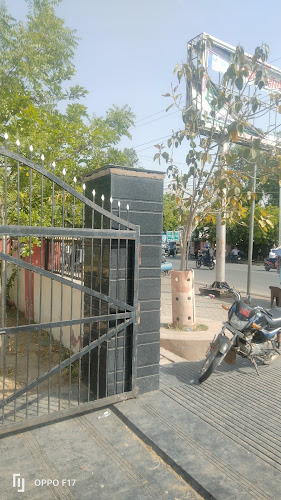
DR.B.R.AMBEDKAR PARK BHARATPUR
Find Accommodations Nearby
Recommended Tours & Activities
Visitor Reviews
There are no reviews yet. Be the first one to write one.
Share Your Experience
Have you visited Bharatpur? Help other travelers by leaving a review.