About Bergen Maritime Museum

Description

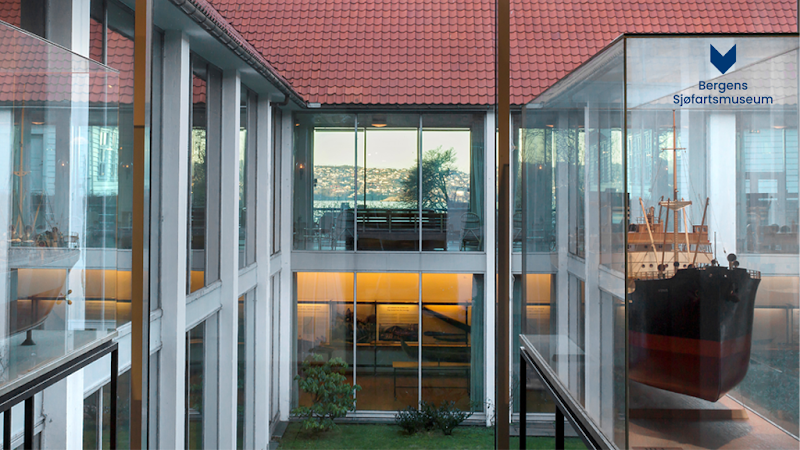
The Bergen Maritime Museum presents a deep, tactile dive into Norway's seafaring past. Founded in 1914, the museum has been quietly collecting ships, boats, models, artifacts and archival films that chart centuries of maritime life—from wooden fishing skiffs to the age of steam and the industrial fleets that changed Norwegian coastal communities. It sits as a repository of stories: the everyday work of fishermen, the daring voyages of coastal traders, and the design ingenuity that let Norwegians make a living from the sea. The tone here is not pompous; it's practical and often intimate. Objects are displayed to teach, to provoke a memory, and yes, sometimes to make you laugh at the cleverness of a clever old mariner.

For travelers keen on history, design, or simply the feel of salt in the air, the museum delivers. Exhibits range from full-scale boats you can walk around and peer into, to meticulously crafted ship models that reveal how hull lines evolved. There are film screenings that show archival footage—grainy, black-and-white reels of harbors alive with activity—that complement the physical objects and make the past feel immediate. And because history is messy, the museum does not shy away from social context: the lives of coastal communities, the economics of fishing, and how Norway’s relationship with the sea shaped national identity.

Visitors often note the museum’s approachable curation. It is not an academic fortress; the layout invites curiosity. Panels and captions are written plainly, with enough technical detail for those who want to dig deeper and a friendly tone for casual visitors. Interactive bits—buttons that trigger soundscapes or short film clips—are sprinkled through the galleries, making the visit more sensory than static. Families visit, kids get fascinated by rigging and pulleys, and even people with a passing interest in maritime things tend to linger longer than they expect.

Accessibility is a genuine focus here. The museum provides a wheelchair accessible entrance, accessible restrooms, and parking, and it offers assisted listening devices and a hearing loop for presentations. These practical measures make the museum a comfortable place for a broad range of visitors. There is a modest gift shop where reproductions, books and locally made nautical souvenirs can be purchased—perfect for a rainy Bergen afternoon when a warm memento feels right. Restrooms are available inside, though there is no onsite restaurant, so planning a stop at a nearby café for lunch is sensible.

One useful thing to know before arrival: admission is fee-based. The price supports conservation and the film archive; it’s a small civic contribution to keeping these boats afloat, literally and metaphorically. The museum staff are usually helpful and willing to answer questions—some of them are passionate local historians—and guided tours are sometimes offered. Even without booking a tour, there is a richness to the self-guided experience: detailed labels, thematic displays on shipbuilding techniques, and sections dedicated to the Viking maritime legacy and later coastal trade routes.

There are a few delightful surprises not every traveler expects. For instance, the scale models are not mere decorations. They often include notes about construction techniques and the craftsmen who built them. A display on small coastal craft reveals how regional differences produced subtle design shifts—an insight that delights anyone who likes design, architecture, or engineering. Another lesser-known asset is the film collection: rare footage of Bergen’s port in the early 20th century, fishermen at work, and training exercises that show seamanship techniques no longer common. Those archival clips are a tiny time machine; a short screening can change how a visitor imagines the harbor outside the museum walls.

Atmosphere matters, and the museum manages a pleasant balance between serious preservation and relaxed learning. Crowds are variable—there are busy days, yes, especially when cruise ships roll into town—but the galleries are sized so that even when a room holds a handful of visitors, it doesn’t feel cramped. Families come with kids in tow; the space tends to be welcoming to LGBTQ+ travelers and is seen as family-friendly by locals. Educational groups, local schools and university students drop by regularly, giving the place a lived-in, community-oriented feel rather than a sterile tourist trap.

Practical details woven into the description may save a visitor time. Exhibits are grouped thematically rather than chronologically in some rooms, which helps to connect topics—boatbuilding next to trade routes, for instance—so the story of seafaring life reads like a web rather than a straight line. Don’t skip the smaller cabinets: they house navigational instruments, sailor’s journals, and scrapbooks that often carry the human voice of the sea—scrawled notes, pressed flowers, and postcards. Those tiny artifacts are surprisingly moving; they turn grand historical narratives into intimate human experiences.

People who care about design and engineering will find the ship models particularly compelling. The models are detailed to an almost obsidian level, showing rigging layouts, hull construction, and even crew spaces. For photographers, the museum offers excellent composition possibilities: the juxtaposition of polished wood and old metal, the play of light across a ship’s curve. And speaking of light, on a bright Bergen day, the museum’s windows let in a soft, northern glow that flatters exhibits and makes film screenings feel like shared storytelling sessions.

There are also programmatic offerings that vary by season—temporary exhibitions, thematic showcases, and occasional lectures. Developers of the museum have a habit of bringing in focused exhibits that explore niche topics: for example, a short run on coastal rescue techniques or an exhibit centered on women in maritime history. Those rotating shows are often the best reason to return: they keep the core collection feeling fresh and relevant.

For people who like numbers: the collection includes dozens of full-sized vessels and hundreds of models and artifacts. That breadth means a visit can be as short as 45 minutes for a focused look or extend to several hours if someone wants to read labels, watch films and linger by the boats. Most visitors find that two hours is a comfortable amount of time to do a thorough job without museum fatigue. The museum’s archival staff have also digitized a portion of their film archive, so researchers and curious travelers can ask about specific reels—if one is lucky, a volunteer will pull up a rare clip that isn’t normally on display.

Finally, there’s a local flavor that can’t be fully captured in a brochure. The museum acts like a conversation with the city of Bergen itself. Walk out afterward and you’ll see the harbor, the fishermen, and the wooden houses that once sent vessels out into the North Sea. It’s one thing to read about maritime history; it’s another to feel connected to it while standing beside a ship whose wood smells faintly of tar and history. That is, in many ways, the Bergen Maritime Museum’s best skill: it gives visitors a way to feel history under their hands and to walk back into the modern city carrying small pieces of the past.

Key Features

Bergen Maritime Museum

More Details

Updated August 29, 2025

Description

The Bergen Maritime Museum presents a deep, tactile dive into Norway’s seafaring past. Founded in 1914, the museum has been quietly collecting ships, boats, models, artifacts and archival films that chart centuries of maritime life—from wooden fishing skiffs to the age of steam and the industrial fleets that changed Norwegian coastal communities. It sits as a repository of stories: the everyday work of fishermen, the daring voyages of coastal traders, and the design ingenuity that let Norwegians make a living from the sea. The tone here is not pompous; it’s practical and often intimate. Objects are displayed to teach, to provoke a memory, and yes, sometimes to make you laugh at the cleverness of a clever old mariner.

For travelers keen on history, design, or simply the feel of salt in the air, the museum delivers. Exhibits range from full-scale boats you can walk around and peer into, to meticulously crafted ship models that reveal how hull lines evolved. There are film screenings that show archival footage—grainy, black-and-white reels of harbors alive with activity—that complement the physical objects and make the past feel immediate. And because history is messy, the museum does not shy away from social context: the lives of coastal communities, the economics of fishing, and how Norway’s relationship with the sea shaped national identity.

Visitors often note the museum’s approachable curation. It is not an academic fortress; the layout invites curiosity. Panels and captions are written plainly, with enough technical detail for those who want to dig deeper and a friendly tone for casual visitors. Interactive bits—buttons that trigger soundscapes or short film clips—are sprinkled through the galleries, making the visit more sensory than static. Families visit, kids get fascinated by rigging and pulleys, and even people with a passing interest in maritime things tend to linger longer than they expect.

Accessibility is a genuine focus here. The museum provides a wheelchair accessible entrance, accessible restrooms, and parking, and it offers assisted listening devices and a hearing loop for presentations. These practical measures make the museum a comfortable place for a broad range of visitors. There is a modest gift shop where reproductions, books and locally made nautical souvenirs can be purchased—perfect for a rainy Bergen afternoon when a warm memento feels right. Restrooms are available inside, though there is no onsite restaurant, so planning a stop at a nearby café for lunch is sensible.

One useful thing to know before arrival: admission is fee-based. The price supports conservation and the film archive; it’s a small civic contribution to keeping these boats afloat, literally and metaphorically. The museum staff are usually helpful and willing to answer questions—some of them are passionate local historians—and guided tours are sometimes offered. Even without booking a tour, there is a richness to the self-guided experience: detailed labels, thematic displays on shipbuilding techniques, and sections dedicated to the Viking maritime legacy and later coastal trade routes.

There are a few delightful surprises not every traveler expects. For instance, the scale models are not mere decorations. They often include notes about construction techniques and the craftsmen who built them. A display on small coastal craft reveals how regional differences produced subtle design shifts—an insight that delights anyone who likes design, architecture, or engineering. Another lesser-known asset is the film collection: rare footage of Bergen’s port in the early 20th century, fishermen at work, and training exercises that show seamanship techniques no longer common. Those archival clips are a tiny time machine; a short screening can change how a visitor imagines the harbor outside the museum walls.

Atmosphere matters, and the museum manages a pleasant balance between serious preservation and relaxed learning. Crowds are variable—there are busy days, yes, especially when cruise ships roll into town—but the galleries are sized so that even when a room holds a handful of visitors, it doesn’t feel cramped. Families come with kids in tow; the space tends to be welcoming to LGBTQ+ travelers and is seen as family-friendly by locals. Educational groups, local schools and university students drop by regularly, giving the place a lived-in, community-oriented feel rather than a sterile tourist trap.

Practical details woven into the description may save a visitor time. Exhibits are grouped thematically rather than chronologically in some rooms, which helps to connect topics—boatbuilding next to trade routes, for instance—so the story of seafaring life reads like a web rather than a straight line. Don’t skip the smaller cabinets: they house navigational instruments, sailor’s journals, and scrapbooks that often carry the human voice of the sea—scrawled notes, pressed flowers, and postcards. Those tiny artifacts are surprisingly moving; they turn grand historical narratives into intimate human experiences.

People who care about design and engineering will find the ship models particularly compelling. The models are detailed to an almost obsidian level, showing rigging layouts, hull construction, and even crew spaces. For photographers, the museum offers excellent composition possibilities: the juxtaposition of polished wood and old metal, the play of light across a ship’s curve. And speaking of light, on a bright Bergen day, the museum’s windows let in a soft, northern glow that flatters exhibits and makes film screenings feel like shared storytelling sessions.

There are also programmatic offerings that vary by season—temporary exhibitions, thematic showcases, and occasional lectures. Developers of the museum have a habit of bringing in focused exhibits that explore niche topics: for example, a short run on coastal rescue techniques or an exhibit centered on women in maritime history. Those rotating shows are often the best reason to return: they keep the core collection feeling fresh and relevant.

For people who like numbers: the collection includes dozens of full-sized vessels and hundreds of models and artifacts. That breadth means a visit can be as short as 45 minutes for a focused look or extend to several hours if someone wants to read labels, watch films and linger by the boats. Most visitors find that two hours is a comfortable amount of time to do a thorough job without museum fatigue. The museum’s archival staff have also digitized a portion of their film archive, so researchers and curious travelers can ask about specific reels—if one is lucky, a volunteer will pull up a rare clip that isn’t normally on display.

Finally, there’s a local flavor that can’t be fully captured in a brochure. The museum acts like a conversation with the city of Bergen itself. Walk out afterward and you’ll see the harbor, the fishermen, and the wooden houses that once sent vessels out into the North Sea. It’s one thing to read about maritime history; it’s another to feel connected to it while standing beside a ship whose wood smells faintly of tar and history. That is, in many ways, the Bergen Maritime Museum’s best skill: it gives visitors a way to feel history under their hands and to walk back into the modern city carrying small pieces of the past.

Key Highlights

Bergen Maritime Museum

Location

Places to Stay Near Bergen Maritime Museum

Find and Book a Tour

Explore More Travel Guides

No reviews found! Be the first to review!

Traveler Reviews for Bergen Maritime Museum

There are no reviews yet. Be the first one to write one.

Share Your Experience

Have you visited Bergen Maritime Museum? Help other travelers by sharing your review.

Find Accommodations Nearby

Recommended Tours & Activities

Visitor Reviews

There are no reviews yet. Be the first one to write one.

Share Your Experience

Have you visited Bergen Maritime Museum? Help other travelers by leaving a review.