

Berbérati
About Berbérati
Description
Berbérati sits quietly in the southwest corner of the Central African Republic, holding its place as the third-largest city in the country with just over 100,000 folks calling it home. It’s not one of those flashy tourist magnets, but that’s kind of the charm, isn’t it? There’s a certain rawness here, a realness that you don’t get in the usual spots. It’s the capital of Mambéré-Kadéï Prefecture, which means it’s a hub of local life and culture, with a laid-back vibe that’s both intriguing and a little mysterious. Nestled close to the border with Cameroon, Berbérati offers a unique blend of influences that you can feel in the pace of life, the markets, and the people you meet.
Travelers who make their way here usually come for something a bit off the beaten track. It’s not polished or overly developed, but that’s exactly why it’s worth the trip. You get to see a side of Central Africa that’s authentic and unfiltered. The city’s streets are alive with everyday hustle — vendors selling fresh produce, kids kicking around a ball, and the occasional motorbike zipping past. It’s a place where you can genuinely connect with locals, hear their stories, and maybe even pick up a few words in Sango or French.
Don’t expect luxury hotels or sprawling resorts; Berbérati’s accommodations are modest but welcoming. The city is a gateway to exploring the surrounding natural beauty — think dense forests and rivers that whisper tales of the wild. For anyone looking to dive deeper into Central African culture and history without the distractions of mass tourism, Berbérati quietly waits, ready to surprise you with its understated charm and genuine warmth.
Key Features
- Third-largest city in the Central African Republic with a population of about 105,000
- Capital of Mambéré-Kadéï Prefecture and Berbérati sub-prefecture
- Close proximity to the Cameroon border, offering cross-cultural influences
- Authentic local markets filled with fresh produce and handmade goods
- Gateway to rich natural landscapes including forests and rivers
- Modest, budget-friendly accommodations with a welcoming local atmosphere
- Opportunity to engage with local communities and experience everyday life
- Less touristy, providing a genuine and unfiltered travel experience
Best Time to Visit
Timing your visit to Berbérati can make a big difference, especially if you’re not used to the tropical climate. The dry season, which runs roughly from December to February and then again from June to August, is the best window for travel. You’ll find the weather more agreeable — less mud, fewer mosquitoes, and clearer skies that make exploring the city and nearby natural areas much more enjoyable.
On the flip side, the rainy season, stretching from March through May and then September to November, can be a bit challenging. Roads get slippery, and some areas might become difficult to access. But hey, if you’re adventurous and don’t mind getting your boots muddy, the rains bring the landscape to life with lush greenery and the chance to see the forests in their full glory.
Personally, I once visited during the early dry season and found the mornings crisp and perfect for wandering the markets before the heat of the day set in. Just remember to pack light, breathable clothes and a good insect repellent — you’ll thank me later.
How to Get There
Getting to Berbérati isn’t exactly a walk in the park, but that’s part of the adventure, right? The city is somewhat off the main tourist radar, so flights are limited and often irregular. The nearest airport, Berbérati Airport, handles small regional flights, mostly connecting with Bangui, the capital. If you’re coming from abroad, you’ll likely fly into Bangui first and then catch a domestic flight or prepare for a road trip.
Road travel is the other option, and it’s a bit of a mixed bag. The roads can be rough, especially during the rainy season, so a sturdy 4x4 is your best bet. Driving from Bangui or crossing over from Cameroon adds a layer of excitement — and unpredictability — to your journey. But once you arrive, the sense of accomplishment and the stories you gather along the way make it worth every bump and pothole.
Public transport options are limited and not always reliable, so if you’re not comfortable with adventure travel, arranging a private transfer or hiring a local guide might be your best move. And trust me, having someone who knows the ins and outs of the area helps you avoid unnecessary headaches and lets you soak in the experience instead.
Tips for Visiting
Alright, so you’re thinking about heading to Berbérati — here are a few nuggets of wisdom to keep in your back pocket. First off, don’t expect the usual tourist infrastructure. This place is real, raw, and sometimes a little rough around the edges. Embrace that. It’s part of what makes it memorable.
Cash is king here. ATMs are scarce, and credit cards? Forget about it. Make sure you have enough local currency before you arrive, or be prepared to exchange money in town. Also, bargaining is part of the market culture, so don’t be shy to haggle a bit — it’s all in good fun and expected.
Language can be a barrier, but a few phrases in French or Sango go a long way. Locals appreciate the effort, and it often opens doors to friendlier interactions. Oh, and speaking of locals, be respectful of cultural norms — dress modestly, especially when visiting religious or community sites.
Health-wise, take precautions against malaria and other tropical illnesses. Carry a basic first aid kit, drink bottled water, and avoid street food if you have a sensitive stomach. I learned this the hard way once — a bout of traveler’s tummy can really put a damper on your adventure.
Lastly, give yourself time to just hang out and absorb the atmosphere. Berbérati isn’t about rushing from one sight to another; it’s about slowing down, chatting with people, watching the world go by, and maybe discovering something unexpected around the corner. If you’re up for that kind of travel, Berbérati might just surprise you.
Key Features
- Third-largest city in the Central African Republic with a population of about 105,000
- Capital of Mambéré-Kadéï Prefecture and Berbérati sub-prefecture
- Close proximity to the Cameroon border, offering cross-cultural influences
- Authentic local markets filled with fresh produce and handmade goods
- Gateway to rich natural landscapes including forests and rivers
- Modest, budget-friendly accommodations with a welcoming local atmosphere
- Opportunity to engage with local communities and experience everyday life
- Less touristy, providing a genuine and unfiltered travel experience
More Details
Updated July 9, 2025
Table of Contents
Description
Berbérati sits quietly in the southwest corner of the Central African Republic, holding its place as the third-largest city in the country with just over 100,000 folks calling it home. It’s not one of those flashy tourist magnets, but that’s kind of the charm, isn’t it? There’s a certain rawness here, a realness that you don’t get in the usual spots. It’s the capital of Mambéré-Kadéï Prefecture, which means it’s a hub of local life and culture, with a laid-back vibe that’s both intriguing and a little mysterious. Nestled close to the border with Cameroon, Berbérati offers a unique blend of influences that you can feel in the pace of life, the markets, and the people you meet.
Travelers who make their way here usually come for something a bit off the beaten track. It’s not polished or overly developed, but that’s exactly why it’s worth the trip. You get to see a side of Central Africa that’s authentic and unfiltered. The city’s streets are alive with everyday hustle — vendors selling fresh produce, kids kicking around a ball, and the occasional motorbike zipping past. It’s a place where you can genuinely connect with locals, hear their stories, and maybe even pick up a few words in Sango or French.
Don’t expect luxury hotels or sprawling resorts; Berbérati’s accommodations are modest but welcoming. The city is a gateway to exploring the surrounding natural beauty — think dense forests and rivers that whisper tales of the wild. For anyone looking to dive deeper into Central African culture and history without the distractions of mass tourism, Berbérati quietly waits, ready to surprise you with its understated charm and genuine warmth.
Key Features
- Third-largest city in the Central African Republic with a population of about 105,000
- Capital of Mambéré-Kadéï Prefecture and Berbérati sub-prefecture
- Close proximity to the Cameroon border, offering cross-cultural influences
- Authentic local markets filled with fresh produce and handmade goods
- Gateway to rich natural landscapes including forests and rivers
- Modest, budget-friendly accommodations with a welcoming local atmosphere
- Opportunity to engage with local communities and experience everyday life
- Less touristy, providing a genuine and unfiltered travel experience
Best Time to Visit
Timing your visit to Berbérati can make a big difference, especially if you’re not used to the tropical climate. The dry season, which runs roughly from December to February and then again from June to August, is the best window for travel. You’ll find the weather more agreeable — less mud, fewer mosquitoes, and clearer skies that make exploring the city and nearby natural areas much more enjoyable.
On the flip side, the rainy season, stretching from March through May and then September to November, can be a bit challenging. Roads get slippery, and some areas might become difficult to access. But hey, if you’re adventurous and don’t mind getting your boots muddy, the rains bring the landscape to life with lush greenery and the chance to see the forests in their full glory.
Personally, I once visited during the early dry season and found the mornings crisp and perfect for wandering the markets before the heat of the day set in. Just remember to pack light, breathable clothes and a good insect repellent — you’ll thank me later.
How to Get There
Getting to Berbérati isn’t exactly a walk in the park, but that’s part of the adventure, right? The city is somewhat off the main tourist radar, so flights are limited and often irregular. The nearest airport, Berbérati Airport, handles small regional flights, mostly connecting with Bangui, the capital. If you’re coming from abroad, you’ll likely fly into Bangui first and then catch a domestic flight or prepare for a road trip.
Road travel is the other option, and it’s a bit of a mixed bag. The roads can be rough, especially during the rainy season, so a sturdy 4×4 is your best bet. Driving from Bangui or crossing over from Cameroon adds a layer of excitement — and unpredictability — to your journey. But once you arrive, the sense of accomplishment and the stories you gather along the way make it worth every bump and pothole.
Public transport options are limited and not always reliable, so if you’re not comfortable with adventure travel, arranging a private transfer or hiring a local guide might be your best move. And trust me, having someone who knows the ins and outs of the area helps you avoid unnecessary headaches and lets you soak in the experience instead.
Tips for Visiting
Alright, so you’re thinking about heading to Berbérati — here are a few nuggets of wisdom to keep in your back pocket. First off, don’t expect the usual tourist infrastructure. This place is real, raw, and sometimes a little rough around the edges. Embrace that. It’s part of what makes it memorable.
Cash is king here. ATMs are scarce, and credit cards? Forget about it. Make sure you have enough local currency before you arrive, or be prepared to exchange money in town. Also, bargaining is part of the market culture, so don’t be shy to haggle a bit — it’s all in good fun and expected.
Language can be a barrier, but a few phrases in French or Sango go a long way. Locals appreciate the effort, and it often opens doors to friendlier interactions. Oh, and speaking of locals, be respectful of cultural norms — dress modestly, especially when visiting religious or community sites.
Health-wise, take precautions against malaria and other tropical illnesses. Carry a basic first aid kit, drink bottled water, and avoid street food if you have a sensitive stomach. I learned this the hard way once — a bout of traveler’s tummy can really put a damper on your adventure.
Lastly, give yourself time to just hang out and absorb the atmosphere. Berbérati isn’t about rushing from one sight to another; it’s about slowing down, chatting with people, watching the world go by, and maybe discovering something unexpected around the corner. If you’re up for that kind of travel, Berbérati might just surprise you.
Key Highlights
- Third-largest city in the Central African Republic with a population of about 105,000
- Capital of Mambéré-Kadéï Prefecture and Berbérati sub-prefecture
- Close proximity to the Cameroon border, offering cross-cultural influences
- Authentic local markets filled with fresh produce and handmade goods
- Gateway to rich natural landscapes including forests and rivers
- Modest, budget-friendly accommodations with a welcoming local atmosphere
- Opportunity to engage with local communities and experience everyday life
- Less touristy, providing a genuine and unfiltered travel experience
Location
Places to Stay Near Berbérati
Find and Book a Tour
Explore More Travel Guides
No reviews found! Be the first to review!
Traveler Reviews for Berbérati
There are no reviews yet. Be the first one to write one.
Have you visited Berbérati? Help other travelers by sharing your review.
You Might Also Like
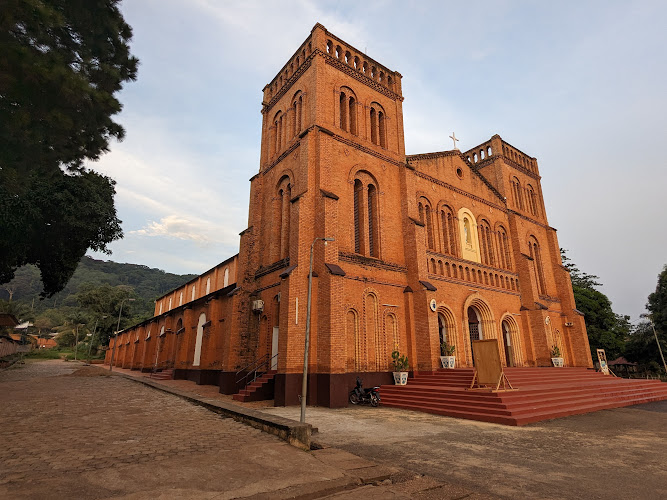
Notre-Dame of Bangui Cathedral
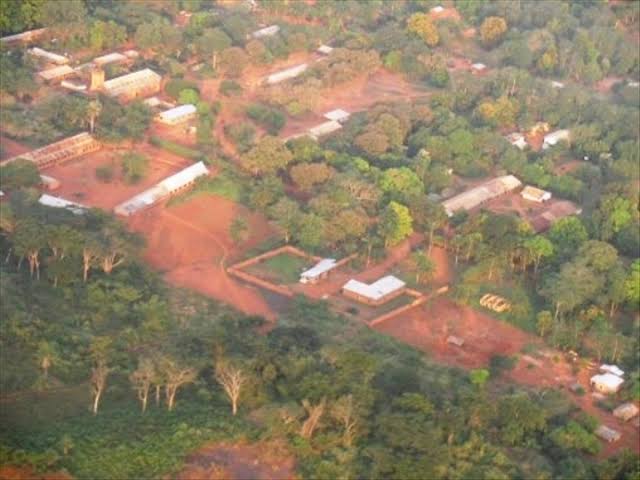
Bangassou
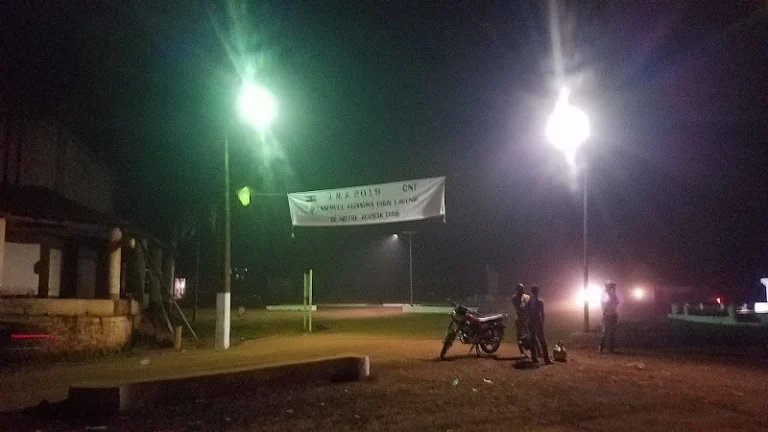
Bambari
Find Accommodations Nearby
Recommended Tours & Activities
Visitor Reviews
There are no reviews yet. Be the first one to write one.
Share Your Experience
Have you visited Berbérati? Help other travelers by leaving a review.