
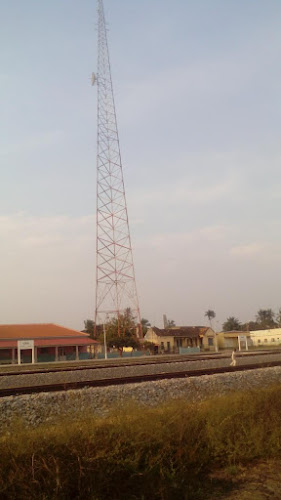
Benguela Province
About Benguela Province
Description
Benguela Province stretches along Angola's Atlantic coastline, and honestly, it's one of those places that doesn't get nearly enough attention in travel circles. Covering roughly 39,826 square kilometres, this western province shares its borders with Cuanza Sul, Namibe, Huila, and Huambo - basically sitting in a prime position that blends coastal beauty with access to Angola's interior highlands. The province takes its name from its capital city, also called Benguela, which has been around since 1617 when Portuguese colonizers established it as a trading post. But the area's story goes way deeper than that colonial history. What really makes this province interesting is how it straddles different worlds - you've got the cool Benguela Current sweeping up from the south, creating this unique microclimate along the coast, while just inland the landscape shifts dramatically into plateaus and eventually mountainous terrain. I've always found coastal provinces in Africa particularly fascinating because they tell stories of trade, movement, and cultural exchange that landlocked areas simply can't match. Benguela is no exception. The Atlantic here isn't just scenery - it shaped everything from the local economy to the architecture to the food culture. And you can still see Portuguese colonial influence everywhere you look, though modern Angola is very much asserting its own identity these days. The province isn't exactly crawling with tourists, which depending on your perspective is either a drawback or the best news you've heard all day. If you're the type who prefers your travel experiences without crowds and Instagram influencers staging photos every five minutes, Benguela might just be your kind of place. The infrastructure is developing but it's not ultra-polished yet, so you'll need a bit of that adventurous spirit.Key Features
The province offers several distinctive characteristics that set it apart from other Angolan destinations: • The Benguela Railway - this historic line once connected the Atlantic coast all the way to the interior and even into the Democratic Republic of Congo. Parts of it are being restored and it represents a fascinating piece of engineering and colonial-era history • Praia Morena and other coastal beaches that remain largely uncommercialized, offering genuine stretches of Atlantic shoreline without the resort development you'd find in more touristy African coastal destinations • The city of Lobito with its natural bay harbour - one of the finest deep-water ports in southwestern Africa and a working harbor that gives you real insight into Angola's economy • Baía Azul, a bay area near Benguela city that locals flock to on weekends for swimming and relaxation, giving visitors a chance to experience Angolan leisure culture firsthand • Colonial-era architecture throughout Benguela city, including churches and administrative buildings that show Portuguese influence blended with tropical adaptation • The Cavaco area and its surroundings, where traditional fishing communities still operate much as they have for generations • Access to varied ecosystems - from coastal zones to semi-arid interior areas, creating opportunities for different types of natural observation • Local markets where Angolan daily life unfolds authentically, from fish markets along the coast to produce markets showcasing regional agriculture • The cooler climate compared to other tropical African coastal areas, thanks to the Benguela Current bringing cold water up from Antarctic regions • Relatively low tourism development, meaning you'll interact more with actual residents going about their lives rather than a tourism-focused service economyBest Time to Visit
Timing your visit to Benguela requires understanding its somewhat unusual climate pattern. The Benguela Current creates what's called a coastal desert climate in many areas - you'd think being right on the ocean in tropical Africa would mean steamy heat, but that current brings cooler temperatures and less rainfall than you'd expect. The cooler, drier season runs from May through September, and this is generally when most travelers find conditions most comfortable. Temperatures during these months hover in the low to mid-20s Celsius (roughly 68-75°F), which is pretty pleasant for exploring. The ocean will be chilly though - that Benguela Current doesn't mess around. If you're planning to swim, you'll want to mentally prepare yourself or bring a wetsuit. October through April brings warmer temperatures and more humidity, with occasional rainfall. But here's the thing - "rainy season" in Benguela isn't like rainy season in equatorial regions. You're not looking at daily downpours necessarily. It's more sporadic, though when it does rain, it can come down pretty good. I'd personally lean toward visiting between May and August if I wanted the most comfortable weather conditions. September and October can also be really nice - you get warming temperatures but haven't hit the full humid season yet. Plus you might catch some local festivals and cultural events that happen during this time. One practical consideration: Angola's tourism infrastructure improves steadily but slowly. Visiting during the drier months means better road conditions if you're planning to venture outside the main urban areas. Some rural routes become challenging during wetter periods, particularly if you're heading inland toward the provincial borders with Huambo or Huila. Keep in mind that Benguela doesn't really experience a "high season" crush of tourists like you'd find in more established destinations. So you're not going to save a ton of money visiting during less optimal weather - the pricing stays relatively stable year-round. Might as well pick the weather you prefer.How to Get There
Getting to Benguela Province typically involves first arriving in Angola, which for most international travelers means flying into Luanda's Quatro de Fevereiro International Airport. From there, you've got a few options, each with their own advantages and challenges. The most straightforward approach is booking a domestic flight from Luanda to Benguela. TAAG Angola Airlines operates regular flights that take about an hour - way better than the alternative. The airport in Benguela serves the province adequately, though don't expect a massive international hub experience. But here's where it gets interesting. Some travelers actually fly into Lobito instead, which also has an airport and sits just north of Benguela city. The cities are close enough that choosing between them mostly depends on which has better flight times and prices when you're booking. There's regular ground transport between the two cities anyway. Road travel from Luanda is technically possible, and the roughly 700 kilometers can be covered in a very long day of driving. The main highway has seen improvements in recent years, but this is still Angola - road conditions vary, and you'll want a decent vehicle. I wouldn't recommend this option for first-time visitors unless you're particularly adventurous or making stops along the way as part of a longer Angolan road trip. Some travelers enter Angola through Namibia to the south, which puts them relatively closer to Benguela than flying through Luanda would. If you're already exploring southern Africa, the land border crossings from Namibia into Angola's Cunene Province mean you could road trip up through Namibe Province into Benguela. This requires solid planning, appropriate vehicle, and understanding of border procedures. Once you're actually in the province, getting around requires some planning. Benguela city and Lobito have taxis and informal transport options. For venturing to beaches or rural areas, you'll probably want to arrange a driver or rent a vehicle - preferably something with decent clearance. Public transport exists but operates on local logic that takes some getting used to.Tips for Visiting
Visiting Benguela Province rewards preparation and the right mindset. This isn't a destination where you can just wing it entirely, but it's also not so challenging that you need military-level planning. First off, visa requirements for Angola remain fairly strict. Most nationalities need to secure visas before arrival, and the process can take time. Start this well in advance of your intended travel dates. The bureaucracy is real, and trying to rush an Angolan visa rarely ends well. Currency matters here more than in some African destinations. Angola uses the kwanza, and while US dollars are sometimes accepted in hotels and larger establishments, you'll need local currency for most transactions. ATMs exist in the cities but can be temperamental. Bringing some US dollars to exchange is smart, but check the current regulations about how much foreign currency you can bring in. Portuguese is the official language, and outside major hotels, English speakers are uncommon. Learning some basic Portuguese phrases will genuinely enhance your experience and show respect for local culture. Even butchered Portuguese is better than assuming everyone speaks English. Safety-wise, Benguela is generally calmer than some other Angolan provinces, but standard precautions apply. Don't flash expensive equipment around unnecessarily, be aware of your surroundings, and avoid walking alone late at night in unfamiliar areas. The province isn't particularly dangerous, but Angola went through decades of civil war, and some areas still have unexploded ordinance off main paths. Stick to established roads and populated areas. Accommodation in Benguela city and Lobito ranges from basic guesthouses to decent hotels. Book ahead if possible, especially if you're visiting during any local events or business travel periods. The oil industry brings workers through regularly, and sometimes hotels fill up unexpectedly. Food is one of those underrated aspects of visiting Angola. The seafood along the coast is excellent - fresh fish, prawns, and lobster prepared in Portuguese-African fusion styles. Try calulu (a fish stew), muamba de galinha (chicken in palm oil sauce), and the local fresh catch prepared however the chef recommends. Street food exists but use your judgment about vendor hygiene if you have a sensitive stomach. Photography can be sensitive in Angola. Government buildings, military installations, and airports shouldn't be photographed. Always ask permission before photographing people - this is basic respect anywhere, but particularly important in places without heavy tourism where locals aren't accustomed to cameras pointing at them constantly. The internet connection is improving but don't expect blazing fast wifi everywhere. Prepare accordingly if you need to stay connected for work or other reasons. Local SIM cards are available if you have an unlocked phone. Lastly, bring some patience and flexibility. Things don't always run on schedule, services that supposedly exist might not be available when you need them, and plans sometimes need to change. That's part of traveling in developing destinations. The travelers who enjoy Benguela most are those who can roll with unexpected situations and see them as part of the adventure rather than frustrating obstacles.Key Features
- Atlantic coastline with long sandy beaches and fishing towns
- Colonial-era architecture and historic Benguela city center
- Agricultural interior producing coffee, maize and fruits
- Access to nearby Namibe’s deserts and Huambo’s highlands
- Local markets, music traditions and seafood cuisine
More Details
Updated March 30, 2026
Table of Contents
Description
Benguela Province stretches along Angola’s Atlantic coastline, and honestly, it’s one of those places that doesn’t get nearly enough attention in travel circles. Covering roughly 39,826 square kilometres, this western province shares its borders with Cuanza Sul, Namibe, Huila, and Huambo – basically sitting in a prime position that blends coastal beauty with access to Angola’s interior highlands.
The province takes its name from its capital city, also called Benguela, which has been around since 1617 when Portuguese colonizers established it as a trading post. But the area’s story goes way deeper than that colonial history. What really makes this province interesting is how it straddles different worlds – you’ve got the cool Benguela Current sweeping up from the south, creating this unique microclimate along the coast, while just inland the landscape shifts dramatically into plateaus and eventually mountainous terrain.
I’ve always found coastal provinces in Africa particularly fascinating because they tell stories of trade, movement, and cultural exchange that landlocked areas simply can’t match. Benguela is no exception. The Atlantic here isn’t just scenery – it shaped everything from the local economy to the architecture to the food culture. And you can still see Portuguese colonial influence everywhere you look, though modern Angola is very much asserting its own identity these days.
The province isn’t exactly crawling with tourists, which depending on your perspective is either a drawback or the best news you’ve heard all day. If you’re the type who prefers your travel experiences without crowds and Instagram influencers staging photos every five minutes, Benguela might just be your kind of place. The infrastructure is developing but it’s not ultra-polished yet, so you’ll need a bit of that adventurous spirit.
Key Features
The province offers several distinctive characteristics that set it apart from other Angolan destinations:
• The Benguela Railway – this historic line once connected the Atlantic coast all the way to the interior and even into the Democratic Republic of Congo. Parts of it are being restored and it represents a fascinating piece of engineering and colonial-era history
• Praia Morena and other coastal beaches that remain largely uncommercialized, offering genuine stretches of Atlantic shoreline without the resort development you’d find in more touristy African coastal destinations
• The city of Lobito with its natural bay harbour – one of the finest deep-water ports in southwestern Africa and a working harbor that gives you real insight into Angola’s economy
• Baía Azul, a bay area near Benguela city that locals flock to on weekends for swimming and relaxation, giving visitors a chance to experience Angolan leisure culture firsthand
• Colonial-era architecture throughout Benguela city, including churches and administrative buildings that show Portuguese influence blended with tropical adaptation
• The Cavaco area and its surroundings, where traditional fishing communities still operate much as they have for generations
• Access to varied ecosystems – from coastal zones to semi-arid interior areas, creating opportunities for different types of natural observation
• Local markets where Angolan daily life unfolds authentically, from fish markets along the coast to produce markets showcasing regional agriculture
• The cooler climate compared to other tropical African coastal areas, thanks to the Benguela Current bringing cold water up from Antarctic regions
• Relatively low tourism development, meaning you’ll interact more with actual residents going about their lives rather than a tourism-focused service economy
Best Time to Visit
Timing your visit to Benguela requires understanding its somewhat unusual climate pattern. The Benguela Current creates what’s called a coastal desert climate in many areas – you’d think being right on the ocean in tropical Africa would mean steamy heat, but that current brings cooler temperatures and less rainfall than you’d expect.
The cooler, drier season runs from May through September, and this is generally when most travelers find conditions most comfortable. Temperatures during these months hover in the low to mid-20s Celsius (roughly 68-75°F), which is pretty pleasant for exploring. The ocean will be chilly though – that Benguela Current doesn’t mess around. If you’re planning to swim, you’ll want to mentally prepare yourself or bring a wetsuit.
October through April brings warmer temperatures and more humidity, with occasional rainfall. But here’s the thing – “rainy season” in Benguela isn’t like rainy season in equatorial regions. You’re not looking at daily downpours necessarily. It’s more sporadic, though when it does rain, it can come down pretty good.
I’d personally lean toward visiting between May and August if I wanted the most comfortable weather conditions. September and October can also be really nice – you get warming temperatures but haven’t hit the full humid season yet. Plus you might catch some local festivals and cultural events that happen during this time.
One practical consideration: Angola’s tourism infrastructure improves steadily but slowly. Visiting during the drier months means better road conditions if you’re planning to venture outside the main urban areas. Some rural routes become challenging during wetter periods, particularly if you’re heading inland toward the provincial borders with Huambo or Huila.
Keep in mind that Benguela doesn’t really experience a “high season” crush of tourists like you’d find in more established destinations. So you’re not going to save a ton of money visiting during less optimal weather – the pricing stays relatively stable year-round. Might as well pick the weather you prefer.
How to Get There
Getting to Benguela Province typically involves first arriving in Angola, which for most international travelers means flying into Luanda’s Quatro de Fevereiro International Airport. From there, you’ve got a few options, each with their own advantages and challenges.
The most straightforward approach is booking a domestic flight from Luanda to Benguela. TAAG Angola Airlines operates regular flights that take about an hour – way better than the alternative. The airport in Benguela serves the province adequately, though don’t expect a massive international hub experience.
But here’s where it gets interesting. Some travelers actually fly into Lobito instead, which also has an airport and sits just north of Benguela city. The cities are close enough that choosing between them mostly depends on which has better flight times and prices when you’re booking. There’s regular ground transport between the two cities anyway.
Road travel from Luanda is technically possible, and the roughly 700 kilometers can be covered in a very long day of driving. The main highway has seen improvements in recent years, but this is still Angola – road conditions vary, and you’ll want a decent vehicle. I wouldn’t recommend this option for first-time visitors unless you’re particularly adventurous or making stops along the way as part of a longer Angolan road trip.
Some travelers enter Angola through Namibia to the south, which puts them relatively closer to Benguela than flying through Luanda would. If you’re already exploring southern Africa, the land border crossings from Namibia into Angola’s Cunene Province mean you could road trip up through Namibe Province into Benguela. This requires solid planning, appropriate vehicle, and understanding of border procedures.
Once you’re actually in the province, getting around requires some planning. Benguela city and Lobito have taxis and informal transport options. For venturing to beaches or rural areas, you’ll probably want to arrange a driver or rent a vehicle – preferably something with decent clearance. Public transport exists but operates on local logic that takes some getting used to.
Tips for Visiting
Visiting Benguela Province rewards preparation and the right mindset. This isn’t a destination where you can just wing it entirely, but it’s also not so challenging that you need military-level planning.
First off, visa requirements for Angola remain fairly strict. Most nationalities need to secure visas before arrival, and the process can take time. Start this well in advance of your intended travel dates. The bureaucracy is real, and trying to rush an Angolan visa rarely ends well.
Currency matters here more than in some African destinations. Angola uses the kwanza, and while US dollars are sometimes accepted in hotels and larger establishments, you’ll need local currency for most transactions. ATMs exist in the cities but can be temperamental. Bringing some US dollars to exchange is smart, but check the current regulations about how much foreign currency you can bring in.
Portuguese is the official language, and outside major hotels, English speakers are uncommon. Learning some basic Portuguese phrases will genuinely enhance your experience and show respect for local culture. Even butchered Portuguese is better than assuming everyone speaks English.
Safety-wise, Benguela is generally calmer than some other Angolan provinces, but standard precautions apply. Don’t flash expensive equipment around unnecessarily, be aware of your surroundings, and avoid walking alone late at night in unfamiliar areas. The province isn’t particularly dangerous, but Angola went through decades of civil war, and some areas still have unexploded ordinance off main paths. Stick to established roads and populated areas.
Accommodation in Benguela city and Lobito ranges from basic guesthouses to decent hotels. Book ahead if possible, especially if you’re visiting during any local events or business travel periods. The oil industry brings workers through regularly, and sometimes hotels fill up unexpectedly.
Food is one of those underrated aspects of visiting Angola. The seafood along the coast is excellent – fresh fish, prawns, and lobster prepared in Portuguese-African fusion styles. Try calulu (a fish stew), muamba de galinha (chicken in palm oil sauce), and the local fresh catch prepared however the chef recommends. Street food exists but use your judgment about vendor hygiene if you have a sensitive stomach.
Photography can be sensitive in Angola. Government buildings, military installations, and airports shouldn’t be photographed. Always ask permission before photographing people – this is basic respect anywhere, but particularly important in places without heavy tourism where locals aren’t accustomed to cameras pointing at them constantly.
The internet connection is improving but don’t expect blazing fast wifi everywhere. Prepare accordingly if you need to stay connected for work or other reasons. Local SIM cards are available if you have an unlocked phone.
Lastly, bring some patience and flexibility. Things don’t always run on schedule, services that supposedly exist might not be available when you need them, and plans sometimes need to change. That’s part of traveling in developing destinations. The travelers who enjoy Benguela most are those who can roll with unexpected situations and see them as part of the adventure rather than frustrating obstacles.
Key Highlights
- Atlantic coastline with long sandy beaches and fishing towns
- Colonial-era architecture and historic Benguela city center
- Agricultural interior producing coffee, maize and fruits
- Access to nearby Namibe’s deserts and Huambo’s highlands
- Local markets, music traditions and seafood cuisine
Location
Places to Stay Near Benguela Province
Find and Book a Tour
Explore More Travel Guides
No reviews found! Be the first to review!
Benguela Province is a prominent Attractions located in AO.
Traveler Reviews for Benguela Province
There are no reviews yet. Be the first one to write one.
Have you visited Benguela Province? Help other travelers by sharing your review.
Nearby Attractions
You Might Also Like

Lobito Bay

Huambo Province

Cabinda Province
Find Accommodations Nearby
Recommended Tours & Activities
Visitor Reviews
There are no reviews yet. Be the first one to write one.
Share Your Experience
Have you visited Benguela Province? Help other travelers by leaving a review.