
Bến Tre
About Bến Tre
Description
Bến Tre, tucked away in the heart of Vietnam’s Mekong Delta, is the kind of place that sneaks up on you. It doesn’t shout for attention like some of Vietnam’s bigger cities — it hums quietly, with the rhythm of the river and the rustle of coconut palms. The city, now officially part of Vĩnh Long Province since the 2025 administrative merge, still holds onto that small-town charm that makes it feel worlds away from the chaos of Saigon. You can almost taste the sweetness in the air — maybe it’s the coconuts, maybe it’s the people. Either way, there’s something about Bến Tre that feels honest and unhurried.
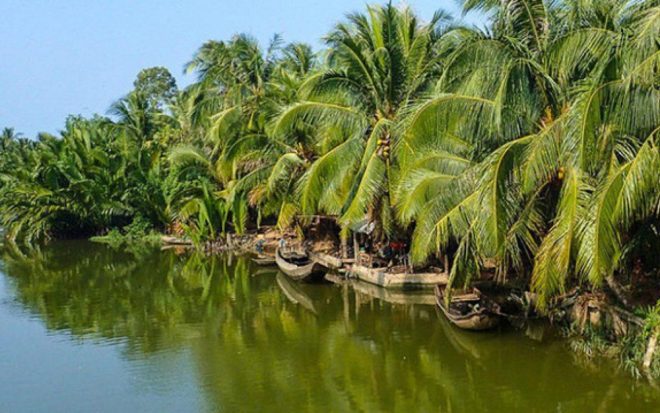
Locals often call it the “Land of Coconuts,” and they’re not exaggerating. Coconut trees stretch as far as the eye can see, lining narrow waterways where boats glide slowly past floating houses and tiny workshops. It’s a place where the Mekong’s many branches weave a maze of life — fishermen casting nets at dawn, children cycling along dusty paths, and vendors balancing baskets of fruit that look too perfect to be real. I remember sitting on a rickety wooden pier once, sipping fresh coconut juice straight from the shell, and thinking: this is what slowing down feels like.
The city itself is modest but full of character. The central market buzzes with energy — stalls piled high with tropical fruits, dried fish, and handwoven mats. You’ll find little cafes tucked between colonial-era buildings, where the coffee is strong enough to wake the dead and the conversations flow easily. And while Bến Tre doesn’t have the grand temples or high-rise skylines of other cities, it has something better — authenticity. It’s Vietnam as it really is, not the polished version you see on postcards.
Key Features
- Coconut Kingdom: Bến Tre is Vietnam’s top coconut-producing region, famous for its coconut candy factories and coconut-based handicrafts.
- Mekong River Life: The city’s network of rivers and canals offers scenic boat rides through lush mangroves and stilted villages.
- Local Markets: Traditional markets brim with fresh produce, handmade goods, and local delicacies like bánh xèo (crispy pancakes) and coconut caramel.
- Eco-Tourism: Visitors can explore fruit orchards, homestays, and eco-lodges that give a glimpse into rural Vietnamese life.
- Historical Sites: The Đồng Khởi Museum and local temples tell stories of the region’s revolutionary past and deep-rooted traditions.
- Friendly Locals: People here are genuinely welcoming, often inviting travelers to join them for tea or a home-cooked meal.
Best Time to Visit
If you ask me, the best time to visit Bến Tre is between December and April. That’s the dry season, when the skies are clear, the humidity is bearable, and the rivers are calm enough for long boat rides. You’ll get that golden sunlight that makes everything — from the palm leaves to the riverbanks — glow like a painting. The rainy season (May to November) has its own charm too, especially if you don’t mind the occasional downpour. The rain brings the delta to life — everything turns greener, the air smells fresher, and the rivers swell with energy. Just bring a good raincoat and a sense of humor.
I once visited in late May and got caught in a sudden rainstorm while cycling through a coconut grove. Instead of rushing for cover, a local family waved me into their home, handed me a towel, and served me hot tea. We ended up laughing about my soaked clothes for an hour. That’s Bến Tre for you — unpredictable weather, but warm hearts everywhere you go.
How to Get There
Getting to Bến Tre is easier than it used to be. From Ho Chi Minh City, it’s about a two-hour drive — roughly 85 kilometers southwest. Buses leave regularly from the city’s main terminals, and private car services can get you there faster if you prefer a bit more comfort. The road trip itself is part of the fun; you’ll pass endless rice paddies, small roadside cafes, and the occasional water buffalo wandering by.
If you’re feeling adventurous, you can also reach Bến Tre by motorbike. The route along National Highway 60 is scenic and gives you a real taste of the countryside. For those traveling from further south, ferries and local boats connect Bến Tre with other Mekong Delta provinces like Trà Vinh and Cần Thơ. Once you arrive, getting around is simple — bicycles, motorbikes, or even small boats are the best ways to explore.
Personally, I love renting a bicycle from a local guesthouse and just pedaling aimlessly through the backroads. You’ll stumble upon hidden temples, tiny bridges, and families drying coconut husks in the sun. There’s no rush here — and that’s exactly the point.
Tips for Visiting
Before you pack your bags, here are a few things worth keeping in mind. First, cash is king in Bến Tre. While larger hotels and cafes may accept cards, most local spots don’t. Vietnamese dong goes a long way here, so carry small bills for tuk-tuks, snacks, and souvenirs.
Second, don’t underestimate the sun. Even on cloudy days, the heat can sneak up on you. Bring sunscreen, a hat, and drink plenty of water — coconut water counts, right? Also, insect repellent is a must, especially if you’re planning to explore the rural areas or stay overnight near the river.
If you’re the kind of traveler who loves connecting with locals, consider staying in a homestay rather than a hotel. You’ll get home-cooked meals, stories from your hosts, and maybe even a chance to join them in making coconut candy or rowing a sampan. And don’t worry if you don’t speak Vietnamese — smiles go a long way here.
One more thing: take your time. Bến Tre isn’t a place to rush through. It’s about slowing down, breathing in the scent of coconut and river mud, and letting the gentle pace of the delta sink in. If you’re lucky, you might even catch one of the local festivals — colorful parades, folk music, and food stalls that seem to appear out of nowhere.
And here’s a small suggestion from someone who’s been there more than once: wake up early. The mornings in Bến Tre are magical — mist rising from the river, roosters crowing, and the first boats heading out with baskets full of fruit. It’s quiet, peaceful, and somehow grounding. It reminds you that sometimes, the best adventures aren’t about ticking off sights, but about being present in the moment.
So, if you’re looking for a slice of Vietnam that still feels raw and real, Bến Tre is it. It’s not flashy, but it’s full of life — the kind that seeps into your skin and stays with you long after you’ve left. Whether you’re here for a day or a week, you’ll find yourself slowing down, smiling more, and maybe, just maybe, thinking about coming back.
Key Features
- Key Features
- Best Time to Visit
- How to Get There
- Tips for Visiting
More Details
Updated October 10, 2025
Table of Contents
Description
Bến Tre, tucked away in the heart of Vietnam’s Mekong Delta, is the kind of place that sneaks up on you. It doesn’t shout for attention like some of Vietnam’s bigger cities — it hums quietly, with the rhythm of the river and the rustle of coconut palms. The city, now officially part of Vĩnh Long Province since the 2025 administrative merge, still holds onto that small-town charm that makes it feel worlds away from the chaos of Saigon. You can almost taste the sweetness in the air — maybe it’s the coconuts, maybe it’s the people. Either way, there’s something about Bến Tre that feels honest and unhurried.
Locals often call it the “Land of Coconuts,” and they’re not exaggerating. Coconut trees stretch as far as the eye can see, lining narrow waterways where boats glide slowly past floating houses and tiny workshops. It’s a place where the Mekong’s many branches weave a maze of life — fishermen casting nets at dawn, children cycling along dusty paths, and vendors balancing baskets of fruit that look too perfect to be real. I remember sitting on a rickety wooden pier once, sipping fresh coconut juice straight from the shell, and thinking: this is what slowing down feels like.
The city itself is modest but full of character. The central market buzzes with energy — stalls piled high with tropical fruits, dried fish, and handwoven mats. You’ll find little cafes tucked between colonial-era buildings, where the coffee is strong enough to wake the dead and the conversations flow easily. And while Bến Tre doesn’t have the grand temples or high-rise skylines of other cities, it has something better — authenticity. It’s Vietnam as it really is, not the polished version you see on postcards.
Key Features
- Coconut Kingdom: Bến Tre is Vietnam’s top coconut-producing region, famous for its coconut candy factories and coconut-based handicrafts.
- Mekong River Life: The city’s network of rivers and canals offers scenic boat rides through lush mangroves and stilted villages.
- Local Markets: Traditional markets brim with fresh produce, handmade goods, and local delicacies like bánh xèo (crispy pancakes) and coconut caramel.
- Eco-Tourism: Visitors can explore fruit orchards, homestays, and eco-lodges that give a glimpse into rural Vietnamese life.
- Historical Sites: The Đồng Khởi Museum and local temples tell stories of the region’s revolutionary past and deep-rooted traditions.
- Friendly Locals: People here are genuinely welcoming, often inviting travelers to join them for tea or a home-cooked meal.
Best Time to Visit
If you ask me, the best time to visit Bến Tre is between December and April. That’s the dry season, when the skies are clear, the humidity is bearable, and the rivers are calm enough for long boat rides. You’ll get that golden sunlight that makes everything — from the palm leaves to the riverbanks — glow like a painting. The rainy season (May to November) has its own charm too, especially if you don’t mind the occasional downpour. The rain brings the delta to life — everything turns greener, the air smells fresher, and the rivers swell with energy. Just bring a good raincoat and a sense of humor.
I once visited in late May and got caught in a sudden rainstorm while cycling through a coconut grove. Instead of rushing for cover, a local family waved me into their home, handed me a towel, and served me hot tea. We ended up laughing about my soaked clothes for an hour. That’s Bến Tre for you — unpredictable weather, but warm hearts everywhere you go.
How to Get There
Getting to Bến Tre is easier than it used to be. From Ho Chi Minh City, it’s about a two-hour drive — roughly 85 kilometers southwest. Buses leave regularly from the city’s main terminals, and private car services can get you there faster if you prefer a bit more comfort. The road trip itself is part of the fun; you’ll pass endless rice paddies, small roadside cafes, and the occasional water buffalo wandering by.
If you’re feeling adventurous, you can also reach Bến Tre by motorbike. The route along National Highway 60 is scenic and gives you a real taste of the countryside. For those traveling from further south, ferries and local boats connect Bến Tre with other Mekong Delta provinces like Trà Vinh and Cần Thơ. Once you arrive, getting around is simple — bicycles, motorbikes, or even small boats are the best ways to explore.
Personally, I love renting a bicycle from a local guesthouse and just pedaling aimlessly through the backroads. You’ll stumble upon hidden temples, tiny bridges, and families drying coconut husks in the sun. There’s no rush here — and that’s exactly the point.
Tips for Visiting
Before you pack your bags, here are a few things worth keeping in mind. First, cash is king in Bến Tre. While larger hotels and cafes may accept cards, most local spots don’t. Vietnamese dong goes a long way here, so carry small bills for tuk-tuks, snacks, and souvenirs.
Second, don’t underestimate the sun. Even on cloudy days, the heat can sneak up on you. Bring sunscreen, a hat, and drink plenty of water — coconut water counts, right? Also, insect repellent is a must, especially if you’re planning to explore the rural areas or stay overnight near the river.
If you’re the kind of traveler who loves connecting with locals, consider staying in a homestay rather than a hotel. You’ll get home-cooked meals, stories from your hosts, and maybe even a chance to join them in making coconut candy or rowing a sampan. And don’t worry if you don’t speak Vietnamese — smiles go a long way here.
One more thing: take your time. Bến Tre isn’t a place to rush through. It’s about slowing down, breathing in the scent of coconut and river mud, and letting the gentle pace of the delta sink in. If you’re lucky, you might even catch one of the local festivals — colorful parades, folk music, and food stalls that seem to appear out of nowhere.
And here’s a small suggestion from someone who’s been there more than once: wake up early. The mornings in Bến Tre are magical — mist rising from the river, roosters crowing, and the first boats heading out with baskets full of fruit. It’s quiet, peaceful, and somehow grounding. It reminds you that sometimes, the best adventures aren’t about ticking off sights, but about being present in the moment.
So, if you’re looking for a slice of Vietnam that still feels raw and real, Bến Tre is it. It’s not flashy, but it’s full of life — the kind that seeps into your skin and stays with you long after you’ve left. Whether you’re here for a day or a week, you’ll find yourself slowing down, smiling more, and maybe, just maybe, thinking about coming back.
Key Highlights
- Key Features
- Best Time to Visit
- How to Get There
- Tips for Visiting
Location
Places to Stay Near Bến Tre
Find and Book a Tour
Explore More Travel Guides
No reviews found! Be the first to review!
Traveler Reviews for Bến Tre
There are no reviews yet. Be the first one to write one.
Have you visited Bến Tre? Help other travelers by sharing your review.
You Might Also Like

Vien Minh Pagoda

Khu Du Lịch Phú An Khang
Về Nhà Homestay
Find Accommodations Nearby
Recommended Tours & Activities
Visitor Reviews
There are no reviews yet. Be the first one to write one.
Share Your Experience
Have you visited Bến Tre? Help other travelers by leaving a review.