
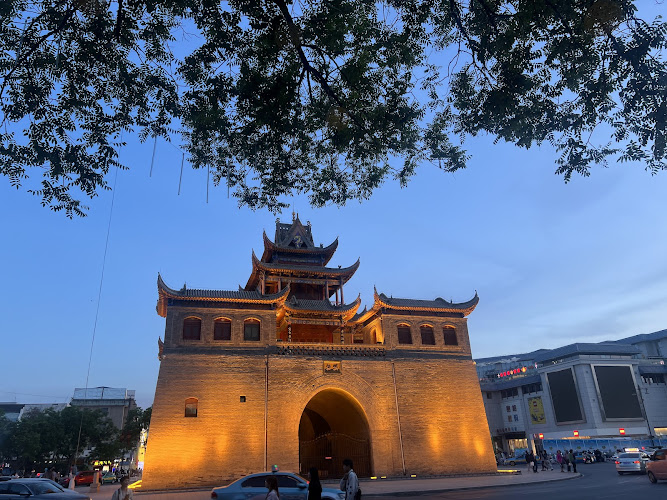
Bell Tower and Drum Tower
About Bell Tower and Drum Tower
Description
There’s a certain rhythm to Beijing that you can’t quite grasp until you stand between the Bell Tower and the Drum Tower. These two ancient guardians of time have been keeping watch over the city since the Yuan Dynasty in 1272, and they still hum with history. The Bell Tower, with its stately gray bricks and towering presence, once marked the official time of day for the entire city. Meanwhile, the Drum Tower, just a short stroll away, echoed through the capital with deep, resonant beats that signaled the hours. Together, they formed the heartbeat of old Beijing long before smartphones and wristwatches existed.
What I love most about these towers is how they embody the city’s layers—imperial precision, architectural mastery, and a dash of everyday life. You’ll see kids chasing pigeons in the courtyard, elderly locals practicing tai chi, and travelers craning their necks to admire the ancient wooden beams. It’s not just a historical site—it’s a living, breathing reminder of how time once ruled the rhythm of the city. And yes, it’s surprisingly kid-friendly. The climb up those steep stairs might make your legs burn a bit, but the panoramic view of Beijing’s hutongs from the top? Totally worth it.
The Bell Tower and Drum Tower aren’t just relics to photograph—they’re storytellers. Each drumbeat and bell chime once carried messages of dawn, dusk, and imperial ceremony. Even though modern Beijing has outgrown its need for such timekeeping, the towers still command respect. They’ve survived dynastic changes, fires, and restorations, yet they remain steadfast. There’s a quiet dignity about them, the kind that makes you pause and imagine what life was like centuries ago when their sound ruled the city’s daily rhythm.
Key Features
- Historic Significance: Built during the Yuan Dynasty, the towers served as Beijing’s official timekeeping center for centuries.
- Architectural Grandeur: The Drum Tower stands at about 47 meters, while the Bell Tower reaches 48 meters, both constructed with elegant brick and wood craftsmanship.
- Drum Performances: Visitors can enjoy live drum shows performed every hour, recreating the ancient rhythms that once marked the city’s time.
- Panoramic Views: Climb to the top for a sweeping view of Beijing’s old hutongs and the modern skyline beyond.
- Cultural Exhibitions: The Bell Tower hosts exhibitions exploring Chinese dragon culture and ancient musical instruments.
- Family Friendly: Spacious courtyards and engaging performances make it enjoyable for children and families.
If you’re into photography, bring your camera—the late afternoon light paints the towers in warm gold. And if you’re a history buff, you’ll find yourself geeking out over the intricate carvings and inscriptions. I remember visiting on a chilly winter morning; the air was crisp, and the sound of the drums echoed like thunder rolling over the rooftops. It gave me goosebumps. Sometimes, history just hits you like that.
Best Time to Visit
Honestly, any time of year has its charm, but spring and autumn are the sweet spots. The weather is mild, the skies are clearer, and you can wander around without melting or freezing. Early mornings are lovely if you prefer fewer crowds and a more peaceful vibe—plus, the soft light makes for stunning photos. If you go in the late afternoon, you’ll catch the towers glowing under the sunset before the city lights flicker on. Summer can get pretty hot and humid, and winter’s icy winds can bite, but both seasons have their own kind of magic. There’s something about hearing the drums echo through crisp winter air that feels timeless.
And here’s a small tip I learned the hard way: check the drum performance schedule before you go. Missing the show would be like visiting Paris and skipping the Eiffel Tower. The energy of the drummers, the synchronized beats—it’s mesmerizing. You’ll feel the rhythm in your chest.
How to Get There
Reaching the Bell and Drum Towers is pretty straightforward, especially if you’re already exploring central Beijing. The towers sit along the city’s old north-south axis, not far from the Forbidden City and Houhai Lake. The easiest way is by subway—hop off at the Gulou Dajie Station and follow the signs; it’s just a short walk from there. You can also take a taxi or bike if you’re feeling adventurous. I once rented a bike and pedaled through the hutongs to get there—it was chaotic, a bit sweaty, but absolutely worth it. You’ll see slices of daily life you’d miss otherwise: locals chatting at tea stalls, kids darting through alleys, and the occasional cat sunbathing on a scooter seat.
For those who love a bit of local flavor, try walking from Nanluoguxiang, a nearby alleyway filled with quirky shops and snack stalls. It’s about a 15-minute stroll, and you can grab a jianbing (a Chinese crepe) on the way. Trust me, it’s the perfect pre-tour snack.
Tips for Visiting
Visiting the Bell and Drum Towers isn’t complicated, but a few small tips can make your experience a lot smoother—and more memorable.
- Go Early: The towers open in the morning, and arriving early means fewer crowds and better photos.
- Wear Comfortable Shoes: The stairs are steep, and there are quite a few of them. Your calves might complain, but the view will thank you.
- Catch the Drum Show: Performances usually happen on the hour—don’t miss it!
- Bring Cash or a Card: Most ticket counters accept both, but it’s good to have options.
- Explore the Surroundings: The nearby hutongs are full of charming cafes, boutique shops, and little museums—perfect for a relaxed afternoon walk.
- Visit Both Towers: Many people see one and skip the other—don’t. They complement each other like yin and yang.
Here’s a little personal confession: I almost skipped the Bell Tower on my first visit because I thought, “How different can it be from the Drum Tower?” Big mistake. The Bell Tower has this calm, almost meditative energy, while the Drum Tower feels bold and powerful. Standing at the top of each gives you two completely different perspectives of Beijing—one serene, one dynamic. It’s like seeing two sides of the same ancient coin.
If you’re traveling with kids, they’ll love the drum performances and the open courtyards where they can roam safely. Just keep an eye on them around the stairs—they’re steep and narrow. And if you’re into history, spend a little extra time reading the exhibits. They explain how timekeeping evolved in ancient China, and honestly, it’s fascinating to realize how advanced the system was centuries ago.
Before you leave, take a moment to just stand between the two towers and listen. You might hear the faint echo of a drumbeat or the whisper of a bell. It’s as if the city itself is breathing through these ancient structures. And that’s the real magic of the Bell and Drum Towers—they don’t just show you history; they let you feel it.
So, whether you’re a first-time traveler or a repeat visitor to Beijing, make sure to carve out a couple of hours to explore these towers. They’re more than just monuments—they’re living symbols of time, tradition, and resilience. And when you climb down those stairs, legs trembling but heart full, you’ll understand why these towers have stood tall for over seven centuries. They remind us that while time marches on, some things are simply timeless.
Key Features
- Key Features
- Best Time to Visit
- How to Get There
- Tips for Visiting
More Details
Updated October 11, 2025
Table of Contents
Description
There’s a certain rhythm to Beijing that you can’t quite grasp until you stand between the Bell Tower and the Drum Tower. These two ancient guardians of time have been keeping watch over the city since the Yuan Dynasty in 1272, and they still hum with history. The Bell Tower, with its stately gray bricks and towering presence, once marked the official time of day for the entire city. Meanwhile, the Drum Tower, just a short stroll away, echoed through the capital with deep, resonant beats that signaled the hours. Together, they formed the heartbeat of old Beijing long before smartphones and wristwatches existed.
What I love most about these towers is how they embody the city’s layers—imperial precision, architectural mastery, and a dash of everyday life. You’ll see kids chasing pigeons in the courtyard, elderly locals practicing tai chi, and travelers craning their necks to admire the ancient wooden beams. It’s not just a historical site—it’s a living, breathing reminder of how time once ruled the rhythm of the city. And yes, it’s surprisingly kid-friendly. The climb up those steep stairs might make your legs burn a bit, but the panoramic view of Beijing’s hutongs from the top? Totally worth it.
The Bell Tower and Drum Tower aren’t just relics to photograph—they’re storytellers. Each drumbeat and bell chime once carried messages of dawn, dusk, and imperial ceremony. Even though modern Beijing has outgrown its need for such timekeeping, the towers still command respect. They’ve survived dynastic changes, fires, and restorations, yet they remain steadfast. There’s a quiet dignity about them, the kind that makes you pause and imagine what life was like centuries ago when their sound ruled the city’s daily rhythm.
Key Features
- Historic Significance: Built during the Yuan Dynasty, the towers served as Beijing’s official timekeeping center for centuries.
- Architectural Grandeur: The Drum Tower stands at about 47 meters, while the Bell Tower reaches 48 meters, both constructed with elegant brick and wood craftsmanship.
- Drum Performances: Visitors can enjoy live drum shows performed every hour, recreating the ancient rhythms that once marked the city’s time.
- Panoramic Views: Climb to the top for a sweeping view of Beijing’s old hutongs and the modern skyline beyond.
- Cultural Exhibitions: The Bell Tower hosts exhibitions exploring Chinese dragon culture and ancient musical instruments.
- Family Friendly: Spacious courtyards and engaging performances make it enjoyable for children and families.
If you’re into photography, bring your camera—the late afternoon light paints the towers in warm gold. And if you’re a history buff, you’ll find yourself geeking out over the intricate carvings and inscriptions. I remember visiting on a chilly winter morning; the air was crisp, and the sound of the drums echoed like thunder rolling over the rooftops. It gave me goosebumps. Sometimes, history just hits you like that.
Best Time to Visit
Honestly, any time of year has its charm, but spring and autumn are the sweet spots. The weather is mild, the skies are clearer, and you can wander around without melting or freezing. Early mornings are lovely if you prefer fewer crowds and a more peaceful vibe—plus, the soft light makes for stunning photos. If you go in the late afternoon, you’ll catch the towers glowing under the sunset before the city lights flicker on. Summer can get pretty hot and humid, and winter’s icy winds can bite, but both seasons have their own kind of magic. There’s something about hearing the drums echo through crisp winter air that feels timeless.
And here’s a small tip I learned the hard way: check the drum performance schedule before you go. Missing the show would be like visiting Paris and skipping the Eiffel Tower. The energy of the drummers, the synchronized beats—it’s mesmerizing. You’ll feel the rhythm in your chest.
How to Get There
Reaching the Bell and Drum Towers is pretty straightforward, especially if you’re already exploring central Beijing. The towers sit along the city’s old north-south axis, not far from the Forbidden City and Houhai Lake. The easiest way is by subway—hop off at the Gulou Dajie Station and follow the signs; it’s just a short walk from there. You can also take a taxi or bike if you’re feeling adventurous. I once rented a bike and pedaled through the hutongs to get there—it was chaotic, a bit sweaty, but absolutely worth it. You’ll see slices of daily life you’d miss otherwise: locals chatting at tea stalls, kids darting through alleys, and the occasional cat sunbathing on a scooter seat.
For those who love a bit of local flavor, try walking from Nanluoguxiang, a nearby alleyway filled with quirky shops and snack stalls. It’s about a 15-minute stroll, and you can grab a jianbing (a Chinese crepe) on the way. Trust me, it’s the perfect pre-tour snack.
Tips for Visiting
Visiting the Bell and Drum Towers isn’t complicated, but a few small tips can make your experience a lot smoother—and more memorable.
- Go Early: The towers open in the morning, and arriving early means fewer crowds and better photos.
- Wear Comfortable Shoes: The stairs are steep, and there are quite a few of them. Your calves might complain, but the view will thank you.
- Catch the Drum Show: Performances usually happen on the hour—don’t miss it!
- Bring Cash or a Card: Most ticket counters accept both, but it’s good to have options.
- Explore the Surroundings: The nearby hutongs are full of charming cafes, boutique shops, and little museums—perfect for a relaxed afternoon walk.
- Visit Both Towers: Many people see one and skip the other—don’t. They complement each other like yin and yang.
Here’s a little personal confession: I almost skipped the Bell Tower on my first visit because I thought, “How different can it be from the Drum Tower?” Big mistake. The Bell Tower has this calm, almost meditative energy, while the Drum Tower feels bold and powerful. Standing at the top of each gives you two completely different perspectives of Beijing—one serene, one dynamic. It’s like seeing two sides of the same ancient coin.
If you’re traveling with kids, they’ll love the drum performances and the open courtyards where they can roam safely. Just keep an eye on them around the stairs—they’re steep and narrow. And if you’re into history, spend a little extra time reading the exhibits. They explain how timekeeping evolved in ancient China, and honestly, it’s fascinating to realize how advanced the system was centuries ago.
Before you leave, take a moment to just stand between the two towers and listen. You might hear the faint echo of a drumbeat or the whisper of a bell. It’s as if the city itself is breathing through these ancient structures. And that’s the real magic of the Bell and Drum Towers—they don’t just show you history; they let you feel it.
So, whether you’re a first-time traveler or a repeat visitor to Beijing, make sure to carve out a couple of hours to explore these towers. They’re more than just monuments—they’re living symbols of time, tradition, and resilience. And when you climb down those stairs, legs trembling but heart full, you’ll understand why these towers have stood tall for over seven centuries. They remind us that while time marches on, some things are simply timeless.
Key Highlights
- Key Features
- Best Time to Visit
- How to Get There
- Tips for Visiting
Location
Places to Stay Near Bell Tower and Drum Tower
Find and Book a Tour
Explore More Travel Guides
No reviews found! Be the first to review!
Traveler Reviews for Bell Tower and Drum Tower
There are no reviews yet. Be the first one to write one.
Have you visited Bell Tower and Drum Tower? Help other travelers by sharing your review.
Find Accommodations Nearby
Recommended Tours & Activities
Visitor Reviews
There are no reviews yet. Be the first one to write one.
Share Your Experience
Have you visited Bell Tower and Drum Tower? Help other travelers by leaving a review.