
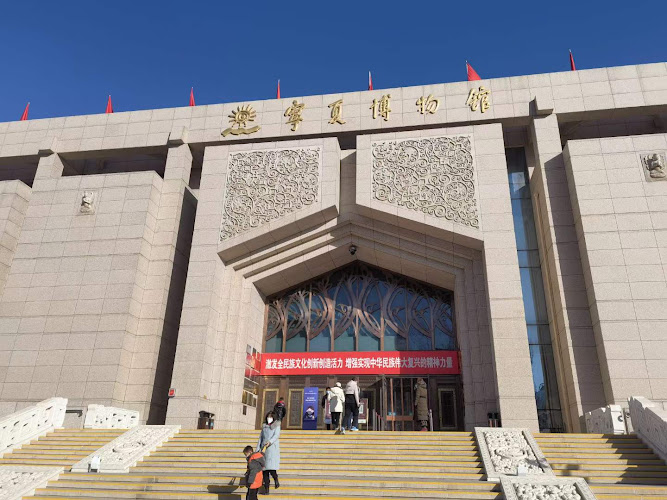
Ningxia Museum
About Ningxia Museum
Description
The Ningxia Museum in Yinchuan is one of those places that quietly takes you by surprise. It doesn’t scream for attention, but once you step inside, you realize it’s a treasure chest of stories that go back thousands of years. The museum is beautifully curated, with exhibits that trace the evolution of the Ningxia Hui Autonomous Region—from prehistoric settlements and ancient dynasties to the Silk Road era and modern cultural life. What I love most about it is the sense of calm that fills the space. You can wander through the halls without feeling rushed, soaking in the atmosphere and letting the history sink in at your own pace.
The building itself is impressive—modern, spacious, and thoughtfully designed to reflect the region’s character. Its architecture subtly nods to the Yellow River and the desert landscapes surrounding Yinchuan. Inside, the lighting is soft, the layout intuitive, and the displays are bilingual, which makes it easier for international visitors to follow along. I remember standing in front of a display of ancient jade ornaments and thinking how delicate yet enduring these artifacts are—just like the culture they represent. The museum’s approach isn’t flashy; it’s more about quiet storytelling, the kind that lingers with you long after you’ve left.
It’s also a very family-friendly place. Kids seem to love the prehistoric exhibits, especially the fossils and ancient tools that feel almost like something out of a movie. And for those who care about accessibility, the museum does a great job—there are wheelchair-accessible entrances and restrooms, and the staff are genuinely helpful. There’s a restroom on-site, but no restaurant, so it’s best to grab a bite before or after your visit. Honestly, that’s part of the charm; it keeps the focus on the experience rather than turning it into a commercial stop.
Key Features
- Extensive collection of over 40,000 artifacts, including prehistoric tools, jade works, ancient currencies, and early iron implements.
- Four floors of exhibitions covering history, culture, and art from the region’s earliest inhabitants to the modern era.
- Special exhibits highlighting the Silk Road connections and the unique blend of Han and Hui cultural influences.
- Interactive displays and multimedia presentations that make history feel alive and accessible.
- Wheelchair-accessible facilities and family-friendly layout suitable for visitors of all ages.
- Peaceful, well-maintained environment ideal for slow exploration and reflection.
What stands out most is how the museum manages to balance academic depth with approachability. You don’t need to be a historian to appreciate it. The storytelling is clear, and even the smallest artifacts have context that connects them to the bigger picture. I’ve been to many museums across China, but Ningxia Museum has a warmth that’s hard to describe—it feels personal, like the curators genuinely want you to understand their home.
Best Time to Visit
If you ask me, the best time to visit Ningxia Museum is during spring or autumn. The weather in Yinchuan during these seasons is mild and pleasant, which makes walking around the city before or after your museum visit much more comfortable. Summer can be quite hot and dry, while winter tends to be chilly, though the museum itself is climate-controlled and cozy year-round. Weekdays are quieter, so if you prefer a more contemplative experience, aim for a morning visit during the week. I once went on a Tuesday morning, and there were only a handful of visitors—it almost felt like I had the entire place to myself.
One thing I’ve noticed is that the museum often hosts temporary exhibitions in the cooler months, especially around national holidays or cultural festivals. These can include traveling art collections or special displays of archaeological finds. Checking ahead for those can really enhance your trip—it’s like getting a bonus experience on top of the permanent exhibits.
How to Get There
Reaching the museum is fairly straightforward. It’s located in the heart of Yinchuan’s Jinfeng District, not far from the city’s main square. If you’re staying downtown, a short taxi ride or a quick bus trip will get you there in under 15 minutes. Public transportation is reliable, and taxis are reasonably priced. For those who prefer a bit of walking, the surrounding area is pleasant and safe, with shaded sidewalks and a few small shops where you can grab water or snacks.
If you’re arriving from Yinchuan Hedong International Airport, it’s about a 30-minute drive, depending on traffic. I’d recommend using a navigation app or asking your hotel to write down the museum’s name in Chinese characters to show the driver—it just makes things smoother. There’s parking available nearby, though it can fill up on weekends, so getting there early is smart if you’re driving yourself.
Tips for Visiting
Here’s where a few insider tips can make your visit even better. First, plan to spend at least two hours inside. The museum isn’t massive, but it’s dense with detail, and rushing through would be a shame. If you’re the type who likes to read every caption (guilty as charged), you might easily stretch that to three hours. Bring a bottle of water—there’s no café inside, and you’ll appreciate having it on hand, especially in summer.
Photography is allowed in most areas, but flash is usually prohibited. Some of the lighting is low to protect the artifacts, so steady your camera or phone if you want clear shots. I’d also suggest starting from the top floor and working your way down; it gives a chronological flow to the exhibits, from ancient history to modern Ningxia. The museum shop near the exit is small but worth a look—there are some lovely local crafts and books that make meaningful souvenirs.
If you’re traveling with kids, make sure to stop by the interactive sections. They can touch replicas, watch short videos, and even try small activities that explain how ancient tools were made. I remember seeing a group of schoolchildren completely mesmerized by a digital map showing trade routes along the Silk Road—it’s the kind of thing that makes history come alive for young minds.
And here’s a personal tip: take a moment to step outside after your visit and look back at the building. The architecture, with its soft curves and earthy tones, feels almost symbolic of Ningxia itself—rooted in tradition but open to the future. It’s a quiet reminder that museums aren’t just about looking back; they’re about understanding where we come from so we can see where we’re going.
All in all, Ningxia Museum is more than just a stop on a sightseeing list. It’s a window into a region that has often been overlooked, yet holds a deep, layered history worth discovering. Whether you’re a history buff, a casual traveler, or someone simply curious about China’s lesser-known corners, this museum offers a genuine, thought-provoking experience. And isn’t that what travel is really about—finding stories that stay with you long after you’ve returned home?
Key Features
- Extensive collection of over 40,000 artifacts, including prehistoric tools, jade works, ancient currencies, and early iron implements.
- Four floors of exhibitions covering history, culture, and art from the region’s earliest inhabitants to the modern era.
- Special exhibits highlighting the Silk Road connections and the unique blend of Han and Hui cultural influences.
- Interactive displays and multimedia presentations that make history feel alive and accessible.
- Wheelchair-accessible facilities and family-friendly layout suitable for visitors of all ages.
- Peaceful, well-maintained environment ideal for slow exploration and reflection.
More Details
Updated October 11, 2025
Table of Contents
Description
The Ningxia Museum in Yinchuan is one of those places that quietly takes you by surprise. It doesn’t scream for attention, but once you step inside, you realize it’s a treasure chest of stories that go back thousands of years. The museum is beautifully curated, with exhibits that trace the evolution of the Ningxia Hui Autonomous Region—from prehistoric settlements and ancient dynasties to the Silk Road era and modern cultural life. What I love most about it is the sense of calm that fills the space. You can wander through the halls without feeling rushed, soaking in the atmosphere and letting the history sink in at your own pace.
The building itself is impressive—modern, spacious, and thoughtfully designed to reflect the region’s character. Its architecture subtly nods to the Yellow River and the desert landscapes surrounding Yinchuan. Inside, the lighting is soft, the layout intuitive, and the displays are bilingual, which makes it easier for international visitors to follow along. I remember standing in front of a display of ancient jade ornaments and thinking how delicate yet enduring these artifacts are—just like the culture they represent. The museum’s approach isn’t flashy; it’s more about quiet storytelling, the kind that lingers with you long after you’ve left.
It’s also a very family-friendly place. Kids seem to love the prehistoric exhibits, especially the fossils and ancient tools that feel almost like something out of a movie. And for those who care about accessibility, the museum does a great job—there are wheelchair-accessible entrances and restrooms, and the staff are genuinely helpful. There’s a restroom on-site, but no restaurant, so it’s best to grab a bite before or after your visit. Honestly, that’s part of the charm; it keeps the focus on the experience rather than turning it into a commercial stop.
Key Features
- Extensive collection of over 40,000 artifacts, including prehistoric tools, jade works, ancient currencies, and early iron implements.
- Four floors of exhibitions covering history, culture, and art from the region’s earliest inhabitants to the modern era.
- Special exhibits highlighting the Silk Road connections and the unique blend of Han and Hui cultural influences.
- Interactive displays and multimedia presentations that make history feel alive and accessible.
- Wheelchair-accessible facilities and family-friendly layout suitable for visitors of all ages.
- Peaceful, well-maintained environment ideal for slow exploration and reflection.
What stands out most is how the museum manages to balance academic depth with approachability. You don’t need to be a historian to appreciate it. The storytelling is clear, and even the smallest artifacts have context that connects them to the bigger picture. I’ve been to many museums across China, but Ningxia Museum has a warmth that’s hard to describe—it feels personal, like the curators genuinely want you to understand their home.
Best Time to Visit
If you ask me, the best time to visit Ningxia Museum is during spring or autumn. The weather in Yinchuan during these seasons is mild and pleasant, which makes walking around the city before or after your museum visit much more comfortable. Summer can be quite hot and dry, while winter tends to be chilly, though the museum itself is climate-controlled and cozy year-round. Weekdays are quieter, so if you prefer a more contemplative experience, aim for a morning visit during the week. I once went on a Tuesday morning, and there were only a handful of visitors—it almost felt like I had the entire place to myself.
One thing I’ve noticed is that the museum often hosts temporary exhibitions in the cooler months, especially around national holidays or cultural festivals. These can include traveling art collections or special displays of archaeological finds. Checking ahead for those can really enhance your trip—it’s like getting a bonus experience on top of the permanent exhibits.
How to Get There
Reaching the museum is fairly straightforward. It’s located in the heart of Yinchuan’s Jinfeng District, not far from the city’s main square. If you’re staying downtown, a short taxi ride or a quick bus trip will get you there in under 15 minutes. Public transportation is reliable, and taxis are reasonably priced. For those who prefer a bit of walking, the surrounding area is pleasant and safe, with shaded sidewalks and a few small shops where you can grab water or snacks.
If you’re arriving from Yinchuan Hedong International Airport, it’s about a 30-minute drive, depending on traffic. I’d recommend using a navigation app or asking your hotel to write down the museum’s name in Chinese characters to show the driver—it just makes things smoother. There’s parking available nearby, though it can fill up on weekends, so getting there early is smart if you’re driving yourself.
Tips for Visiting
Here’s where a few insider tips can make your visit even better. First, plan to spend at least two hours inside. The museum isn’t massive, but it’s dense with detail, and rushing through would be a shame. If you’re the type who likes to read every caption (guilty as charged), you might easily stretch that to three hours. Bring a bottle of water—there’s no café inside, and you’ll appreciate having it on hand, especially in summer.
Photography is allowed in most areas, but flash is usually prohibited. Some of the lighting is low to protect the artifacts, so steady your camera or phone if you want clear shots. I’d also suggest starting from the top floor and working your way down; it gives a chronological flow to the exhibits, from ancient history to modern Ningxia. The museum shop near the exit is small but worth a look—there are some lovely local crafts and books that make meaningful souvenirs.
If you’re traveling with kids, make sure to stop by the interactive sections. They can touch replicas, watch short videos, and even try small activities that explain how ancient tools were made. I remember seeing a group of schoolchildren completely mesmerized by a digital map showing trade routes along the Silk Road—it’s the kind of thing that makes history come alive for young minds.
And here’s a personal tip: take a moment to step outside after your visit and look back at the building. The architecture, with its soft curves and earthy tones, feels almost symbolic of Ningxia itself—rooted in tradition but open to the future. It’s a quiet reminder that museums aren’t just about looking back; they’re about understanding where we come from so we can see where we’re going.
All in all, Ningxia Museum is more than just a stop on a sightseeing list. It’s a window into a region that has often been overlooked, yet holds a deep, layered history worth discovering. Whether you’re a history buff, a casual traveler, or someone simply curious about China’s lesser-known corners, this museum offers a genuine, thought-provoking experience. And isn’t that what travel is really about—finding stories that stay with you long after you’ve returned home?
Key Highlights
- Extensive collection of over 40,000 artifacts, including prehistoric tools, jade works, ancient currencies, and early iron implements.
- Four floors of exhibitions covering history, culture, and art from the region’s earliest inhabitants to the modern era.
- Special exhibits highlighting the Silk Road connections and the unique blend of Han and Hui cultural influences.
- Interactive displays and multimedia presentations that make history feel alive and accessible.
- Wheelchair-accessible facilities and family-friendly layout suitable for visitors of all ages.
- Peaceful, well-maintained environment ideal for slow exploration and reflection.
Location
Places to Stay Near Ningxia Museum
Find and Book a Tour
Explore More Travel Guides
No reviews found! Be the first to review!
Traveler Reviews for Ningxia Museum
There are no reviews yet. Be the first one to write one.
Have you visited Ningxia Museum? Help other travelers by sharing your review.
Find Accommodations Nearby
Recommended Tours & Activities
Visitor Reviews
There are no reviews yet. Be the first one to write one.
Share Your Experience
Have you visited Ningxia Museum? Help other travelers by leaving a review.