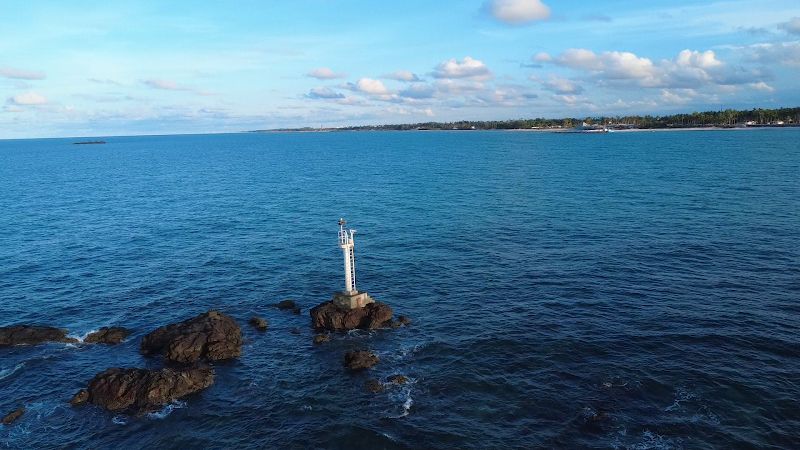
About Batu Rakit

Description

For those who have ever dreamed of escaping the rush of life and finding a quiet spot by the South China Sea, Batu Rakit in Kuala Terengganu, Malaysia, feels like that lost postcard scene you once saw and never forgot. It’s a coastal area that holds a kind of unspoken calm, a rhythm of waves and village laughter that’s both comforting and grounding. There’s this easy-going charm about it — maybe it’s the fishing boats set against the orange sunrise or the locals sitting by their kampung houses chatting about the day’s catch. You don’t find that everywhere anymore. Batu Rakit isn’t a flashy destination; it’s real, layered, and disarmingly pure.

Located north of Kuala Terengganu city, this seaside village is the kind of place where you’ll encounter traditional life right beside humble modern comforts. The balance is almost poetic. It’s not unusual to wake up to the call of roosters and end the day in an air-conditioned homestay with sea breeze cooling the veranda. The landscape is dotted with coconut trees and family-run food stalls serving nasi dagang and keropok lekor so fresh it’s almost addictive. Most visitors come for the beach — wide, open, with soft sand and that familiar salty air that somehow clears the mind. But more than the coast itself, what leaves an impression is the spirit of the people — warm, genuine, always ready to smile or strike up a conversation even if you’ve only just met.

Whether you’re traveling with kids, on a short coastal road trip, or looking for somewhere local to wind down, Batu Rakit quietly delivers. It’s good for families because the beaches have gentle waves and space to roam. Kids can play while parents sip fresh coconut water or maybe sneak a moment to feel the sand between their toes. This part of Malaysia isn’t cluttered with noise and neon signs, but that’s exactly why travelers keep returning. Some come for a weekend and somehow stay longer; time moves slower here.

Key Features

  • Traditional fishing village charm: Batu Rakit remains one of the few places along the east coast of Malaysia where daily life still revolves around the sea. You can watch fishermen hauling nets or mending boats right on the shore.
  • Beautiful beach views: The coastline here is pristine, uncrowded, and offers a direct view of the South China Sea. Early mornings are particularly magical when the sunlight touches the water in soft gold tones.
  • Family-friendly accommodations: The area has various homestays and beach houses, many of them air conditioned and equipped with basic kitchen facilities. Perfect for travelers who prefer privacy and home-style comfort rather than big hotels.
  • Proximity to major Kuala Terengganu attractions: It’s a short drive from popular landmarks like Crystal Mosque, Terengganu State Museum, and the Craft Cultural Centre, so you can mix seaside relaxation with cultural exploration.
  • Fresh seafood & local dining options: Batu Rakit’s food stalls, cafes, and small restaurants serve authentic dishes that define coastal Terengganu — think grilled fish, squid curries, and fragrant coconut rice plates.
  • Calm and safe for children: The beach is mostly quiet and the waves, especially during the dry season, are mild enough for kids to enjoy. It’s a rare find for parents who just want a peaceful family beach outing.
  • Affordable stays: With homestays, small beach resorts, and guesthouses available at reasonable prices, Batu Rakit is a great base for travelers looking to stretch their vacation budget without sacrificing comfort or experience.

In short, Batu Rakit is that easygoing beach escape that doesn’t need to pretend to be anything else. It’s safe, friendly, and genuine — all the things that make a place linger in your memory long after you’ve left.

Best Time to Visit

Like much of Kuala Terengganu, Batu Rakit’s weather dances to the rhythm of the monsoon seasons. The best time to visit is generally between March and October. During these months, the skies are mostly clear, the sea calm, and the days filled with that bright tropical light that photographers chase. The months of November to February tend to bring heavier rain and rougher seas due to the Northeast Monsoon. Don’t get me wrong, the monsoon season has its own allure — quieter beaches, moody clouds, and fewer tourists — but if you’re coming for swimming or beach picnics, plan for the drier stretch.

Personally, I like the stretch between May and July. The water’s warm, the coconut trees are lush, and local life is in full swing. You’ll often see families gathering along the beach in the late afternoon, kids flying kites, couples taking walks, and fishermen tidying up their boats. It’s everyday Malaysia at its heart, unfiltered and full of life.

How to Get There

Batu Rakit is about a 20-minute drive north from the Kuala Terengganu city centre, so getting there is surprisingly straightforward. If you’re flying in, the Sultan Mahmud Airport is your entry point — from there, it’s roughly a 15-minute drive along Jalan Maras. The route is scenic, passing by small kampung houses, stretches of palm trees, and glimpses of the sea now and then. If you’re the kind who enjoys drives, it’s an easy one — roads are well-paved, signs are clear, and you might find yourself wanting to pull over for a roadside coconut (I always do).

Car rentals are available at the airport and in the city, though local transport options like Grab or taxis are also easy to arrange. If you’re traveling light and prefer something flexible, renting a motorbike could be a fun way to explore not only Batu Rakit but also nearby spots like Mengabang Lekar or even Tok Jembal beach. Public buses reach the main roadways near Batu Rakit, but for convenience and comfort, especially if traveling with kids or luggage, private transport is the way to go.

Tips for Visiting

If you’re planning a trip to Batu Rakit, there are a few things I’ve learned through my own visits and chatting with locals — small details that make a big difference.

  • Start your day early. The sunrise here is spectacular. Watching the first light stretch over the South China Sea while the fishermen prepare their boats is worth dragging yourself out of bed for.
  • Respect the local pace. Batu Rakit is still a traditional community, so the vibe here is unhurried. Expect slower service, friendly conversations, and a few unplanned detours — they might just end up being your best moments.
  • Pack for comfort, not glamour. You’ll spend most of your time outdoors — sand, sun, and all. Lightweight clothes, a hat, and plenty of sunscreen are your best friends.
  • Try the food stalls along the main road. The seafood is unbeatable and cheap. Some of the best grilled fish I’ve had came from tiny roadside setups that didn’t even have signs. Follow your nose and the locals!
  • Bring cash. While many places in Kuala Terengganu now accept digital payments, smaller homestays and food stalls here may still prefer cash.
  • Check accommodations in advance. Batu Rakit may be quiet, but during school holidays or festive seasons, homestays and beach resorts fill up fast. Booking a few weeks ahead ensures better rooms at better prices.
  • Respect the beach. It’s tempting to leave behind picnic remains or plastic bottles, but cleanliness matters to the locals. Everyone plays a part in keeping this coastline as beautiful as it is.

Oh, and if you’ve got time, take a day trip around. Crystal Mosque is only a short drive away — stunning by both architecture and how it shimmers over the water. The nearby State Museum Terengganu is worth a visit too; it’s one of the largest museums in Southeast Asia and really ties together the stories and culture of this coastal region. When you swing back to Batu Rakit in the evening, sit by the beach, maybe with a local drink or a bit of keropok lekor in hand, and just breathe. The waves roll in quietly, the stars begin to appear, and you’ll get why people fall for the east coast’s charm again and again.

Batu Rakit isn’t the kind of place that overwhelms you with excess or spectacle. It draws you in softly — with sincerity, salt air, and a sense of belonging you didn’t realize you were missing. And that’s probably its most powerful feature. It’s the kind of spot you come to for a simple reason — to pause, to feel grounded, to be reminded that sometimes the best journeys are the ones that slow you down rather than rush you forward.

Key Features

  • Key Features
  • Best Time to Visit
  • How to Get There
  • Tips for Visiting

More Details

Updated October 11, 2025

Description

For those who have ever dreamed of escaping the rush of life and finding a quiet spot by the South China Sea, Batu Rakit in Kuala Terengganu, Malaysia, feels like that lost postcard scene you once saw and never forgot. It’s a coastal area that holds a kind of unspoken calm, a rhythm of waves and village laughter that’s both comforting and grounding. There’s this easy-going charm about it — maybe it’s the fishing boats set against the orange sunrise or the locals sitting by their kampung houses chatting about the day’s catch. You don’t find that everywhere anymore. Batu Rakit isn’t a flashy destination; it’s real, layered, and disarmingly pure.

Located north of Kuala Terengganu city, this seaside village is the kind of place where you’ll encounter traditional life right beside humble modern comforts. The balance is almost poetic. It’s not unusual to wake up to the call of roosters and end the day in an air-conditioned homestay with sea breeze cooling the veranda. The landscape is dotted with coconut trees and family-run food stalls serving nasi dagang and keropok lekor so fresh it’s almost addictive. Most visitors come for the beach — wide, open, with soft sand and that familiar salty air that somehow clears the mind. But more than the coast itself, what leaves an impression is the spirit of the people — warm, genuine, always ready to smile or strike up a conversation even if you’ve only just met.

Whether you’re traveling with kids, on a short coastal road trip, or looking for somewhere local to wind down, Batu Rakit quietly delivers. It’s good for families because the beaches have gentle waves and space to roam. Kids can play while parents sip fresh coconut water or maybe sneak a moment to feel the sand between their toes. This part of Malaysia isn’t cluttered with noise and neon signs, but that’s exactly why travelers keep returning. Some come for a weekend and somehow stay longer; time moves slower here.

Key Features

  • Traditional fishing village charm: Batu Rakit remains one of the few places along the east coast of Malaysia where daily life still revolves around the sea. You can watch fishermen hauling nets or mending boats right on the shore.
  • Beautiful beach views: The coastline here is pristine, uncrowded, and offers a direct view of the South China Sea. Early mornings are particularly magical when the sunlight touches the water in soft gold tones.
  • Family-friendly accommodations: The area has various homestays and beach houses, many of them air conditioned and equipped with basic kitchen facilities. Perfect for travelers who prefer privacy and home-style comfort rather than big hotels.
  • Proximity to major Kuala Terengganu attractions: It’s a short drive from popular landmarks like Crystal Mosque, Terengganu State Museum, and the Craft Cultural Centre, so you can mix seaside relaxation with cultural exploration.
  • Fresh seafood & local dining options: Batu Rakit’s food stalls, cafes, and small restaurants serve authentic dishes that define coastal Terengganu — think grilled fish, squid curries, and fragrant coconut rice plates.
  • Calm and safe for children: The beach is mostly quiet and the waves, especially during the dry season, are mild enough for kids to enjoy. It’s a rare find for parents who just want a peaceful family beach outing.
  • Affordable stays: With homestays, small beach resorts, and guesthouses available at reasonable prices, Batu Rakit is a great base for travelers looking to stretch their vacation budget without sacrificing comfort or experience.

In short, Batu Rakit is that easygoing beach escape that doesn’t need to pretend to be anything else. It’s safe, friendly, and genuine — all the things that make a place linger in your memory long after you’ve left.

Best Time to Visit

Like much of Kuala Terengganu, Batu Rakit’s weather dances to the rhythm of the monsoon seasons. The best time to visit is generally between March and October. During these months, the skies are mostly clear, the sea calm, and the days filled with that bright tropical light that photographers chase. The months of November to February tend to bring heavier rain and rougher seas due to the Northeast Monsoon. Don’t get me wrong, the monsoon season has its own allure — quieter beaches, moody clouds, and fewer tourists — but if you’re coming for swimming or beach picnics, plan for the drier stretch.

Personally, I like the stretch between May and July. The water’s warm, the coconut trees are lush, and local life is in full swing. You’ll often see families gathering along the beach in the late afternoon, kids flying kites, couples taking walks, and fishermen tidying up their boats. It’s everyday Malaysia at its heart, unfiltered and full of life.

How to Get There

Batu Rakit is about a 20-minute drive north from the Kuala Terengganu city centre, so getting there is surprisingly straightforward. If you’re flying in, the Sultan Mahmud Airport is your entry point — from there, it’s roughly a 15-minute drive along Jalan Maras. The route is scenic, passing by small kampung houses, stretches of palm trees, and glimpses of the sea now and then. If you’re the kind who enjoys drives, it’s an easy one — roads are well-paved, signs are clear, and you might find yourself wanting to pull over for a roadside coconut (I always do).

Car rentals are available at the airport and in the city, though local transport options like Grab or taxis are also easy to arrange. If you’re traveling light and prefer something flexible, renting a motorbike could be a fun way to explore not only Batu Rakit but also nearby spots like Mengabang Lekar or even Tok Jembal beach. Public buses reach the main roadways near Batu Rakit, but for convenience and comfort, especially if traveling with kids or luggage, private transport is the way to go.

Tips for Visiting

If you’re planning a trip to Batu Rakit, there are a few things I’ve learned through my own visits and chatting with locals — small details that make a big difference.

  • Start your day early. The sunrise here is spectacular. Watching the first light stretch over the South China Sea while the fishermen prepare their boats is worth dragging yourself out of bed for.
  • Respect the local pace. Batu Rakit is still a traditional community, so the vibe here is unhurried. Expect slower service, friendly conversations, and a few unplanned detours — they might just end up being your best moments.
  • Pack for comfort, not glamour. You’ll spend most of your time outdoors — sand, sun, and all. Lightweight clothes, a hat, and plenty of sunscreen are your best friends.
  • Try the food stalls along the main road. The seafood is unbeatable and cheap. Some of the best grilled fish I’ve had came from tiny roadside setups that didn’t even have signs. Follow your nose and the locals!
  • Bring cash. While many places in Kuala Terengganu now accept digital payments, smaller homestays and food stalls here may still prefer cash.
  • Check accommodations in advance. Batu Rakit may be quiet, but during school holidays or festive seasons, homestays and beach resorts fill up fast. Booking a few weeks ahead ensures better rooms at better prices.
  • Respect the beach. It’s tempting to leave behind picnic remains or plastic bottles, but cleanliness matters to the locals. Everyone plays a part in keeping this coastline as beautiful as it is.

Oh, and if you’ve got time, take a day trip around. Crystal Mosque is only a short drive away — stunning by both architecture and how it shimmers over the water. The nearby State Museum Terengganu is worth a visit too; it’s one of the largest museums in Southeast Asia and really ties together the stories and culture of this coastal region. When you swing back to Batu Rakit in the evening, sit by the beach, maybe with a local drink or a bit of keropok lekor in hand, and just breathe. The waves roll in quietly, the stars begin to appear, and you’ll get why people fall for the east coast’s charm again and again.

Batu Rakit isn’t the kind of place that overwhelms you with excess or spectacle. It draws you in softly — with sincerity, salt air, and a sense of belonging you didn’t realize you were missing. And that’s probably its most powerful feature. It’s the kind of spot you come to for a simple reason — to pause, to feel grounded, to be reminded that sometimes the best journeys are the ones that slow you down rather than rush you forward.

Key Highlights

  • Key Features
  • Best Time to Visit
  • How to Get There
  • Tips for Visiting

Location

Places to Stay Near Batu Rakit

Find and Book a Tour

Explore More Travel Guides

No reviews found! Be the first to review!

Traveler Reviews for Batu Rakit

There are no reviews yet. Be the first one to write one.

Share Your Experience

Have you visited Batu Rakit? Help other travelers by sharing your review.

Find Accommodations Nearby

Recommended Tours & Activities

Visitor Reviews

There are no reviews yet. Be the first one to write one.

Share Your Experience

Have you visited Batu Rakit? Help other travelers by leaving a review.