
Basilica of Our Lady
About Basilica of Our Lady
Key Features
More Details
Updated April 16, 2024
## Basilica of Our Lady (Onze-Lieve-Vrouwebasiliek), Maastricht: A Practical Guide
Address: Onze Lieve Vrouweplein 7, 6211 HD Maastricht, Netherlands
GPS: 50.8474585, 5.6932688
Type: Roman Catholic minor basilica & active parish
Average visitor rating (maps sources): ~4.6/5
### Why this basilica matters
The Basilica of Our Lady—locally “Slevrouwe”—is one of the Netherlands’ most important Romanesque churches. It’s renowned for its austere Mosan architecture (massive westwork, thick walls, small windows) and a centuries-old Marian devotion centered on Our Lady, Star of the Sea (Sterre der Zee). The church holds the legal status of a Dutch national monument (Rijksmonument 27454) and has been a minor basilica since 20 February 1933.
—
## Quick orientation
– Setting: The basilica fronts Onze Lieve Vrouweplein, one of Maastricht’s most atmospheric squares.
– Entrances: Main entrance from the square; the Star of the Sea chapel is just inside, near the front. The church’s interior is intentionally dim (a Romanesque hallmark), which many find contemplative.
– Access from station: About a 15-minute walk from Maastricht Centraal; Bus 7 to Vrijthof shortens the approach.
—
## A concise history you can trust
– Early Christian site (possibility, not certainty): Written and local sources suggest a small church stood here by the 5th century, quite possibly on the remains of a Roman temple within the former Roman castrum. Archaeology inside the building is limited, so this remains plausible rather than proven.
– Collegiate church era: Before 1100, it operated as a collegiate church under the prince-bishop of Liège. The chapter maintained several chapels across town.
– French period (1794–1837): After Maastricht’s incorporation into the French Republic, religious institutions were suppressed; the church and cloister served non-liturgical, even military, uses. It returned to worship in 1837.
– Cuypers restoration (1887–1917): Architect Pierre Cuypers led a comprehensive restoration aimed at recovering a Romanesque character—reducing large Gothic windows, stripping Baroque plaster, and rebuilding elements of the east choir and towers. The “mystical darkness” many notice today is largely the result of this phase.
– Minor basilica (1933): Elevated by Pope Pius XI.
—
## Architecture & art highlights (what to look for)
– Mosan Romanesque form: The church typifies the regional style—massive westwork, pseudo-transepts, and fortress-like masonry. It’s often contrasted with nearby Saint Servatius for its sculpture and plan.
– Carved capitals: In the ambulatory and galleries you’ll find 12th-century capitals with Old Testament scenes, humans, animals, and foliage—key works of Mosan sculpture. One capital bears the signature “Heimo,” likely its medieval sculptor.
– Murals & atmosphere: Surviving medieval wall paintings (e.g., St. Catherine) and the Cuypers-era choices create the basilica’s famously dark, contemplative interior.
—
## The Star of the Sea (Sterre der Zee) devotion
– The statue: A 15th-century wooden image of the Virgin Mary, venerated as Our Lady, Star of the Sea, is the focus of daily prayer and candle-lighting. The image arrived here after earlier placements in Maastricht churches; it was installed in a dedicated Gothic chapel near the main entrance in 1903 and canonically crowned on 15 August 1912.
– Chapel experience: Expect a steady flow of visitors lighting candles and sitting in quiet reflection—the “candle glow” and reflections are part of the site’s well-known ambience.
– Processions & the Bidweg: Maastricht preserves the Bidweg van de Sterre der Zee, a traditional prayer route beginning and ending at the chapel. The “Grote Bidweg” procession—with the statue borne by a guild—continues to be held on set occasions and was placed on the Inventory of Intangible Cultural Heritage in the Netherlands in 2022. The 2025 Heiligdomsvaart program also included a Grote Bidweg. Erfgoed
—
## Visiting tips (accurate, up-to-date where possible)
– Opening & worship: The church and chapel are generally open daily and freely accessible; it is an active parish with daily Mass and an English-language Mass on Saturdays (17:00) posted by the parish federation. Schedules can change—always verify on the parish/official pages before your visit.
– Donations: Entry is typically free; donations maintain the building and ministries. (Exact fees/times vary and are not fixed here to avoid outdated info.)
– Getting there: Walk from the station or use Bus 7 → Vrijthof, then a short stroll to the square.
– Photography etiquette: Discreet, non-flash photography is usually fine in the nave; avoid photos during services and be mindful in the chapel—prayer has priority (confirm on-site signage). (General etiquette note; specific policies may be posted locally.)
– Accessibility: The dim interior and uneven historic flooring may challenge low-vision visitors; allow eyes to adjust on entry and use handrails where provided. (Practical advice consistent with Romanesque sites.)
> Check before you go: Some third-party pages list fixed hours; these change seasonally and differ for liturgies vs. tourist visiting. Use the basilica/parish contacts below for the latest.
Official/primary contacts:
– Parish federation: Onze Lieve Vrouw “Sterre-der-Zee” & Sint Pieter (service times & notices).
– Venue listings for practical details (address, access): Grootste Museum profile.
—
## Context for your Maastricht itinerary
– Twin pillar with St. Servaas: Maastricht’s other major Romanesque church, the Basilica of Saint Servatius, sits a few minutes away by foot. The two churches historically “competed” in relic display and still anchor septennial pilgrimage traditions today. If you’re combining visits, check Saint Servatius basilica/treasury hours separately.
– Square culture: The basilica faces a square lined with cafés; it’s a good reset point between sights like Vrijthof, Dominicanen Bookstore, and the riverfront. (General visitor advice; no specific businesses promoted.)
—
## Need-to-know facts (verified)
– Rijksmonument no. 27454; Minor basilica since 1933.
– Architectural type: Romanesque basilica with transept and pseudo-transepts; Mosan stylistic group with a massive westwork.
– Star of the Sea statue: 15th-century, crowned 1912; placed in the Gothic chapel in 1903.
– Bidweg tradition: Recognized as intangible cultural heritage (2022); Grote Bidweg still organized (including during Heiligdomsvaart 2025). Erfgoed
—
## Inclusivity & respectful visiting
This basilica functions first as a place of worship. Regardless of background or beliefs, visitors are welcome to sit quietly, light a candle, or simply appreciate the heritage. Avoid disrupting services; step out during liturgies if you’re touring rather than attending.
—
## What might be outdated (and how to verify)
– Daily hours and any entry rules are the most change-prone details. For current times, liturgies, and events, consult the parish federation page and/or the basilica’s official channels before you go.
—
### Sources for this guide
Core facts and dates are taken from the basilica’s encyclopedia entry and local cultural/heritage sites, cross-checked with official parish and city resources: Basilica of Our Lady (encyclopedia), Visit Maastricht, Grootste Museum, Parish federation, and Intangible Heritage Netherlands (Bidweg).
If you’d like, I can add live parish links and current week service times after you confirm your visit date.
Table of Contents
Key Highlights
Basilica of Our Lady
Location
Places to Stay Near Basilica of Our Lady
Find and Book a Tour
Explore More Travel Guides
No reviews found! Be the first to review!
Traveler Reviews for Basilica of Our Lady
There are no reviews yet. Be the first one to write one.
Have you visited Basilica of Our Lady? Help other travelers by sharing your review.
You Might Also Like
Kazematten Waldeck Maastricht Underground
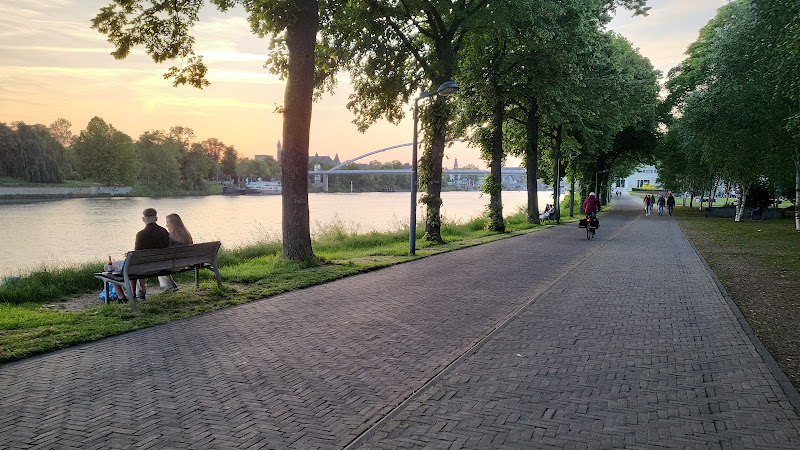
Charles Eyck Park
Bonnefanten museum
Find Accommodations Nearby
Recommended Tours & Activities
Visitor Reviews
There are no reviews yet. Be the first one to write one.
Share Your Experience
Have you visited Basilica of Our Lady? Help other travelers by leaving a review.