
Balay Negrense
About Balay Negrense
Description
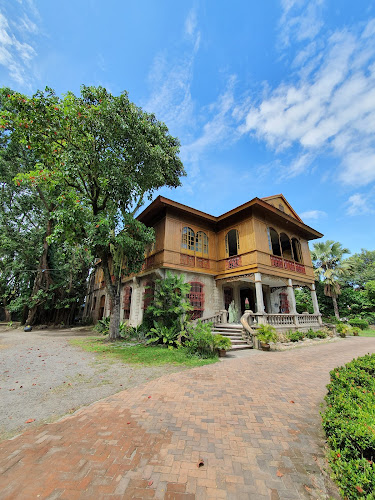
Stepping into Balay Negrense feels like walking through a time portal straight into the Spanish-colonial era of the Philippines. This beautifully preserved ancestral house from 1897 stands as a proud reminder of Negros Occidental's sugar boom period, when wealth flowed through the region like molasses through a processing plant. The mansion belonged to Victor Fernandez Gaston, a prominent sugar baron whose family lived in considerable luxury during the height of the sugar industry's golden age. The house itself—balay means "house" in the local Hiligaynon dialect—showcases the architectural grandeur that was typical of wealthy Filipino families during the late 19th century. What makes this place particularly special is how well it captures a specific moment in Philippine history. You're not just looking at old furniture behind velvet ropes; you're getting a genuine peek into how the elite lived during a time when sugar was basically liquid gold in this part of the world. I've always found it fascinating how homes can tell stories better than any history book, and Balay Negrense does exactly that. The wooden floors creak beneath your feet with the weight of over a century of footsteps. The high ceilings and wide windows were designed to combat the tropical heat long before air conditioning became a thing. And the collection of period furniture and household items? They paint a picture of daily life that textbooks simply can't capture. The transformation from private residence to museum happened through the dedicated efforts of local preservationists who recognized the historical value of maintaining this structure. Today, it serves as one of Silay City's premier cultural attractions and gives visitors a window into the opulent lifestyle of sugar plantation owners during the American colonial period and Spanish twilight years.Key Features
The Balay Negrense offers visitors several distinctive elements that make it worth the journey:- Original architectural design featuring classic Filipino-Spanish colonial style with wooden construction and distinctive ventanilla windows that allowed air circulation while maintaining privacy
- Period-authentic furnishings including antique furniture pieces, decorative items, and household objects that belonged to the Gaston family or represent the era accurately
- Well-preserved interior spaces including bedrooms, dining areas, receiving rooms, and service quarters that show the clear social hierarchy of the household
- Vintage photographs and family portraits that provide context about the people who actually lived within these walls
- Traditional kitchen area showcasing cooking methods and utensils from the turn of the 20th century
- Guided tour options that bring the history alive through stories and historical context you'd miss wandering alone
- Garden areas surrounding the property that give you a sense of the original estate's footprint
- Educational displays explaining the sugar industry's impact on the region's economy and social structure
- Architectural details like capiz shell windows, hardwood floors, and intricate woodwork that demonstrate the craftsmanship of the period
- Children's rooms and toys that humanize the historical experience by showing family life beyond just formal spaces
Best Time to Visit
Timing your visit to Balay Negrense can make a significant difference in your experience. The museum operates year-round, but certain periods offer advantages over others. The dry season from November through April generally provides the most comfortable visiting conditions. Temperatures are slightly cooler—though let's be honest, it's still pretty warm—and you won't have to worry about sudden tropical downpours interrupting your exploration. December through February sees the most pleasant weather, with temperatures that make walking around a historic house without modern cooling systems much more bearable. Weekday mornings tend to be quieter than weekends. If you prefer a more contemplative experience where you can really absorb the atmosphere without crowds, arriving right when they open on a Tuesday or Wednesday gives you the best chance. Saturday afternoons can get busy with local families and school groups, which depending on your perspective could either add energy to the experience or make it harder to appreciate the details. The months around October and November coincide with various heritage festivals in Negros Occidental, including events in nearby Bacolod. Visiting during these periods means you can combine your historical house tour with broader cultural experiences. But this also means increased tourist traffic overall in the region. January and February bring cooler evenings and generally stable weather patterns, making these months particularly ideal if you're planning to explore multiple heritage sites around Silay City in one trip. The light during these months also tends to be excellent for photography enthusiasts who want to capture the architectural details. I'd personally avoid the peak of the rainy season in July and August unless you're comfortable with unpredictable weather. The humidity during these months can be intense, and there's nothing quite like sweating through a house tour to make you appreciate modern climate control.How to Get There
Getting to Balay Negrense requires a bit of planning, but the journey is straightforward enough once you understand the lay of the land. Most travelers start from Bacolod City, the capital of Negros Occidental, which sits about 14 kilometers south of Silay City where Balay Negrense is located. If you're flying in, the Bacolod-Silay International Airport actually sits closer to Silay than to Bacolod itself—one of those naming quirks that can work in your favor. From the airport, you're looking at roughly 15-20 minutes by car to reach the museum. From Bacolod proper, jeepneys heading to Silay are abundant and cheap, departing regularly from the Libertad Public Market area. The ride takes about 30-45 minutes depending on traffic and costs just a handful of pesos. Tell the driver you're heading to Balay Negrense or simply ask to be dropped at the Silay City plaza area—the house is within easy walking distance. Taxis and ride-sharing services like Grab operate between Bacolod and Silay, offering more comfort and direct routing for a reasonable fare. This option makes sense if you're traveling with companions to split the cost or if you're planning to visit multiple heritage houses in Silay in one day. For those who prefer independence, renting a car or motorcycle in Bacolod gives you flexibility to explore at your own pace. The route is well-marked, taking you north along the main highway. Parking near the museum is generally available, though spaces can fill up during peak weekend hours. Some hotels and tour operators in Bacolod offer heritage tours that include Balay Negrense along with other historical sites in Silay. These packaged tours handle all transportation logistics and often include a knowledgeable guide, which can enhance your understanding of what you're seeing. If you're already in Silay, tricycles can get you to the museum from anywhere in the city for a minimal fare. The drivers know the location well since it's one of the city's main attractions.Tips for Visiting
Making the most of your Balay Negrense experience involves some practical considerations that don't always make it into the guidebooks. Dress comfortably but respectfully. You're visiting a museum that's also a memorial to a family's legacy, so while there's no strict dress code, showing up in beachwear wouldn't be appropriate. Light, breathable fabrics work best given the heat and humidity. And here's something I learned the hard way—wear shoes you can easily slip on and off, as some areas may require you to remove footwear to protect the antique wooden floors. Bring a small amount of cash for the entrance fee. Like many attractions in the Philippines, card payment options may not be available. The fee is modest and goes toward maintaining this historical treasure, so think of it as directly supporting preservation efforts. Photography is typically allowed, but flash photography might be restricted in certain areas to protect period artifacts and fabrics from light damage. Take a moment to check the current policy when you arrive. The natural light filtering through those capiz windows creates beautiful atmospheric shots anyway—better than harsh flash could ever achieve. Consider hiring a guide or joining a guided tour even if you usually prefer exploring independently. The stories and historical context they provide transform the experience from simply viewing old furniture to understanding the human drama that unfolded in these rooms. The guides are generally local residents with genuine knowledge and passion for their city's heritage. Allocate at least an hour for your visit, possibly more if you're a history enthusiast or enjoy photography. Rushing through defeats the purpose. This isn't the kind of place where you quickly tick boxes and move on; the value comes from slowing down and imagining the lives lived within these walls. Visit early in the day when possible. The morning light is softer, the temperatures are slightly more manageable, and you'll beat the midday heat that can make older buildings without air conditioning feel like ovens. Plus, you'll have better chances of a quieter, more intimate experience. Combine your visit with other heritage houses in Silay if time permits. The city earned the nickname "Paris of Negros" for its concentration of well-preserved ancestral homes. Several are within walking distance of each other, making for a rewarding half-day or full-day heritage trail. Stay hydrated and consider bringing a small bottle of water, though be mindful about where you drink it. Many museums understandably restrict food and beverages near valuable artifacts. Ask questions. The staff and guides generally welcome curious visitors and can share insights beyond the standard tour script. Some of the best stories I've heard at heritage sites came from simply expressing genuine interest and asking about specific details that caught my attention. Check if any special events or exhibitions are scheduled during your visit. Occasionally, the museum hosts cultural programs or temporary exhibits that can add extra dimension to the experience. Be patient with the pace if you visit during busy periods. Popular attractions in the Philippines can draw crowds, and Balay Negrense's relatively compact size means groups move through in sequences. Rather than getting frustrated, use waiting moments to study architectural details or photograph exterior elements. Finally, take time after your tour to simply sit in the surrounding area if benches are available. Processing what you've seen and letting the historical weight of the place settle in your mind enhances the overall impact. Sometimes the best museum moments happen after you've finished the formal tour.Key Features
- Late 19th-century ancestral house (built 1897) showcasing Negrense sugar-baron lifestyle
- Well-preserved Spanish-colonial and neoclassical architecture with capiz windows and hardwood interiors
- Period furniture, family photographs and household artifacts displayed in situ
- Guided tours and interpretive material that explain local sugar-industry history
- Located in Silay City’s heritage district, near other preserved ancestral homes
More Details
Updated March 30, 2026
Table of Contents
Description
Stepping into Balay Negrense feels like walking through a time portal straight into the Spanish-colonial era of the Philippines. This beautifully preserved ancestral house from 1897 stands as a proud reminder of Negros Occidental’s sugar boom period, when wealth flowed through the region like molasses through a processing plant. The mansion belonged to Victor Fernandez Gaston, a prominent sugar baron whose family lived in considerable luxury during the height of the sugar industry’s golden age.
The house itself—balay means “house” in the local Hiligaynon dialect—showcases the architectural grandeur that was typical of wealthy Filipino families during the late 19th century. What makes this place particularly special is how well it captures a specific moment in Philippine history. You’re not just looking at old furniture behind velvet ropes; you’re getting a genuine peek into how the elite lived during a time when sugar was basically liquid gold in this part of the world.
I’ve always found it fascinating how homes can tell stories better than any history book, and Balay Negrense does exactly that. The wooden floors creak beneath your feet with the weight of over a century of footsteps. The high ceilings and wide windows were designed to combat the tropical heat long before air conditioning became a thing. And the collection of period furniture and household items? They paint a picture of daily life that textbooks simply can’t capture.
The transformation from private residence to museum happened through the dedicated efforts of local preservationists who recognized the historical value of maintaining this structure. Today, it serves as one of Silay City’s premier cultural attractions and gives visitors a window into the opulent lifestyle of sugar plantation owners during the American colonial period and Spanish twilight years.
Key Features
The Balay Negrense offers visitors several distinctive elements that make it worth the journey:
- Original architectural design featuring classic Filipino-Spanish colonial style with wooden construction and distinctive ventanilla windows that allowed air circulation while maintaining privacy
- Period-authentic furnishings including antique furniture pieces, decorative items, and household objects that belonged to the Gaston family or represent the era accurately
- Well-preserved interior spaces including bedrooms, dining areas, receiving rooms, and service quarters that show the clear social hierarchy of the household
- Vintage photographs and family portraits that provide context about the people who actually lived within these walls
- Traditional kitchen area showcasing cooking methods and utensils from the turn of the 20th century
- Guided tour options that bring the history alive through stories and historical context you’d miss wandering alone
- Garden areas surrounding the property that give you a sense of the original estate’s footprint
- Educational displays explaining the sugar industry’s impact on the region’s economy and social structure
- Architectural details like capiz shell windows, hardwood floors, and intricate woodwork that demonstrate the craftsmanship of the period
- Children’s rooms and toys that humanize the historical experience by showing family life beyond just formal spaces
Best Time to Visit
Timing your visit to Balay Negrense can make a significant difference in your experience. The museum operates year-round, but certain periods offer advantages over others.
The dry season from November through April generally provides the most comfortable visiting conditions. Temperatures are slightly cooler—though let’s be honest, it’s still pretty warm—and you won’t have to worry about sudden tropical downpours interrupting your exploration. December through February sees the most pleasant weather, with temperatures that make walking around a historic house without modern cooling systems much more bearable.
Weekday mornings tend to be quieter than weekends. If you prefer a more contemplative experience where you can really absorb the atmosphere without crowds, arriving right when they open on a Tuesday or Wednesday gives you the best chance. Saturday afternoons can get busy with local families and school groups, which depending on your perspective could either add energy to the experience or make it harder to appreciate the details.
The months around October and November coincide with various heritage festivals in Negros Occidental, including events in nearby Bacolod. Visiting during these periods means you can combine your historical house tour with broader cultural experiences. But this also means increased tourist traffic overall in the region.
January and February bring cooler evenings and generally stable weather patterns, making these months particularly ideal if you’re planning to explore multiple heritage sites around Silay City in one trip. The light during these months also tends to be excellent for photography enthusiasts who want to capture the architectural details.
I’d personally avoid the peak of the rainy season in July and August unless you’re comfortable with unpredictable weather. The humidity during these months can be intense, and there’s nothing quite like sweating through a house tour to make you appreciate modern climate control.
How to Get There
Getting to Balay Negrense requires a bit of planning, but the journey is straightforward enough once you understand the lay of the land.
Most travelers start from Bacolod City, the capital of Negros Occidental, which sits about 14 kilometers south of Silay City where Balay Negrense is located. If you’re flying in, the Bacolod-Silay International Airport actually sits closer to Silay than to Bacolod itself—one of those naming quirks that can work in your favor. From the airport, you’re looking at roughly 15-20 minutes by car to reach the museum.
From Bacolod proper, jeepneys heading to Silay are abundant and cheap, departing regularly from the Libertad Public Market area. The ride takes about 30-45 minutes depending on traffic and costs just a handful of pesos. Tell the driver you’re heading to Balay Negrense or simply ask to be dropped at the Silay City plaza area—the house is within easy walking distance.
Taxis and ride-sharing services like Grab operate between Bacolod and Silay, offering more comfort and direct routing for a reasonable fare. This option makes sense if you’re traveling with companions to split the cost or if you’re planning to visit multiple heritage houses in Silay in one day.
For those who prefer independence, renting a car or motorcycle in Bacolod gives you flexibility to explore at your own pace. The route is well-marked, taking you north along the main highway. Parking near the museum is generally available, though spaces can fill up during peak weekend hours.
Some hotels and tour operators in Bacolod offer heritage tours that include Balay Negrense along with other historical sites in Silay. These packaged tours handle all transportation logistics and often include a knowledgeable guide, which can enhance your understanding of what you’re seeing.
If you’re already in Silay, tricycles can get you to the museum from anywhere in the city for a minimal fare. The drivers know the location well since it’s one of the city’s main attractions.
Tips for Visiting
Making the most of your Balay Negrense experience involves some practical considerations that don’t always make it into the guidebooks.
Dress comfortably but respectfully. You’re visiting a museum that’s also a memorial to a family’s legacy, so while there’s no strict dress code, showing up in beachwear wouldn’t be appropriate. Light, breathable fabrics work best given the heat and humidity. And here’s something I learned the hard way—wear shoes you can easily slip on and off, as some areas may require you to remove footwear to protect the antique wooden floors.
Bring a small amount of cash for the entrance fee. Like many attractions in the Philippines, card payment options may not be available. The fee is modest and goes toward maintaining this historical treasure, so think of it as directly supporting preservation efforts.
Photography is typically allowed, but flash photography might be restricted in certain areas to protect period artifacts and fabrics from light damage. Take a moment to check the current policy when you arrive. The natural light filtering through those capiz windows creates beautiful atmospheric shots anyway—better than harsh flash could ever achieve.
Consider hiring a guide or joining a guided tour even if you usually prefer exploring independently. The stories and historical context they provide transform the experience from simply viewing old furniture to understanding the human drama that unfolded in these rooms. The guides are generally local residents with genuine knowledge and passion for their city’s heritage.
Allocate at least an hour for your visit, possibly more if you’re a history enthusiast or enjoy photography. Rushing through defeats the purpose. This isn’t the kind of place where you quickly tick boxes and move on; the value comes from slowing down and imagining the lives lived within these walls.
Visit early in the day when possible. The morning light is softer, the temperatures are slightly more manageable, and you’ll beat the midday heat that can make older buildings without air conditioning feel like ovens. Plus, you’ll have better chances of a quieter, more intimate experience.
Combine your visit with other heritage houses in Silay if time permits. The city earned the nickname “Paris of Negros” for its concentration of well-preserved ancestral homes. Several are within walking distance of each other, making for a rewarding half-day or full-day heritage trail.
Stay hydrated and consider bringing a small bottle of water, though be mindful about where you drink it. Many museums understandably restrict food and beverages near valuable artifacts.
Ask questions. The staff and guides generally welcome curious visitors and can share insights beyond the standard tour script. Some of the best stories I’ve heard at heritage sites came from simply expressing genuine interest and asking about specific details that caught my attention.
Check if any special events or exhibitions are scheduled during your visit. Occasionally, the museum hosts cultural programs or temporary exhibits that can add extra dimension to the experience.
Be patient with the pace if you visit during busy periods. Popular attractions in the Philippines can draw crowds, and Balay Negrense’s relatively compact size means groups move through in sequences. Rather than getting frustrated, use waiting moments to study architectural details or photograph exterior elements.
Finally, take time after your tour to simply sit in the surrounding area if benches are available. Processing what you’ve seen and letting the historical weight of the place settle in your mind enhances the overall impact. Sometimes the best museum moments happen after you’ve finished the formal tour.
Key Highlights
- Late 19th-century ancestral house (built 1897) showcasing Negrense sugar-baron lifestyle
- Well-preserved Spanish-colonial and neoclassical architecture with capiz windows and hardwood interiors
- Period furniture, family photographs and household artifacts displayed in situ
- Guided tours and interpretive material that explain local sugar-industry history
- Located in Silay City’s heritage district, near other preserved ancestral homes
Location
Places to Stay Near Balay Negrense
Find and Book a Tour
Explore More Travel Guides
No reviews found! Be the first to review!
Balay Negrense is a prominent attractions located in Silay.
Visit us at: Silay City, Negros Occidental, Philippines.
Traveler Reviews for Balay Negrense
There are no reviews yet. Be the first one to write one.
Have you visited Balay Negrense? Help other travelers by sharing your review.
Nearby Attractions
You Might Also Like
German Locsin Unson Ancestral House
German Lacson Gaston Ancestral House

Bacolod City Welcome Marker
Find Accommodations Nearby
Recommended Tours & Activities
Visitor Reviews
There are no reviews yet. Be the first one to write one.
Share Your Experience
Have you visited Balay Negrense? Help other travelers by leaving a review.