About Baimiweng Fort

Description

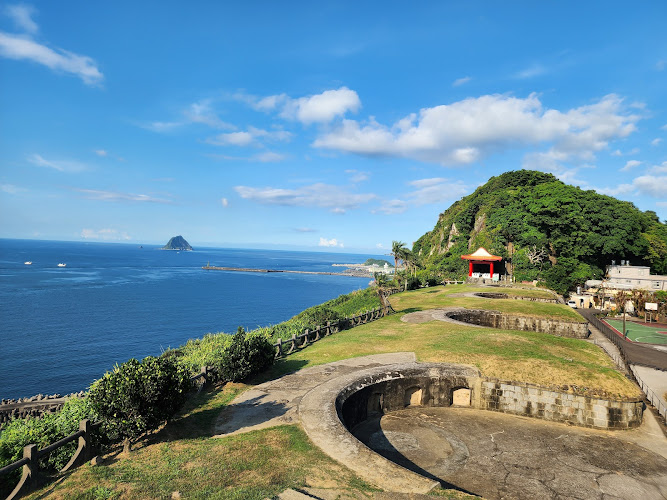
Baimiweng Fort has a way of sneaking up on people. One minute, a traveler thinks they’re just pulling off the road to stretch their legs, and the next they’re staring out over an open sweep of ocean that feels far bigger than expected. Built by the Dutch during the colonial period, this old fortress still holds its ground, weathered stone and all, perched above the coast with a field of view that’s honestly hard to forget. The fort doesn’t shout for attention. It doesn’t need to. It just stands there, solid and slightly aloof, like it knows it’s seen things.

The structure itself is modest in size compared to some famous forts, but what it lacks in grandeur it makes up for in atmosphere. The walls carry that rough, timeworn texture that invites you to run your hand along them. And yes, you probably will, even if you don’t realize it at first. There’s history here, the kind you feel more than you read. Cannons once pointed toward the sea, guarding shipping routes and watching the horizon for trouble. Today, they’re silent, but the ocean still rolls in below, doing what it’s always done.

One thing that catches almost everyone off guard is the neighboring power plant. Its tall chimneys rise behind or beside the fort, depending on where you stand, and at first it feels like a strange pairing. Old stone and industrial concrete. But give it a minute. The contrast becomes part of the story. It’s a visual reminder that this place has layers, centuries stacked awkwardly together. Some people grumble about it, sure. Others, including this writer, find it oddly fascinating. It makes the photos different, less postcard-perfect, more real.

Baimiweng Fort is also surprisingly approachable. Families wander through without stress, kids darting ahead while adults linger by the edges for photos. There’s space to breathe, space to sit, and space to just stare out at the sea. Free parking helps, of course. But more than that, it’s the feeling that you’re allowed to be here without rushing. No one’s hurrying you along, and that’s a rare thing in popular attractions.

Key Features

  • Historic Dutch-era fortifications with thick stone walls and coastal defense remnants
  • Wide, open viewpoints offering panoramic ocean scenery and dramatic skies
  • Unique juxtaposition of colonial architecture and modern power plant chimneys
  • Accessible grounds suitable for children and casual walkers
  • Plenty of open-air space for photography, picnics, or quiet sitting
  • Free parking nearby, making spontaneous visits easier

Best Time to Visit

The fort doesn’t close itself off to any particular season, but timing still matters. Early mornings are a personal favorite. The light comes in low and soft, sliding across the stone and turning the ocean into a sheet of silver. There’s also fewer people around, which makes it easier to imagine the place as it once was. If you’re the type who likes to think and wander without bumping into too many elbows, aim for that first hour after sunrise.

Late afternoons run a close second. The sun dips toward the horizon, and the fort suddenly feels theatrical. Shadows stretch. The chimneys in the distance look almost sculptural. And yes, sunset photos here can be stunning, even with the industrial backdrop. Or maybe because of it. Midday visits are fine too, especially if you’re traveling with kids and need clear paths and good visibility. Just be ready for stronger sun and less dramatic light.

Weather-wise, clear days are obviously best for the views, but slightly overcast skies can add mood. Wind is common, given the coastal location, so hats and loose items might need a bit of attention. Rain doesn’t ruin the place entirely, but the stone can get slick, and the magic dims a little. If you’ve got flexibility, check the forecast and pick a calm, bright day. It’s worth it.

How to Get There

Getting to Baimiweng Fort is fairly straightforward, which is part of its charm. Travelers usually approach by road, following coastal routes that already feel like part of the experience. The drive itself sets the tone, with glimpses of water and industry alternating in a way that prepares you for what’s ahead. Once you’re close, signage and local familiarity make it clear you’re in the right area.

Parking is free and relatively convenient, a small but important detail that seasoned travelers appreciate. From there, it’s a short walk to the fort grounds. No steep climbs, no confusing paths. Just a simple approach that works for families, older visitors, and anyone who doesn’t want to turn sightseeing into a workout. Public transport options exist in the wider area, but most visitors find private or hired transport the easiest way to manage timing and comfort.

And here’s a small, honest tip from experience: don’t rush off the moment you arrive. Walk around the perimeter. Look back at the fort from different angles. The place reveals itself slowly, and arriving with a calm mindset makes all the difference.

Tips for Visiting

First, bring water and sun protection. There isn’t much shade once you’re out on the open viewpoints, and the sea breeze can trick you into forgetting how strong the sun really is. Comfortable shoes are another must. The ground is mostly even, but old stone and uneven patches still exist, and flip-flops are not your friend here.

If you’re visiting with children, let them explore but keep an eye near the edges. The fort feels open and safe, yet it’s still a historic structure with drops and ledges that demand respect. The good news is that kids tend to love the space. There’s something about old forts that turns even the most screen-focused child into a temporary adventurer.

Photography lovers should bring lenses that handle wide shots well. The appeal here isn’t tiny details as much as big, breathing scenes. Ocean, sky, stone, chimney. It all works together. And don’t feel pressured to capture it perfectly. Some of the best moments are the quiet ones you don’t photograph at all. I remember standing there once, camera dangling uselessly, because the wind and view just felt like enough.

Finally, manage expectations. Baimiweng Fort isn’t a polished museum with interactive displays and curated narratives. It’s rough around the edges, literally and figuratively. Some visitors wish for more signage or restoration. Others appreciate the rawness. Knowing this ahead of time helps you enjoy what it is, not what it isn’t. Come with curiosity, patience, and a willingness to let the place speak in its own way.

In the end, Baimiweng Fort rewards those who slow down. It’s not about ticking off a famous landmark. It’s about standing between past and present, ocean and industry, silence and wind. And if you give it that chance, it tends to stay with you longer than expected.

Key Features

  • Historic Dutch-era fortifications with thick stone walls and coastal defense remnants
  • Wide, open viewpoints offering panoramic ocean scenery and dramatic skies
  • Unique juxtaposition of colonial architecture and modern power plant chimneys
  • Accessible grounds suitable for children and casual walkers
  • Plenty of open-air space for photography, picnics, or quiet sitting
  • Free parking nearby, making spontaneous visits easier

More Details

Updated December 31, 2025

Description

Baimiweng Fort has a way of sneaking up on people. One minute, a traveler thinks they’re just pulling off the road to stretch their legs, and the next they’re staring out over an open sweep of ocean that feels far bigger than expected. Built by the Dutch during the colonial period, this old fortress still holds its ground, weathered stone and all, perched above the coast with a field of view that’s honestly hard to forget. The fort doesn’t shout for attention. It doesn’t need to. It just stands there, solid and slightly aloof, like it knows it’s seen things.

The structure itself is modest in size compared to some famous forts, but what it lacks in grandeur it makes up for in atmosphere. The walls carry that rough, timeworn texture that invites you to run your hand along them. And yes, you probably will, even if you don’t realize it at first. There’s history here, the kind you feel more than you read. Cannons once pointed toward the sea, guarding shipping routes and watching the horizon for trouble. Today, they’re silent, but the ocean still rolls in below, doing what it’s always done.

One thing that catches almost everyone off guard is the neighboring power plant. Its tall chimneys rise behind or beside the fort, depending on where you stand, and at first it feels like a strange pairing. Old stone and industrial concrete. But give it a minute. The contrast becomes part of the story. It’s a visual reminder that this place has layers, centuries stacked awkwardly together. Some people grumble about it, sure. Others, including this writer, find it oddly fascinating. It makes the photos different, less postcard-perfect, more real.

Baimiweng Fort is also surprisingly approachable. Families wander through without stress, kids darting ahead while adults linger by the edges for photos. There’s space to breathe, space to sit, and space to just stare out at the sea. Free parking helps, of course. But more than that, it’s the feeling that you’re allowed to be here without rushing. No one’s hurrying you along, and that’s a rare thing in popular attractions.

Key Features

  • Historic Dutch-era fortifications with thick stone walls and coastal defense remnants
  • Wide, open viewpoints offering panoramic ocean scenery and dramatic skies
  • Unique juxtaposition of colonial architecture and modern power plant chimneys
  • Accessible grounds suitable for children and casual walkers
  • Plenty of open-air space for photography, picnics, or quiet sitting
  • Free parking nearby, making spontaneous visits easier

Best Time to Visit

The fort doesn’t close itself off to any particular season, but timing still matters. Early mornings are a personal favorite. The light comes in low and soft, sliding across the stone and turning the ocean into a sheet of silver. There’s also fewer people around, which makes it easier to imagine the place as it once was. If you’re the type who likes to think and wander without bumping into too many elbows, aim for that first hour after sunrise.

Late afternoons run a close second. The sun dips toward the horizon, and the fort suddenly feels theatrical. Shadows stretch. The chimneys in the distance look almost sculptural. And yes, sunset photos here can be stunning, even with the industrial backdrop. Or maybe because of it. Midday visits are fine too, especially if you’re traveling with kids and need clear paths and good visibility. Just be ready for stronger sun and less dramatic light.

Weather-wise, clear days are obviously best for the views, but slightly overcast skies can add mood. Wind is common, given the coastal location, so hats and loose items might need a bit of attention. Rain doesn’t ruin the place entirely, but the stone can get slick, and the magic dims a little. If you’ve got flexibility, check the forecast and pick a calm, bright day. It’s worth it.

How to Get There

Getting to Baimiweng Fort is fairly straightforward, which is part of its charm. Travelers usually approach by road, following coastal routes that already feel like part of the experience. The drive itself sets the tone, with glimpses of water and industry alternating in a way that prepares you for what’s ahead. Once you’re close, signage and local familiarity make it clear you’re in the right area.

Parking is free and relatively convenient, a small but important detail that seasoned travelers appreciate. From there, it’s a short walk to the fort grounds. No steep climbs, no confusing paths. Just a simple approach that works for families, older visitors, and anyone who doesn’t want to turn sightseeing into a workout. Public transport options exist in the wider area, but most visitors find private or hired transport the easiest way to manage timing and comfort.

And here’s a small, honest tip from experience: don’t rush off the moment you arrive. Walk around the perimeter. Look back at the fort from different angles. The place reveals itself slowly, and arriving with a calm mindset makes all the difference.

Tips for Visiting

First, bring water and sun protection. There isn’t much shade once you’re out on the open viewpoints, and the sea breeze can trick you into forgetting how strong the sun really is. Comfortable shoes are another must. The ground is mostly even, but old stone and uneven patches still exist, and flip-flops are not your friend here.

If you’re visiting with children, let them explore but keep an eye near the edges. The fort feels open and safe, yet it’s still a historic structure with drops and ledges that demand respect. The good news is that kids tend to love the space. There’s something about old forts that turns even the most screen-focused child into a temporary adventurer.

Photography lovers should bring lenses that handle wide shots well. The appeal here isn’t tiny details as much as big, breathing scenes. Ocean, sky, stone, chimney. It all works together. And don’t feel pressured to capture it perfectly. Some of the best moments are the quiet ones you don’t photograph at all. I remember standing there once, camera dangling uselessly, because the wind and view just felt like enough.

Finally, manage expectations. Baimiweng Fort isn’t a polished museum with interactive displays and curated narratives. It’s rough around the edges, literally and figuratively. Some visitors wish for more signage or restoration. Others appreciate the rawness. Knowing this ahead of time helps you enjoy what it is, not what it isn’t. Come with curiosity, patience, and a willingness to let the place speak in its own way.

In the end, Baimiweng Fort rewards those who slow down. It’s not about ticking off a famous landmark. It’s about standing between past and present, ocean and industry, silence and wind. And if you give it that chance, it tends to stay with you longer than expected.

Key Highlights

  • Historic Dutch-era fortifications with thick stone walls and coastal defense remnants
  • Wide, open viewpoints offering panoramic ocean scenery and dramatic skies
  • Unique juxtaposition of colonial architecture and modern power plant chimneys
  • Accessible grounds suitable for children and casual walkers
  • Plenty of open-air space for photography, picnics, or quiet sitting
  • Free parking nearby, making spontaneous visits easier

Location

Places to Stay Near Baimiweng Fort

Find and Book a Tour

Explore More Travel Guides

No reviews found! Be the first to review!

Traveler Reviews for Baimiweng Fort

There are no reviews yet. Be the first one to write one.

Share Your Experience

Have you visited Baimiweng Fort? Help other travelers by sharing your review.

Find Accommodations Nearby

Recommended Tours & Activities

Visitor Reviews

There are no reviews yet. Be the first one to write one.

Share Your Experience

Have you visited Baimiweng Fort? Help other travelers by leaving a review.