
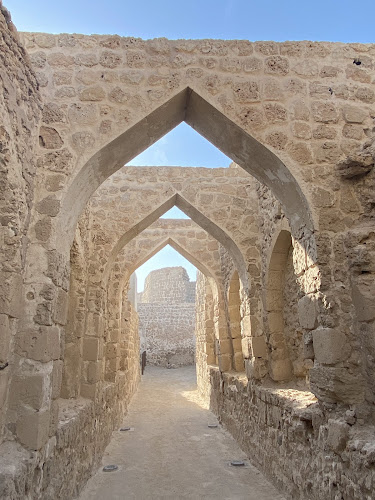
Bahrain Fort
About Bahrain Fort
Description
Bahrain Fort, also known as Qal’at al-Bahrain, carries the kind of quiet majesty that only centuries of history can create. Standing on the northern coast of Bahrain, this UNESCO World Heritage site whispers stories from long before the Portuguese built their fortifications in the 16th century. Archaeologists have uncovered layer upon layer of civilizations here — from the ancient Dilmun Kingdom to later Islamic settlements — making it one of the most fascinating archaeological sites in the Gulf region.
The fort itself sits on a small hill overlooking the sea, its thick limestone walls still sturdy despite the centuries of wind and salt that have battered them. When you walk through its corridors, you can almost imagine the sound of soldiers’ boots echoing along the ramparts or merchants unloading goods from ships in the nearby harbor. The attached museum, though modest in size, is a real treasure trove. It displays pottery, tools, jewelry, and even ancient seals that reveal how advanced trade and daily life were thousands of years ago.
What I personally love about Bahrain Fort is that it doesn’t feel overly polished or commercialized. There’s a rawness to it — a sense that you’re walking through genuine history rather than a reconstructed version of it. The fort’s open spaces and sea breeze make it a surprisingly peaceful place to wander, especially in the late afternoon when the sun starts to dip. And if you’re into photography, the lighting at sunset gives the walls a golden glow that’s just magical.
Still, it’s not perfect — some areas can feel a bit bare, and on hot days, the lack of shade can be challenging. But that’s part of the experience. You’re stepping into a site that’s been around for millennia, not a modern tourist attraction with every convenience. And somehow, that makes it even more special.
Key Features
- 16th-century Portuguese fort built atop ancient Dilmun ruins
- UNESCO World Heritage status recognizing its global cultural importance
- On-site museum featuring artifacts from multiple civilizations
- Panoramic views of the sea and surrounding landscape
- Wheelchair-accessible entrance and parking facilities
- Family-friendly environment suitable for children
- Open-air archaeological site with visible excavation areas
- Evening lighting that enhances the fort’s dramatic silhouette
Best Time to Visit
If you ask me, the best time to visit Bahrain Fort is during the cooler months — roughly from November to March. The weather is mild, the air feels crisp, and you can actually enjoy walking around without melting into the sand. Early mornings are lovely too, especially if you enjoy a bit of solitude before the tour groups arrive.
Sunset, though, is something else entirely. The fort’s limestone walls catch the fading light in a way that makes the entire place glow. I’ve stood there more than once, camera in hand, just watching the sky change colors while the call to prayer echoed in the distance. It’s one of those moments that sticks with you long after you’ve left.
Avoid visiting in the peak summer months unless you’re prepared for serious heat. Even with a hat and water, it can be intense. The museum offers some relief with air conditioning, but most of the exploration happens outdoors.
How to Get There
Bahrain Fort is located in the Karbabad area, just a short drive from Manama’s city center. If you’re staying in the capital, it’s about a 10-15 minute drive, depending on traffic. Taxis and ride-hailing apps are the easiest way to get there — parking is available if you’re driving yourself.
Public transportation options are limited, but some local tours include the fort as part of a half-day itinerary along with nearby attractions like the Bahrain National Museum. If you’re into exploring at your own pace, renting a car might be the best option. The roads are well-maintained, and the route is easy to follow with GPS.
One thing I always recommend: plan your visit around the museum’s opening hours. It’s open most days, but timings can vary slightly depending on the season or holidays. It’s worth checking in advance so you don’t miss the exhibits — they really add depth to the experience.
Tips for Visiting
Here’s where a bit of practical advice can make your visit smoother — and more enjoyable.
- Dress comfortably: Lightweight clothing, a hat, and sunscreen are musts. The fort is mostly exposed to the sun.
- Bring water: There’s limited shade and no nearby cafes within the site itself. Staying hydrated is key.
- Wear good shoes: The ground can be uneven in parts, especially around excavation areas. Sneakers or sturdy sandals work best.
- Visit the museum first: It gives you context before exploring the ruins, making the walk through the fort much more meaningful.
- Stay for sunset: The lighting is phenomenal, and it’s a great time for photos without harsh midday shadows.
- Respect the site: Remember, this is an active archaeological area. Stick to designated paths and avoid touching artifacts or walls.
- Go with a guide if you can: Local guides often share stories and insights that you won’t find on the signs.
- Accessibility: The main pathways are wheelchair-friendly, though some upper sections may be more challenging.
If you’re traveling with kids, they’ll probably enjoy exploring the open spaces — just keep an eye on them near the edges. And if you’re a history buff like me, you might find yourself lingering longer than expected, trying to imagine what life was like here centuries ago. It’s one of those places that rewards curiosity.
A small personal tip: bring a notebook or use your phone to jot down thoughts while you’re there. I did that during my first visit, and when I looked back later, I realized how much the place had quietly impressed me. There’s something grounding about standing in a spot where so many civilizations have come and gone.
In the end, Bahrain Fort isn’t just a pile of old stones — it’s a living timeline of human history, layered and complex. Whether you’re a casual traveler, a photographer, or a history lover, it offers something quietly profound. And honestly, that’s what makes it worth every minute of your time.
Key Features
- 16th-century Portuguese fort built atop ancient Dilmun ruins
- UNESCO World Heritage status recognizing its global cultural importance
- On-site museum featuring artifacts from multiple civilizations
- Panoramic views of the sea and surrounding landscape
- Wheelchair-accessible entrance and parking facilities
- Family-friendly environment suitable for children
- Open-air archaeological site with visible excavation areas
- Evening lighting that enhances the fort’s dramatic silhouette
More Details
Updated October 8, 2025
Table of Contents
Description
Bahrain Fort, also known as Qal’at al-Bahrain, carries the kind of quiet majesty that only centuries of history can create. Standing on the northern coast of Bahrain, this UNESCO World Heritage site whispers stories from long before the Portuguese built their fortifications in the 16th century. Archaeologists have uncovered layer upon layer of civilizations here — from the ancient Dilmun Kingdom to later Islamic settlements — making it one of the most fascinating archaeological sites in the Gulf region.
The fort itself sits on a small hill overlooking the sea, its thick limestone walls still sturdy despite the centuries of wind and salt that have battered them. When you walk through its corridors, you can almost imagine the sound of soldiers’ boots echoing along the ramparts or merchants unloading goods from ships in the nearby harbor. The attached museum, though modest in size, is a real treasure trove. It displays pottery, tools, jewelry, and even ancient seals that reveal how advanced trade and daily life were thousands of years ago.
What I personally love about Bahrain Fort is that it doesn’t feel overly polished or commercialized. There’s a rawness to it — a sense that you’re walking through genuine history rather than a reconstructed version of it. The fort’s open spaces and sea breeze make it a surprisingly peaceful place to wander, especially in the late afternoon when the sun starts to dip. And if you’re into photography, the lighting at sunset gives the walls a golden glow that’s just magical.
Still, it’s not perfect — some areas can feel a bit bare, and on hot days, the lack of shade can be challenging. But that’s part of the experience. You’re stepping into a site that’s been around for millennia, not a modern tourist attraction with every convenience. And somehow, that makes it even more special.
Key Features
- 16th-century Portuguese fort built atop ancient Dilmun ruins
- UNESCO World Heritage status recognizing its global cultural importance
- On-site museum featuring artifacts from multiple civilizations
- Panoramic views of the sea and surrounding landscape
- Wheelchair-accessible entrance and parking facilities
- Family-friendly environment suitable for children
- Open-air archaeological site with visible excavation areas
- Evening lighting that enhances the fort’s dramatic silhouette
Best Time to Visit
If you ask me, the best time to visit Bahrain Fort is during the cooler months — roughly from November to March. The weather is mild, the air feels crisp, and you can actually enjoy walking around without melting into the sand. Early mornings are lovely too, especially if you enjoy a bit of solitude before the tour groups arrive.
Sunset, though, is something else entirely. The fort’s limestone walls catch the fading light in a way that makes the entire place glow. I’ve stood there more than once, camera in hand, just watching the sky change colors while the call to prayer echoed in the distance. It’s one of those moments that sticks with you long after you’ve left.
Avoid visiting in the peak summer months unless you’re prepared for serious heat. Even with a hat and water, it can be intense. The museum offers some relief with air conditioning, but most of the exploration happens outdoors.
How to Get There
Bahrain Fort is located in the Karbabad area, just a short drive from Manama’s city center. If you’re staying in the capital, it’s about a 10-15 minute drive, depending on traffic. Taxis and ride-hailing apps are the easiest way to get there — parking is available if you’re driving yourself.
Public transportation options are limited, but some local tours include the fort as part of a half-day itinerary along with nearby attractions like the Bahrain National Museum. If you’re into exploring at your own pace, renting a car might be the best option. The roads are well-maintained, and the route is easy to follow with GPS.
One thing I always recommend: plan your visit around the museum’s opening hours. It’s open most days, but timings can vary slightly depending on the season or holidays. It’s worth checking in advance so you don’t miss the exhibits — they really add depth to the experience.
Tips for Visiting
Here’s where a bit of practical advice can make your visit smoother — and more enjoyable.
- Dress comfortably: Lightweight clothing, a hat, and sunscreen are musts. The fort is mostly exposed to the sun.
- Bring water: There’s limited shade and no nearby cafes within the site itself. Staying hydrated is key.
- Wear good shoes: The ground can be uneven in parts, especially around excavation areas. Sneakers or sturdy sandals work best.
- Visit the museum first: It gives you context before exploring the ruins, making the walk through the fort much more meaningful.
- Stay for sunset: The lighting is phenomenal, and it’s a great time for photos without harsh midday shadows.
- Respect the site: Remember, this is an active archaeological area. Stick to designated paths and avoid touching artifacts or walls.
- Go with a guide if you can: Local guides often share stories and insights that you won’t find on the signs.
- Accessibility: The main pathways are wheelchair-friendly, though some upper sections may be more challenging.
If you’re traveling with kids, they’ll probably enjoy exploring the open spaces — just keep an eye on them near the edges. And if you’re a history buff like me, you might find yourself lingering longer than expected, trying to imagine what life was like here centuries ago. It’s one of those places that rewards curiosity.
A small personal tip: bring a notebook or use your phone to jot down thoughts while you’re there. I did that during my first visit, and when I looked back later, I realized how much the place had quietly impressed me. There’s something grounding about standing in a spot where so many civilizations have come and gone.
In the end, Bahrain Fort isn’t just a pile of old stones — it’s a living timeline of human history, layered and complex. Whether you’re a casual traveler, a photographer, or a history lover, it offers something quietly profound. And honestly, that’s what makes it worth every minute of your time.
Key Highlights
- 16th-century Portuguese fort built atop ancient Dilmun ruins
- UNESCO World Heritage status recognizing its global cultural importance
- On-site museum featuring artifacts from multiple civilizations
- Panoramic views of the sea and surrounding landscape
- Wheelchair-accessible entrance and parking facilities
- Family-friendly environment suitable for children
- Open-air archaeological site with visible excavation areas
- Evening lighting that enhances the fort’s dramatic silhouette
Location
Places to Stay Near Bahrain Fort
Find and Book a Tour
Explore More Travel Guides
No reviews found! Be the first to review!
Traveler Reviews for Bahrain Fort
There are no reviews yet. Be the first one to write one.
Have you visited Bahrain Fort? Help other travelers by sharing your review.
Find Accommodations Nearby
Recommended Tours & Activities
Visitor Reviews
There are no reviews yet. Be the first one to write one.
Share Your Experience
Have you visited Bahrain Fort? Help other travelers by leaving a review.