
Baba Bhai Gurdas Ji
About Baba Bhai Gurdas Ji
Key Features
More Details
Updated April 16, 2024
## Baba Bhai Gurdas Ji, Mansa (Punjab): Practical Visitor Guide
Coordinates: 29.9917852, 75.3897695 (Daraka Muhala, Mansa 151505)
Baba Bhai Gurdas Ji is a small shrine/dera-temple complex in southeast Mansa, Punjab. Local directories list it under “temples,” while community pages describe it as a dera (ashram) associated with Bhai Gurdas—the revered Sikh scholar and first scribe of the Adi Granth—reflecting the syncretic, Udasi-influenced heritage often seen at North Indian shrines. If you’re exploring Malwa-region faith sites or studying Punjabi religious history, this is a worthwhile micro-stop to understand how Sikh- and Hindu-influenced practices can overlap at the local level.
—
### Why this place matters
– Local heritage + living tradition: Mansa’s own city overview notes a temple of Baba Bhai Gurdas Ji in the town’s southeast and references an annual fair (mela) held around March–April—a community gathering point that has run for generations. Independent travel writeups repeat the same pattern (temple + spring fair).
– Bhai Gurdas connection: Bhai Gurdas (1551–1636) is central to Sikh learning; his Vārāṅ are foundational texts, and he served as the amanuensis for Guru Arjan during compilation of the Guru Granth Sahib. While major sites related to his life are elsewhere (e.g., Tarn Taran/Goindwal), Mansa’s local memory tradition attributes part of the town’s story to him and maintains this shrine in his honor.
> Bottom line: Expect a modest, locally run complex with seasonal significance rather than a large, monument-scale gurdwara or temple.
—
### Location, map pin & getting your bearings
– Address for maps: X9RQ+QR7, Daraka Muhala, Mansa, Punjab 151505, India (Plus Code). This resolves cleanly on travel platforms and matches the neighborhood reference used by local listings.
– General area: Southeast Mansa, off the Mansa–Sirsa side of town; some sources mention proximity to the Truck Union/Sirsa Road for the fair area.
—
### When to go
– Best time for cultural context: March–April, when the mela/fair is traditionally held at or around the temple precincts. If your goal is photography or ethnography (processions, stalls, food, devotional music), aim for these weeks and confirm the exact dates locally since schedules are not reliably published online.
– Quiet visits: Outside the fair period, expect a low-key environment suited to short, respectful visits.
—
### Hours, contact & on-the-ground reality
– Opening hours: Not officially published. Aggregator pages advise confirming hours directly. Treat mornings and late afternoons as safest windows for darshan at small shrines.
– Community presence: The official Facebook page for the dera (in Punjabi) shares updates on langar and events—useful for gauging activity but not a substitute for fixed hours.
> Data note: Many third-party listings mark it generically as a “temple” or “Hindu shrine,” while local Sikh/Udasi descriptors also appear. If religious categorization matters for your documentation, speak to the mahant/sewadar on site; online labeling can be inconsistent.
—
### Visitor etiquette (simple, respectful, inclusive)
Given the mixed descriptors (dera/temple), follow norms that fit both Sikh and Hindu contexts:
– Dress & head: Dress modestly; carry a head covering (scarf/handkerchief) in case it’s requested in sanctum areas.
– Footwear: Remove shoes where indicated.
– Offerings: If you wish, bring simple offerings (e.g., sweets/flowers). Avoid intrusive photography in prayer areas.
– Langar/community food: Posts indicate langar is sometimes served during observances—ask politely if visitors may participate.
—
### What you’ll actually see
– A compact shrine space with local devotional activity; do not expect museum-style exhibits.
– Event days (mela): Temporary stalls, food, devotional music, and larger crowds around March–April. Bring small cash for donations and snacks; ATMs can be sporadic near neighborhood shrines.
—
### Pair it with nearby research stops (for context seekers)
If you’re building a regional narrative around Bhai Gurdas and Sikh history:
– Textual background: Read about Bhai Gurdas and his Vārāṅ before your visit to interpret local references you’ll hear onsite.
– Wider heritage circuit (day or multi-day): Major sites tied to Bhai Gurdas are clustered around Goindwal/Tarn Taran (Akal Chalana Sahib, etc.), which require a separate trip; they’re not in Mansa but help situate the tradition historically. Sikhism
—
### Accessibility, photography & facilities
– Facilities: No authoritative facility list is published. Third-party “temples” directories show minimal amenity data; plan for basic conditions (carry water, hat, sunscreen). of India
– Photography: Allowed in outdoor areas in most North Indian shrines, but always ask at the sanctum. Avoid flash during prayers.
– Mobility: Neighborhood lanes can be uneven; expect steps at thresholds. No verified ramp info online.
—
### Safety & inclusivity
– Crowds: Peak during the mela; watch for traffic near Truck Union/Sirsa Road approaches.
– Inclusive conduct: Shrines like this attract devotees from varied backgrounds. Maintain neutral, respectful behavior around rites you don’t practice personally (no commentary on rituals, no unsolicited recording of worshippers).
—
### Quick planning checklist
– Pin the Plus Code: X9RQ+QR7 (Daraka Muhala).
– Target dates: March–April if you want the fair; otherwise, mornings/late afternoons for quiet visits.
– Confirm activity: Check the dera’s Facebook page for recent posts or ask a local shop before you go.
– Carry small cash: Donations, snacks, and shared transport.
– Build context: Read a short primer on Bhai Gurdas to deepen your understanding on site.
—
## Important data notes (accuracy first)
– Religious classification varies online. Listings label the site as a “temple/Hindu shrine,” while community sources call it a dera/ashram linked to Bhai Gurdas and Udasi tradition. Treat it as a local shrine complex rather than forcing a single label.
– Hours & amenities are not reliably published. Plan with slack, confirm locally, and avoid promises to companions about fixed timings.
– Fair timing: Multiple sources cite March–April for the annual fair; always verify the exact dates in the given year.
—
### Sources consulted
– Address, coordinates, hours disclaimer: Trip.com listing for Baba Bhai Gurdas Ji.
– Mansa city page mentioning the temple and March–April fair: Wikipedia, HelloTravel, LandKhoj, HereNow4U.
– Local classification & ratings: Justdial “Temples / Hindu Shrine” listing (Daraka Muhala).
– Community/dera activity: Facebook page; Instagram location/reels referencing langar/events.
– Bhai Gurdas background & related historic sites: Wikipedia; DiscoverSikhism note on Akal Chalana Sahib.
If you require internal links to your Punjab landing hub or Mansa travel overview, share the URLs and I’ll weave them in precisely where readers expect them (planning checklist + regional circuit sections).
Table of Contents
Key Highlights
Baba Bhai Gurdas Ji
Location
Places to Stay Near Baba Bhai Gurdas Ji
Find and Book a Tour
Explore More Travel Guides
No reviews found! Be the first to review!
Traveler Reviews for Baba Bhai Gurdas Ji
There are no reviews yet. Be the first one to write one.
Have you visited Baba Bhai Gurdas Ji? Help other travelers by sharing your review.
You Might Also Like

The Central Park, Mansa
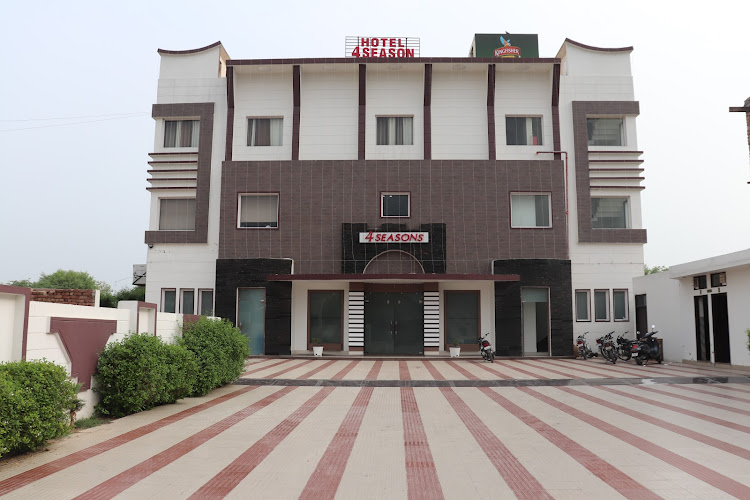
Hotel 4 Seasons
Dhalio residence
Find Accommodations Nearby
Recommended Tours & Activities
Visitor Reviews
There are no reviews yet. Be the first one to write one.
Share Your Experience
Have you visited Baba Bhai Gurdas Ji? Help other travelers by leaving a review.