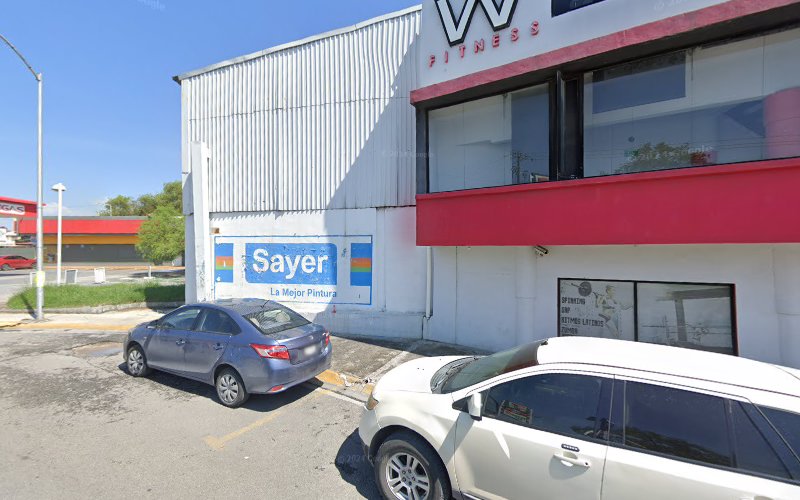
Av. Uno in Monterrey, Nuevo León is a compact urban monument and promenade that celebrates the city’s modern civic identity. Installed along a prominent corridor near Monterrey’s historic core, the avenue combines sculptural installations, informative plaques and landscaped medians to offer a concise, walkable narrative of local industry, culture and urban development. Its design references Monterrey’s industrial roots and mountain setting with metalwork, geometric forms and native plantings that frame views toward the Sierra Madre Oriental. For visitors, Av. Uno is best experienced on foot: it rewards slow exploration with chances to linger at panels that recount the neighborhood’s past, photograph public art, and enjoy street-level life in a part of town where residents commute, shop and socialize. The monument-avenue functions as both a civic landmark and a useful connector to nearby plazas and museums, making it a good quick stop for travelers who want a sense of Monterrey’s character without committing to a full museum itinerary.
Views and sightlines toward the Sierra Madre Oriental
Visitor Guide & Information
Description
Av. Uno represents one of those street experiences that travelers often stumble upon rather than deliberately seek out, and honestly, that’s part of its charm. When you’re wandering through a destination and trying to get a genuine feel for the local rhythm, this avenue delivers that authentic slice of everyday life that guidebooks sometimes miss. The street itself has this interesting quality where it manages to be both functional and atmospheric at the same time – locals actually use it for their daily routines while visitors can soak up the ambient street culture.
I remember the first time I really paid attention to a main avenue in a foreign city. You know that moment when you realize you’re not just passing through but actually experiencing a place? That’s what happens here. The architecture along Av. Uno tells its own story through the buildings that line both sides, creating a visual timeline of the area’s development. Some structures show their age proudly while others have been updated to meet modern needs, and this contrast creates an unexpected visual interest that photography enthusiasts tend to appreciate.
What makes this avenue particularly worth your time is how it functions as a genuine artery of local life rather than a manufactured tourist experience. You’ll see people going about their business, which might sound mundane until you realize that observing daily life is often how you really understand a place. The street has enough width to accommodate both pedestrians and vehicles comfortably, and there’s something reassuring about a well-planned urban space that actually works the way it’s supposed to.
Key Features
The distinctive characteristics of Av. Uno create a multifaceted experience for visitors who take the time to explore beyond surface-level observations:
• Authentic local atmosphere where residents conduct their daily activities, providing travelers with genuine cultural immersion opportunities rather than staged tourist scenarios
• Strategic location that connects different parts of the surrounding area, making it a practical route for navigation while also serving as a destination in its own right
• Mixed-use development pattern featuring ground-floor commercial spaces and upper-level residential or office areas, creating constant activity throughout different times of day
• Architectural variety spanning different construction periods, offering visual interest and historical context for those who pay attention to building styles and urban development patterns
• Pedestrian-friendly infrastructure with adequate sidewalk space for comfortable walking, though conditions may vary along different sections of the avenue
• Access to local businesses including shops, eateries, and service providers that cater primarily to residents rather than tourists, which often means better prices and more authentic offerings
• Public transportation connectivity with bus routes or other transit options making the avenue easily accessible from various points in the city
• Natural gathering spots where locals tend to congregate, providing opportunities for people-watching and understanding social dynamics
• Lighting conditions that change the street’s character from morning through evening, creating different photographic opportunities and atmospheric experiences
• Relative safety compared to more isolated areas, with the constant flow of people providing a natural security presence during typical daylight hours
Best Time to Visit
Timing your visit to Av. Uno really depends on what kind of experience you’re after, and I’ve learned through various travels that this consideration matters more than people initially think. Early morning hours, particularly between 7 and 9 AM, offer a glimpse into the street’s awakening phase when local businesses open their shutters and residents begin their daily commutes. There’s something special about seeing a place before it fully wakes up – you get to witness the preparation rather than just the performance.
Mid-morning through early afternoon represents peak activity periods when the avenue functions at full capacity. If you want to see Av. Uno at its most characteristic, this timeframe delivers. The energy level rises, foot traffic increases, and you’ll encounter the street in its most functional state. But honestly, this can also mean more crowding and noise, which some travelers embrace while others avoid.
Late afternoon into early evening brings a different quality altogether. The harsh midday light softens, temperatures typically become more comfortable, and there’s often a shift in the type of activity you’ll observe. Workers heading home, students finishing classes, people running end-of-day errands – it all contributes to a distinct atmosphere. I’ve always found these transition hours particularly interesting because you see how a place transforms between its daytime and nighttime personalities.
Weekdays versus weekends make a substantial difference too. Weekdays showcase the avenue’s working character with all the commercial activity in full swing, while weekends might feel either quieter (if the area is primarily business-oriented) or more leisurely (if residential aspects dominate). Some travelers prefer the bustling weekday energy while others appreciate the more relaxed weekend pace.
Weather conditions obviously play a role in your experience. Pleasant weather means more people outside, sidewalk cafes operating, and generally better conditions for extended walking and observation. Rain or extreme heat can dramatically change the street’s character and your comfort level while exploring it.
How to Get There
Getting to Av. Uno shouldn’t present major challenges for most travelers, though like with any urban navigation, a bit of preparation helps. Public transportation typically offers the most straightforward approach, especially if you’re staying in central accommodation areas. Bus routes frequently service major avenues, and you’ll want to identify which stops place you closest to the section you want to explore.
Taxi or ride-sharing services provide direct access, which becomes particularly appealing if you’re traveling with luggage, during uncomfortable weather, or simply want to conserve energy for the exploration itself rather than the journey there. Just make sure your driver understands exactly which part of the avenue you’re targeting since longer streets can have significantly different characteristics along their length.
Walking to Av. Uno from nearby areas offers its own rewards, especially if you’re already in the general vicinity. Urban walking lets you notice connections between neighborhoods and stumble upon unexpected discoveries along the way. I’ve found that some of my most memorable travel moments happened during the journey between planned destinations rather than at the destinations themselves.
If you’re driving yourself – and honestly, I’m rarely a fan of self-driving in unfamiliar cities unless absolutely necessary – parking availability becomes your primary concern. Street parking regulations vary, and what seems like an available spot might have restrictions that aren’t immediately obvious to visitors. Paid parking facilities near the avenue might cost more but typically eliminate the uncertainty and potential for unwanted tickets.
Navigation apps have made urban exploration considerably easier than it used to be, though they occasionally lead you on unnecessarily complicated routes. Sometimes asking locals for directions provides not only functional information but also brief conversational exchanges that enhance the travel experience. And yeah, your language skills might get tested, but that’s part of the adventure.
Tips for Visiting
Approaching your visit to Av. Uno with some practical awareness will enhance the experience considerably. First thing – wear comfortable walking shoes. I cannot stress this enough because urban exploration involves way more walking than people anticipate, and uncomfortable feet can transform an enjoyable outing into an endurance test.
Bring local currency in smaller denominations. While many businesses accept cards, smaller vendors and street-level shops often prefer cash, and having exact change makes transactions smoother. Plus, you avoid those awkward moments where a vendor can’t break a large bill for your small purchase.
Keep your valuables secure but accessible. This doesn’t mean walking around paranoid, but basic urban awareness applies. Cross-body bags work better than backpacks for quick access to cameras or wallets while maintaining security. And speaking of cameras, keep them ready because interesting photo opportunities appear unexpectedly along urban streets.
Take time to actually stop and observe rather than just passing through. Find a cafe or bench where you can sit for 20-30 minutes and watch the street life unfold. This stationary observation reveals patterns and details that rushing past would never show you. I’ve learned more about places through deliberate sitting and watching than through hurried walking tours.
Interact with local businesses if possible. Step into shops that interest you, even if you’re not planning major purchases. Browse, ask questions, show genuine interest. These micro-interactions create richer memories than simply photographing storefronts from outside.
Stay hydrated and know where public restrooms are located. This sounds basic, but exploratory walking in unfamiliar areas sometimes leads people far from facilities, and being uncomfortable detracts from enjoyment. Many cafes allow restroom use for customers, which provides a legitimate reason to try local coffee or snacks anyway.
Be flexible with your timeframe. If something interesting catches your attention, allow yourself to deviate from rigid schedules. The best travel experiences often involve spontaneous decisions to explore something unexpected. But also know when to move on – there’s a balance between thorough exploration and getting stuck in analysis paralysis.
Pay attention to how locals behave and try matching their pace and patterns. This helps you blend in better and often leads to more authentic experiences than obviously touristy behavior. Plus, you’re less likely to inadvertently block sidewalk traffic or stand in inappropriate places.
Consider visiting multiple times if your schedule allows it, experiencing the avenue during different conditions – morning versus evening, weekday versus weekend. Each variation reveals different aspects of the street’s character and purpose within the larger urban fabric.
Av. Uno represents one of those street experiences that travelers often stumble upon rather than deliberately seek out, and honestly, that’s part of its charm. When you’re wandering through a destination and trying to get a genuine feel for the local rhythm, this avenue delivers that authentic slice of everyday life that guidebooks sometimes miss. The street itself has this interesting quality where it manages to be both functional and atmospheric at the same time – locals actually use it for their daily routines while visitors can soak up the ambient street culture.
I remember the first time I really paid attention to a main avenue in a foreign city. You know that moment when you realize you’re not just passing through but actually experiencing a place? That’s what happens here. The architecture along Av. Uno tells its own story through the buildings that line both sides, creating a visual timeline of the area’s development. Some structures show their age proudly while others have been updated to meet modern needs, and this contrast creates an unexpected visual interest that photography enthusiasts tend to appreciate.
What makes this avenue particularly worth your time is how it functions as a genuine artery of local life rather than a manufactured tourist experience. You’ll see people going about their business, which might sound mundane until you realize that observing daily life is often how you really understand a place. The street has enough width to accommodate both pedestrians and vehicles comfortably, and there’s something reassuring about a well-planned urban space that actually works the way it’s supposed to.
Key Features
The distinctive characteristics of Av. Uno create a multifaceted experience for visitors who take the time to explore beyond surface-level observations:
• Authentic local atmosphere where residents conduct their daily activities, providing travelers with genuine cultural immersion opportunities rather than staged tourist scenarios
• Strategic location that connects different parts of the surrounding area, making it a practical route for navigation while also serving as a destination in its own right
• Mixed-use development pattern featuring ground-floor commercial spaces and upper-level residential or office areas, creating constant activity throughout different times of day
• Architectural variety spanning different construction periods, offering visual interest and historical context for those who pay attention to building styles and urban development patterns
• Pedestrian-friendly infrastructure with adequate sidewalk space for comfortable walking, though conditions may vary along different sections of the avenue
• Access to local businesses including shops, eateries, and service providers that cater primarily to residents rather than tourists, which often means better prices and more authentic offerings
• Public transportation connectivity with bus routes or other transit options making the avenue easily accessible from various points in the city
• Natural gathering spots where locals tend to congregate, providing opportunities for people-watching and understanding social dynamics
• Lighting conditions that change the street’s character from morning through evening, creating different photographic opportunities and atmospheric experiences
• Relative safety compared to more isolated areas, with the constant flow of people providing a natural security presence during typical daylight hours
Best Time to Visit
Timing your visit to Av. Uno really depends on what kind of experience you’re after, and I’ve learned through various travels that this consideration matters more than people initially think. Early morning hours, particularly between 7 and 9 AM, offer a glimpse into the street’s awakening phase when local businesses open their shutters and residents begin their daily commutes. There’s something special about seeing a place before it fully wakes up – you get to witness the preparation rather than just the performance.
Mid-morning through early afternoon represents peak activity periods when the avenue functions at full capacity. If you want to see Av. Uno at its most characteristic, this timeframe delivers. The energy level rises, foot traffic increases, and you’ll encounter the street in its most functional state. But honestly, this can also mean more crowding and noise, which some travelers embrace while others avoid.
Late afternoon into early evening brings a different quality altogether. The harsh midday light softens, temperatures typically become more comfortable, and there’s often a shift in the type of activity you’ll observe. Workers heading home, students finishing classes, people running end-of-day errands – it all contributes to a distinct atmosphere. I’ve always found these transition hours particularly interesting because you see how a place transforms between its daytime and nighttime personalities.
Weekdays versus weekends make a substantial difference too. Weekdays showcase the avenue’s working character with all the commercial activity in full swing, while weekends might feel either quieter (if the area is primarily business-oriented) or more leisurely (if residential aspects dominate). Some travelers prefer the bustling weekday energy while others appreciate the more relaxed weekend pace.
Weather conditions obviously play a role in your experience. Pleasant weather means more people outside, sidewalk cafes operating, and generally better conditions for extended walking and observation. Rain or extreme heat can dramatically change the street’s character and your comfort level while exploring it.
How to Get There
Getting to Av. Uno shouldn’t present major challenges for most travelers, though like with any urban navigation, a bit of preparation helps. Public transportation typically offers the most straightforward approach, especially if you’re staying in central accommodation areas. Bus routes frequently service major avenues, and you’ll want to identify which stops place you closest to the section you want to explore.
Taxi or ride-sharing services provide direct access, which becomes particularly appealing if you’re traveling with luggage, during uncomfortable weather, or simply want to conserve energy for the exploration itself rather than the journey there. Just make sure your driver understands exactly which part of the avenue you’re targeting since longer streets can have significantly different characteristics along their length.
Walking to Av. Uno from nearby areas offers its own rewards, especially if you’re already in the general vicinity. Urban walking lets you notice connections between neighborhoods and stumble upon unexpected discoveries along the way. I’ve found that some of my most memorable travel moments happened during the journey between planned destinations rather than at the destinations themselves.
If you’re driving yourself – and honestly, I’m rarely a fan of self-driving in unfamiliar cities unless absolutely necessary – parking availability becomes your primary concern. Street parking regulations vary, and what seems like an available spot might have restrictions that aren’t immediately obvious to visitors. Paid parking facilities near the avenue might cost more but typically eliminate the uncertainty and potential for unwanted tickets.
Navigation apps have made urban exploration considerably easier than it used to be, though they occasionally lead you on unnecessarily complicated routes. Sometimes asking locals for directions provides not only functional information but also brief conversational exchanges that enhance the travel experience. And yeah, your language skills might get tested, but that’s part of the adventure.
Tips for Visiting
Approaching your visit to Av. Uno with some practical awareness will enhance the experience considerably. First thing – wear comfortable walking shoes. I cannot stress this enough because urban exploration involves way more walking than people anticipate, and uncomfortable feet can transform an enjoyable outing into an endurance test.
Bring local currency in smaller denominations. While many businesses accept cards, smaller vendors and street-level shops often prefer cash, and having exact change makes transactions smoother. Plus, you avoid those awkward moments where a vendor can’t break a large bill for your small purchase.
Keep your valuables secure but accessible. This doesn’t mean walking around paranoid, but basic urban awareness applies. Cross-body bags work better than backpacks for quick access to cameras or wallets while maintaining security. And speaking of cameras, keep them ready because interesting photo opportunities appear unexpectedly along urban streets.
Take time to actually stop and observe rather than just passing through. Find a cafe or bench where you can sit for 20-30 minutes and watch the street life unfold. This stationary observation reveals patterns and details that rushing past would never show you. I’ve learned more about places through deliberate sitting and watching than through hurried walking tours.
Interact with local businesses if possible. Step into shops that interest you, even if you’re not planning major purchases. Browse, ask questions, show genuine interest. These micro-interactions create richer memories than simply photographing storefronts from outside.
Stay hydrated and know where public restrooms are located. This sounds basic, but exploratory walking in unfamiliar areas sometimes leads people far from facilities, and being uncomfortable detracts from enjoyment. Many cafes allow restroom use for customers, which provides a legitimate reason to try local coffee or snacks anyway.
Be flexible with your timeframe. If something interesting catches your attention, allow yourself to deviate from rigid schedules. The best travel experiences often involve spontaneous decisions to explore something unexpected. But also know when to move on – there’s a balance between thorough exploration and getting stuck in analysis paralysis.
Pay attention to how locals behave and try matching their pace and patterns. This helps you blend in better and often leads to more authentic experiences than obviously touristy behavior. Plus, you’re less likely to inadvertently block sidewalk traffic or stand in inappropriate places.
Consider visiting multiple times if your schedule allows it, experiencing the avenue during different conditions – morning versus evening, weekday versus weekend. Each variation reveals different aspects of the street’s character and purpose within the larger urban fabric.
Monumento al Porro “María Varilla” (Montería, Córdoba): Why it matters, what you’ll see, and how to visit
At the heart of Montería’s riverfront, a bronze dancer lifts the hem of her pollera while six musicians encircle her. This is the Monumento al Porro “María Varilla,” a public sculpture that celebrates porro—the Caribbean-Colombian music-and-dance tradition that defines much of Córdoba’s identity. The monument stands along the Ronda del Sinú and within/next to the Plaza Cultural del Sinú, making it one of the most recognizable cultural landmarks in the city.BESABINE
Snapshot
Location (map/address): Av. 1 #35, Centro, Montería, Córdoba — on the Ronda del Sinú riverwalk by the Sinú Cultural Plaza.
What you’ll find: One central dancing figure (María Varilla) surrounded by six bronze musicians playing characteristic porro instruments (e.g., clarinet, bombardino/euphonium, redoblante/snare).perlasinuana.app
Why this monument is culturally significant
Porro is a traditional coastal genre with brass, woodwinds, and percussion; it’s danced and played across Córdoba and Sucre. Montería’s monument places María Varilla (1883–1940) at the center—remembered locally as a legendary dancer who embodied the region’s fandango and porro styles. The sculptural ensemble deliberately stages a live rueda: musicians “playing” around the dancer, reflecting how porro is experienced—immersive, communal, and circular.perlasinuana.app
The city installed the work in November 2015 on the riverfront to anchor a cultural waypoint on the Ronda del Sinú. Coverage at the time described María Varilla lifting her skirt (pollera) while six musicians perform around her—an image now inseparable from Montería’s cultural brand.ELHERALDO.CO
Exact location and setting
You’ll find the monument on/at the Ronda del Sinú and the adjacent Plaza Cultural del Sinú, the linear park and civic plaza hugging the Sinú River. That placement is intentional: visitors often finish a Ronda del Sinú stroll here before crossing to the cultural center and other downtown sights. Several travel and local sources consistently reference this setting, which helps with wayfinding.BESABINE
A practical locator: online listings and travel guides list the address as Av. 1 #35, Centro (Montería), which aligns with the riverfront corridor. Mapping sites also pin the installation near municipal offices (e.g., Tránsito Montería/Centro Verde).
What to look for up close
The dancer: Look for the mid-motion gesture—María Varilla lifting her skirt in a classic porro stance. The posture communicates both rhythm and pride in Córdoba’s folkloric heritage.ELHERALDO.CO
The ensemble: Count six bronze musicians positioned around the dancer. The ensemble references porro instrumentation—clarinet, bombardino/euphonium, redoblante (snare), and others—capturing the timbre you hear at local festivals.perlasinuana.app
Placement in the park: The sculpture group sits at/near one end of the Ronda del Sinú riverwalk, which helps you structure a walking route that threads river views, shade pockets, and public art in one pass.
Note on representation: some visitors have commented on stylistic choices in the musician figures (e.g., anatomical stylization). That reflects specific artistic decisions and has sparked occasional discussion in reviews. If you’re documenting public art, it’s worth noting as part of the piece’s reception history.
Visiting tips (practical and time-savvy)
Best light: Late afternoon into golden hour works well—the river-facing bronze picks up warm tones, and the walkway is more comfortable temperature-wise. (General photo practice; corroborated by the park’s open, riverside setting.)BESABINE
Combine with a Ronda del Sinú walk: Use the monument as a waypoint on a longer stroll; the Ronda del Sinú is the city’s signature public space with boardwalk segments, viewpoints, and rest areas.Hotel Florida Sinú in Montería
Cost & access: It’s outdoor public art—no ticketing. Multiple travel listings treat it as a freely accessible landmark within the riverwalk/cultural plaza area. If you’re planning a tight schedule, you won’t need to budget entry time. (Always verify if there are event-related closures in the plaza.)
Wayfinding: If you’re new to Montería, search for “Monumento al Porro ‘María Varilla’” or “Plaza Cultural del Sinú” in your maps app; the Av. 1 #35 Centro address and name-search usually resolve correctly.
Context: porro, María Varilla, and Córdoba’s identity
Porro’s brass-and-percussion pulse is inseparable from Córdoba’s social calendar; you’ll hear it at neighborhood fiestas and regional events. Placing María Varilla at the center recognizes a real historical figure celebrated across oral histories as an exceptional bailadora (dancer). Local explainers and cultural write-ups emphasize her reputation and the way the monument keeps that memory alive on the riverfront—a living reference point where dance, music, and public space meet.perlasinuana.app
If you’re tracing Montería’s public-art circuit, the riverwalk hosts several monuments tied to city history and culture; walking between them is an efficient way to survey the civic narrative without leaving the shade of the riverside trees.nomadicniko.com
Photography & content notes (for creators)
Angles: A low angle facing the river lets you silhouette the dancer against sky or water; circling to place musicians in the foreground creates depth and communicates the ensemble layout. (Layout details verified via local descriptions and location photos.)perlasinuana.app
Contextual frames: Include the Ronda del Sinú boardwalk, park signage, or the cultural center to anchor the image geographically; many readers want the “this is Montería” context in one frame.BESABINE
Respectful coverage: This is a cultural homage. Avoid staging that trivializes traditional dress or dance forms—especially if photographing people nearby who may be rehearsing or performing.
How to pair your visit
Plaza Cultural del Sinú: Often mentioned alongside the monument; exhibitions and events here deepen the cultural context. Check the current schedule locally.BESABINE
Ronda del Sinú riverwalk: Treat the monument as either the start or finish of your loop; the linear park is Montería’s most referenced visitor experience for an easy, low-cost afternoon.Hotel Florida Sinú in Montería
Accessibility, safety, and inclusivity
Surface & movement: The riverwalk consists of paved paths with resting areas; expect typical curb cuts and benches along Av. 1. Shade varies by segment, so plan breaks during peak heat. (General conditions referenced by hotel/visitor guides to the Ronda.)Hotel Florida Sinú in Montería
Crowds: Evenings can bring more foot traffic along the boardwalk. If you prefer quieter conditions for photos or mobility reasons, aim for early morning or just before sunset on weekdays.
Community respect: The monument honors a woman rooted in regional folklore; if you’re recording video or interviewing locals about porro, ask permission and share your purpose transparently.
Fact-check & freshness notes
Placement & context (Ronda del Sinú/Plaza Cultural del Sinú; riverfront setting) confirmed by multiple independent travel sources and listing pages.BESABINE
Inauguration timing (late Nov 2015) confirmed by contemporary reporting.ELHERALDO.CO
Ensemble composition (central dancer + six musicians; representative instruments) verified via local cultural write-ups.perlasinuana.app
Potentially outdated details to verify on arrival: Any event-related plaza closures, temporary fencing, or refurbishment work affecting access—listings advise confirming specifics directly if you’re timing a visit around ceremonies or performances.
Bottom line
The Monumento al Porro “María Varilla” isn’t just a photo stop—it’s Montería’s cultural thesis in bronze. Its riverfront location makes it effortless to slot into a day plan, and its composition teaches you how porro works: dancer at the center, musicians in dialogue, community gathered around. If you want Montería in one scene, start (or end) your riverwalk here.BESABINE
Sources used in this guide include local reporting on the monument’s unveiling, riverwalk and plaza references from on-the-ground travel writing, and current address/placement data from traveler listings and maps. See citations after each section for direct references.
Explore verified points of interest within walking or short transit distance.
No neighboring places mapped within 5 km yet.
Find Places to Stay Nearby
Stay22 provides this accommodation search. We may earn a commission if you book through it; verify current prices and terms with the provider.
🗺️
Interactive accommodation map requires marketing cookies to display live rates.
Recommended Experiences & Activities
GetYourGuide provides this tour inventory. We may earn a commission if you book through it; verify current availability, prices, and terms with the provider.
Top Viator Experiences & Guided Tours in Monterrey
We may earn a commission if you book through links on this page at no extra cost to you. All tours feature verified customer reviews and flexible cancellation options.
 Real Journey Travels