

Alameda Monterrey
About Alameda Monterrey
Description
Alameda Monterrey stands as one of the most recognizable green spaces in northern Mexico, drawing both locals and travelers who need a break from the urban rush. This city park has been around long enough to establish itself as a genuine gathering point—not one of those manufactured tourist spots that feel sterile and disconnected from real life. When you walk through its grounds, you'll notice the mature trees creating natural canopies overhead, casting shadows across pathways where families stroll, couples chat on benches, and children run around with that boundless energy kids seem to have in outdoor spaces. The park's appeal lies in its authenticity. It's not trying too hard to be anything other than what it is: a place where people come to breathe, to sit, to maybe grab something from a food vendor, and to watch the world go by for a while. I've always believed that the best urban parks are the ones that feel lived-in rather than manicured to within an inch of their lives, and Alameda Monterrey manages that balance pretty well. The parrots that call this place home add an unexpected tropical dimension to the experience—their colorful feathers and squawking conversations becoming part of the park's daily soundtrack. What makes this green space particularly interesting for travelers is that it offers a window into everyday Monterrey life. Sure, you could spend your entire trip visiting museums and historical sites, but there's something valuable about seeing how residents actually spend their leisure time. And honestly, after walking around a city all day, sometimes you just need somewhere to sit down that doesn't require buying a coffee or a meal.Key Features
The park offers several amenities and characteristics that shape the visitor experience:- Expansive lawn areas perfect for spreading out a blanket and having an impromptu picnic—something that's become increasingly rare in modern urban planning
- Tree-lined pathways that provide natural shade, making walking around comfortable even during warmer parts of the day
- A bandstand that occasionally hosts live music performances, adding cultural programming to the park's recreational purpose
- Wild parrots that have made the park their habitat, creating unexpected photo opportunities and adding character you won't find in every city park
- Food vendors stationed throughout offering local snacks and refreshments, so you don't have to leave when hunger strikes
- Designated cycling lanes for those who prefer exploring on two wheels rather than on foot
- Free parking facilities, which is honestly a bigger deal than it might sound when you're navigating a large city
- Wheelchair accessible entrance and parking areas, though it's worth noting that restroom accessibility is limited
- Dog-friendly policies, meaning you'll likely spot locals walking their pets—another sign of a park that's integrated into daily community life
- Public restrooms available on the grounds, addressing one of those practical concerns that guidebooks often overlook but travelers definitely think about
Best Time to Visit
Timing your visit to Alameda Monterrey can significantly affect your experience, and I've learned through various travels that even the same place can feel completely different depending on when you show up. Early mornings, particularly between 7 and 9 AM, offer a quieter atmosphere when joggers and dog walkers dominate the scene. The temperature's more forgiving then too, especially if you're visiting during summer months when Monterrey's heat can be intense. There's something peaceful about experiencing a park before the day really gets going—like you're seeing it without its public face fully on yet. Late afternoons and early evenings, from about 5 to 7 PM, bring a different energy entirely. Families arrive after work and school, the bandstand might have scheduled performances, and food vendors do their best business. This timeframe gives you that lively park atmosphere that's worth experiencing at least once during your visit. Weekends naturally draw bigger crowds than weekdays. If you're someone who enjoys people-watching and doesn't mind a busier scene, Saturday and Sunday afternoons showcase the park at its most social. But if you prefer a more contemplative park experience, weekday visits work better. Season-wise, October through March generally provides the most comfortable weather for outdoor activities in Monterrey. The summer months from June through September can get genuinely hot—we're talking temperatures that make even short walks feel like endurance tests. Spring (April and May) sits somewhere in the middle, offering decent conditions though things start warming up considerably by May. One thing I'd mention is that visiting during local festivals or events can either enhance or complicate your experience, depending on your preferences. The park sometimes hosts community gatherings, and while these can be culturally enriching, they also mean larger crowds and less available space for your own activities.How to Get There
Getting to Alameda Monterrey is fairly straightforward, though like most travel logistics, having some information beforehand saves you frustration later. The park's central location makes it accessible through various transportation methods. The metro system serves as probably the most efficient option for travelers staying in downtown areas or along the metro lines. You'll want to check which station puts you closest to the park entrances—sometimes a slightly longer metro ride beats a shorter ride followed by a long walk, especially in Monterrey's heat. Taxis and ride-sharing services like Uber operate throughout Monterrey and can drop you directly at the park. This option makes particular sense if you're traveling with a group or carrying picnic supplies. The cost remains reasonable by most standards, and not having to navigate on your own has its appeal, particularly if your Spanish is limited or you're still getting your bearings in the city. City buses run routes that pass near or by the park, though this method requires a bit more research and comfort with public transportation in a foreign city. If you're up for it, buses offer an economical option and another slice of local life. Just know that routes and schedules aren't always published in English, and frequency can vary. For those staying relatively close to the park—say within 2 kilometers—walking might actually be your best bet. Monterrey's street grid in the central areas is generally logical, and you'll see more of the city's character on foot than you would through a car window. Just plan your route ahead, carry water, and be realistic about how the weather might affect your walk. If you've rented a car, the park offers free parking, which is legitimately useful. Parking can be a headache in many cities, so having this sorted makes the driving option more attractive than it might otherwise be.Tips for Visiting
After pulling together information and thinking through the practical realities of visiting Alameda Monterrey, here are some suggestions that should help your experience go smoother. Bring cash for the food vendors. While Mexico's increasingly moving toward card payments, many of the smaller vendors at the park still operate on a cash basis. And honestly, their offerings—local snacks, fresh fruit, cold drinks—often prove more interesting and affordable than what you'd find at formal restaurants anyway. Pack sunscreen and consider bringing a hat, even if the day doesn't look particularly sunny when you leave your accommodation. Monterrey's sun can be deceptively strong, and while the trees provide some shade, you'll likely spend time in exposed areas too. I've made the mistake too many times of thinking I'd be fine for "just a couple hours" outside, only to end up uncomfortably burned. A light blanket or mat transforms your park visit. The lawns invite sitting, but sitting directly on grass for extended periods gets uncomfortable. This small addition to your day pack makes picnicking or just relaxing much more pleasant. If you're interested in the parrots, bring your camera with a decent zoom if you have one. The birds don't exactly pose for photos, and they tend to stay in the higher branches. Phone cameras work fine for capturing the general atmosphere, but getting quality bird shots requires a bit more equipment. Visit on both a weekday and weekend if your schedule allows. The park genuinely feels like two different places depending on crowd levels, and both versions offer something worthwhile. The weekday visit gives you space and calm, while the weekend visit provides cultural immersion and energy. Don't expect pristine, manicured grounds everywhere. This is a heavily-used public park in a major city, not a botanical garden. You'll see some wear and tear, some areas that could use maintenance, some litter despite trash bins. That's reality, not a failing—though it's worth knowing beforehand so you adjust expectations accordingly. Check if any events are scheduled during your visit, particularly if you're interested in live music or cultural performances at the bandstand. The park doesn't always have programming, but when it does, it adds a memorable dimension to your visit. Local tourism websites or your hotel concierge can usually provide this information. The wheelchair accessible features are genuine, but as noted, restroom accessibility is limited. If this affects you or someone in your group, plan accordingly—maybe scope out nearby facilities before settling in for an extended park visit. Finally, give yourself more time than you think you'll need. Parks like this work best when you're not rushing through. The whole point is to slow down, to notice things, to let the experience unfold rather than checking it off a list. Even an extra 30 minutes beyond what you initially planned can shift your visit from "we saw it" to "we experienced it," and that difference matters more than most itineraries acknowledge.Key Features
- Historic central kiosk (kiosco) and shaded promenades
- Mature trees, lawns and intimate garden areas
- Street-food vendors and local informal commerce
- Convenient location in Monterrey Centro near municipal buildings
- Active everyday use by locals — good for people-watching and cultural observation
More Details
Updated January 17, 2026
Table of Contents
- Description
- Key Features
- Best Time to Visit
- How to Get There
- Tips for Visiting
- Key Highlights
- Location
- Places to Stay Near Alameda Monterrey
- Find and Book a Tour
- Explore More Travel Guides
- Alameda Monterrey (Alameda Mariano Escobedo): practical guide for a low-stress visit
- Why it matters
- Fast facts (verify before you go)
- What you’ll see & do
- Stroll the core
- Snap a throwback photo
- Pair it with the Mercadito or a free event
- Getting there
- Safety & timing—what recent visitors say
- Itinerary builder: easy pairings within 15–20 minutes
- Accessibility & on-the-ground comfort
- When to go
- Map pins & addresses you may see (all refer to the same park area)
- What’s nearby for quick add-ons
- Final notes (accuracy & inclusivity)
- Bottom line
- Nearby Places You Might Like
- Traveler Reviews for Alameda Monterrey
- Share Your Experience
Description
Alameda Monterrey stands as one of the most recognizable green spaces in northern Mexico, drawing both locals and travelers who need a break from the urban rush. This city park has been around long enough to establish itself as a genuine gathering point—not one of those manufactured tourist spots that feel sterile and disconnected from real life. When you walk through its grounds, you’ll notice the mature trees creating natural canopies overhead, casting shadows across pathways where families stroll, couples chat on benches, and children run around with that boundless energy kids seem to have in outdoor spaces.
The park’s appeal lies in its authenticity. It’s not trying too hard to be anything other than what it is: a place where people come to breathe, to sit, to maybe grab something from a food vendor, and to watch the world go by for a while. I’ve always believed that the best urban parks are the ones that feel lived-in rather than manicured to within an inch of their lives, and Alameda Monterrey manages that balance pretty well. The parrots that call this place home add an unexpected tropical dimension to the experience—their colorful feathers and squawking conversations becoming part of the park’s daily soundtrack.
What makes this green space particularly interesting for travelers is that it offers a window into everyday Monterrey life. Sure, you could spend your entire trip visiting museums and historical sites, but there’s something valuable about seeing how residents actually spend their leisure time. And honestly, after walking around a city all day, sometimes you just need somewhere to sit down that doesn’t require buying a coffee or a meal.
Key Features
The park offers several amenities and characteristics that shape the visitor experience:
- Expansive lawn areas perfect for spreading out a blanket and having an impromptu picnic—something that’s become increasingly rare in modern urban planning
- Tree-lined pathways that provide natural shade, making walking around comfortable even during warmer parts of the day
- A bandstand that occasionally hosts live music performances, adding cultural programming to the park’s recreational purpose
- Wild parrots that have made the park their habitat, creating unexpected photo opportunities and adding character you won’t find in every city park
- Food vendors stationed throughout offering local snacks and refreshments, so you don’t have to leave when hunger strikes
- Designated cycling lanes for those who prefer exploring on two wheels rather than on foot
- Free parking facilities, which is honestly a bigger deal than it might sound when you’re navigating a large city
- Wheelchair accessible entrance and parking areas, though it’s worth noting that restroom accessibility is limited
- Dog-friendly policies, meaning you’ll likely spot locals walking their pets—another sign of a park that’s integrated into daily community life
- Public restrooms available on the grounds, addressing one of those practical concerns that guidebooks often overlook but travelers definitely think about
Best Time to Visit
Timing your visit to Alameda Monterrey can significantly affect your experience, and I’ve learned through various travels that even the same place can feel completely different depending on when you show up.
Early mornings, particularly between 7 and 9 AM, offer a quieter atmosphere when joggers and dog walkers dominate the scene. The temperature’s more forgiving then too, especially if you’re visiting during summer months when Monterrey’s heat can be intense. There’s something peaceful about experiencing a park before the day really gets going—like you’re seeing it without its public face fully on yet.
Late afternoons and early evenings, from about 5 to 7 PM, bring a different energy entirely. Families arrive after work and school, the bandstand might have scheduled performances, and food vendors do their best business. This timeframe gives you that lively park atmosphere that’s worth experiencing at least once during your visit.
Weekends naturally draw bigger crowds than weekdays. If you’re someone who enjoys people-watching and doesn’t mind a busier scene, Saturday and Sunday afternoons showcase the park at its most social. But if you prefer a more contemplative park experience, weekday visits work better.
Season-wise, October through March generally provides the most comfortable weather for outdoor activities in Monterrey. The summer months from June through September can get genuinely hot—we’re talking temperatures that make even short walks feel like endurance tests. Spring (April and May) sits somewhere in the middle, offering decent conditions though things start warming up considerably by May.
One thing I’d mention is that visiting during local festivals or events can either enhance or complicate your experience, depending on your preferences. The park sometimes hosts community gatherings, and while these can be culturally enriching, they also mean larger crowds and less available space for your own activities.
How to Get There
Getting to Alameda Monterrey is fairly straightforward, though like most travel logistics, having some information beforehand saves you frustration later.
The park’s central location makes it accessible through various transportation methods. The metro system serves as probably the most efficient option for travelers staying in downtown areas or along the metro lines. You’ll want to check which station puts you closest to the park entrances—sometimes a slightly longer metro ride beats a shorter ride followed by a long walk, especially in Monterrey’s heat.
Taxis and ride-sharing services like Uber operate throughout Monterrey and can drop you directly at the park. This option makes particular sense if you’re traveling with a group or carrying picnic supplies. The cost remains reasonable by most standards, and not having to navigate on your own has its appeal, particularly if your Spanish is limited or you’re still getting your bearings in the city.
City buses run routes that pass near or by the park, though this method requires a bit more research and comfort with public transportation in a foreign city. If you’re up for it, buses offer an economical option and another slice of local life. Just know that routes and schedules aren’t always published in English, and frequency can vary.
For those staying relatively close to the park—say within 2 kilometers—walking might actually be your best bet. Monterrey’s street grid in the central areas is generally logical, and you’ll see more of the city’s character on foot than you would through a car window. Just plan your route ahead, carry water, and be realistic about how the weather might affect your walk.
If you’ve rented a car, the park offers free parking, which is legitimately useful. Parking can be a headache in many cities, so having this sorted makes the driving option more attractive than it might otherwise be.
Tips for Visiting
After pulling together information and thinking through the practical realities of visiting Alameda Monterrey, here are some suggestions that should help your experience go smoother.
Bring cash for the food vendors. While Mexico’s increasingly moving toward card payments, many of the smaller vendors at the park still operate on a cash basis. And honestly, their offerings—local snacks, fresh fruit, cold drinks—often prove more interesting and affordable than what you’d find at formal restaurants anyway.
Pack sunscreen and consider bringing a hat, even if the day doesn’t look particularly sunny when you leave your accommodation. Monterrey’s sun can be deceptively strong, and while the trees provide some shade, you’ll likely spend time in exposed areas too. I’ve made the mistake too many times of thinking I’d be fine for “just a couple hours” outside, only to end up uncomfortably burned.
A light blanket or mat transforms your park visit. The lawns invite sitting, but sitting directly on grass for extended periods gets uncomfortable. This small addition to your day pack makes picnicking or just relaxing much more pleasant.
If you’re interested in the parrots, bring your camera with a decent zoom if you have one. The birds don’t exactly pose for photos, and they tend to stay in the higher branches. Phone cameras work fine for capturing the general atmosphere, but getting quality bird shots requires a bit more equipment.
Visit on both a weekday and weekend if your schedule allows. The park genuinely feels like two different places depending on crowd levels, and both versions offer something worthwhile. The weekday visit gives you space and calm, while the weekend visit provides cultural immersion and energy.
Don’t expect pristine, manicured grounds everywhere. This is a heavily-used public park in a major city, not a botanical garden. You’ll see some wear and tear, some areas that could use maintenance, some litter despite trash bins. That’s reality, not a failing—though it’s worth knowing beforehand so you adjust expectations accordingly.
Check if any events are scheduled during your visit, particularly if you’re interested in live music or cultural performances at the bandstand. The park doesn’t always have programming, but when it does, it adds a memorable dimension to your visit. Local tourism websites or your hotel concierge can usually provide this information.
The wheelchair accessible features are genuine, but as noted, restroom accessibility is limited. If this affects you or someone in your group, plan accordingly—maybe scope out nearby facilities before settling in for an extended park visit.
Finally, give yourself more time than you think you’ll need. Parks like this work best when you’re not rushing through. The whole point is to slow down, to notice things, to let the experience unfold rather than checking it off a list. Even an extra 30 minutes beyond what you initially planned can shift your visit from “we saw it” to “we experienced it,” and that difference matters more than most itineraries acknowledge.
Key Highlights
- Historic central kiosk (kiosco) and shaded promenades
- Mature trees, lawns and intimate garden areas
- Street-food vendors and local informal commerce
- Convenient location in Monterrey Centro near municipal buildings
- Active everyday use by locals — good for people-watching and cultural observation
Location
Places to Stay Near Alameda Monterrey
Find and Book a Tour
Explore More Travel Guides
No reviews found! Be the first to review!
Alameda Monterrey (Alameda Mariano Escobedo): practical guide for a low-stress visit
Monterrey’s historic central park—formally Alameda Mariano Escobedo—is one of the city’s oldest public spaces and an easy pause point between downtown museums, mercados, and business errands. Expect broad allées, mature shade trees, a central fountain, and frequent pop-up events along Avenida Washington and surrounding downtown blocks. oai_citation:0‡expedia
Why it matters
- Historic backbone: The Alameda dates to the 19th century (construction cited in 1861), making it part of the city’s long urban story rather than a new “makeover” plaza. That context helps explain the eclectic mix of kiosks, monuments, and lingering traditions you’ll notice on a simple walk. oai_citation:1‡reporteindigo.com
- Everyday utility: Locals use it as a heat-escape during the day and a rendezvous point on weekends; tours and small cultural events pop up across the calendar. oai_citation:2‡expedia
Fast facts (verify before you go)
- Official/used names: Alameda Monterrey and Alameda Mariano Escobedo. You’ll see both in mapping apps and travel listings. oai_citation:3‡Tripadvisor
- Central location: Downtown Monterrey (“Centro”), with references along Washington (Pte.), and additional listings at Arramberri & Villagrán. Downtown has multiple entries and corners associated with the Alameda; that’s normal due to the park’s footprint and adjacent facilities. oai_citation:4‡Waze
- Hours: Commonly shown as open 24 hours in navigation apps; events and adjacent cultural spaces naturally have their own schedules. If you’re going late, plan transport and stick to the well-lit edges. oai_citation:5‡Waze
- Events/adjacencies: Centro Cultural Alameda and a recurring Mercadito de la Alameda show up at C. Washington 513—handy to pair with a park stroll. oai_citation:6‡X (formerly Twitter)
Data check: Addresses for the Alameda vary by corner (Washington, Villagrán, Arramberri) across official/event and culture listings; this reflects different entries around the same park zone, not multiple, unrelated places. oai_citation:7‡México es Cultura
What you’ll see & do
Stroll the core
Settle on a bench under deep shade, watch the central fountain, and people-watch. Listings repeatedly note concerts and casual events during the year—nothing “destination theater,” but exactly the kind of everyday programming that makes a city park useful between meetings or museum stops. oai_citation:8‡expedia
Snap a throwback photo
Older visitor notes mention “encanto de antaño”—think kiosk vibes, horse-photo props, and Polaroid snapshots. It’s kitschy, but it’s part of the Alameda’s personality and an easy, low-effort stop if you’re walking Centro anyway. oai_citation:9‡minube.com
Pair it with the Mercadito or a free event
If your timing matches a Mercadito at Washington 513, browse snacks and stalls; city channels also promote occasional evening culture programs at Centro Cultural Alameda. This pairing (park + market/performance) is the low-friction play if you have only an hour downtown. oai_citation:10‡instagram.com
Getting there
- On foot: It’s squarely in Monterrey Centro; most downtown hotels and offices are a short walk away. Park edges and crosswalks are frequent; favor the Washington and Pino Suárez corridors if you want the straightest approach. oai_citation:11‡expedia
- Public transport: Trip planners list Parque Alameda around Av. José María Pino Suárez Sur; use your app to confirm the best bus/Metro combo from your origin. oai_citation:12‡moovitapp.com
- Rideshare/taxi: Set the pin to “Alameda Mariano Escobedo, Washington Pte.” or “C. Washington 513” if you’re aiming for the cultural center/mercadito entrance. oai_citation:13‡Waze
Safety & timing—what recent visitors say
- Daylight hours: Travel reviews consistently describe the park as lightly used mid-day, busier on weekends. That makes weekday afternoons a mellow window to cool off under trees. oai_citation:14‡Tripadvisor
- Nights: Some reviewers warn that after-dark brings a rougher crowd at certain corners; if you’re new to Monterrey, go with a companion, stay on the main edges, or pivot to a café nearby. As always, conditions change—treat night visits like you would in any large Latin American city center. oai_citation:15‡Tripadvisor
Itinerary builder: easy pairings within 15–20 minutes
- Museo run + shade break: Use the Alameda as a cooldown stop between Centro museums and the Macroplaza area. The park sits on the same urban grid you’ll be using to criss-cross downtown anyway. oai_citation:16‡expedia
- Market browse + photo walk: Time your stroll to coincide with the Mercadito/market days at Washington 513—you’ll get snacks, crafts, and an easy set of backdrops without detouring across town. oai_citation:17‡instagram.com
Accessibility & on-the-ground comfort
- Shade & seating: Ample benches and tree cover are a core draw; if you’re sensitive to heat, this is one of the more forgiving outdoor stops in Centro at mid-day. oai_citation:18‡expedia
- Surface: Paths are wide and generally flat; expect typical city-park bumps and patchwork. Take extra care at curb cuts and older sections around monument bases (historic parks aren’t uniform). (General observation consistent with listings; no formal accessibility audit is published in the cited sources.) oai_citation:19‡expedia
- Restrooms & water: Not guaranteed. Plan café or museum stops nearby rather than relying on facilities inside the park (a common pain point in Mexican city parks). (No official facility list in sources.)
When to go
- Weekdays, late morning → afternoon: easiest for a quiet sit-down and photos without crowds. oai_citation:20‡Tripadvisor
- Event nights: If a city account advertises an evening performance at Centro Cultural Alameda, arrive before dusk, stick to the main Washington frontage, and depart by rideshare from a well-lit corner. oai_citation:21‡X (formerly Twitter)
Map pins & addresses you may see (all refer to the same park area)
- Alameda Mariano Escobedo — Washington Pte., Centro (map apps/rideshare). oai_citation:22‡Waze
- Arramberri s/n, esquina Villagrán, Centro (culture listing address for the Alameda). oai_citation:23‡México es Cultura
- C. Washington 513, Centro (events/mercadito & Centro Cultural Alameda). oai_citation:24‡X (formerly Twitter)
Tip: save both “Alameda Mariano Escobedo” and “C. Washington 513” in your app to avoid driver confusion. oai_citation:25‡Waze
What’s nearby for quick add-ons
Travel sites routinely bundle the Alameda with classic day trips (Cola de Caballo waterfall, Grutas de García). Those are outside Centro but commonly marketed from downtown; if you’re short on time, keep your Alameda stop as a downtown break rather than an anchor activity. oai_citation:26‡Tripadvisor
Final notes (accuracy & inclusivity)
- Information freshness: Park hours and conditions can shift with municipal works and events. Cross-check the city’s social posts the same week you go. oai_citation:27‡X (formerly Twitter)
- Inclusive visit planning: Shaded seating and broad paths make the Alameda a practical rest stop for travelers managing heat, mobility concerns, or sensory load. If you need elevators or step-free museum entries, plan those at nearby institutions rather than inside the park itself (no official ADA-style inventory is published in the sources). oai_citation:28‡expedia
Bottom line
Alameda Monterrey is a historic, functional downtown park—ideal for cooling down, grabbing a bench under trees, and pairing with a market browse or free cultural event when timing lines up. Treat nights with standard big-city caution, anchor your rides at Washington frontages, and use the Alameda as a flexible, low-effort buffer stop in a larger Centro itinerary. oai_citation:29‡expedia
All details above come from travel listings, city/event posts, and mapping references cited inline. Where sources conflicted on addresses, we flagged that and clarified that they’re corners of the same park area. oai_citation:30‡México es Cultura
Traveler Reviews for Alameda Monterrey
There are no reviews yet. Be the first one to write one.
Have you visited Alameda Monterrey? Help other travelers by sharing your review.
Nearby Attractions
You Might Also Like
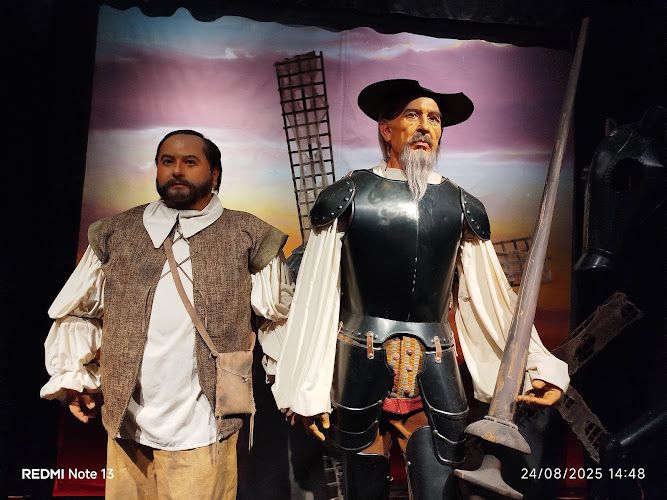
Muscera
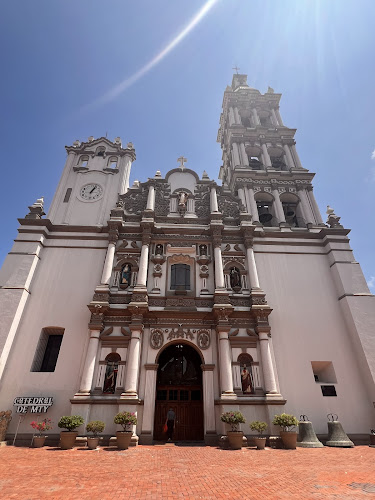
Catedral Metropolitana de Nuestra Señora de Monterrey
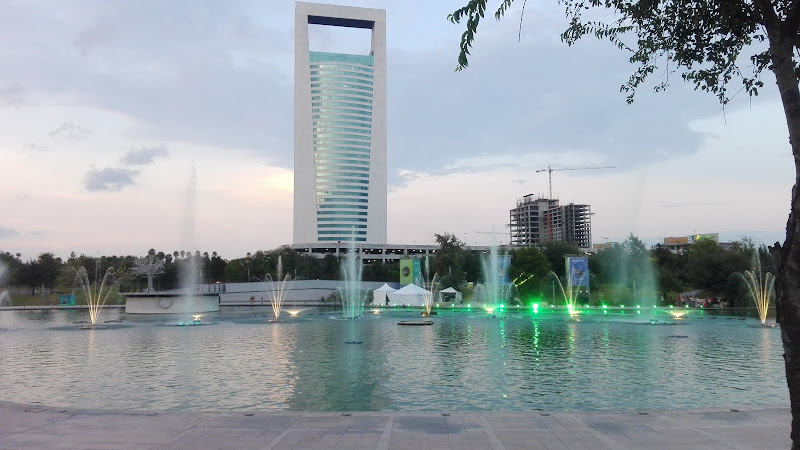
Mirador de Castillo
Find Accommodations Nearby
Recommended Tours & Activities
Visitor Reviews
There are no reviews yet. Be the first one to write one.
Share Your Experience
Have you visited Alameda Monterrey? Help other travelers by leaving a review.